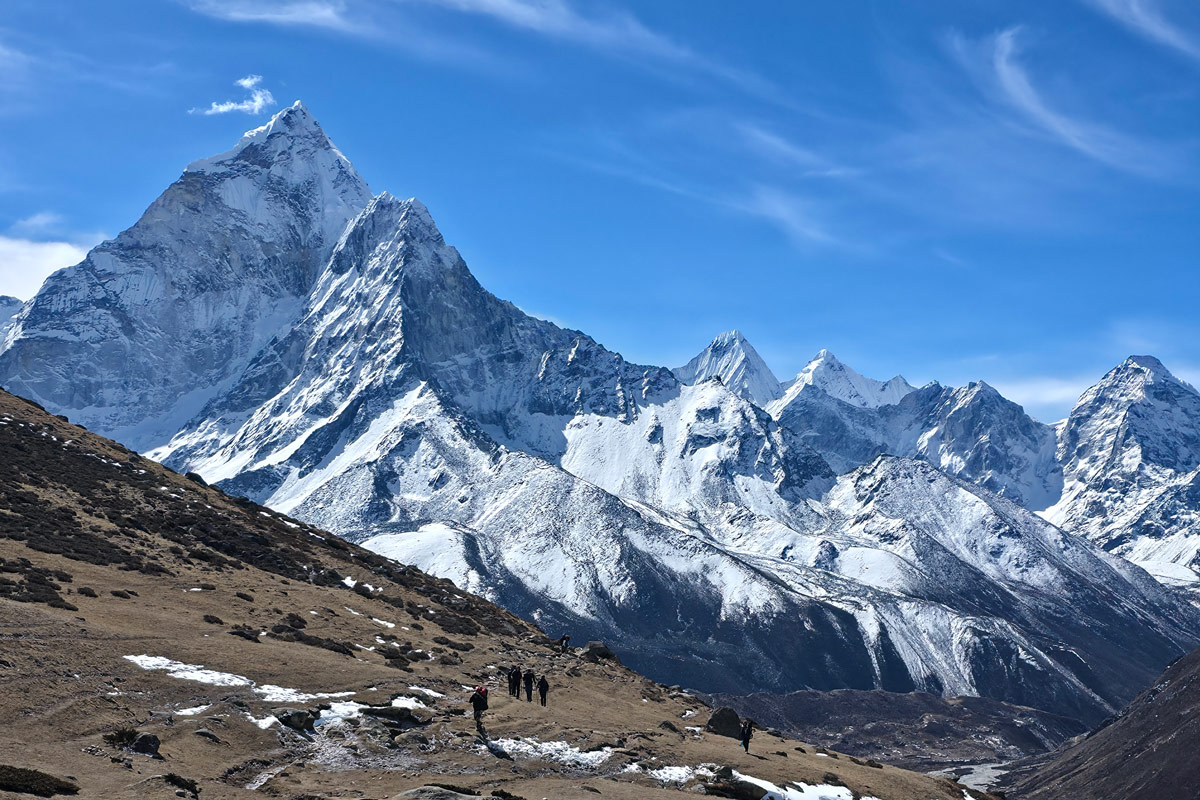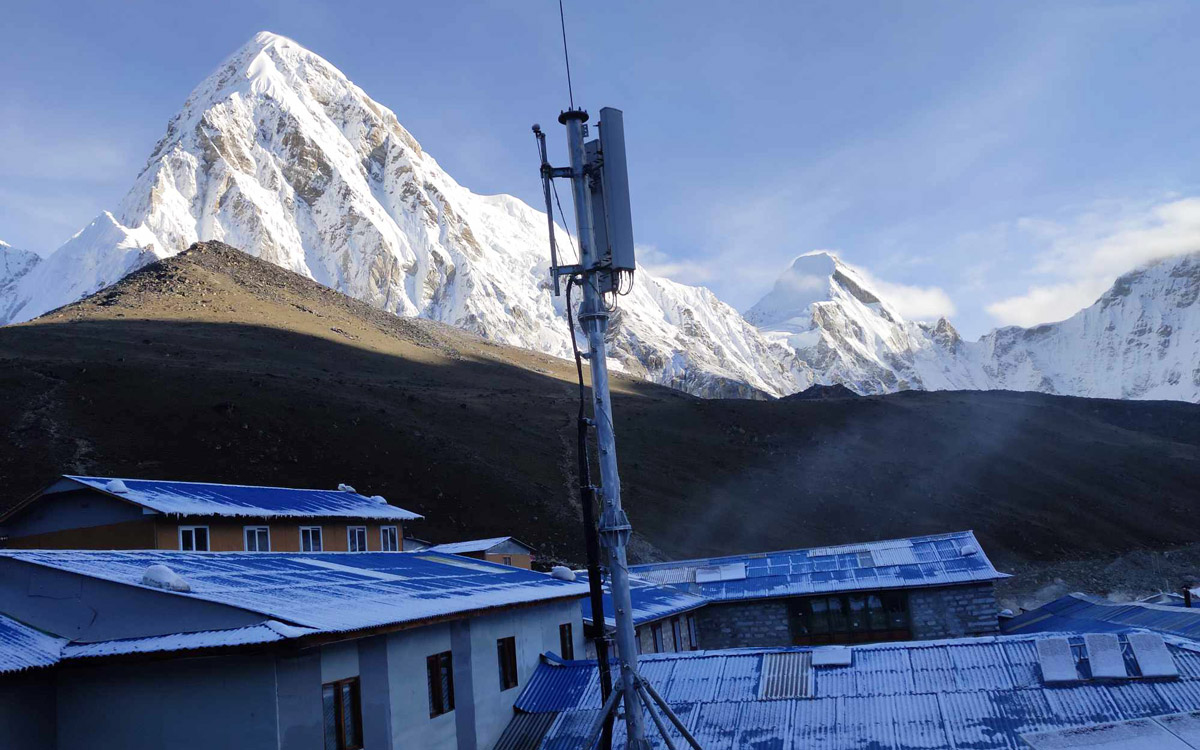

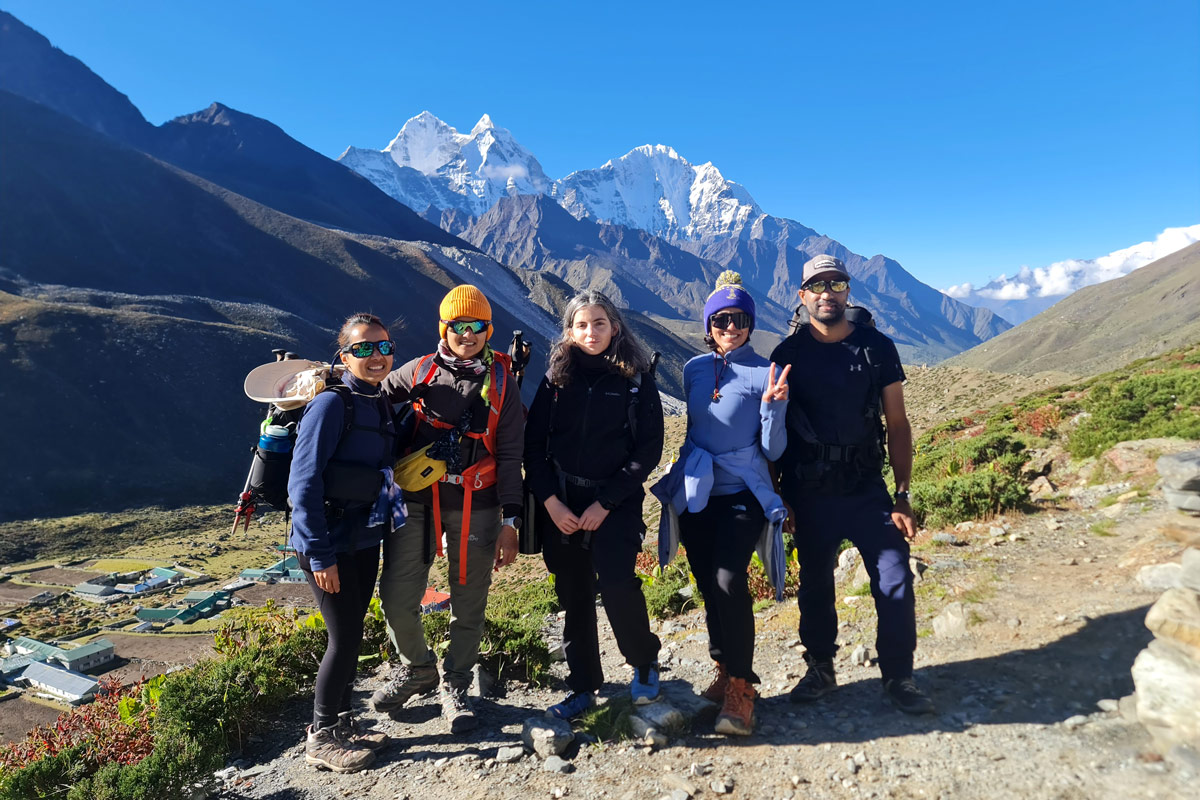
Nepal is one of the few countries in the world offering multi experiences with diverse season throughout the year.
Whether you’re dreaming of trekking in the foothills of the world’s highest peaks, exploring ancient temples, spotting endangered animals such as one-horned rhinoceros, witnessing timeless heritage or celebrating unique festivals with local communities, there’s never truly a wrong time to visit Nepal.
Here, spring transforms the hills into a canvas of blooming rhododendrons, while autumn unveils crystal-clear Himalayan panoramas after the monsoon rains best suited for trekking in Nepal.
While summer brings lush green valleys and immersive trekking trails in the Himalayan regions, and winter rewards travelers with quiet landscapes, breathtaking mountain vistas, and uncrowded cultural attractions.
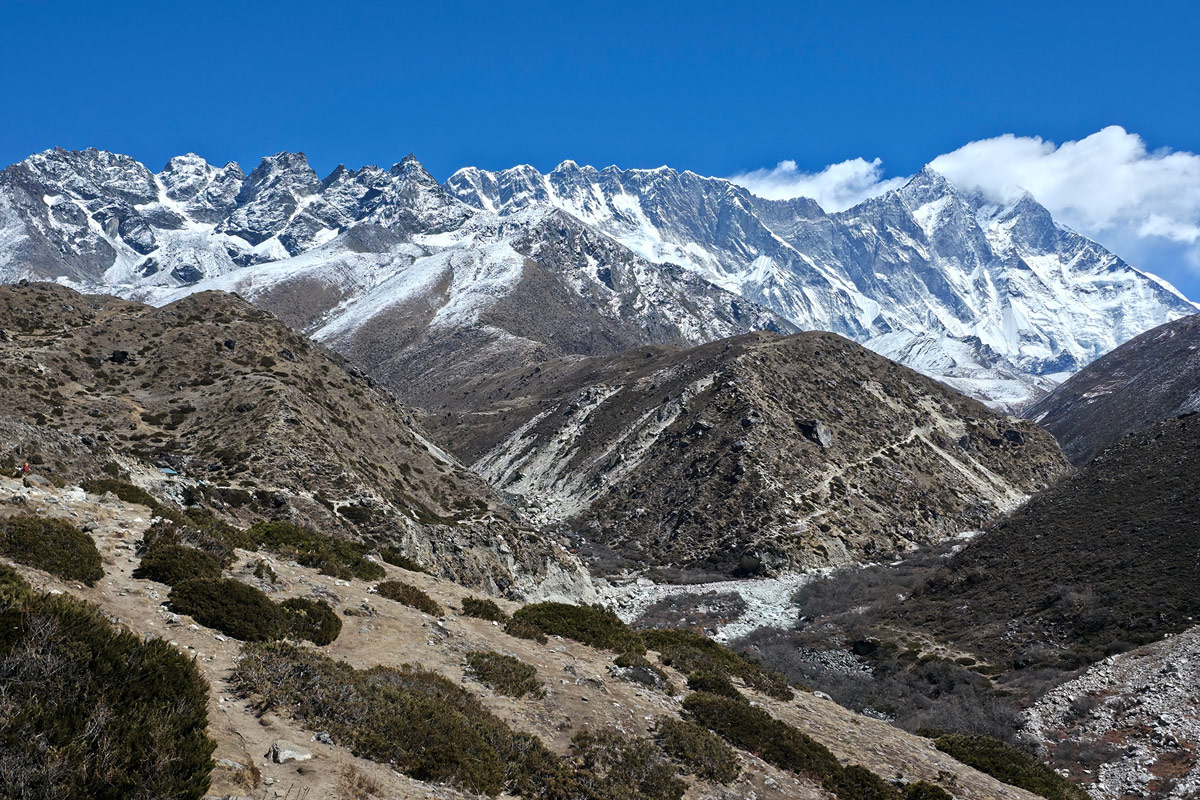
The best time to visit Nepal ultimately depends on the kind of journey you’re planning.
A mountaineer preparing for a Himalayan expedition, a wildlife enthusiast heading to Chitwan National Park, and a cultural traveler exploring Kathmandu’s UNESCO World Heritage Sites will each find different seasons better suited to their interests.
You can assure that the best time to discover Nepal is undoubtedly Spring (March to May) and Autumn (September to November).
Adding to Nepal’s year-round visit places is due to its remarkable geographical diversity and distinct climates variation. Within a single day, you can travel from the subtropical plains of the Terai to alpine landscapes beneath snow-covered peaks of Mountain region.
Which season matches your travel style? and which trekking region in Nepal is best for you? It all depends upon your flexibility to travel and perception.
Whether you’re planning your first visit or returning to discover another side of Nepal, this guide will help you choose the perfect time for an unforgettable Himalayan adventure.
Why Timing Matters When Visiting Nepal
One of Nepal’s most fascinating characteristics is its extraordinary range in elevation varying from 60 meters (197 feet) above sea level in the southern Terai, to the summit of Mount Everest to 8,848.86 meters (29,031.7 feet).
Due to this dramatic difference, it creates multiple climate zones within a relatively minimal geographical area. As a result, weather conditions can vary considerably between destinations on the same day.
While Kathmandu may enjoy pleasant sunshine, higher Himalayan villages can experience snowfall, and the southern plains may remain warm and humid.
For trekkers thinking to trek in Nepal, choosing the right season often means the difference between clear mountain views and cloud-covered peaks.
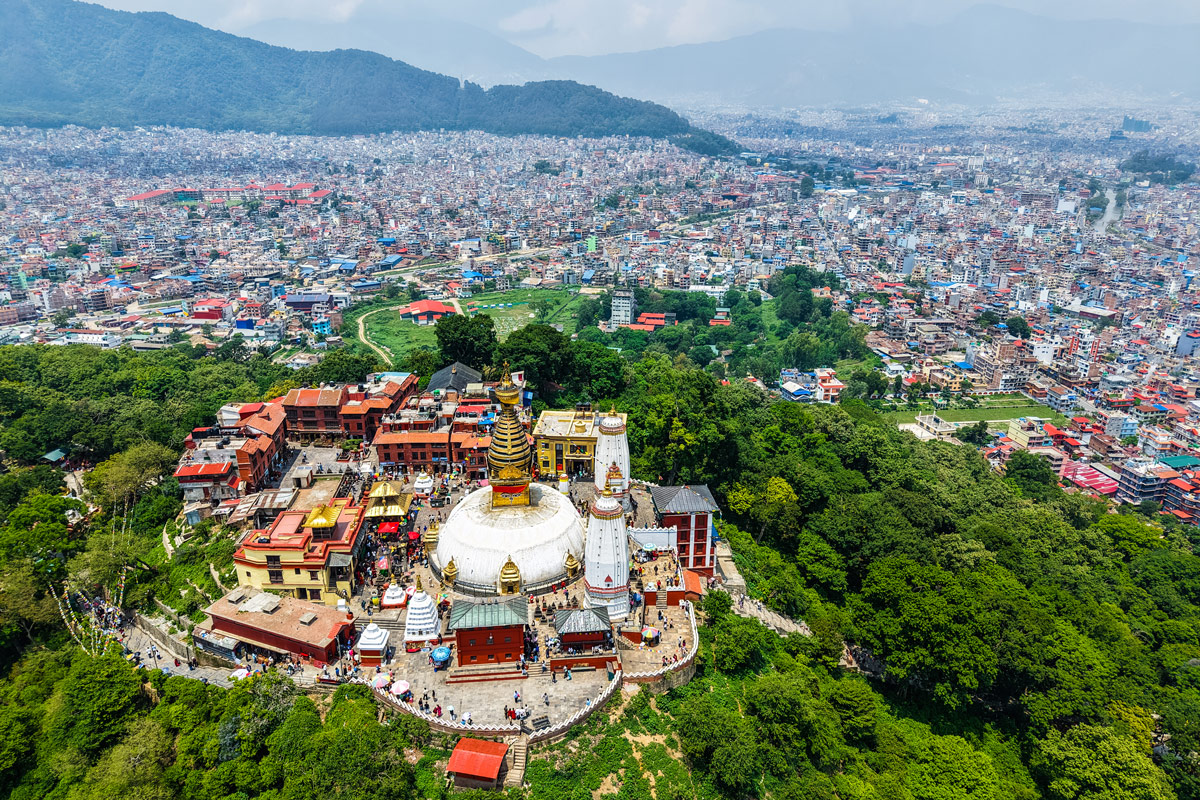
Stable weather during spring and autumn generally provides safer trail conditions, comfortable daytime temperatures, and excellent visibility, making these seasons especially popular for classic routes such as Everest Base Camp, Annapurna Base Camp, Langtang Valley, Annapurna Circuit and the Manaslu Circuit trek.
During the monsoon, the countryside such as Ghorepani Poonhill bursts into vibrant shades of green, waterfalls reach their full force, and culturally rich destinations become quieter.
Meanwhile, winter offers peaceful trails at lower elevations, exceptional mountain visibility, and rewarding wildlife experiences in Nepal’s national parks like Chitwan, and Sagarmatha national park.
Timing also affects the Nepal heritage tour and cultural experiences available during your visit. Nepal follows the Bikram Sambat (BS) calendar, and many of its most celebrated festivals are based on the lunar cycle.
Depending on when you travel, you may witness Dashain and Tihar, Holi, Indra Jatra, Buddha Jayanti, Mani Rimdu, Lhosar, or Tiji festival, each offering unique insights into Nepal’s rich traditions, religious diversity, and local way of life.
Understanding Nepal’s Geography and Climate
Nepal may stretch only about 150 to 250 kilometers from north to south, but it encompasses one of the world’s greatest geographical contrasts.
Within this narrow strip of land lie tropical forests, fertile plains, rolling hills, deep river valleys, alpine meadows, rugged terrain, glaciers, and eight of the world’s fourteen highest mountains including Mount Everest.
This remarkable diversity means the country’s weather is shaped primarily by altitude, making travel and weather conditions vary significantly from one region to another. Understanding such geographical regions helps travelers choose the best destinations and activities for every season.
The Himalayan Region
Stretching across the northern border with Tibet, the Himalayan region is home to some of the world’s most iconic mountains, including Mount Everest, Kanchenjunga, Lhotse, Annapurna, Manaslu, and Dhaulagiri.
Most of Nepal’s famous trekking and mountaineering adventures take place here, including the Everest Base Camp, Everest Three Passes, Gokyo Lake, Annapurna Circuit, Manaslu Circuit, ABC trek, and numerous peak-climbing expeditions such as Mera Peak, Lobuche East, and Island Peak
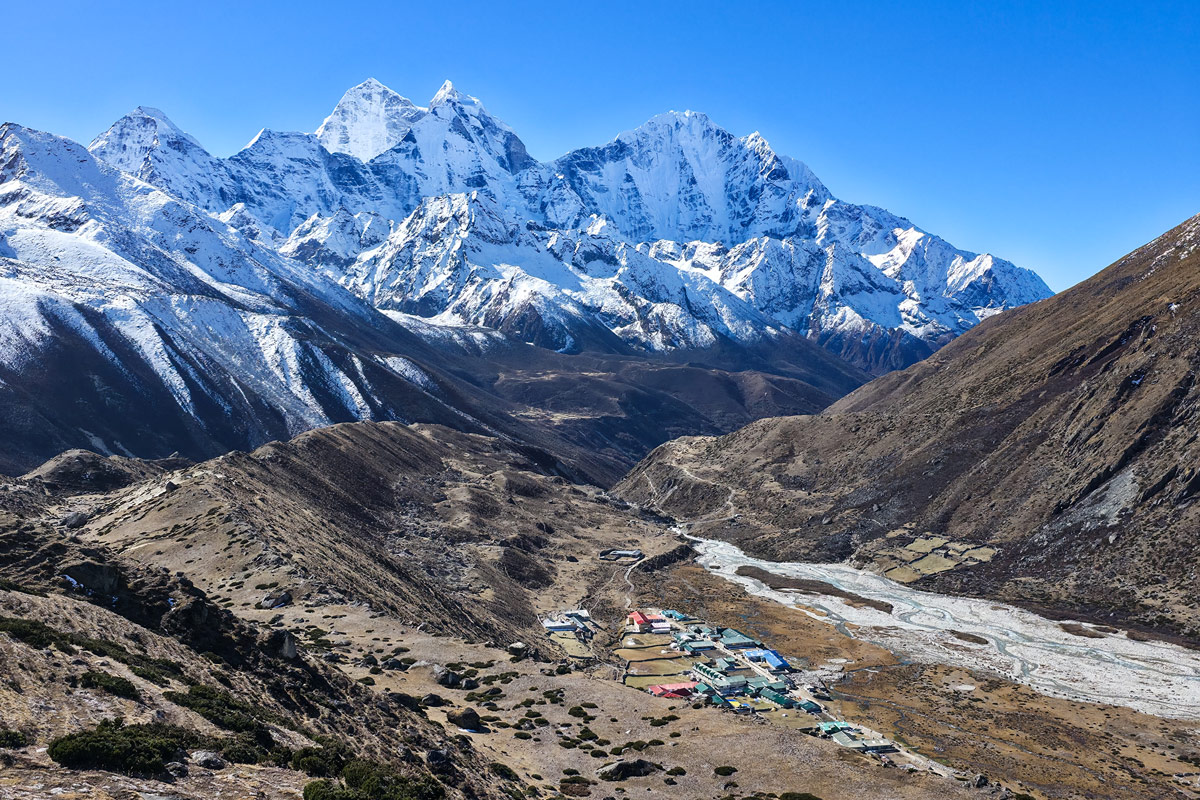
Due to the high elevation, temperatures remain considerably cooler throughout the year, and weather conditions can change rapidly. Generally, spring and autumn rewards most stable conditions, while winter brings heavy snowfall to higher passes.
However, during the summer monsoon, rain-shadow regions such as Upper Mustang and parts of Upper Dolpo remain relatively dry, making them key destinations when much of the country experiences rainfall.
The Hilly Region
Nepal’s mid-hill region, locally known as the Pahad ranges from 600 meters to 3,000 meters (approx. 2,000 to 10,000 feet) above sea level. This area includes Kathmandu Valley, Pokhara, Bandipur, Gorkha, Dhulikhel, and traditional villages surrounded by terraced farmland and forested hills.
The climate here remains relatively pleasant throughout the year. Spring brings colorful wildflowers, autumn offers crisp mountain views, and even winter days are generally comfortable for sightseeing.
Many of Nepal’s UNESCO World Heritage Sites, ancient temples, medieval palaces, and vibrant local markets are found within this region, making it an ideal destination for cultural tours, Nepal Vistas, short hikes like Jamacho day hike, and family vacations.
The Terai Region
Bordering India in southern Nepal, the Terai is characterized by subtropical forests, fertile agricultural land, and expansive grasslands.
Although this region occupies a much lower elevation than the Himalayas, it offers an entirely different side of Nepal. The Terai is home to renowned protected areas such as Chitwan National Park, Bardia National Park, and Koshi Tappu Wildlife Reserve.
Here visitors can encounter the endangered greater one-horned rhinoceros, Bengal tiger, Asian elephant, gharial crocodile, sloth bear, and more than 500 species of birds.
Winter and spring are generally considered the best times for jungle safaris, when dry conditions improve wildlife visibility and temperatures remain comfortable for outdoor activities.
Major Four Seasons in Nepal
Nepal mainly experiences four distinct seasons. They are spring, summer (monsoon), autumn, and winter each offering its own landscapes, weather patterns, festivals, and travel experiences.
Understanding what each season brings will help you choose the perfect time for your adventure.
Spring (March to May)
Spring is one of the best seasons to visit Nepal, offering comfortable weather, clear Himalayan views, and blooming landscapes. Temperatures generally range from 10°C to 25°C (50°F to 77°F) in lower elevations, with cooler conditions in the mountains.
As a peak trekking season, popular routes such as Everest Base Camp, Annapurna Base Camp, and Annapurna Circuit attract travelers from around the world.
One of spring’s highlights is the blooming rhododendron, Nepal’s national flower, which transforms hillsides into vibrant shades of red, pink, and white.
Beyond the mountains, Kathmandu, Bhaktapur, and Patan are ideal for cultural exploration, while Chitwan and Bardia offer excellent wildlife safari opportunities. Festivals such as Holi and Buddha Jayanti add another colorful dimension to the season..
Summer/Monsoon (June to August)
During the monsoon, frequent rainfall brings life to Nepal’s forests, rivers, and waterfalls, transforming the landscape into vibrant shades of green.
For trekkers, the season brings muddy trails, slippery paths, leeches, occasional landslides, and swollen rivers. However, rain-shadow destinations such as Upper Mustang and Upper Dolpo, receive far less rainfall, making them excellent trekking options.
Beyond trekking, monsoon is also a rewarding time to explore Nepal’s heritage cities, museums, and traditional cuisine.
Autumn (September to November)
With stable weather, dry trails, and comfortable temperatures ranging from 10°C to 27°C (50°F to 80.6°F), conditions are ideal for trekking, mountaineering, sightseeing, wildlife safaris, photography, and cultural experiences making Autumn another best trekking season,
Clear Himalayan views, reliable mountain flights, and excellent trails such as EBC, ABC, Manaslu Circuit etc make autumn the most popular season to visit Nepal.
Wildlife also becomes more active in Chitwan and Bardia as vegetation begins to thin after the monsoon. Autumn is equally special for experiencing Nepal’s vibrant festivals, particularly Dashain and Tihar.
Winter (December to February)
Winter is more of peaceful surroundings and crisp air offering different side of Nepal, with temperatures ranging from 13°C (55°F) in the lowlands to -16°C (3°F) in the mountains.
While snowfall can challenge high-altitude treks and mountain passes, routes like Ghorepani Poon Hill and Mardi Himal remain accessible. Winter also brings excellent wildlife viewing, migratory birds, clear mountain views, and pleasant daytime sightseeing in Kathmandu, Pokhara, and Lumbini.
Which Season is Right for You?
| Season | Months | Best For | Things to Consider |
| Spring | March-May | Trekking, peak climbing, rhododendron blooms, wildlife, cultural tours | Popular season with increasing visitor numbers, especially in April |
| Summer (Monsoon) | June-August | Rain-shadow treks, photography, cultural travel, lush landscapes | Rain, occasional landslides, flight delays, muddy trails in some regions |
| Autumn | September-November | Trekking, mountain views, festivals, rafting, sightseeing | Peak tourist season-advance booking recommended |
| Winter | December-February | Wildlife safaris, lower-altitude treks, photography, peaceful travel | Cold temperatures at higher elevations and possible snow on mountain passes |
Best Time to Visit Nepal: Month-by-Month Guide
Mostly, October-November and April-May are the best times to visit Nepal.
As Nepal is a year-round destination, every month offers a distinct travel experience. Mostly, seasonal weather patterns influence trekking conditions, mountain visibility, wildlife encounters, festivals, and adventure activities all around.
Here’s what you can expect throughout the year.
January: Clear Skies & Quiet Winter Trails
January marks the heart of winter in Nepal. Although mornings and evenings can be cold particularly in the mountains, the month often rewards travelers with some of the clearest skies of the year creating spectacular scenery.
While many high-altitude passes receive heavy snowfall, numerous lower-elevation trekking routes remain accessible and considerably quieter than during the peak seasons.
Remember to dress in layers, as temperatures can fluctuate significantly between daytime and nighttime, especially above 2,500 meters.
Southern Nepal also experiences comfortable daytime temperatures during winter, making this one of the best months for wildlife safaris in Chitwan and Bardia National Parks.
Weather
- Cold mornings and evenings
- Clear skies across much of the country
- Snowfall at higher elevations
- Comfortable daytime temperatures in Kathmandu, Pokhara, and the Terai
Best experiences
- Lower-altitude trekking
- Jungle safaris in Chitwan and Bardia
- Mountain photography
- Cultural sightseeing in Kathmandu Valley
- Sunrise views from Nagarkot and Sarangkot
Recommended treks
- Ghorepani Poon Hill Trek
- Mardi Himal Trek (depending on snowfall)
- Langtang Valley Trek (with proper preparation)
- Helambu Trek
February: Winter’s End & Early Signs of Spring
February is as a transition month between winter and spring while allowing the first half of the month chilly, warmer afternoons then bringing new energy to surroundings by the end of month.
February offers excellent value for travelers seeking quieter trekking routes before the spring rush begins. Lower-altitude forests begin showing the first signs of blooming flowers, and mountain visibility remains excellent too.
During this month depending on the lunar calendar, travelers may witness Maha Shivaratri, when thousands of Hindu devotees gather at the sacred Pashupatinath Temple in Kathmandu to honor Lord Shiva.
Around the same time, Himalayan communities celebrate Losar, the Tibetan New Year, with colorful masked dances, monastery ceremonies, family feasts, and traditional music.
Weather
- Cool mornings
- Mild afternoons
- Mostly dry conditions
- Excellent mountain visibility
Best experiences
- Early spring trekking
- Temple visits and heritage walks
- Monastery festivals
- Wildlife safaris
- Scenic mountain flights
Recommended treks
- Everest Panorama Trek
- Langtang Valley Trek
- Ghorepani Poon Hill Trek
- Short Annapurna Trek
March: Rhododendron Blooms & Spring Adventures
March signals the arrival of spring and one of Nepal’s most beautiful travel seasons. Due to rising temperatures, blooming forests, and longer daylight hours create ideal conditions for outdoor adventures throughout the country.
Since rhododendrons are Nepal’s national flower, witnessing these blooms has become a memorable highlight for many trekkers.
March also marks the beginning of one of Nepal’s busiest trekking seasons. Due to remarkable weather you can extend your trip to discover Kathmandu, Pokhara, and Chitwan life during such peak season.
Popular destination and trekking trails gradually welcome hikers from around the world as weather conditions become increasingly stable.
One of the month’s greatest cultural highlights is Holi, the Festival of Colors. It is celebrated across Nepal with music, dancing, colored powders, and joyful celebrations that welcome the arrival of spring.
Weather
- Pleasant daytime temperatures
- Longer daylight hours
- Stable mountain weather
- Cool evenings at higher elevations
Best experiences
- Rhododendron trekking
- Cultural sightseeing
- Holi celebrations
- Mountain photography
- Wildlife safaris
Recommended treks
- Everest Base Camp Trek
- Annapurna Base Camp Trek
- Annapurna Circuit Trek
- Langtang Valley Trek
- Mardi Himal Trek
- Ghorepani Poon Hill Trek
April: Peak Spring & Himalayan Expeditions
For many experienced guides and trekkers, April represents one of the very best months to visit Nepal. During this time, snow has largely melted from higher mountain passes, temperatures remain comfortable, and daylight lasts well into the evening.
This is also the main season for Himalayan mountaineering expeditions. Everest Base Camp becomes international gathering point as climbing teams prepare for summit attempts on Mount Everest and their neighboring peaks.
Nepal also celebrates several important festivals such as lively Bisket Jatra festival that transforms Bhaktapur into a stage for towering chariot processions and centuries-old rituals marking the Nepali New Year.
Weather
- Warm, sunny days
- Stable mountain conditions
- Comfortable trekking temperatures
- Increasing warmth in lower elevations
Best experiences
- High-altitude trekking/ mountain passes
- Peak climbing and expeditions
- Photography
- Cultural festivals
- Adventure sports
Recommended treks
- Everest Base Camp Trek
- Annapurna Circuit Trek
- Manaslu Circuit Trek
- Makalu Base Camp Trek
- Kanchenjunga Trek
May: Warm Days & the Last of Spring
May offers travelers a unique combination of vibrant spring scenery and warmer temperatures before the arrival of the summer monsoon.
While lower elevations such as Kathmandu, Pokhara, Chitwan, and Terai become increasingly warm, higher-altitude mountain trekking routes remain comfortable and rewarding.
Afternoon clouds and occasional pre-monsoon showers become more common toward the end of the month, but mornings are often clear enough for scenic mountain views.
May is also closely associated with Buddha Jayanti, one of Nepal’s most significant religious celebrations.
As the birthplace of Lord Buddha, Nepal observes this occasion with prayers, butter lamps, peaceful processions, and special ceremonies, particularly in Lumbini, Boudhanath, and Swayambhunath.
This is the final major month for spring trekking before monsoon conditions begin affecting many trails.
Weather
- Warm days
- Mild nights in the hills
- Increasing humidity
- Occasional afternoon showers
Best experiences
- Trekking before monsoon
- Visiting Lumbini
- Wildlife safaris
- Cultural tours
- Photography
Recommended treks
- Everest Base Camp Trek
- Annapurna Sanctuary Trek
- Manaslu Circuit Trek
- Upper Mustang Tiji Tour
- Gokyo Lakes Trek
June: Monsoon Begins & Rain-Shadow Treks
June introduces Nepal’s summer and the beginning of the monsoon season. While rainfall gradually increases across much of the country, it also transforms the hills and valleys into lush green landscapes nourished by fresh mountain streams.
Although classic trekking routes become less favorable due to slippery trails and occasional landslides, many mornings remain pleasantly clear allowing visitors to explore cultural landmarks, museums, monasteries, and local markets.
Perhaps most importantly, June marks the beginning of the ideal season for exploring Nepal’s famous rain-shadow regions.
Destinations such as Upper Mustang, Nar Phu Valley, and Upper Dolpo remain relatively dry despite the monsoon elsewhere, offering best trekking opportunities amid dramatic desert landscapes and centuries-old Tibetan Buddhist culture.
Weather
- Beginning of monsoon
- Warm temperatures
- Increasing rainfall
- Green landscapes across the hills
Best experiences
- Upper Mustang Trek
- Upper Dolpo Trek
- Cultural sightseeing
- Photography
- Local food experiences
- Wellness retreats
Recommended destinations
- Upper Mustang region
- Upper Dolpo region
- Nar Phu Valley
- Kathmandu Valley
- Bhaktapur
- Patan
July: Green Landscapes & Monsoon Escapes
July is often regarded as Nepal’s wettest month, for travelers who enjoy lush landscapes, peaceful surroundings, and authentic cultural experiences, July reveals a quieter and greener side of Nepal.
Hillsides become a vibrant shade of green, waterfalls flow at full force, and the countryside feels truly serene. While afternoon and evening rains are common, mornings can still be surprisingly clear, offering opportunities for sightseeing and photography.
Traditional trekking routes in the Everest and Annapurna regions become more challenging due to muddy trails, leeches, and the possibility of landslides.
Farmers across Nepal begin planting rice during the monsoon. If you’re traveling through rural villages, you may witness communities working together in flooded rice fields.
However, Nepal’s rain-shadow regions remain one of the country’s best destination during this season.
Upper Mustang, Upper Dolpo, and the remote Nar Phu Valley receive far less rainfall and their dramatic desert landscapes, ancient monasteries, and Tibetan-influenced villages offer an entirely different trekking experience.
For travelers staying in Kathmandu or Pokhara, July is also a wonderful time to explore museums, centuries-old temples, local cafes, artisan workshops, and traditional cooking classes without peak-season crowds.
Weather
- Peak monsoon across most of Nepal
- Warm and humid conditions
- Frequent afternoon or evening rainfall
- Relatively dry weather in Himalayan rain-shadow regions
Best experiences
- Trekking in Upper Mustang and Upper Dolpo
- Exploring Kathmandu’s UNESCO World Heritage Sites
- Traditional Nepali cooking classes
- Cafe exploring in Pokhara
- Photography of monsoon landscapes
Recommended destinations
- Upper Mustang
- Upper Dolpo
- Nar Phu Valley
- Kathmandu Valley
- Patan
- Bhaktapur
August: Lush Landscapes & Cultural Festivals
August continues the monsoon season, although rainfall often begins to ease toward the end of the month. Rivers remain full, forests are densely lush, and the countryside reaches its greenest point of the year.
Although classic treks remain less popular, adventurous travelers willing to embrace occasional showers are rewarded with peaceful trails and landscapes transformed by the monsoon rains.
Rain-shadow destinations continue to offer some of Nepal’s best trekking conditions.
Meanwhile, Chitwan’s wetlands, lakes, and grasslands become vibrant habitats for migratory birds, making August particularly attractive for birdwatchers and nature photographers.
In central Nepal, festivals such as Janai Purnima and Gai Jatra (depending on the lunar calendar) provide fascinating opportunities to experience Nepal’s living traditions.
Weather
- Warm temperatures
- Frequent rainfall
- Increasingly fresh landscapes
- Clearer mornings toward the month’s end
Best experiences
- Birdwatching
- Rain-shadow trekking
- Heritage tours
- Photography
- Cultural festivals
Recommended destinations
- Upper Mustang
- Upper Dolpo
- Chitwan National Park
- Kathmandu Valley
September: Monsoon Fades & Trekking Returns
September marks the transition from monsoon to autumn is the beginning of Nepal’s busiest travel season.
Lush green landscapes, cleaner air, and gradually clearing skies make September an exciting month for travelers. Trekking trails reopen, tea houses become active again, and mountain views improve dramatically as the month progresses.
Adventure lovers also welcome September because rivers remain full after the monsoon which creates ideal conditions for white-water rafting on the Trishuli, Bhote Koshi, and Seti Rivers.
Kathmandu also comes alive with Indra Jatra, one of the valley’s oldest and most vibrant festivals. The celebration features traditional masked dances, towering chariots, and the procession of the Living Goddess Kumari through the historic streets of Kathmandu Durbar Square.
Weather
- Gradually improving conditions
- Decreasing rainfall
- Comfortable temperatures
- Fresh mountain air
Best experiences
- Trekking
- White-water rafting
- Photography
- Festival experiences
- Scenic mountain flights
Recommended treks
- Everest Base Camp Trek
- Langtang Valley Trek
- Annapurna Base Camp Trek
- Mardi Himal Trek
October: Clear Skies & Peak Trekking Season
If there is one month that perfectly captures the beauty of Nepal, it is October.
With the monsoon completely behind it, the country enjoys crisp blue skies, stable weather, comfortable temperatures, and exceptional visibility.
Snow-covered Himalayan peaks appear remarkably close, making October the most sought-after month for trekking, sightseeing, photography, and outdoor adventures.
Classic trekking routes such as Everest Base Camp, Annapurna Circuit, Langtang Valley, Manaslu Circuit, and Mardi Himal are at their finest.
Due to dry trails, moderate temperatures, and predictable weather this month creates ideal conditions for both experienced trekkers and first-time visitors.
For cultural travelers Nepal celebrates Dashain, its most significant festival, during this period. Families reunite across the country to receive blessings from elders, fly colorful kites, prepare festive meals, and honor the goddess Durga.
Visitors often witness villages and cities filled with joyful gatherings, bamboo swings, and vibrant traditions that have been passed down through generations.
While adventure enthusiasts can also enjoy white-water rafting, mountain biking, paragliding, and scenic helicopter tours such as EBC Heli Tour under some of the year’s clearest skies.
Weather
- Stable conditions
- Clear skies
- Moderate daytime temperatures
- Excellent visibility
Best experiences
- Himalayan trekking
- Mountain photography
- White-water rafting
- Cultural festivals
- Sightseeing
- Scenic mountain flights
Recommended treks
- Everest Base Camp Trek
- Annapurna Circuit Trek
- Manaslu Circuit Trek
- Annapurna Base Camp Trek
- Langtang Valley Trek
November: Crisp Air & Exceptional Mountain Views
November continues the exceptional weather of autumn while bringing cooler temperatures and some of the year’s clearest mountain views.
In this month, humidity drops significantly, making trekking even more comfortable. The air becomes incredibly crisp, and sunrise over the Himalayas is often at its most spectacular.
Whether you’re hiking through the Everest region or enjoying panoramic viewpoints near Pokhara, visibility is typically outstanding.
November is also a wonderful time to experience Tihar, Nepal’s Festival of Lights. Sometimes compared to Diwali, Tihar is uniquely Nepali in its traditions.
Across five days, families honor crows, dogs, cows, oxen, and siblings, while homes are decorated with oil lamps, marigold garlands, and intricate rangoli patterns.
In the evenings, groups of children and young adults visit homes singing Deusi-Bhailo, spreading festive cheer throughout neighborhoods.
For many visitors, Tihar offers one of the most memorable cultural experiences in Nepal, blending spirituality, family traditions, music, and hospitality.
Weather
- Cool, pleasant days
- Crisp mornings
- Dry conditions
- Outstanding mountain visibility
Best experiences
- Trekking
- Photography
- Festival celebrations
- Jungle safaris
- Heritage tours
Recommended treks
- Everest Base Camp Trek
- Annapurna Base Camp Trek
- Langtang Valley Trek
- Gokyo Lakes Trek
- Manaslu Circuit Trek
December: Peaceful Trails & Winter Landscapes
December offers travelers a quieter yet equally rewarding experience welcoming the vibes of winter. Tourist numbers begin to decline, allowing visitors to explore many destinations at a more relaxed pace while still enjoying mostly dry and stable weather.
In the Himalayas, fresh snowfall begins decorating higher elevations, creating dramatic alpine scenery.
Although temperatures fall considerably at altitude, many popular trekking routes remain accessible with proper preparation.
Lower-elevation destinations such as Pokhara, Bandipur, Lumbini, Chitwan, and Kathmandu continue to enjoy pleasant daytime temperatures, making December an ideal month for sightseeing, family vacations, and wildlife safaris.
National parks become particularly rewarding during this season. As vegetation thins and animals gather near rivers and waterholes giving opportunities to observe wildlifes and migratory bird species.
December is appropriate for travelers seeking a quieter Nepal experience. During this month historic temples, mountain viewpoints, and trekking trails become noticeably less crowded, allowing for a more peaceful connection with the country’s natural beauty and cultural heritage.
Weather
- Cool mornings and evenings
- Dry weather
- Snow at higher elevations
- Pleasant conditions in lower regions
Best experiences
- Wildlife safaris
- Lower-altitude trekking
- Heritage sightseeing
- Mountain photography
- Family holidays
Recommended destinations
- Chitwan National Park
- Bardia National Park
- Pokhara
- Kathmandu Valley
- Ghorepani Poon Hill
- Mardi Himal
Best Time to Visit Nepal by Destination
While trekkers often look for clear mountain views and stable weather, wildlife enthusiasts may prioritize the dry season, and cultural travelers may prefer visiting during Nepal’s biggest festivals.
Nepal’s diverse landscapes and climate mean there’s always somewhere at its best, no matter when you arrive.
Here’s a closer look at the ideal seasons for different travel experiences and destinations.
Best time to visit Nepal for Everest Base Camp Trek
Best months: April, May, October, and November
The Everest Base Camp Trek is Nepal’s most iconic trekking adventure, and choosing the best time for Everest Base Camp Trek greatly enhances the experience.
Spring offers warmer temperatures and colorful alpine landscapes, while autumn provides exceptional visibility and stable weather. During both seasons, trekkers can enjoy breathtaking views of Everest, Lhotse, Ama Dablam, Nuptse, and neighboring peaks.
Best Time for the Annapurna Region
Best months: March-May and October-November
The Annapurna region is one of Nepal’s most diverse trekking destinations, offering everything from short scenic hikes to challenging high-altitude adventures.
Spring fills the forests around Ghorepani and the Annapurna Sanctuary with blooming rhododendrons, while autumn showcases spectacular mountain scenery beneath clear blue skies.
Treks such as the Annapurna Base Camp Trek, Annapurna Circuit Trek, Mardi Himal Trek, and Ghorepani Poon Hill Trek are particularly rewarding during these seasons.
Best Time for the Langtang Region
Best months: March-May and September-November
Located north of Kathmandu, Langtang offers one of Nepal’s most accessible Himalayan trekking experiences.
Spring transforms Langtang National Park into a colorful landscape filled with rhododendrons, magnolias, and wildflowers. Autumn provides excellent mountain visibility and comfortable trekking temperatures, making it another favorite among hikers.
Compared to Everest and Annapurna, Langtang often sees fewer visitors, making it an excellent option for travelers seeking a quieter Himalayan experience.
Best time to visit Nepal for the Manaslu Circuit Trek
Best months: April-May and October-November
The Manaslu Circuit Trek circles the world’s eighth-highest mountain and is known for its remote landscapes, traditional villages, and dramatic mountain scenery.
Because the trail crosses the high Larkya La Pass (5,160 m/16,929 ft), stable weather is especially important. Spring and autumn provide the safest and most enjoyable trekking conditions.
Autumn is generally preferred due to consistently clear skies, while spring offers colorful forests and fewer trekkers.
Best Time for Upper Mustang and Upper Dolpo
Best months: June-August, with good conditions also in spring and autumn
Unlike most Himalayan regions, Upper Mustang and Upper Dolpo lie within the Himalayan rain shadow. This unique geography protects them from the heavy summer monsoon experienced elsewhere in Nepal.
As a result, these remote destinations become some of Nepal’s best trekking options during June, July, and August.
Travelers are rewarded with dramatic desert landscapes, centuries-old monasteries, Tibetan Buddhist culture, and peaceful trails that remain relatively uncrowded throughout the summer.
Best season to travel Nepal for Wildlife Safaris
Best months: January-April and October-December
Nepal’s wildlife experiences differ greatly from its mountain adventures. The best safari conditions occur during the dry months, when vegetation becomes less dense and animals gather around rivers, lakes, and waterholes.
Both Chitwan National Park and Bardia National Park offer excellent opportunities to encounter the endangered greater one-horned rhinoceros, Royal Bengal tiger, Asian elephant, gharial crocodile, sloth bear, and hundreds of bird species.
Spring is especially rewarding for birdwatching, while winter provides comfortable temperatures for jeep safaris, canoe rides, and guided jungle walks.
Best time of the year to visit Nepal for Cultural Tours
Best months: February-May and September-November
If your interests revolve around history, architecture, spirituality, and local traditions, Nepal can be visited at almost any time of year. The Kathmandu Valley, home to Kathmandu, Bhaktapur, and Patan offers remarkable cultural experiences year-round.
However, spring and autumn combine pleasant weather with some of Nepal’s most vibrant festivals. Travelers visiting during Dashain, Tihar, Indra Jatra, Holi, Buddha Jayanti, or Losar gain an even deeper appreciation of Nepal’s living heritage.
Best Time to Visit Kathmandu and Pokhara
Best months: March-May and September-November
Kathmandu and Pokhara remain attractive destinations throughout the year, but each season offers a slightly different atmosphere. Spring and autumn provide pleasant temperatures and excellent visibility, making them ideal for sightseeing and outdoor cafés.
Winter brings crisp mornings and peaceful streets, while the monsoon paints surrounding hills in brilliant shades of green, creating beautiful scenery despite occasional showers.
Pokhara’s lakeside charm is particularly captivating after rainfall, when reflections of the Annapurna Range appear on calm mornings.
Best season for Peak Climbing and Mountaineering
Best months: April-May and October-November
Nepal boasts hundreds of trekking peaks and some of the world’s most challenging mountaineering expeditions. Most climbing expeditions are organized during spring and autumn when stable weather, lower wind speeds, and predictable conditions improve safety.
Spring remains the busiest season for Everest expeditions, while many trekking peaks including Island Peak, Lobuche East, and Mera Peak are climbed successfully during both seasons.
Best time to visit Nepal for Adventure Activities
Best months: September-November and March-May
Nepal offers far more than trekking. Depending on the season, travelers can enjoy rafting, paragliding, mountain biking, zip-lining, canyoning, bungee jumping, and scenic helicopter flights.
White-water rafting is particularly exciting after the monsoon, when rivers are full but conditions remain safe for commercial trips. Paragliding over Pokhara is best during autumn and spring, when clear skies provide uninterrupted views of the Annapurna range.
Mountain biking is also enjoyable throughout much of the year, though monsoon trails require additional caution.
Best Time for Honeymoon and Family Holidays
Best months: March-May and October-November
Couples seeking romantic Himalayan views, luxury mountain lodges, lakeside retreats, or peaceful cultural experiences will find spring and autumn especially appealing.
Families traveling with children often appreciate the moderate temperatures and reliable weather during these seasons, making sightseeing and outdoor activities more comfortable.
Destinations such as Pokhara, Bandipur, Nagarkot, Dhulikhel, Chitwan, and Lumbini are excellent choices for relaxed family holidays throughout much of the year.
Best Time for Photography
Nepal offers extraordinary photographic opportunities in every season. Autumn is famous for its crystal-clear Himalayan vistas and dramatic sunrises while spring brings colorful rhododendron forests, blooming wildflowers, and vibrant cultural festivals.
Winter offers snow-covered landscapes with fewer tourists, while the monsoon creates misty valleys, dramatic cloud formations, lush rice terraces, and cascading waterfalls.
Nepal is a year-round must-visit destination
One of Nepal’s greatest strengths is that every season reveals a different side of the country. No single season is perfect for every traveler because Nepal offers diverse experiences more than trekking alone. The ideal time to visit depends on the experiences you hope to enjoy.
If your dream is to stand beneath the towering peaks of the Himalayas, spring and autumn provide the most reliable trekking conditions.
Wildlife enthusiasts will find winter and spring especially rewarding, when dry vegetation makes it easier to spot rhinos, tigers, elephants, and exotic birdlife in Nepal’s national parks.
Travelers interested in culture and heritage can explore Kathmandu Valley throughout the year, although autumn and spring combine pleasant weather with vibrant festivals.
Meanwhile, photographers often appreciate autumn for its crystal-clear mountain vistas, spring for colorful blossoms, and monsoon for dramatic cloud formations, misty hills, and emerald-green landscapes
Whether you’re seeking trekking, adventure, spirituality, culture, wildlife, or quiet moments during trip, Nepal has year round season perfectly suited to your journey.