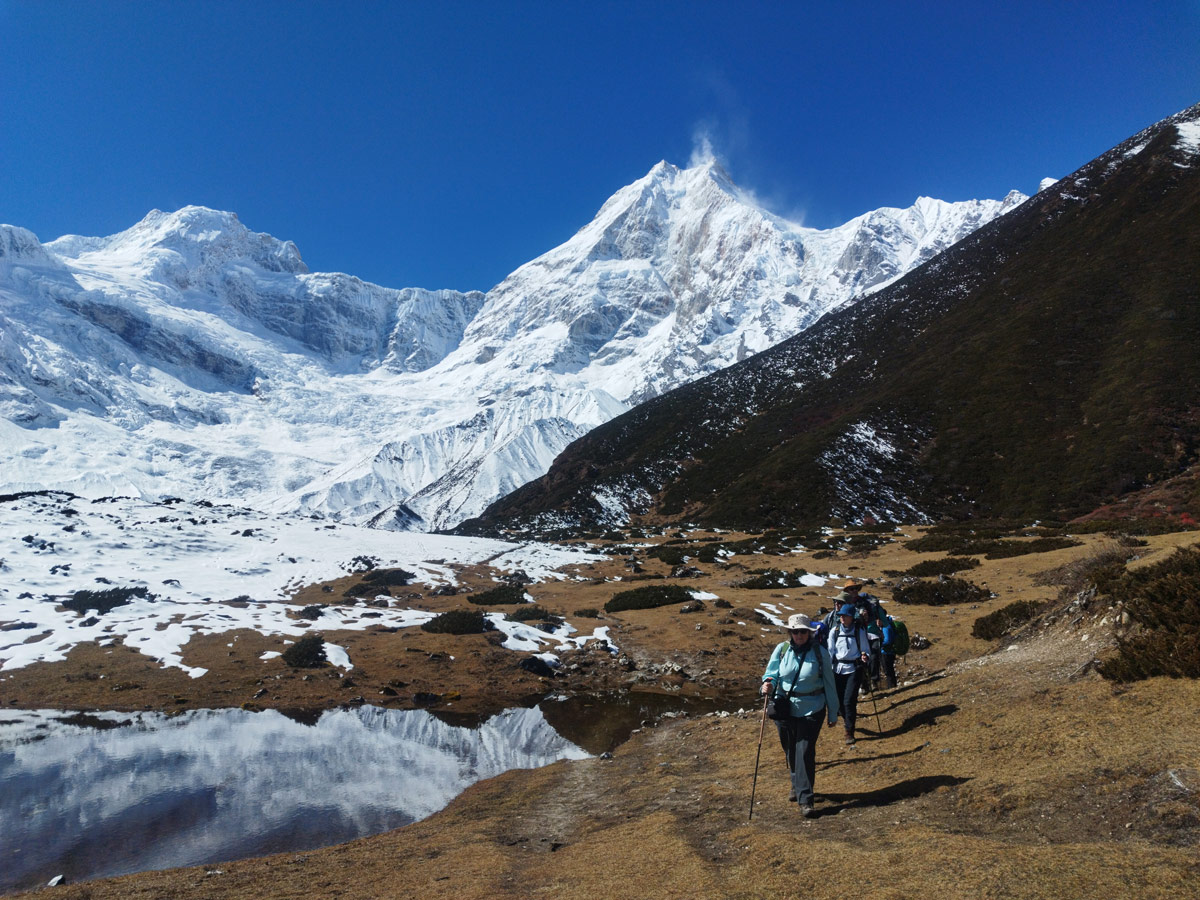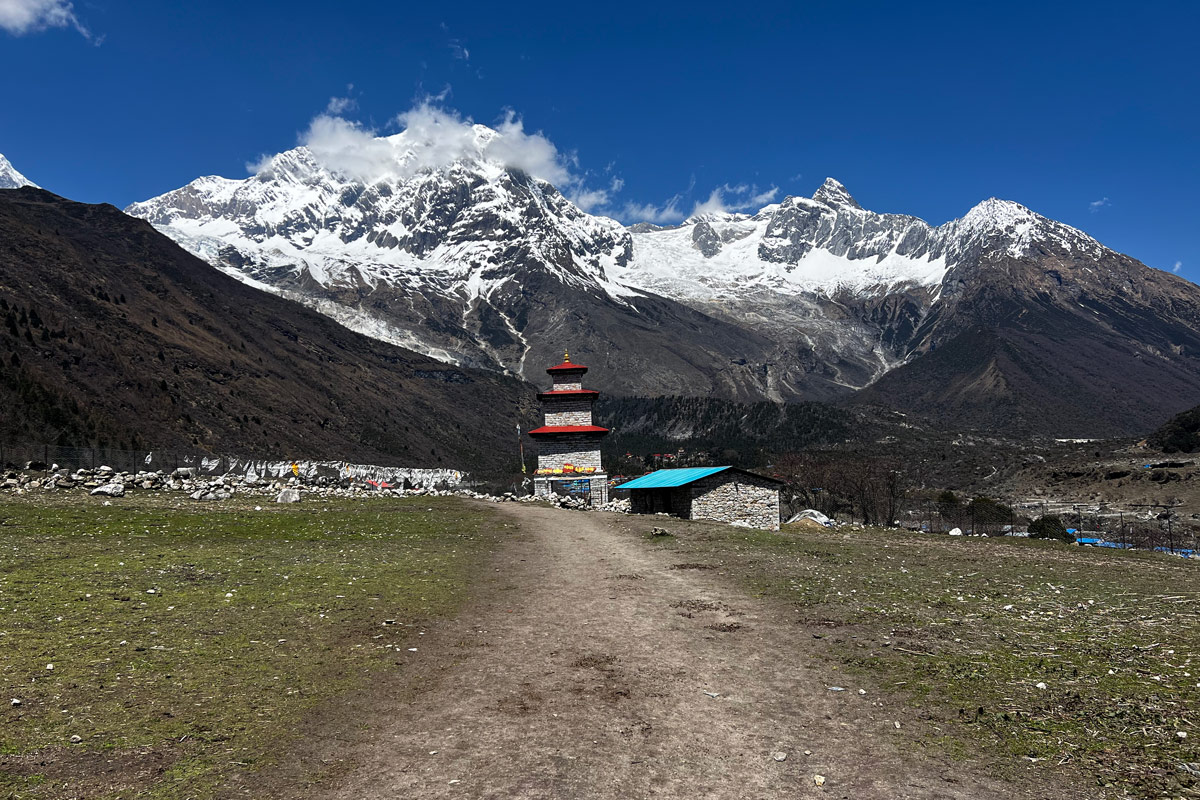


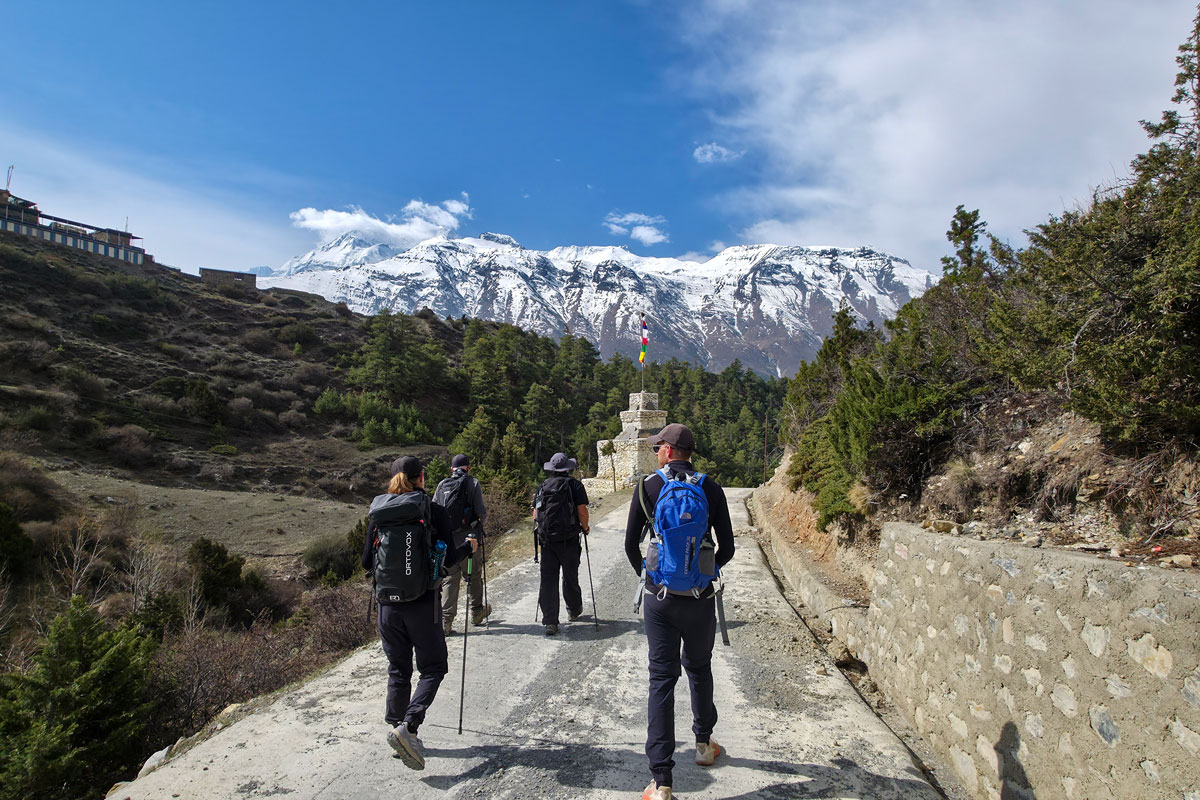
Nepal’s mountains, hills, forests, rivers, and plains change dramatically throughout the year, making each trekking season in Nepal a distinctly different experience.
Spring and autumn are widely considered as the best trekking seasons, offering comfortable temperatures, stable weather, blooming landscapes, and clear Himalayan views.
However, trekking in Nepal is not only limited to these peak months. The monsoon offers lush greenery and quieter trails, while rain-shadow regions such as Upper Mustang, Upper Dolpo, and Nar Phu remain comparatively dry.
Winter brings colder conditions and snowfall at higher elevations but offers crisp mountain views, peaceful trails, and fewer trekkers on lower-altitude routes.
Ultimately, the best time to trek in Nepal depends on your chosen destination, trekking altitude, weather preferences, and the type of adventure experience you seek.
Understanding Nepal’s geography and seasonal patterns can help you choose the right route and plan a more rewarding Himalayan adventure.
Nepal’s Geography and its influence on trekking seasons
Nepal’s extraordinary geographical diversity is one of the main reasons its trekking conditions vary so dramatically. The country stretches from the warm, subtropical plains of the south to the cold, high-altitude Himalayas in the north.
Within this relatively short north-to-south distance, the elevation rises dramatically, creating major differences in temperature, vegetation, rainfall, landscapes, and lifestyles.
For a broad understanding of trekking conditions, Nepal can be viewed through three major geographical regions:
The Himalayan Region
The Himalayan region forms the northernmost and highest part of Nepal and is home to some of the world’s most spectacular mountain landscapes.
Here trekkers encounter the great Himalayan ranges, glacial valleys, rugged terrain, high mountain passes, alpine meadows, and peaks rising far above 7,000 and 8,000 meters including Mount Everest, Annapurna, Dhaulagiri, Manaslu, Makalu, and Kanchenjunga.
Altitude plays a major role in trekking conditions here so, acclimatization becomes essential. Temperatures drop significantly as elevation increases, while weather can change quickly.
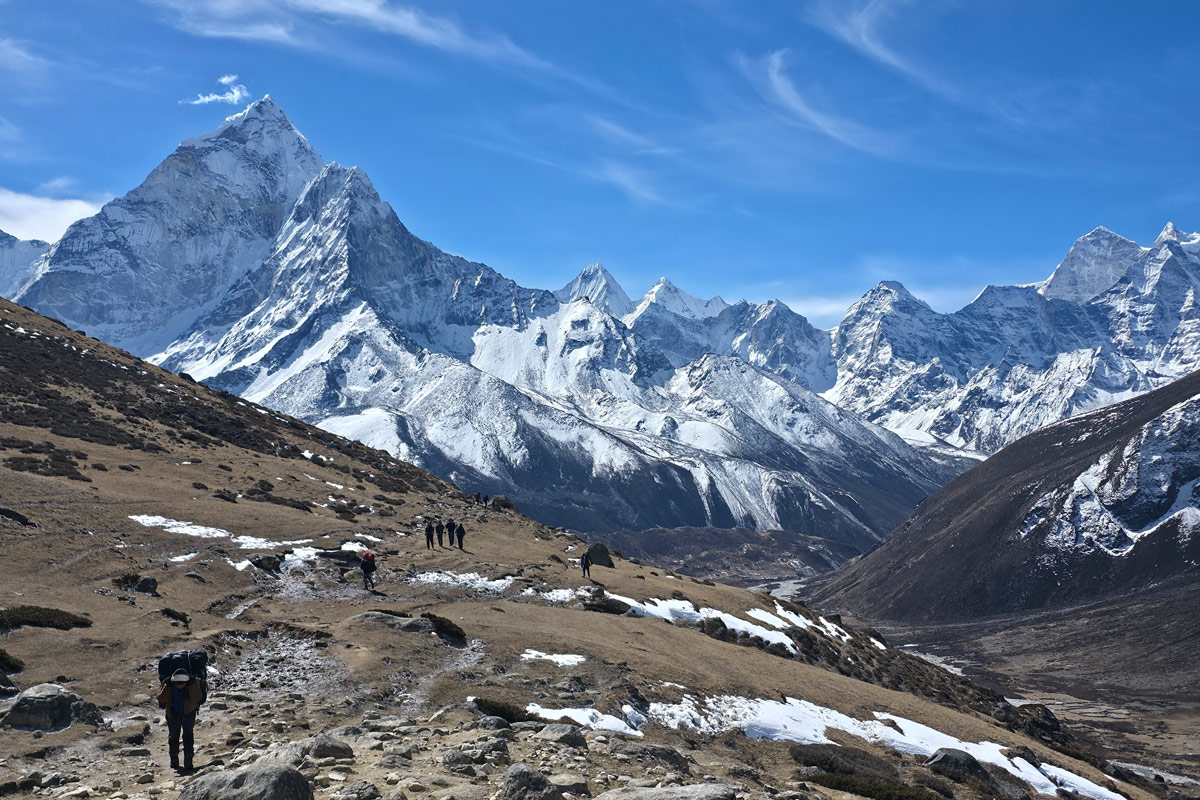
Snow may remain on higher trails for extended periods, and high-mountain passes can become difficult or temporarily inaccessible during heavy snowfall.
For this reason, seasonal planning is particularly important for high-altitude trekking.
Spring and autumn generally offer the most favorable conditions, while winter requires greater preparation and monsoon travelers need to select destinations carefully.
The Himalayan region is also where trekkers experience the most dramatic transition from relatively accessible mountain trails to harsh alpine environments.
A journey can move from a forested valley to a landscape of rock, ice, and snow within only a few days.
The Hilly Region
Often considered the country’s geographical and cultural heartland, between the Himalayas and Terai lies Nepal’s extensive Hilly Region,
Hilly landscape is made up of ridges, valleys, forests, rivers, terraced farmland, and settlements spread across a wide range of elevations.
Kathmandu Valley, Pokhara, and many traditional hill communities are located within this broader mountain-and-hill environment.
Spring brings green hills and blooming rhododendrons, monsoon transforms the countryside into a lush landscape, autumn offers clearer skies, and winter provides crisp mountain views from lower elevations.
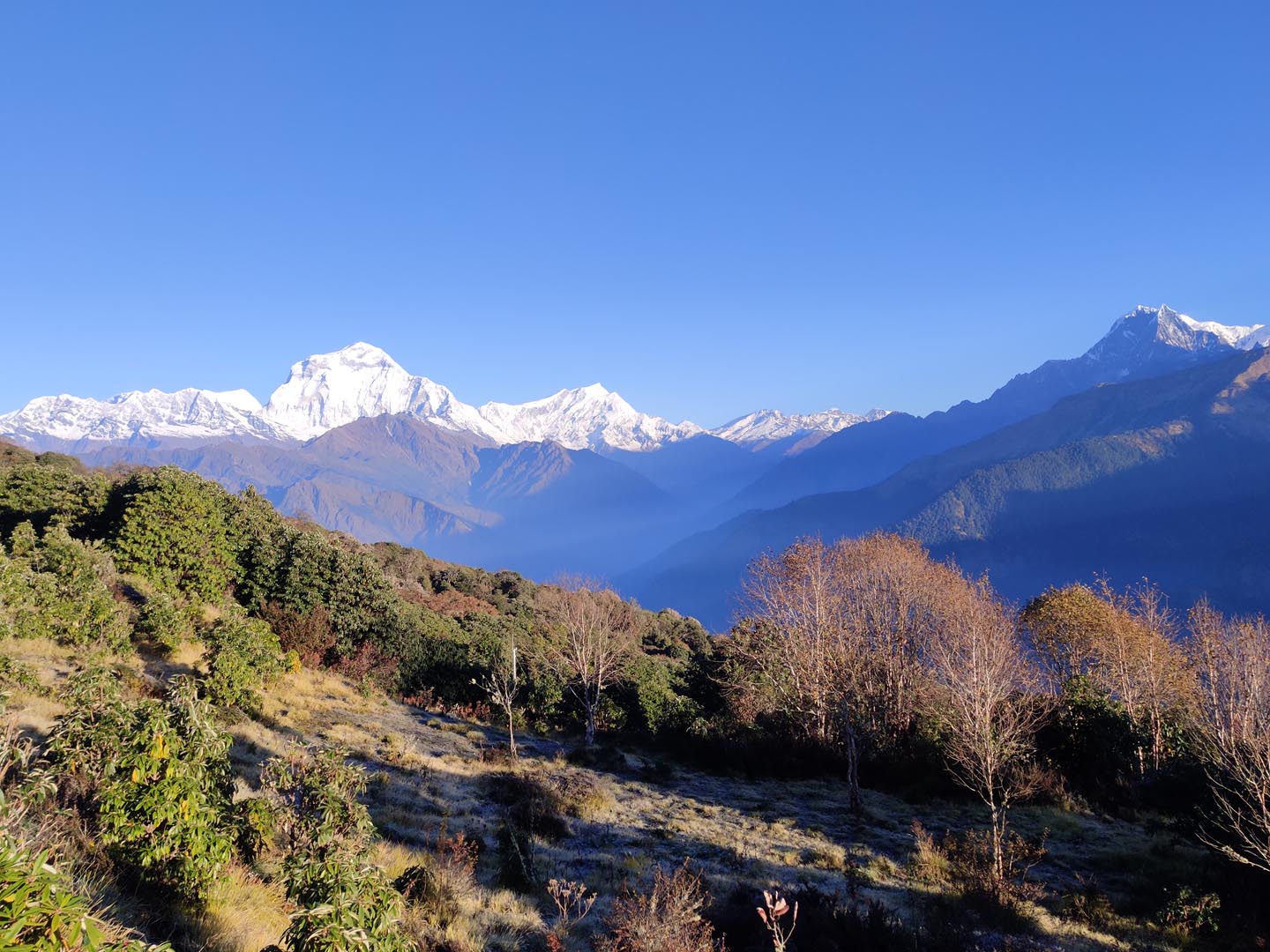
The Hilly region is particularly important for trekking because many popular trails pass through terraced fields, forests, suspension bridges, and traditional villages before gradually climbing toward higher mountain environments.
These trails are ideal for travelers seeking moderate-altitude or beginner-friendly trekking adventures while experiencing rural life and local culture.
The Terai Region
The Terai forms the southern lowland belt of Nepal, stretching along much of the border with India.
It is the country’s lowest and generally warmest geographical region, characterized by subtropical forests, fertile plains, wetlands, rivers, grasslands, wildlife habitats, and agricultural areas.
Although the Terai is not the main destinations for high-altitude trekking, it offers a completely different travel experience.
Several important national parks and wildlife areas are located here, providing opportunities for jungle safaris in Chitwan and Bardia National Park, birdwatching, and nature experiences.
For travelers combining a mountain trek with a wider Nepal itinerary, the Terai provides an opportunity to explore forests, grasslands, rivers, and wildlife before or after a mountain journey.
Nepal Trekking Seasons at a glance
| Season | Months | Ideal Activities | What to Expect |
| Spring | March-May | Trekking, peak climbing, rhododendron blooms, wildlife safaris, cultural tours | Comfortable weather and clear mountain views; visitor numbers increase |
| Monsoon | June-August | Rain-shadow trekking, photography, cultural experiences, lush landscapes | Frequent rainfall, possible landslides and flight delays, and muddy trails in some areas |
| Autumn | September-November | Trekking, clear mountain views, festivals, rafting, sightseeing | Peak tourist season; advance booking is recommended |
| Winter | December-February | Wildlife safaris, lower-altitude trekking, photography, peaceful travel | Cold temperatures at higher elevations and possible snowfall or closure of mountain passes |
Understanding Nepal’s Four Trekking Seasons
Nepal mainly experiences four distinct seasons. They are spring, monsoon (summer), autumn, and winter each offering its own landscapes, weather patterns, festivals, and travel experiences.
While spring and autumn are widely regarded as the most popular times to visit, every season has something unique to offer depending on your interests.
Understanding what each season brings will help you choose the perfect time for your adventure.
Spring Season (March to May)
Spring is one of the finest seasons to visit Nepal, especially for travelers seeking a blend of comfortable weather, breathtaking mountain scenery, and flourishing landscapes.
Temperatures range from 10°C to 25°C (50°F to 77°F) at lower elevations, while high-altitude regions typically experience daytime temperatures of -5°C to 10°C (23°F to 50°F), with nighttime temperatures often falling below freezing.
As one of Nepal’s peak travel seasons, popular trekking routes such as Everest Base Camp, Annapurna Base Camp, and the Annapurna Circuit attract a significant number of visitors.
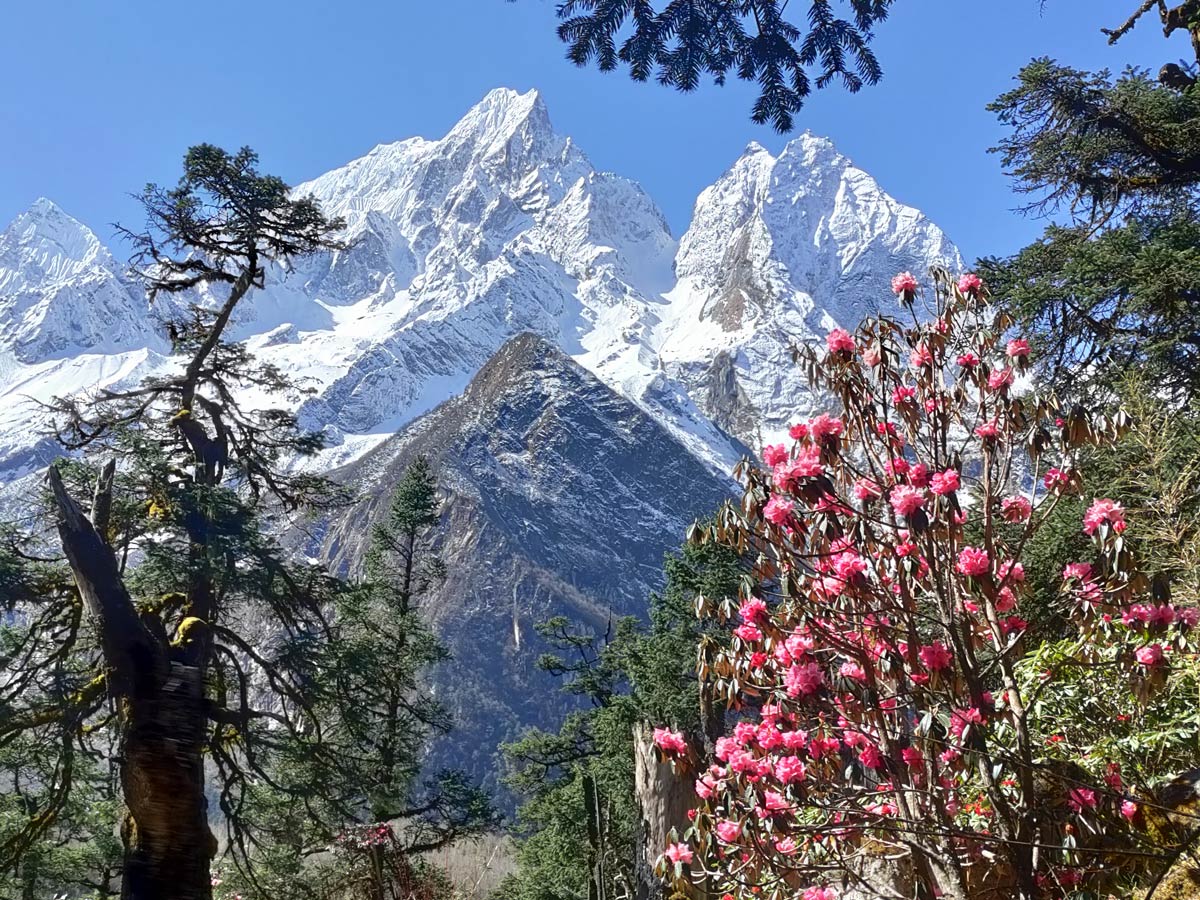
One of spring’s greatest attractions is the spectacular bloom of Nepal’s national flower, the rhododendron. In this alpine range, hillsides transform into vibrant shades of red, pink, and white, creating unforgettable trekking experiences.
The season also marks the beginning of Nepal’s major climbing period providing favorable conditions for expeditions attempting iconic Himalayan peaks, including Mount Everest, Ama Dablam and surrounding peaks.
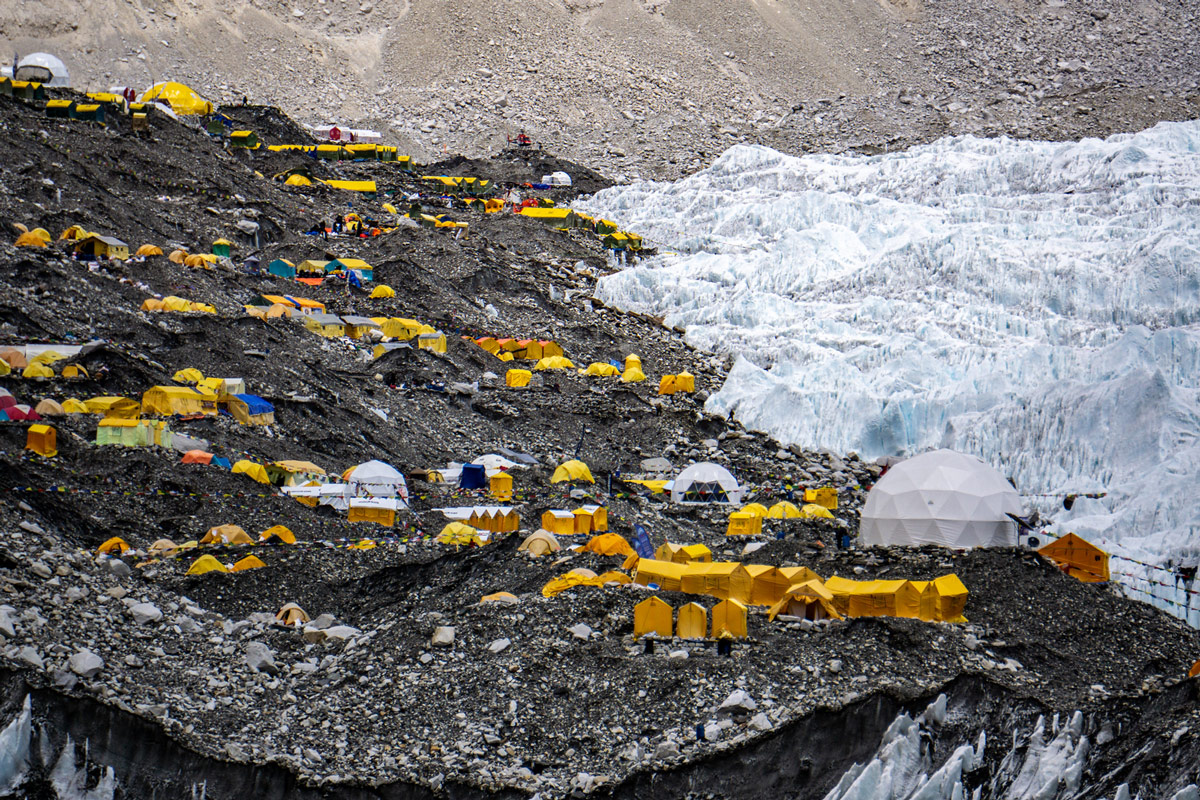
For trekkers who have an additional days to visit in Nepal, Spring is also equally rewarding for cultural travelers and festive celebration.
Cities like Kathmandu, Bhaktapur, and Patan offers pleasant daytime temperatures to explore ancient palaces, temples, and bustling local markets.
While festivals like Holi – the joyful festival of colors, and Buddha Jayanti – commemorating the birth of Lord Buddha, allow visitors to experience Nepal’s vibrant cultural traditions alongside local communities.
Why You Should Trek in Spring Season in Nepal
- Comfortable walking conditions: Temperatures across many lower and middle elevations are generally pleasant for daytime trekking.
- Rhododendron and wildflower blooms: Forests and hillsides become colorful, making spring especially attractive for nature lovers and photographers.
- Breathtaking mountain scenery: Clear periods can provide impressive views of the major Himalayan ranges.
- Best suited for high-altitude trekking: Many major routes become increasingly accessible as winter conditions ease.
Cons of Spring Trek in Nepal
- Increasing heat at lower elevations: By May, lower sections of some routes can become noticeably warm during the afternoon.
- Developing pre-monsoon clouds: Cloud formation can become more common as the season progresses.
- Remaining snow at high elevations: Some high passes can still hold substantial snow, particularly early in spring.
- Growing trail traffic: Popular routes become busier as the main trekking season develops.
Challenges of Spring Trekking
The biggest challenge is adapting to the changing conditions between lower and higher elevations.
A trekker may begin the day in warm sunshine and reach a much colder environment after gaining several thousand meters. High passes can also retain snow even when lower valleys are already warm and green.
Proper layering, suitable footwear, sun protection, hydration, and flexibility are therefore important, particularly on longer high-altitude journeys.
Best Experiences
- Rhododendron and Wildflower bloomings
- Peak climbing and expeditions
- Mountain photography
- High-altitude trekking
- Nepal’s Mountain passes
Recommended Spring Season Treks in Nepal
- Everest Base Camp Trek
- Annapurna Base Camp Trek
- Annapurna Circuit Trek
- Langtang Valley Trek
- Mardi Himal Trek
- Ghorepani Poon Hill Trek
- Manaslu Circuit Trek
- Kanchenjunga Trek
- Upper Mustang Tiji Tour
- Gokyo Lakes Trek
Monsoon/Summer Season (June to August)
During the monsoon frequent rainfall welcomes new life into forests, rice terraces, rivers, and waterfalls, turning the landscape into a vibrant tapestry of green.
The rainfall is heaviest in central and eastern Nepal, including destinations such as Kathmandu, Pokhara, and the Annapurna region.
For trekking, the monsoon presents both challenges and opportunities.
Trails in many regions become muddy and slippery, while occasional landslides and swollen rivers can affect transportation. Leeches are common on lower forested trails, particularly in humid areas.
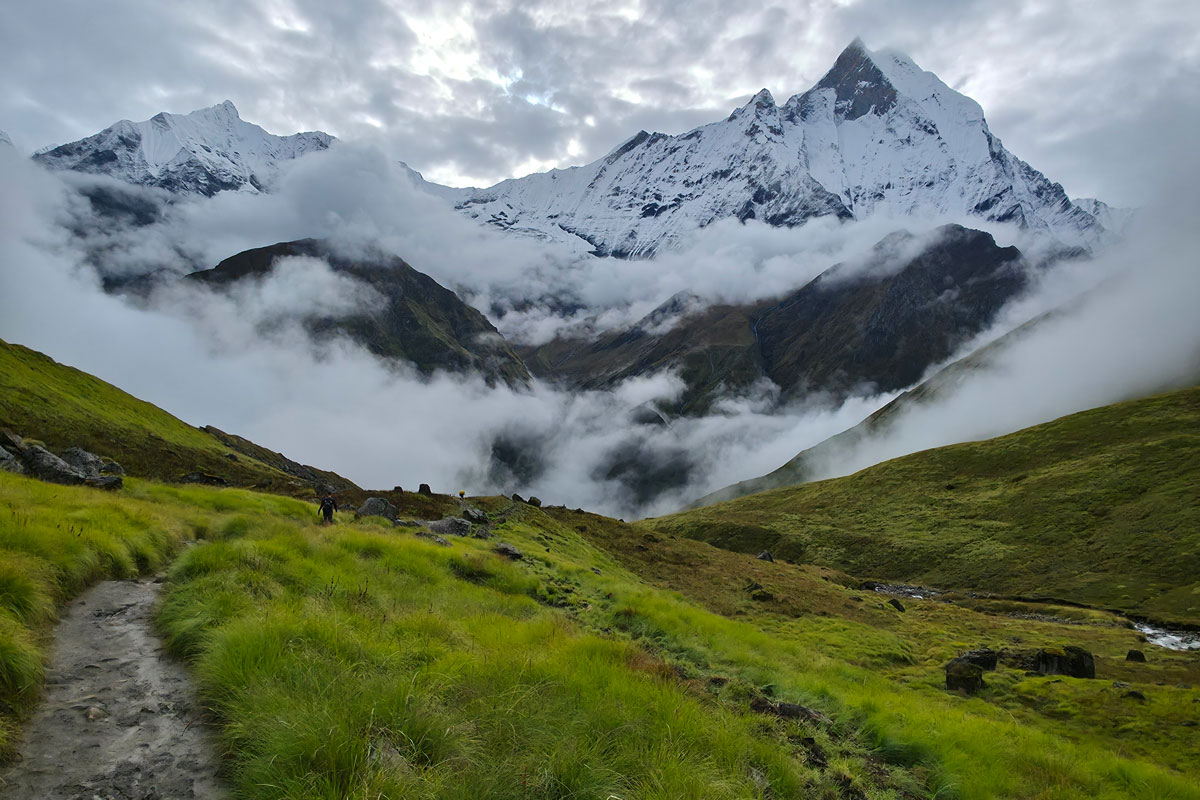
However, destinations located in the Himalayan rain shadow area such as Upper Mustang, Upper Dolpo, and parts of the Nar Phu Valley receive significantly less rainfall, making them some of the best trekking destinations during summer.
Their dramatic desert-like landscapes, ancient Tibetan culture, and relatively quiet trails provide an entirely different Himalayan experience.
Why You Should do Monsoon and Summer Trek in Nepal
- Fewer trekkers: Many popular routes become considerably quieter than during spring and autumn.
- Lush landscapes: Rain transforms hills, forests, terraces, and valleys into vibrant green environments.
- Powerful rivers and waterfalls: Increased water flow creates dramatic natural scenery.
- A quieter cultural experience: Fewer visitors can allow travelers more time to experience local communities and mountain life.
Cons of Monsoon and Summer Trek in Nepal
- Frequent rainfall: Wet weather can dominate many trekking routes.
- Muddy and slippery trails: Heavy rain can make walking more physically demanding.
- Reduced mountain visibility: Clouds and mist often hide the peaks.
- Leeches on lower trails: Wet Forest environments can bring an additional challenge for trekkers.
Challenges of Monsoon and Summer Trekking
Weather uncertainty is the principal challenge.
During monsoon, rain can affect trail conditions and transportation, while cloud cover can make mountain visibility unreliable. Trekkers should also allow additional time in their itinerary because delays are more likely during periods of heavy rainfall.
Waterproof clothing, protection for electronic equipment, appropriate footwear, and a flexible itinerary are particularly valuable during this season.
Best Experiences
- Rain-shadow trek in Upper Mustang, Dolpo, Nar Phu Valley
- Cultural and heritage sightseeing
- Exploring Kathmandu Valley’s UNESCO World Heritage Sites
- Traditional Nepali and local cuisine experiences
Recommended Destinations for Monsoon Trekking
- Upper Mustang region
- Upper Dolpo region
- Nar Phu Valley
Autumn Season (September to November)
If there is one season that perfectly showcases Nepal’s natural beauty, it is autumn. Stable weather, dry trails, and comfortable temperatures create ideal conditions across much part of the country.
Temperatures range from 10°C to 25°C (50°F to 77°F) at lower elevations, while high-altitude regions typically experience daytime temperatures of -5°C to 10°C (23°F to 50°F).
Due to its exceptionally clear views of the breathtaking Himalayas that attract travelers from around the world, Autumn is also widely regarded as the best time to visit Nepal for trekking, mountaineering, and exploration.
Tea houses reopen after the monsoon, mountain flights operate more reliably, and iconic trails including Everest Base Camp, Annapurna Base Camp, Langtang Valley, Manaslu Circuit, and Mardi Himal offer some of the year’s best conditions.
For travelers with wide itinerary, Autumn also rewards you an opportunity to experience coincides with Nepal’s biggest festivals, Dashain, and followed by Tihar, the festival of lights.
Why Autumn is the best trekking season in Nepal
- Excellent mountain visibility: Post-monsoon skies often provide outstanding views of the Himalayan ranges.
- Stable trekking conditions: Dry trails and generally favorable weather make long-distance trekking more comfortable.
- Moderate temperatures: Daytime conditions are suitable for extended walking across many elevations.
- Wide choice of routes: Autumn is suitable for most major trekking regions.
Cons of Autumn Trek in Nepal
- Crowded popular routes: Everest Base Camp and other famous trails can become busy.
- Busy teahouses: Accommodation can be in high demand during peak periods.
- Cold nights at higher elevations: Temperatures begin falling as November progresses.
- Less solitude: Travelers seeking completely quiet trails may find peak autumn too busy.
Challenges of Autumn Trekking
The main challenge is managing the popularity of the season. The stable weather means that many other travelers have made the same choice attracting visitors all over the world.
Those seeking quieter experiences may need to consider less crowded routes or travel during peak season.
Another challenge is that comfortable daytime temperatures should not create a false sense of security. Higher elevations can become extremely cold after sunset, particularly toward November.
Best Experiences
- Himalayan trekking and Luxury tours
- High-altitude trekking and Climbing
- Mountain photography
- Scenic mountain flights and Sunrise views
Recommended Treks
- Everest Base Camp Trek
- Annapurna Base Camp Trek
- Annapurna Circuit Trek
- Langtang Valley Trek
- Mardi Himal Trek
- Manaslu Circuit Trek
- Gokyo Lakes Trek
Winter Season (December to February)
Winter offers a completely different perspective of Nepal where temperature varies from 13°C in lowlands to -16°C in mountain region (55°F to 3°F) rewarding visitors with peaceful surroundings, crisp air, and some of the clearest mountain views.
Higher-altitude trekking routes can become challenging due to snowfall, and mountain passes such as Thorong La or Larkya La may temporarily close depending on weather conditions.
Trekking routes such as Ghorepani PoonHill, Mardi Himal, Helambu Trek, and shorter hikes such as Jamacho day hike around the Kathmandu Valley continue to attract trekkers around,
Why Trek in Winter Season in Nepal
- Fewer trekkers: Many trails become noticeably quieter after the autumn season.
- Clear winter skies: Sunny days can provide sharp and beautiful mountain views.
- Snow-covered landscapes: Fresh snow can transform mountain villages, forests, and ridges.
- Peaceful cultural experiences: Fewer visitors can create more opportunities for interaction with local communities.
Cons of Winter Trek in Nepal
- Cold temperatures: Nights can become extremely cold, especially at higher elevations.
- Snow on high trails: Snow can make high passes difficult or impossible to cross.
- Shorter trekking days: Limited daylight requires careful planning.
- Greater preparation required: Clothing and equipment become particularly important.
Challenges of Winter Trekking
The principal challenge of trekking in winter is dealing with cold and snow.
At high elevations, freezing temperatures, icy trails, snowfall, and strong winds can turn an already demanding trek into a serious undertaking such as high-altitude and mountain passes trekking.
Warm clothing, proper footwear, adequate sleeping arrangements, and a flexible itinerary are essential.
Best winter trekking experiences
- Lower-altitude trekking and hiking
- Cultural sightseeing and heritage walks
- Family-friendly holidays
Recommended winter treks in Nepal
- Ghorepani Poon Hill Trek
- Mardi Himal Trek (depending on snowfall)
- Langtang Valley Trek (with proper preparation)
- Helambu Trek
- Everest Panorama Trek
- Short Annapurna Trek
Spring vs Autumn: Comparing Two Best Trekking Seasons in Nepal
For travelers choosing between the two major trekking seasons, the decision often comes down to personal preference.
| Factor | Spring | Autumn |
| Months | March-May | September-November |
| Mountain views | Excellent, especially early | Usually exceptional after monsoon |
| Temperature | Mild to warm | Mild to cool |
| Flowers | Excellent,blooming | Limited compared with spring |
| Crowds | Moderate to high | High |
| High-altitude trekking | Very good | Excellent |
| Photography | Excellent | Excellent |
| Weather stability | Good, but clouds increase toward May | Generally more stable |
| Cultural experience | Festivals and spring landscapes | Dashain, Tihar and autumn atmosphere |
| Best for | Flowers, climbing atmosphere, warm conditions | Clear skies, classic Himalayan views |
If vibrant landscapes and rhododendron forests are your priority, spring may be the better choice. However, if your priority is crystal-clear Himalayan panoramas and stable trekking weather, autumn generally has more exposure.
Conclusion
Nepal offers a unique experience in every season, making the best time to visit largely dependent on your travel interests.
Spring brings blooming rhododendrons and vibrant mountain landscapes, monsoon reveals lush greenery and quieter rain-shadow trails, autumn delivers clear Himalayan views and stable trekking conditions, while winter offers peaceful trails and crisp mountain scenery.
Rather than following the peak season, choose the time that matches your preferred activities, weather, and style of adventure for a truly memorable Nepal journey.