


Popularly known as one of Nepal’s most iconic high Himalayan crossings and a defining highlight of the legendary Annapurna Circuit, Thorong La Pass has earned a strong reputation in the trekking world for its altitude and dramatic shift into diverse scenery.
Nestled at 5,416 m (17,769 ft), Thorong La Pass stands among the highest trekking passes in Nepal, and for many adventure seekers, it sits right at the top of the bucket list.

The journey to Thorong La Pass offers an extraordinary shift in scenery where trekkers experience diverse cultures, traditional mountain villages, and panoramic views of the Annapurna and Dhaulagiri ranges, making the crossing far more than just a physical milestone.
For those searching for the best high-altitude treks in Nepal, Annapurna Circuit highlights, or challenging Himalayan passes above 5,000 meters, Thorong La is often considered a “must-do” experience, an unforgettable highlight that adds real significance to the journey.
The combination of altitude, breathtaking scenery, and cultural immersion makes it one of the most rewarding trekking experiences in the Nepal Himalayas.
A Short History: Traders, Pilgrims, and a Himalayan Corridor
Long before the Annapurna Circuit became a global trekking classic, Thorong La was a practical lifeline to the people living in the region.
For centuries, local traders used this route to move between Manang and Mustang, carrying goods like salt, grain, wool, and everyday necessities across the mountains.
The trail was never the easiest line through the Himalayas, but it was one of the most meaningful, a corridor that kept communities connected across rugged terrain and big cultural shifts.
Today practice of teahouse trekking turned this historic crossing into significant high Himalayan pass that is achievable and every year thousands of trekkers enjoy this feat.
Thorong La’s Iconic Myths and Mountain lore
Every famous high pass has its own mythology. When you interact with locals, you will find a folklore often speaks of protective mountain spirits, guardians of the saddle, who test travelers not by strength, but by intention.
The message is simple in the mountains as we gain altitude. Those who move with humility, patience, and respect are more likely to be welcomed safely to the other side.
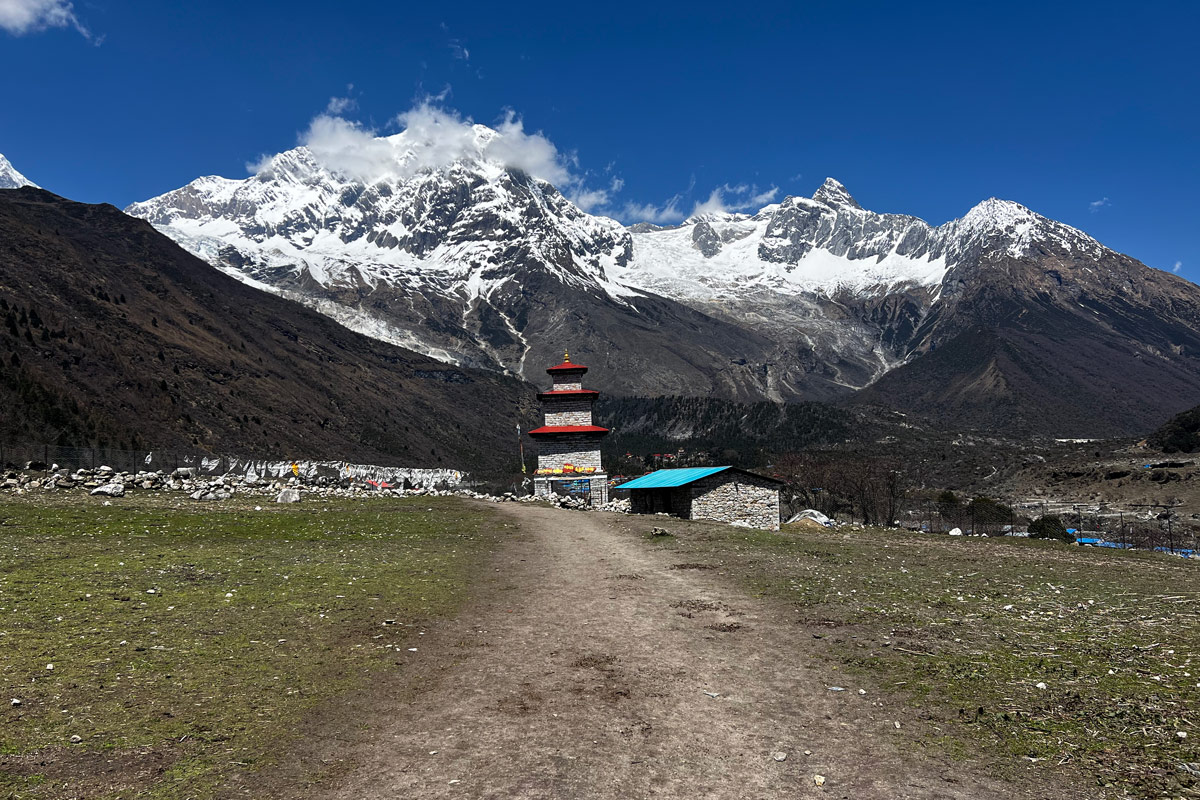
Along the journey, you’ll discover the language of protection everywhere, such as prayer flags, chortens and mani walls marking the way, and small sacred markers where people pause for reflection.
In addition, there’s also a popular trekking myth that Thorong La is “the highest trekkable pass in the world.”
Thorong La Pass at a Glance
Before we dive into the details about these majestic passes, here’s the quick Thorong La Pass overview:
- Elevation: 5,416m (17,769 ft), the highest point of the classic Annapurna Circuit
- Region: Annapurna (central Nepal)
- Classic Direction: Starting from Manang side, Thorong La, and eventually leading to Muktinath (Mustang side)
- Difficulty: Strenuous, however non-technical as no ropes are required. Carefulness is required due to high- altitude, cold, and long pass day
Where is Thorang La Pass?
Thorong La Pass sits in central Nepal, in the wider Annapurna region that’s famous for the Annapurna Circuit. Most trekkers reach the pass from the Manang side, then cross over and descend toward Mustang, often ending the day near Muktinath Temple.
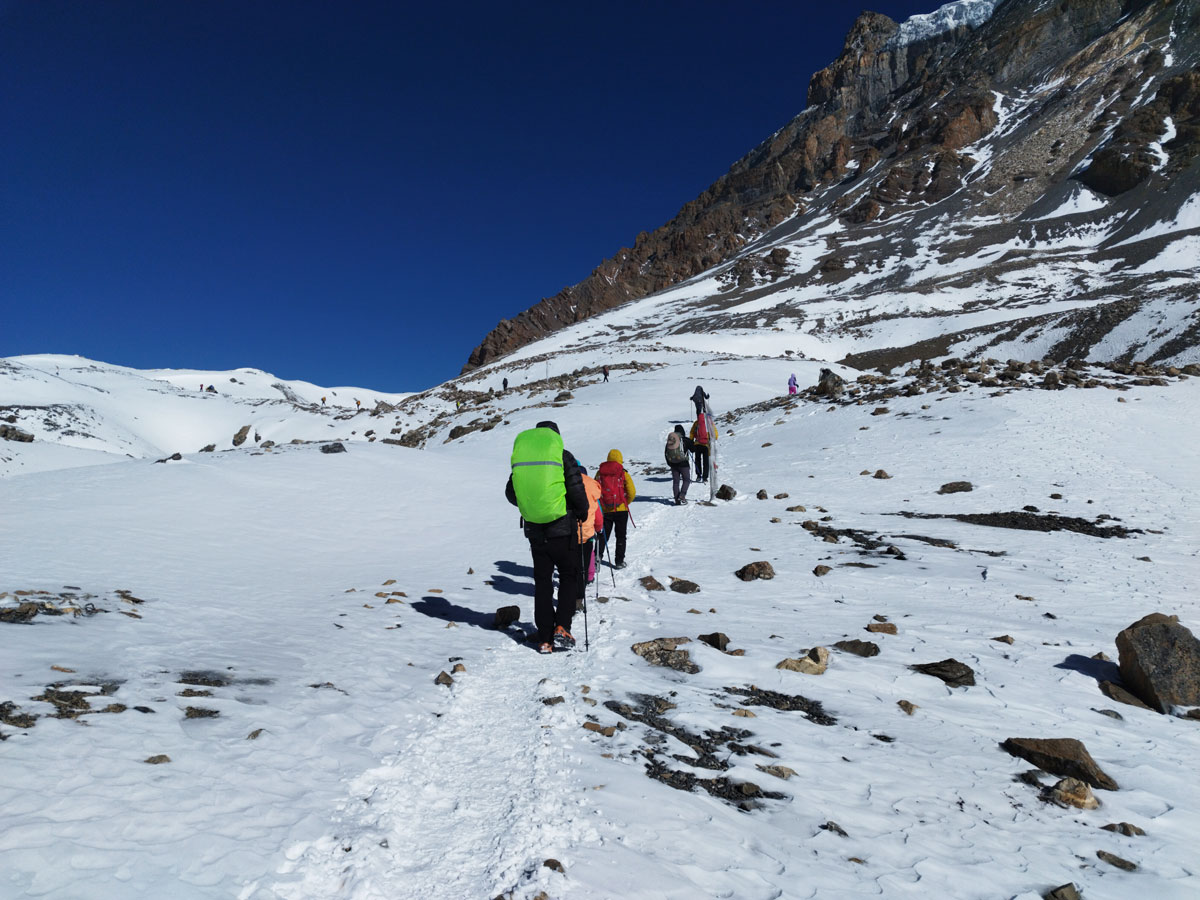
Even though the pass itself feels wild, exposed, and windy, the route around it is well-travelled because it lies directly on the main Annapurna Circuit corridor.
Geographically, Thorong La stands between the high valleys below the Damodar Himal range and the gateway into the religious sites in the Himalayas, Muktinath that connects Manang to Muktinath in one unforgettable crossing.
How to Reach the Dramatic Thorang La Pass
For your better overview, we have divided the journey into two phases for your bigger picture.
Initial Phase: The Smart Acclimatization Climb
To reach Thorong La Pass, you first need to get on the Annapurna Circuit trail.
Traditionally, the classic Annapurna Circuit trek began from Besisahar, but with road development, there are now multiple access points, and many modern itineraries start closer to the mountains often from Dharapani, Chame, or even further up the valley depending on time and logistics.
Your chosen starting point directly affects how many trekking days you’ll need before the pass, but the most common and most sensible approach still follows the Manang side for a smoother acclimatization build-up.
Most trekkers reach Thorong La by walking through a classic progression such as: Chame, Pisang, Manang, Yak Kharka, Thorong Phedi (or High Camp), Thorong La Pass, and Muktinath Temple.
This route isn’t just scenic, it’s widely considered the safest and most comfortable for altitude adaptation, because it gives your body the time it needs to adjust before you step onto the highest point of the trek.
Latter Phase: The High Himalaya Zone
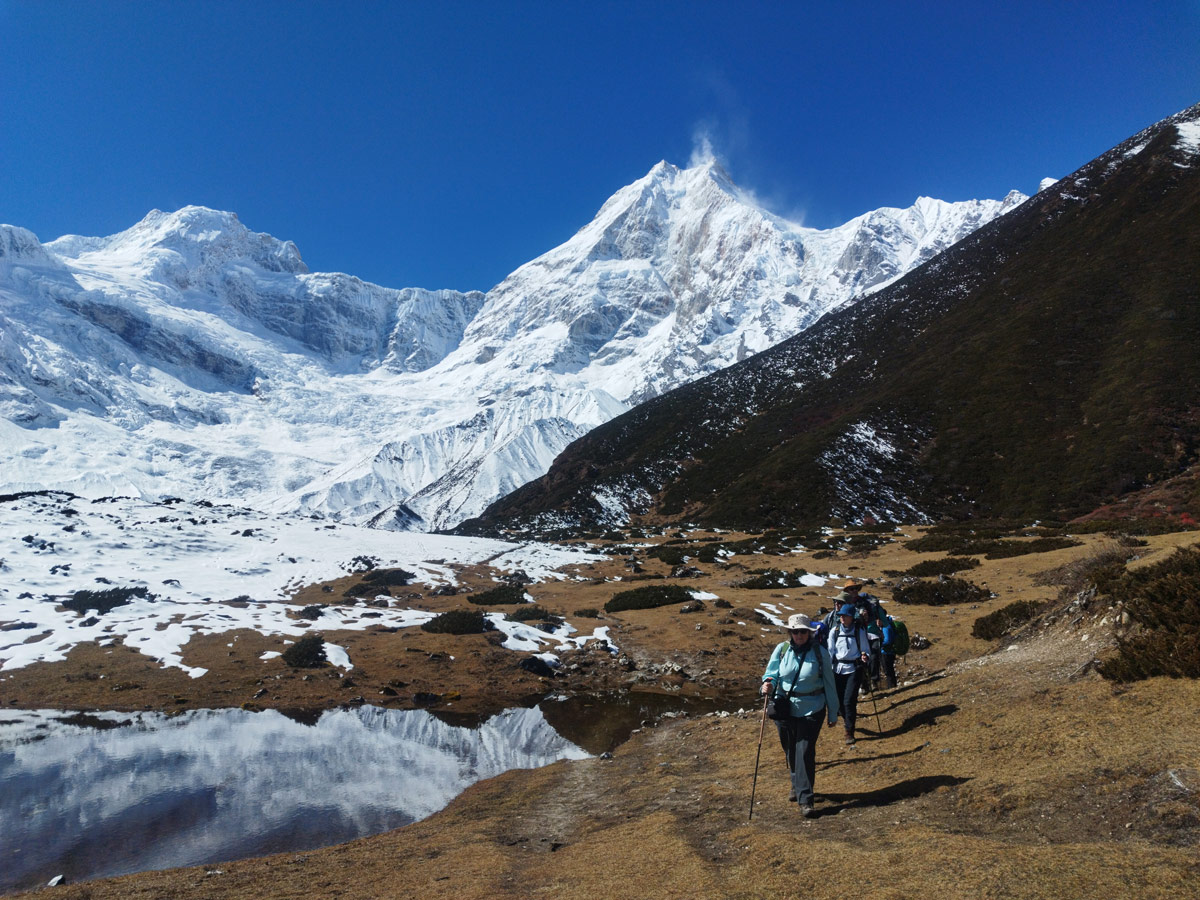
As you move beyond Manang, the air thins out and the landscape opens wide, trading forests and busy villages for long ridgelines, high yak pastures, and mountain faces that suddenly feel close enough to reach.
The trail commonly flows through Yak Kharka, a high grazing area where yaks often roam and, if you’re lucky, you might spot blue sheep far up on the slopes.
From this point, it genuinely feels like you’ve entered a new zone, the “high Himalaya zone”, where everything is quieter, more exposed, and more serious.
As the route climbs higher, you arrive at Thorong Phedi literally meaning the “foot of Thorong”, and it’s one of the most well-known overnight stops before the pass. It places you close enough for an early start, while still offering a slightly more comfortable sleep compared to higher elevations.
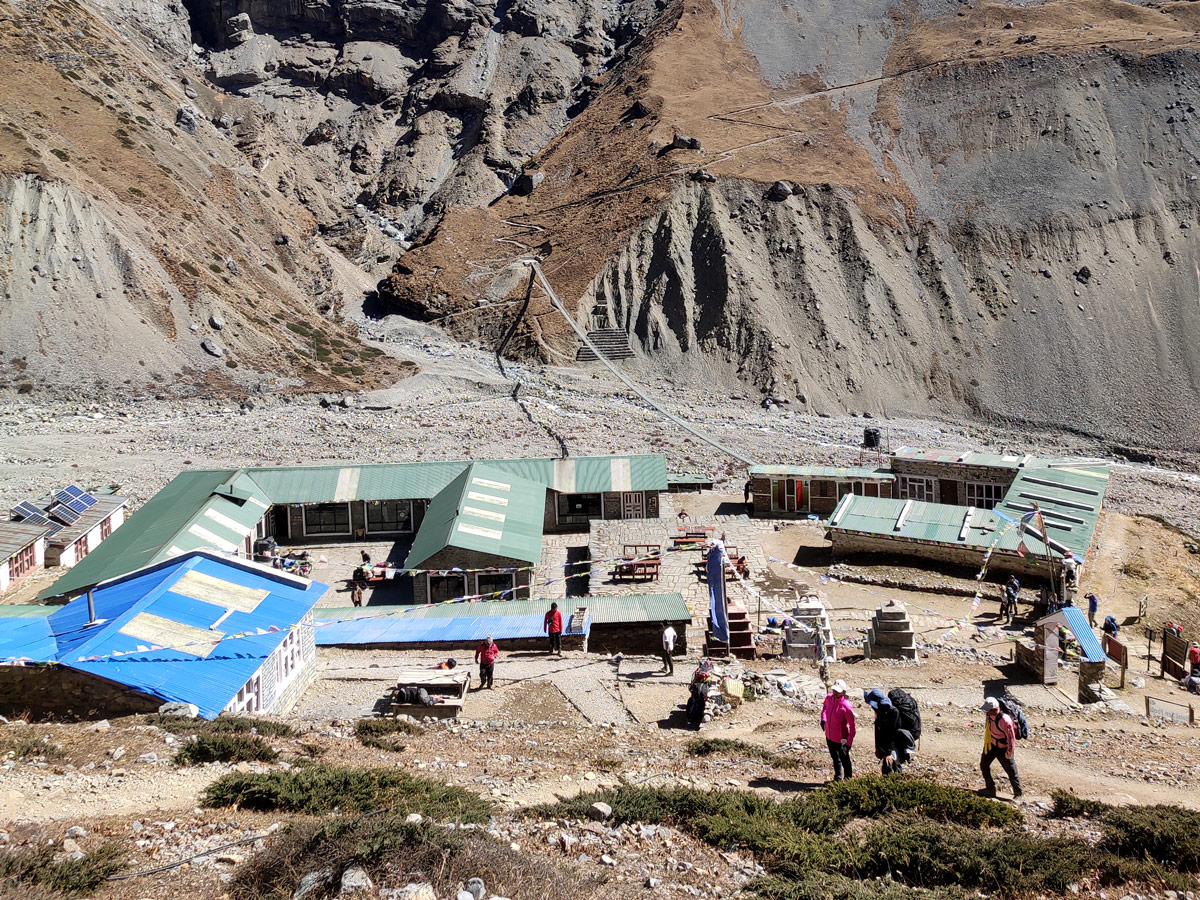
Some trekkers continue up to High Camp to shorten the pass day, but that extra altitude can make the night tougher, with lighter sleep and more restlessness.
Whichever option you choose, the evening before the crossing always has a distinct feeling.
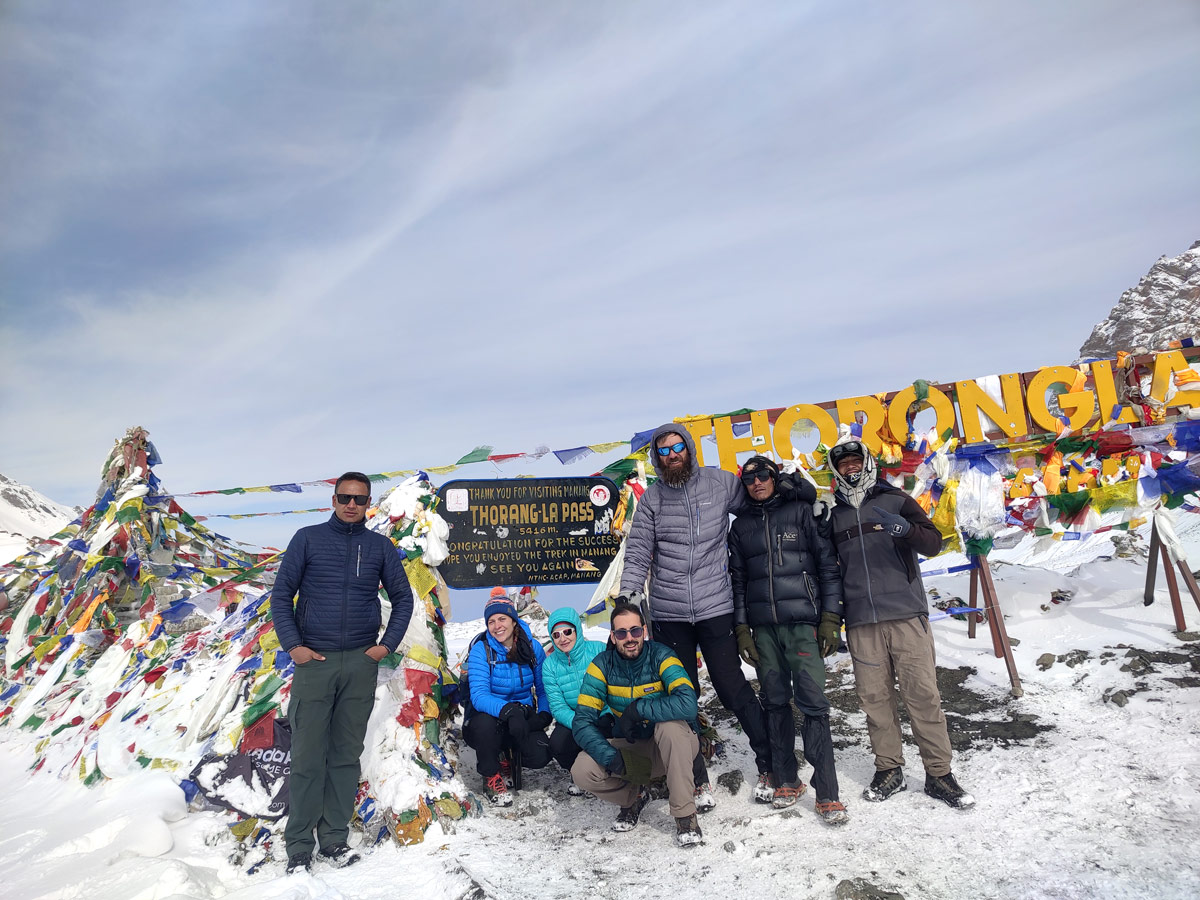
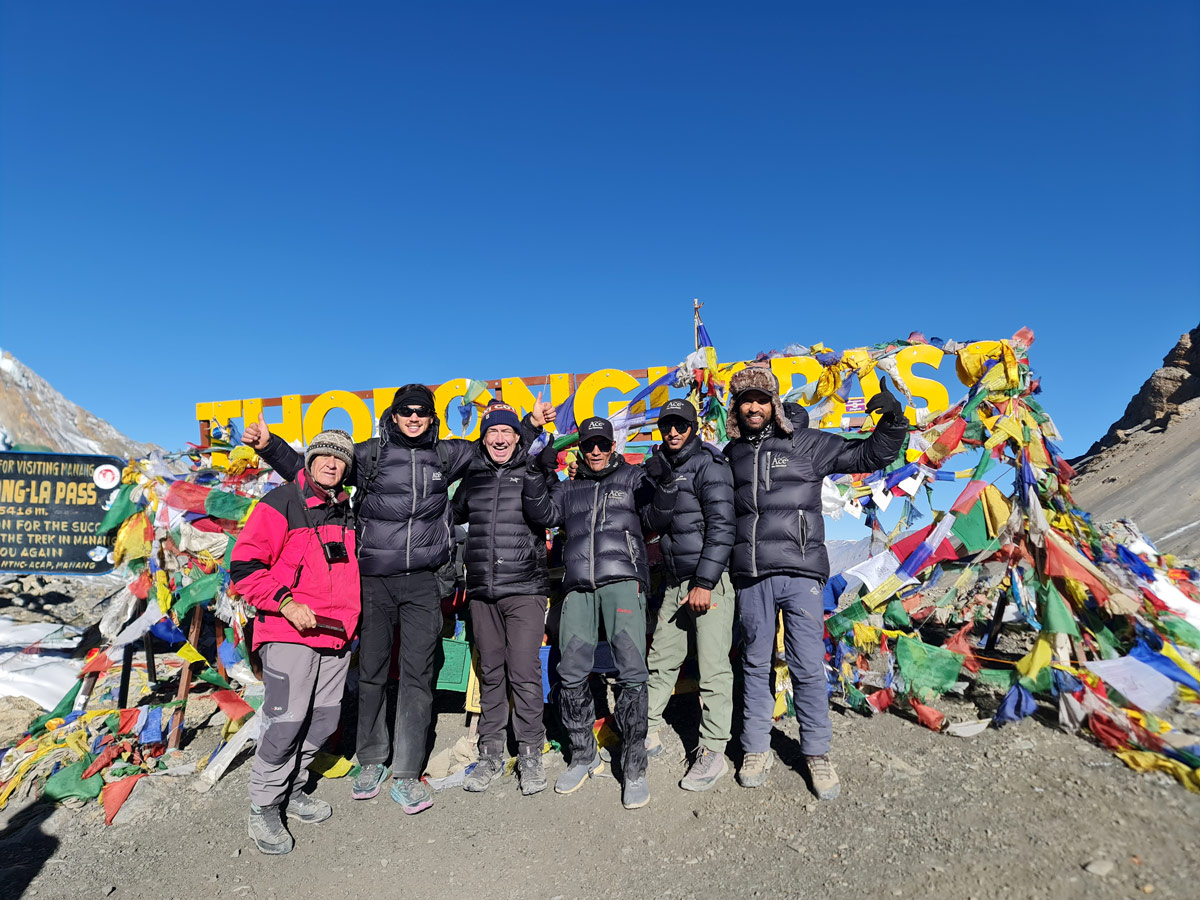
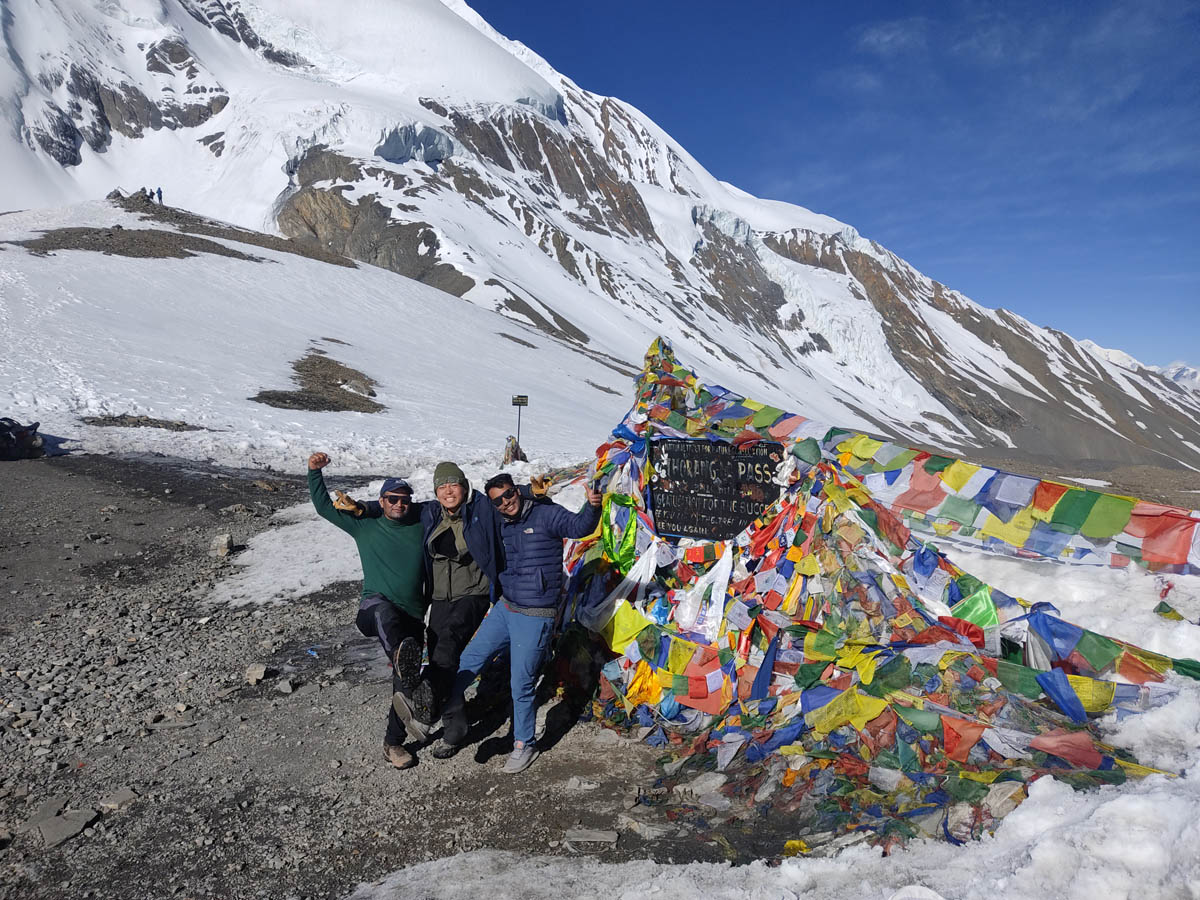
And then comes the moment every Annapurna Circuit trekker talks about, standing on the top of Thorong La. The pass is usually marked by prayer flags, small chortens, and a signboard.
Here, the mountain views stretch wide and dramatic, the wind often reminds you how high you really are, and the descent on the other side looks steep and endless.
Major Attractions of Thorang La Pass Crossing
Experience the Highest Point
Perched at 5,416 meters (17,769 feet), Thorong La is the highest point of the classic Annapurna Circuit route. Here you will experience high-altitude crossing that demands preparation, good pacing, and respect for the mountain environment.
The pass is typically crossed early in the morning when the weather is calmer, and the skies are clearer so when you reach the final moment, you will be able to witness mountains and arid-desert Himalayan landscapes blended together.
A Dramatic Shift between Manang and Mustang
What makes Thorong La truly special is not only the elevation, but the feeling of crossing from one Himalayan world to another.
Here, the pass connects the alpine valleys of Manang on the east side with the trans-Himalayan landscapes of Mustang on the west. On the Manang side, the trail climbs through high pastures and rugged mountain terrain, while the Mustang side begins to feel drier, wider, and almost desert-like.
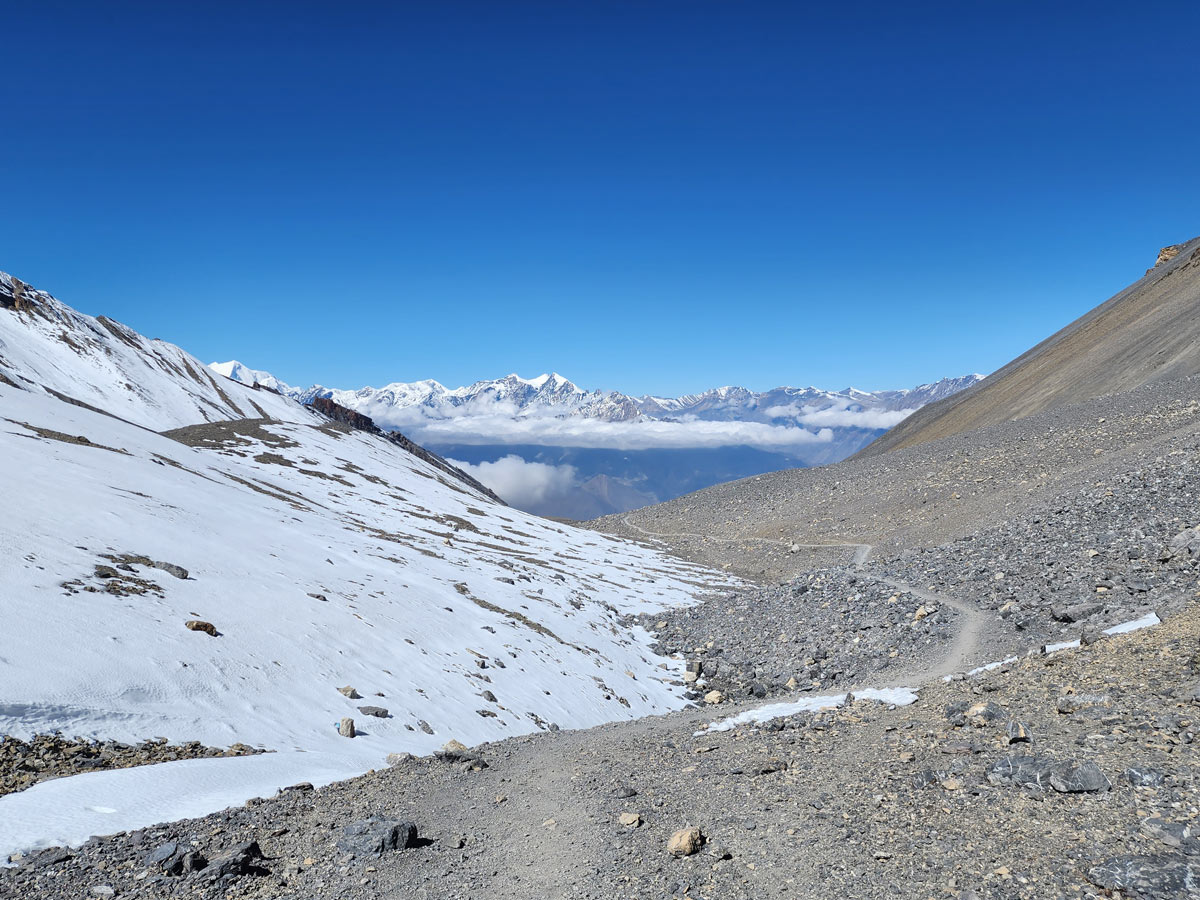
When you embark on the journey you will feel an instant shift in scenery, atmosphere, and mood that many trekkers describe as surreal.
Once-in-a-lifetime morning views
For many people, crossing Thorong La becomes the most memorable morning of the entire trek. On this day, you wake up before dawn while stepping out into freezing air under a sky full of stars, and begin hiking as the mountains slowly reveal themselves with the first light.
From the top, you will see the panorama opening up to sweeping Himalayan peaks and vast landscapes, often framed by chortens and fluttering prayer flags that give the pass a quiet spiritual presence.
Each year, thousands of adventurers complete this iconic section of the Annapurna Circuit, and when you consider the full Annapurna Circuit trek distance, the achievement of crossing Thorong La Pass feels even more significant.
Mountains Experience from Thorong La Pass
Another key attractions of the pass is the dramatic skyline around Thorong La which feels endless to the trekkers. Along the pass, you can often witness out some of Nepal’s most legendary mountains.
The most common visible Mountain giants include Dhaulagiri I (8,167 m/26,795 ft), Annapurna II(7,937 m/26,040 ft), Annapurna III (7,555 m/24,787 ft), Annapurna IV(7,525 m/24,688 ft), Tilicho Peak(7,134 m/23,406 ft) and Nilgiri(7,061 m/23,166 ft).
However, visibility depends on weather and season, but the high vantage point often gives you a rare, wide-angle view across the Annapurna massif and beyond. This is the perfect place to capture memories and experience the warmth of mountains along the journey.
A Photographer’s Paradise: Prayer flags, Glaciers, and Desert colors
Thorong La is a photographer’s destination for many trekkers because it’s cinematic by nature.
When you reach there you will witness the best cinematic mountain experience which often come from contrasts along with the first golden sunlight hitting snow.
This pass creates a story that doesn’t stop at the top. After the descent toward Mustang it will gives you a second visual world dry ridgelines, wide valleys, and the first hints of the trans-Himalayan desert palette.
If you’ve ever wanted a single trekking day that delivers both alpine drama and desert textures, this is it.
Sharing Moments with Strangers
One of the most surprising parts of Thorong La is how social it becomes without trying at the top.
In teahouses, you’ll share experience you’ve never met, share each other stories, moments, trade snacks, and laugh about how every moments suddenly feels like a mountain at altitude.
You’ll witness the best version of trekking culture when you see trekkers encouraging each other with humbleness and pride.
Witness Alpine silence in the Arid Himalayan Desert
If the summit of Thorang La pass feels like a spiritual high point, the descent will feel a geographic miracle.
As you descend toward Muktinath, the landscape begins to shift where your feel air growing drier, the colours shifting from alpine greys to dusty browns stone, and the valley lines start to resemble a breathtaking Himalayan desert.
This is one of the famous Manang-to-Mustang transition where in a single day you walk from high yak pastures into an arid, trans-Himalayan world.
Life Around Thorong La
You’ll notice the landscape shifting giving you perfect opportunities to understand and experience Thorang La pass in full prime. Along with a warm smile from locals, domestic and international trekkers exchanging their smile as you pass each other.
Understanding shift in yak herders moving through high pastures and locals using the corridor for movement and trade, It’s a reminder that this trail is both a trekking route and living pathway of the region.
Here supplies are carried up by porters and animals, enjoy breathtaking views while sipping hot beverages and warm morning meals, exchange stories and moments with trekkers and locals while respecting the way of the mountain
Preparation required for Thorong La Pass
Best Time to cross Thorong La Pass
If there’s one thing to get right, it’s picking the right time of year to go. You’ll want those incredible Himalayan views without having to battle freezing winds or extreme cold up high.
The best times for trekking Annapurna Circuit and crossing Thorong La Pass are generally Spring (March through May) and Autumn (from September to November).
During these months, the weather opens up where the skies are clearer, conditions are more stable, and you can actually see the stunning scenery you came for.
That being said, don’t expect it to be warm, especially if you’re crossing before sunrise, it’s going to be chilly.
But it’s generally much more manageable than winter (December to February), when snowstorms and bitter cold can make the trek much tougher, or even shut it down entirely.
Thorong La Pass Packing Essentials
Switching to the right gear is significant when doing high-altitude trekking. Your gear can make or break your pass day. Always keep it practical, warm, and layered. Some essentials you need are included below:
- Warm layering system (base layer + fleece + insulated jacket)
- Windproof and waterproof outer layer
- Well-broken-in trekking boots + warm socks
- Gloves, beanie, and neck buff
- Sunglasses and sunscreen (high UV at altitude)
- Trekking poles (very helpful on the descent)
- Headlamp (most crossings start before dawn)
- Power bank and spare camera batteries (cold drains battery fast)
- Water bottle/thermos + rehydration salts (optional but useful)
Tips for crossing Thorong La Pass Safely
- Train ahead of time: You need to build cardio and leg strength (stairs, hiking, cycling), and add stretching for recovery as the trek demands daily 4-6 hours of hiking.
- Take acclimatization seriously: Always focus on acclimatization to make your body adapt high in the Himalayas. Spend time in Manang area and follow a sensible ascent profile.
- Start early and pace slowly: One of the key points is successful trekking is through small, steady steps after you gain altitude after 3,000m+.
- Stay hydrated and eat regularly: Drinking plenty of water to avoid dehydration is one of successful trekking factor and focus on consuming high nutrient balanced diet food as eating low calories make altitude symptoms worse.
- Avoid alcohol before the pass: If you insist on consuming alcohol along the journey chances are it will increase dehydration and affecting your sleep and recovery.
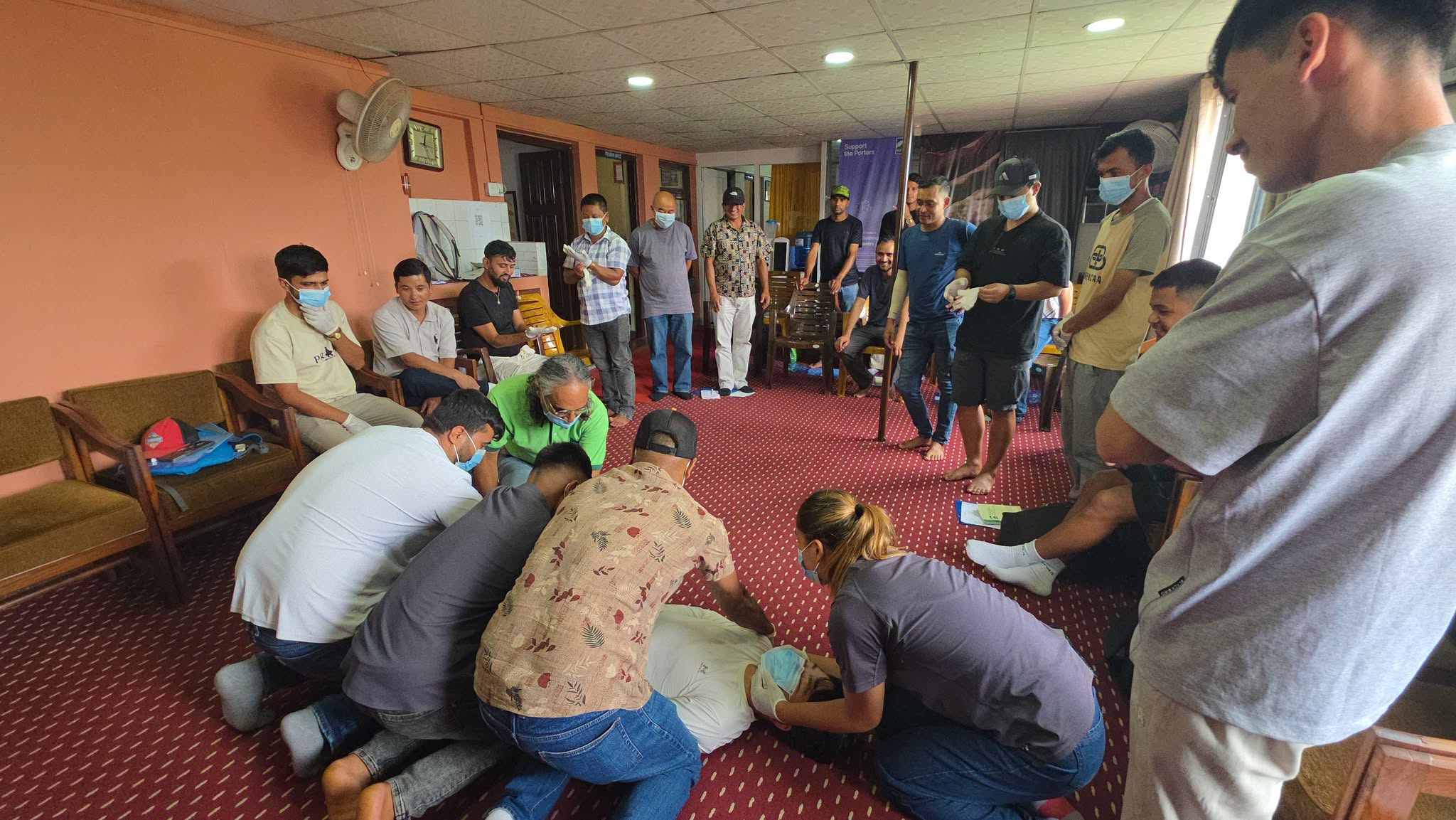
- Keep an eye on altitude symptoms: Remind yourself of daily health checkup as you enter high altitude zone symptoms like headache, nausea, dizziness, and unusual fatigue becomes common and should never be ignored.
- Get comprehensive travel insurance: Always make sure you include high-altitude trekking and emergency evacuation cover in case of requirement.
Conclusion
Thorong La Pass isn’t just a crossing, it’s the kind of life moment that stays with you, especially when you treat it as an experience rather than a task to tick off.
On the Annapurna Circuit, there are many highlights, but this one asks for patience: move in small, steady steps, let the sunrise meet you somewhere on the climb, take that classic summit photo, and then keep walking while your body is still warm.
Stay focused on the long descent, share those quiet, understanding nods with other trekkers, and when Muktinath Temple finally welcomes you in, give yourself time to recover because the adventure doesn’t end there, it simply changes its rhythm.