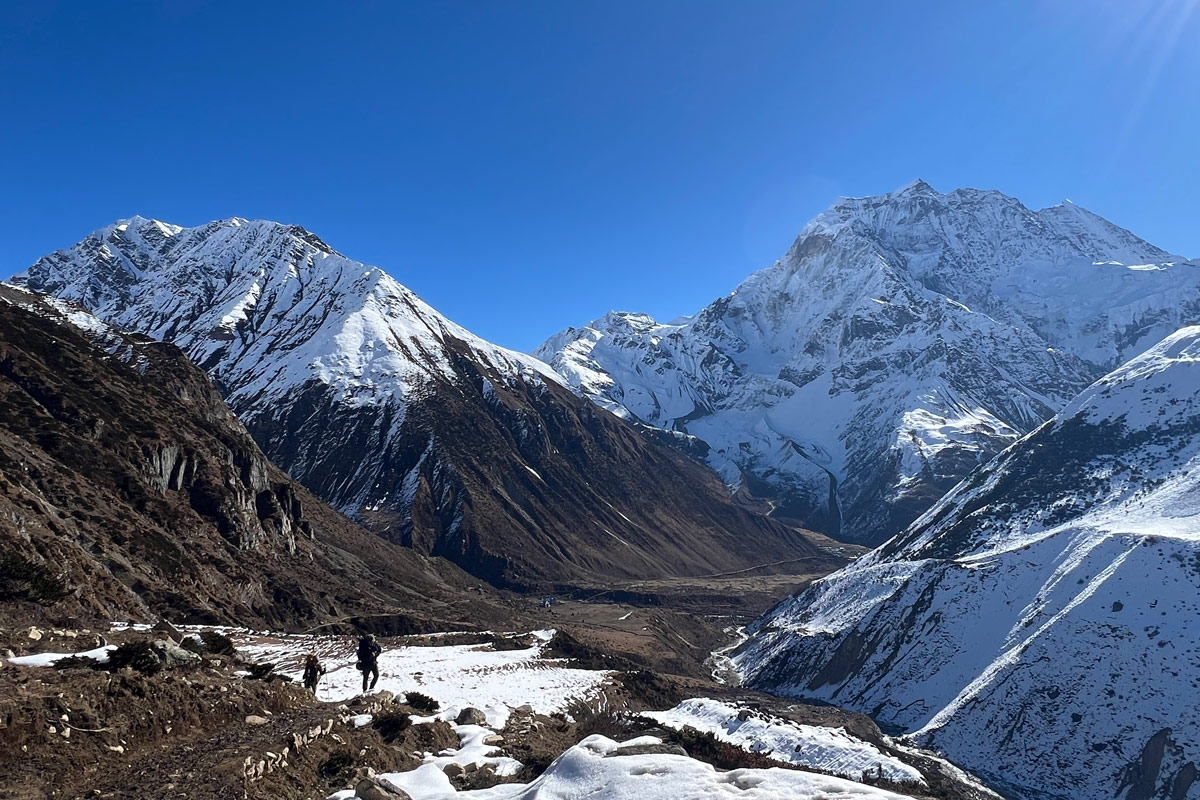



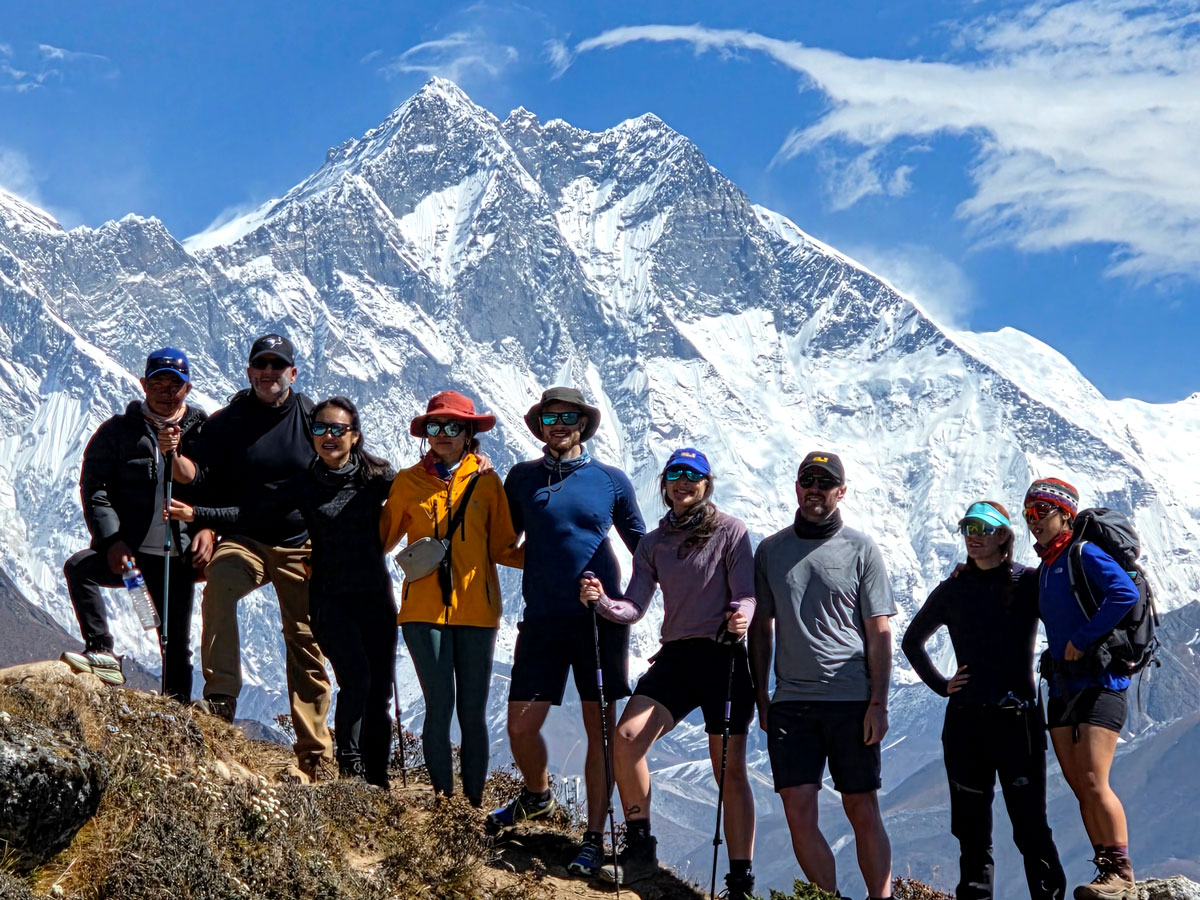
Nepal is a trekker’s paradise, where winding mountain trails lead through dramatic landscapes, traditional villages, ancient cultures, and some of the world’s highest peaks including Mt.Everest offering most unique trekking experiences in the world.
From the legendary trails of Everest Base Camp and the Annapurna Circuit to the peaceful valleys of Langtang, trekking in Nepal is not only reaching a destination but also experiencing Nepal, exploring the Himalayas life, encountering culture, and traditions.
But before setting off, there is one important decision to make. Should you trek independently, or join a group?
For some travelers, trekking is about freedom, the ability to walk at their own pace, resume, and shape each day as it comes.
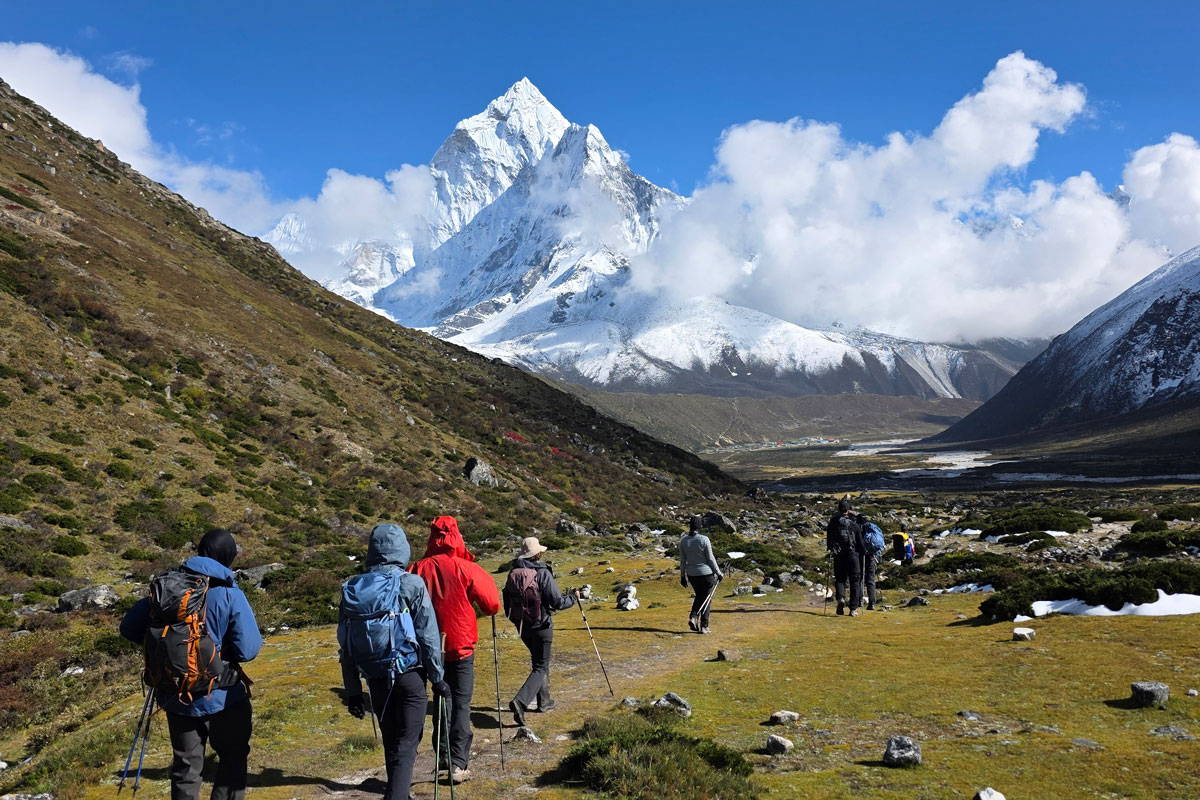
For others, the experience is better shared as walking with fellow travelers, relying on a local guide, and having much of the logistics arranged before the journey begins.
Hence, there is no single trekking style that suits everyone.
Your experience, chosen route, budget, preferred pace, comfort with uncertainty, and the current trekking regulations in Nepal all have a role to play.
So, which style suits you? And which approach makes more sense for your Himalayan adventure? Let’s explore the differences between solo and group trek in Nepal.
What does Solo Trekking in Nepal mean?
Solo trekking generally means traveling independently rather than joining a pre-arranged group.
You decide your daily rhythm, manage your own plans, and, where regulations allow, arrange your accommodation, meals, transportation, and other logistics yourself.
It is important to distinguish traveling solo from trekking without a guide. You can travel to Nepal alone and still join a group trek. You can also travel alone and hire a private guide.
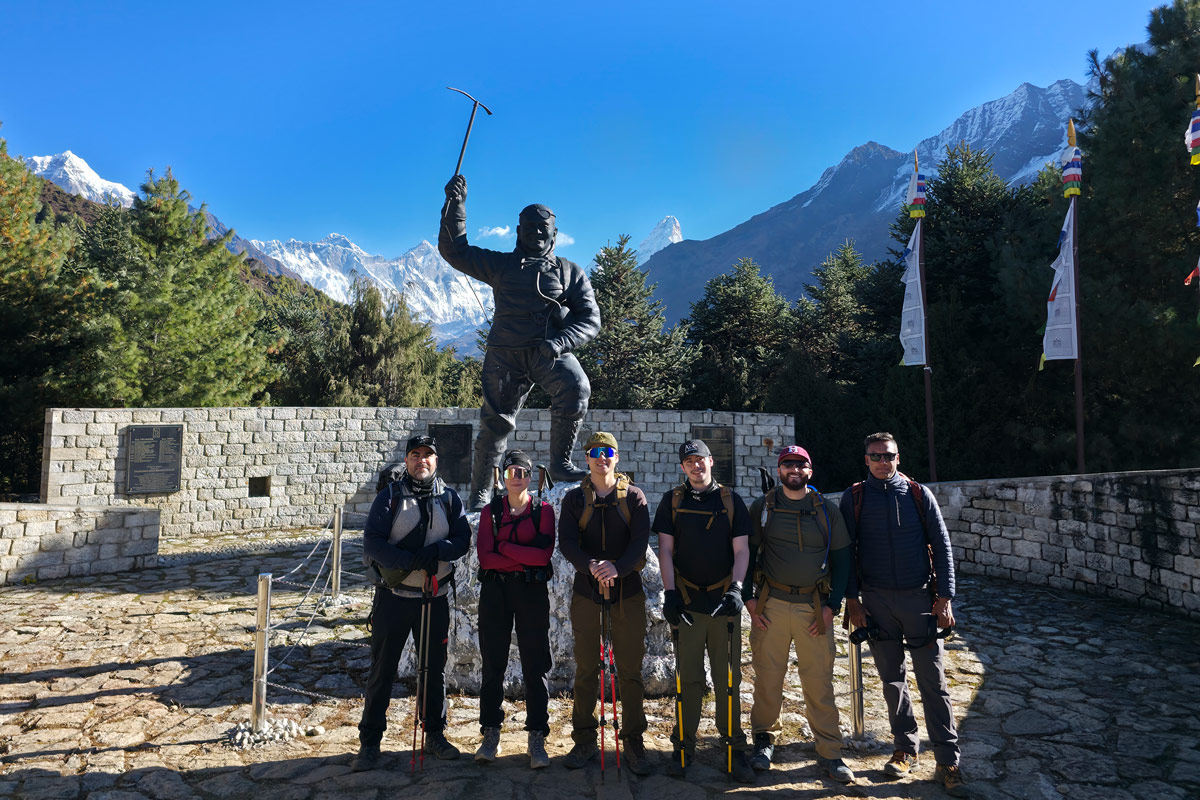
Likewise, on routes where independent trekking is permitted, you may choose to walk without a guide or porter.
That distinction matters because Nepal’s trekking regulations have changed significantly.
Under the revised TIMS provision effective from March 31, 2023, the Nepal Tourism Board lists numerous trekking routes where trekkers must be accompanied by a licensed trekking guide and obtain an agency-issued TIMS card.
The current list includes major routes in the Everest such as EBC, Gokyo Lakes Trek, Annapurna like Nar Phu Valley, Langtang, Manaslu, Kanchenjunga, Makalu and other regions.
So today, solo trekking is better understood as independent-style travel where it is legally permitted, rather than assuming that every popular Nepal trek can be done completely alone.
Advantages of Solo Trekking
Greater freedom on the trail
One of the biggest advantages of independent trekking is control. You can decide when to leave your teahouse, how long to stop for photographs, whether to take a rest afternoon, and how quickly to move through the lower sections of a route.
Flexible daily pace
For experienced hikers, flexibility can make the journey feel less like following an itinerary and more like discovering the mountains naturally.
Not everyone walks at the same speed. Some trekkers prefer long mornings followed by relaxed afternoons. Others enjoy starting slowly and arriving at their destination later in the day.
Potentially lower costs
Independent trekking can reduce guide and group-service costs where regulations allow it. You can choose simpler accommodation, manage your meals according to your budget, and arrange transport yourself.
However, this does not mean every solo trek is automatically cheaper. Permits, transportation, accommodation, food, insurance and equipment still add up.
A more personal trail experience
For travelers who enjoy solitude without a group around you, you may spend more time observing village life, sitting quietly beside a trail, photographing the landscape, or simply walking without conversation.
Disadvantages of Solo Trekking
You manage your own logistics
An independent trekker may need to arrange transportation, accommodation, permits where applicable, navigation, food planning and daily route decisions. On a long Himalayan trek, these small responsibilities can become tiring.
Navigation Becomes Your Responsibility
Popular trails are often well established, but conditions can change. Weather, landslides, construction, snow and temporary trail diversions can make navigation more complicated than expected.
Less support when plans change
A delayed flight, closed teahouse, bad weather or unexpected illness can quickly change a trekking itinerary.
Route restrictions
This is perhaps the biggest practical limitation today. Nepal’s current trekking regulations mean that independent foreign trekking is not available on many of the country’s major trekking routes.
What is Group Trekking in Nepal?
A group trek brings several travelers together, usually with a licensed local guide and, depending on the trip, porters or other support staff.
Groups may be scheduled departures, where you join other travelers you have never met, or private groups, where friends, families or couples travel together with their own guide.
The size and style of a group can therefore vary considerably.
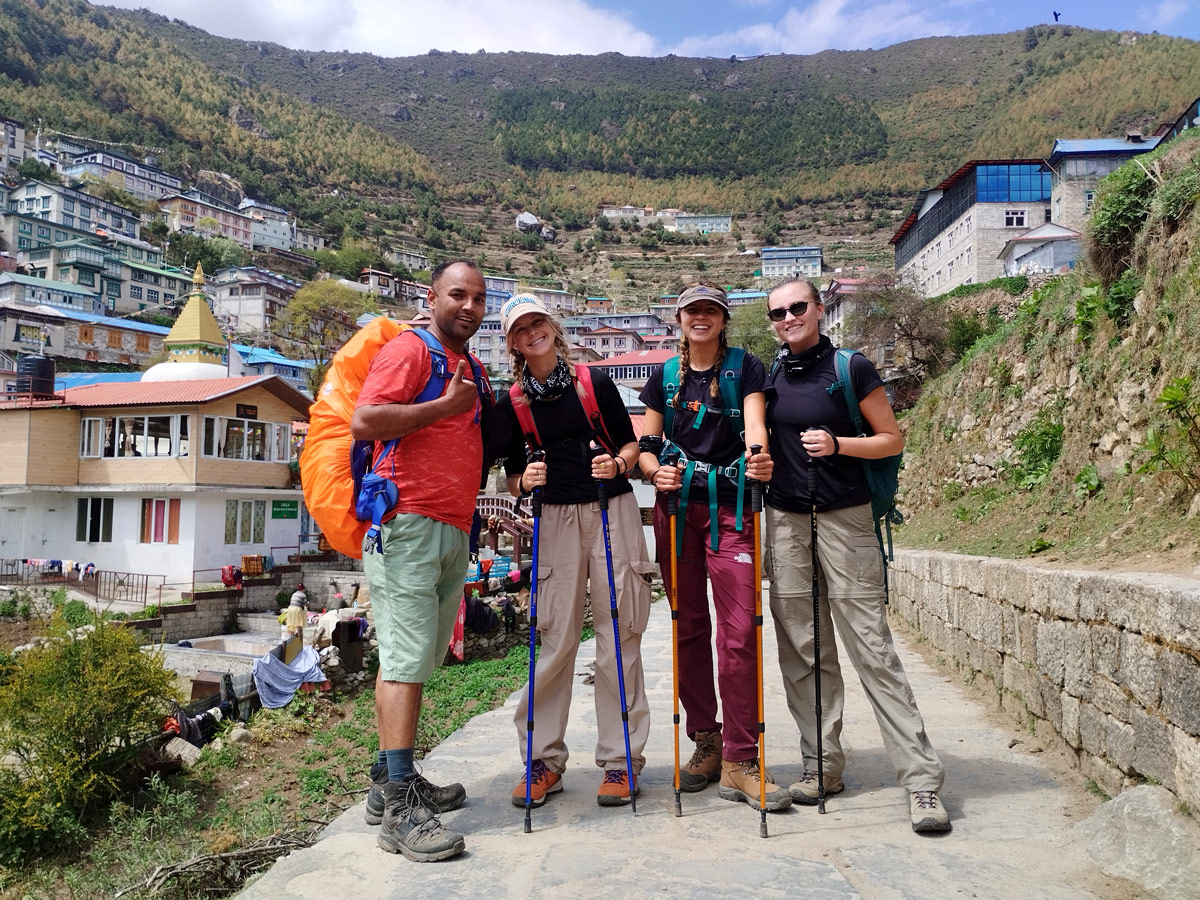
A small group of four people traveling with one guide can feel completely different from a larger commercial departure.
A group trek can also add a social dimension to the journey. The trekkers you meet at the beginning of the trek may become your companions for days, sharing meals, photographs, and difficult ascends.
Advantages of Group Trekking
Safety and local support
A group provides companionship on the trail, while a professional guide adds local knowledge and experience. This becomes particularly valuable on high-altitude routes where weather, navigation and acclimatization require careful attention.
Easier trekking logistics
A well-organized trek can take care of many details before you even arrive at the trailhead. Depending on the package, this may include:
- Trekking permits and TIMS
- Transportation
- Accommodation
- Guide services
- Porter services
- Meals
- Route planning
- Emergency coordination
Local knowledge
A good guide provides more than directions turning daily hike into a much richer cultural experience.
They can explain the landscape, introduce you to local customs, help communicate with teahouse owners, explain cultural traditions and offer context about the villages and communities you pass.
Meeting fellow travelers
Group trekking is also a social experience. As trekkers share sunrise walks, photographs, dinners in teahouses, and challenging mountain days from different countries which might become one of the most memorable parts of the journey.
Disadvantages of Group Trekking
Less flexibility over the itinerary
The main trade-off is control and flexibility. A group normally follows a predetermined itinerary.
If you want to spend an additional day in a particular village or walk significantly faster than everyone else, the group schedule may not accommodate it.
Higher overall cost
You are paying for professional services and convenience. Guide wages, permits, transportation, accommodation, porter services and agency management can make a group trek more expensive.
Different walking speeds
A group naturally contains people with different fitness levels and trekking experience. Some days may feel slower than you would prefer, while others may require you to adjust your pace to the group.
Fixed departure dates
Many group departures operate on scheduled dates.
If your travel dates are flexible, this may not be a major issue. But if you have only a few days available, finding a departure that matches your schedule can require some planning.
Solo vs Group Trek: Key Differences/Priorities
| Factor | Solo / Independent Style | Group Trek |
| Freedom & flexibility | More control over your daily routine, stops, and pace, where independent trekking is permitted. | Follows a planned itinerary, with decisions generally made around the group. |
| Cost | Can be more economical on permitted routes when you arrange services yourself. | Usually costs more because transportation, accommodation, guides, permits, and other logistics may be arranged as part of the trip. |
| Navigation | You are responsible for following the trail and making route decisions. | A guide generally handles navigation and keeps the group on the planned route. |
| Permits & regulations | You must understand and follow the requirements for your particular route. | The trekking agency generally handles the required permits and arrangements on your behalf. |
| Safety & emergency support | More responsibility falls on you, particularly when dealing with unexpected situations. | A guide and agency can provide additional support and coordinate assistance when needed. |
| Pace & daily routine | Greater freedom to walk at your preferred pace and spend more time at places that interest you. | Walking hours and rest stops are usually planned around the group’s pace and itinerary. |
| Companionship | Offers more solitude and personal space, although you can still meet other trekkers and locals along the trail. | Provides regular companionship and the opportunity to share the journey with fellow trekkers. |
| Local knowledge | You experience villages, landscapes, and traditions through your own observations and interactions. | A local guide can add context about Himalayan culture, history, religion, wildlife, and everyday life. |
| Accommodation | You have more control over where you stay when options are available, but you must make the arrangements yourself. | Accommodation is generally arranged in advance, making each day’s logistics simpler. |
| Emergency coordination | You take the lead in contacting local services and arranging assistance. | The guide or agency can help communicate with local providers and coordinate assistance. |
| Trail confidence | Best suited to travelers who are comfortable planning, navigating, and making decisions independently on permitted routes. | Suitable for travelers who prefer an experienced person to manage the route and day-to-day trekking logistics. |
| Overall experience | More private, self-directed, and flexible. | More organized, social, and supported. |
| Regulations | Whether you can trek without a guide depends on the route and current regulations. | An organized guided arrangement can help meet applicable guide and TIMS requirements. |
| Best suited to | Experienced travelers who value independence and are choosing a route where independent trekking is legally permitted. | Travelers who value structure, local support, companionship, and simpler logistics. |
Best Treks for Solo-Style Travelers
For travelers who prefer the freedom of exploring on their own, shorter and lower-altitude walks can offer a more independent experience where regulations permit. These may include:
- Short hikes around the Kathmandu Valley
- Day hikes like Jamacho hike and scenic walks
- Selected lower-altitude hiking routes
- Trails outside the mandatory guide and TIMS requirements
Here are some of the best trails for solo trekking in Nepal:
Short Annapurna Base Camp Trek
A shorter journey into the Annapurna Sanctuary, offering dramatic mountain views, traditional villages, and a taste of the classic short ABC experience.
Poon Hill Trek
Known for its best place to views sunrise in Nepal especially over the Annapurna and Dhaulagiri ranges, this trek combines beautiful mountain scenery with charming Gurung and Magar villages.
Langtang Valley Trek
Known as beginner friendly treks in Nepal ,this scenic trail follows the Langtang Valley trek towards the high Himalayas and offers a rewarding blend of mountain scenery, Tamang culture, and natural beauty within a manageable trek itinerary.
Mardi Himal Trek
Mardi Himal trek offers quieter Himalayan adventure that climbs through lush forests and alpine landscapes toward viewpoints overlooking Machhapuchhre, Annapurna South, and the surrounding peaks.
Best Treks for Group Travelers
The current NTB list includes the below destination among routes requiring a licensed guide and agency-issued TIMS along with some if the region requiring Restricted-Area Permit (RAP)
Popular examples include:
Everest Base Camp
The legendary Everest Base Camp Trek takes you through the heart of the Khumbu, passing Sherpa villages, Buddhist monasteries, suspension bridges, and spectacular Himalayan viewpoints.
Annapurna Circuit
The Annapurna Circuit is known for its remarkable variety, taking trekkers from subtropical valleys and terraced farmland to high mountain landscapes around iconic Thorong La Pass.
Manaslu Circuit
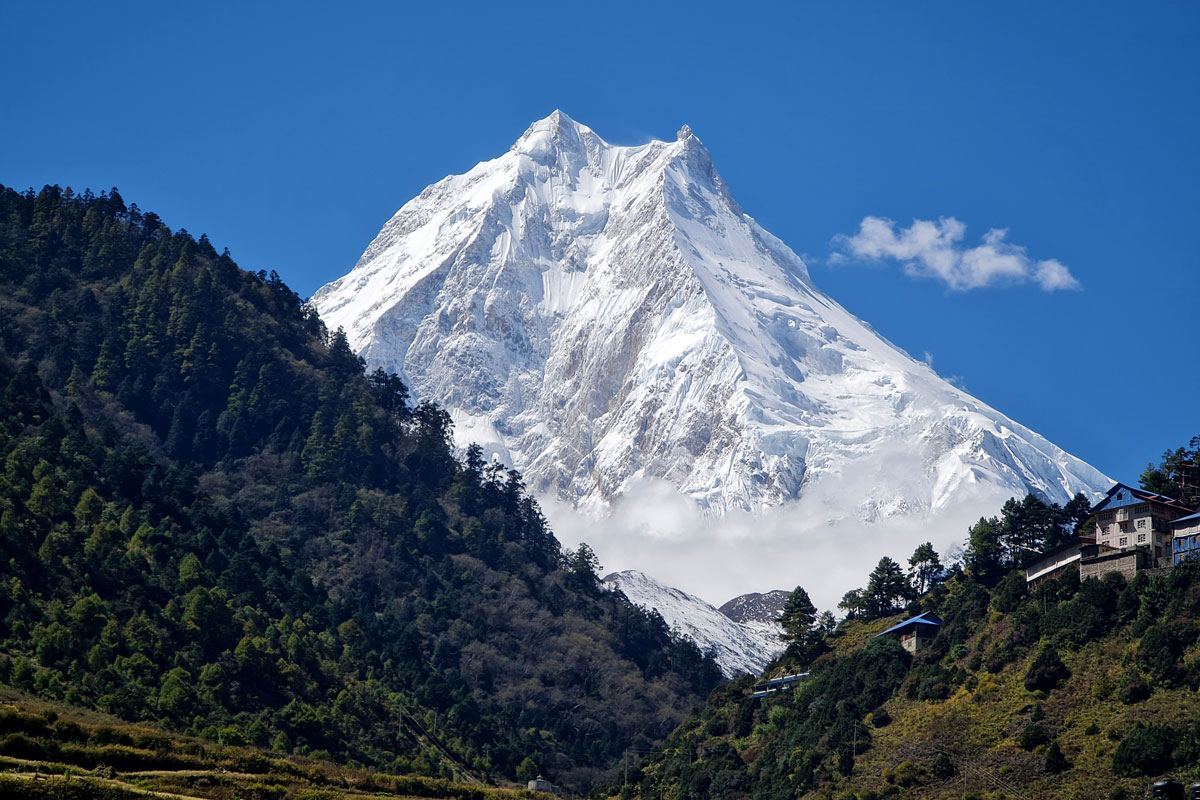
With restricted-area regulations, the Manaslu Circuit travels around the world’s eighth-highest mountain.
The trek combines remote mountain scenery with traditional villages and Tibetan-influenced culture while venturing to one of the high mountain passes of Nepal, Larke La Pass.
Upper Mustang
Upper Mustang is a restricted trekking area with its own permit system.
The trek takes you into the remote landscapes of the former Kingdom of Mustang, with unique barren cliffs, ancient caves, monasteries, and distinctive Tibetan-influenced villages.
Kanchenjunga
The Kanchenjunga Base Camp region leads into the remote eastern Himalayas toward the base camps of Kanchenjunga, the world’s third-highest mountain.
Dolpo
Upper Dolpo Trek offers an extraordinary journey through one of Nepal’s most isolated regions, with high passes, turquoise lakes, barren valleys, and ancient Tibetan Buddhist traditions.
Solo vs Group Trekking: Main Preference
For First-Time Trekkers
Your first Himalayan trek can feel very different from your first ordinary hiking trip. You may need to consider altitude, weather, accommodation, permits, transportation and long walking days at the same time.
For a first-time trekker, joining a group or arranging a private guided trek can reduce the amount of logistics you need to manage yourself. That does not mean every beginner needs a large group.
A private guide can provide support while allowing considerably more flexibility. Your previous hiking experience, chosen route and comfort with independent decision-making should all be considered.
For Women, Families and Older Travelers
There is no single trekking style that automatically suits every woman, family or older traveler.
The more useful questions are practical ones:
- How demanding is the route?
- How comfortable are you with long walking days?
- How much flexibility do you need?
For families, a private trek can make it easier to adjust walking distances and rest days. For older travelers, route selection and acclimatization may matter more than simply choosing between solo and group travel.
For women traveling alone, joining a group or hiring a private guide can provide additional companionship and logistical support, while experienced travelers may prefer a different arrangement on routes where independent travel is permitted.
The Hybrid Option – Private or Small-Group Trek
You do not necessarily have to choose between walking completely alone and joining a large group. There is a third option that is a private or small-group trek.
This can combine some of the best aspects of both approaches.
Private trek
You travel with your own guide, and possibly a porter, while keeping greater control over your itinerary.
Small-group trek
You travel with a few other people, giving you companionship without the feel of a large tour.
By considering this option, you can have local guidance, more flexible pacing, easier communication, shared experiences, personalized attention, and greater control than a large group departure.
For couples, families and friends traveling together, a private trek can be particularly convenient.
Solo vs Group Trek: Choosing a Right Trekking Option
An independent-style trek may suit you if you:
- Enjoy managing your own travel arrangements.
- Prefer solitude and personal time.
- Like making spontaneous decisions.
- Have relevant trekking experience.
- Are comfortable with navigation and logistics.
- Are choosing a route where independent trekking is permitted.
A group trek may suit you if you:
- Are trekking in Nepal for the first time
- Prefer having a guide and organized logistics
- Want to meet other travelers
- Are unfamiliar with Himalayan trekking
- Prefer having accommodation and transport arranged
- Want additional local cultural interpretation
- Are traveling on a route where a guide is required.
A private or small-group trek may suit you if you:
- Want a guide without joining a large group.
- Prefer a more personalized itinerary.
- Are traveling as a couple, family or group of friends.
- Want support while retaining some flexibility.
The important thing is to choose the trekking style that fits the route and your travel priorities, rather than choosing based on price alone.
Conclusion
There is no single way to experience the Himalayas of Nepal. Both solo and group trekking in Nepal rewards trekkers with once-in-a-lifetime experiences.
For some trekkers, the appeal of traveling independently lies in having greater freedom. For others, trekking with a group offers a reward like having a local guide and organized logistics.
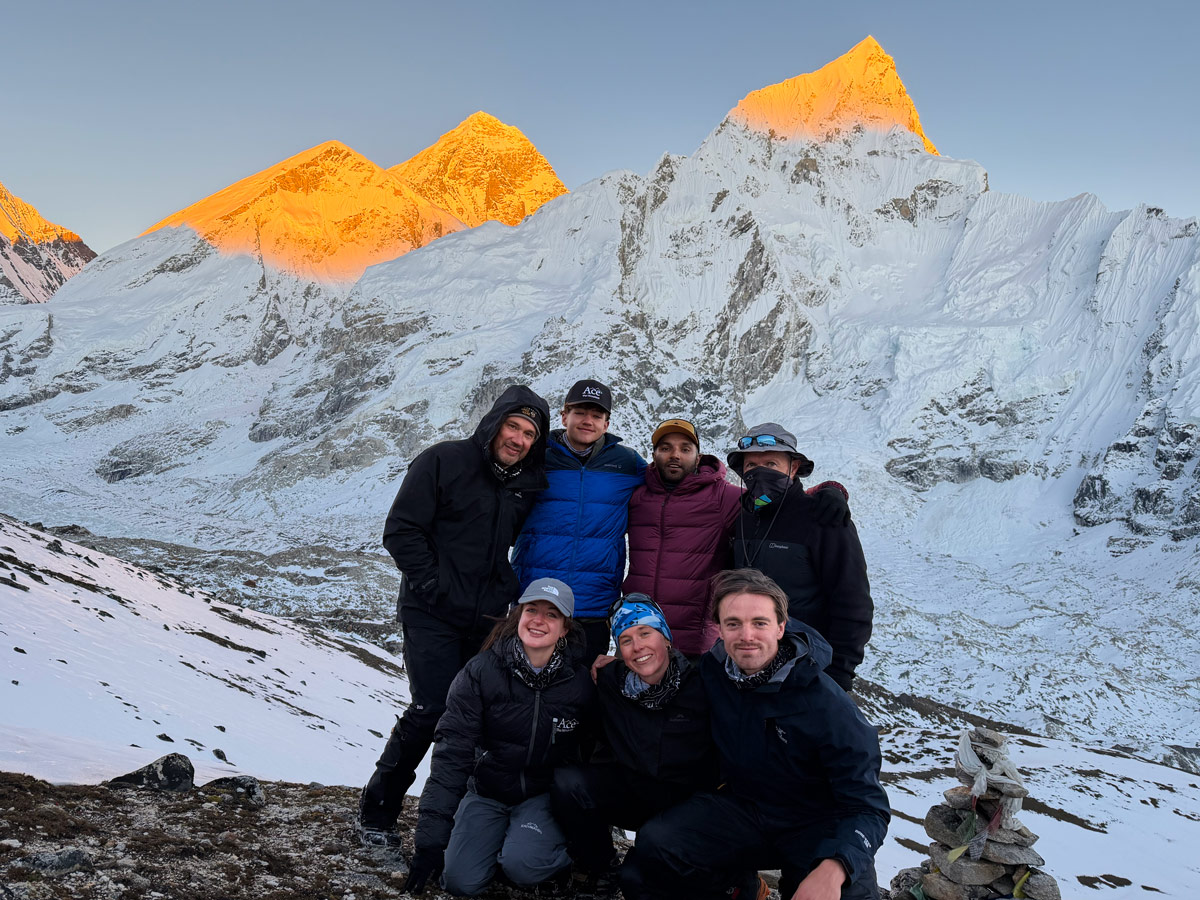
There is also a middle ground. A private trek or small-group journey can combine professional support with greater flexibility and a more personal atmosphere.
Ultimately, your choice depends on the route, current trekking regulations, experience, budget, preferred pace, and the kind of experience you want from Nepal.
Whichever style you choose, prepare responsibly, respect local communities and the environment, and give yourself time to enjoy the trail. Because in the Himalayas, the journey is just as important as the destination.