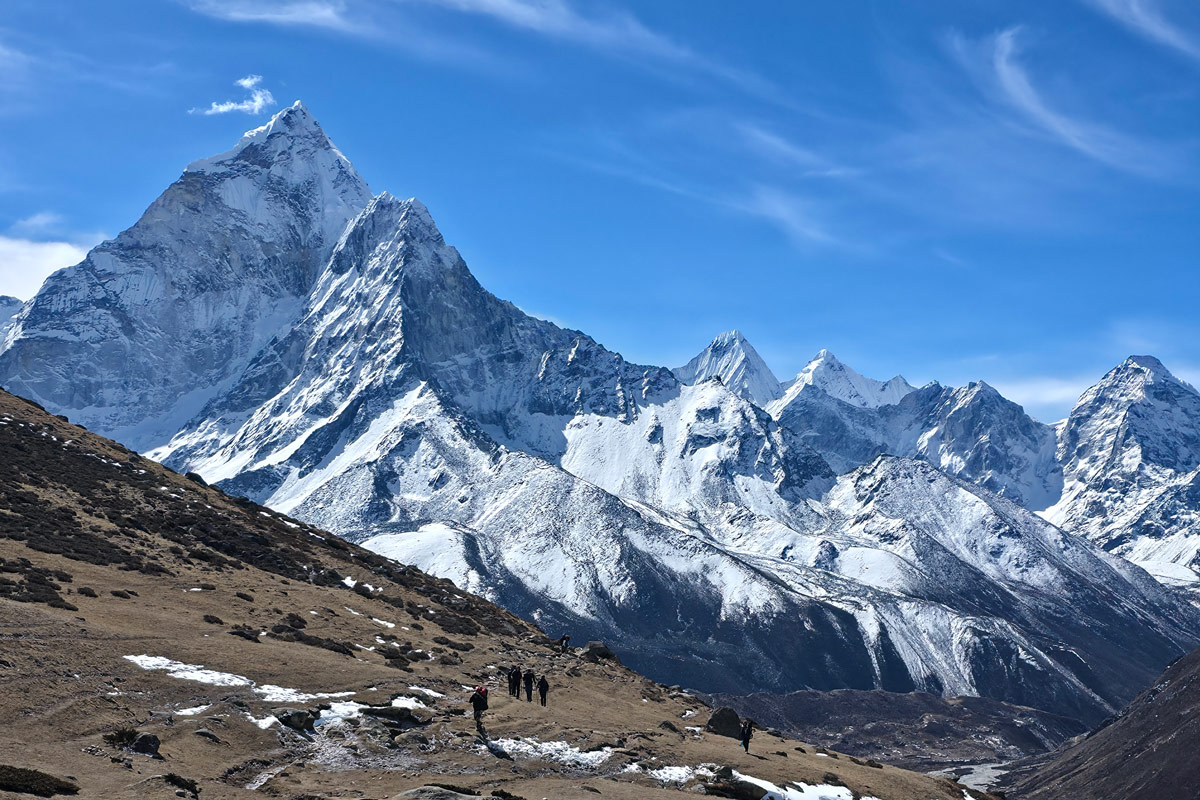



The Everest Base Camp Trek is a journey through the heart of the Himalayas, a chance to walk beneath the world’s highest mountain, Mount Everest. This is an adventure that challenges both the body and mind.
Every year, thousands of trekkers from around the globe set out on this iconic trail, hoping to stand at the foot of Mount Everest and experience the magic of the Khumbu region.
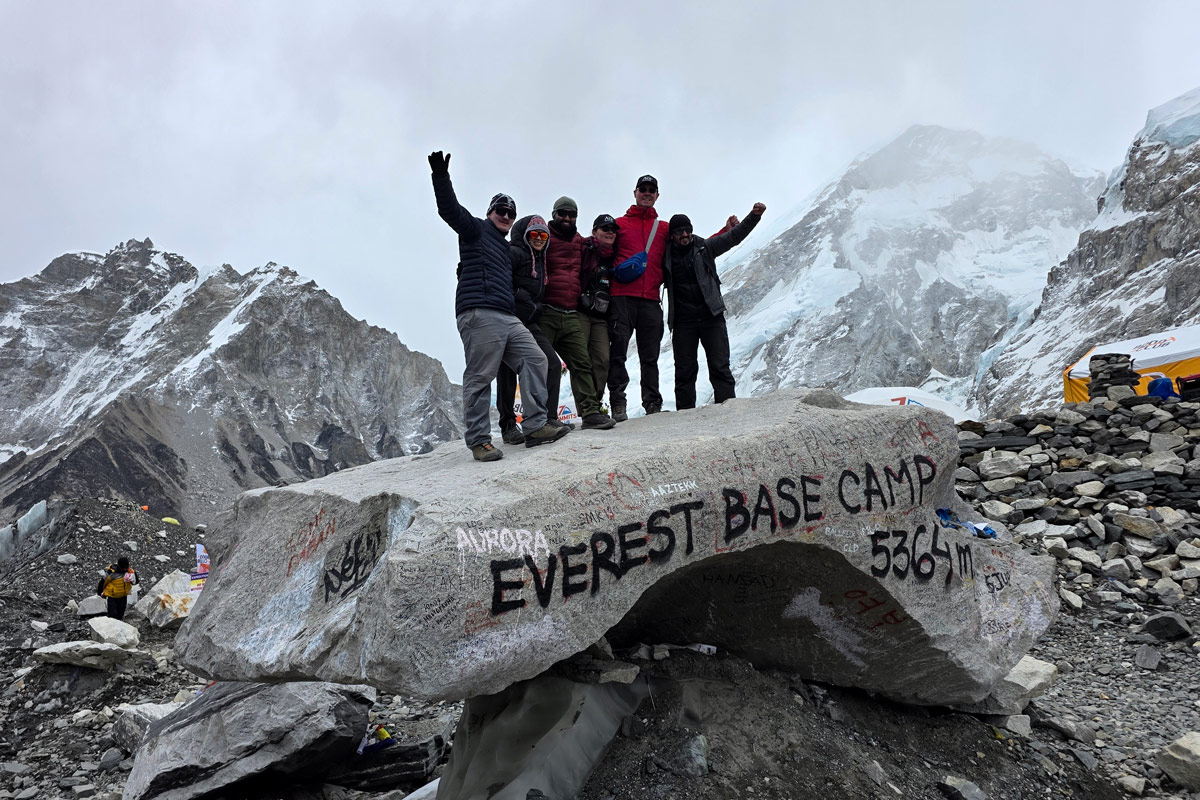
But reaching Everest Base Camp is not simply a matter of booking a trip and showing up. The trek takes you to an altitude of 5,364 meters (17,598 feet), where thinner air, changing weather, and long days on the trail can test even experienced hikers.
Proper preparation is what separates an enjoyable trekking experience from a difficult one. It is important to start training for Everest Base Camp trek yourself physically and mentally at least two months before the trek.
You do not need to be a professional athlete to complete the Everest Base Camp Trek. With the right training, planning, and mindset, most healthy individuals can successfully reach their goal.
Here are some suggestions and strategies on how to prepare for Everest Base Camp trek:
1. Start Early: Give Yourself Enough Time to Prepare
One of the biggest mistakes trekkers make is underestimating the preparation required for Everest Base Camp. While the trek itself usually takes around 12 to 14 days, preparing it should begin months before your departure date.
Ideally, you should start training at least two to three months in advance. If you already exercise regularly, two months may be sufficient. If your current lifestyle is mostly sedentary, giving yourself three months or more will allow your body to adapt gradually.
Your first month is about laying the base which includes light cardio, basic hiking, getting your body used to movement.
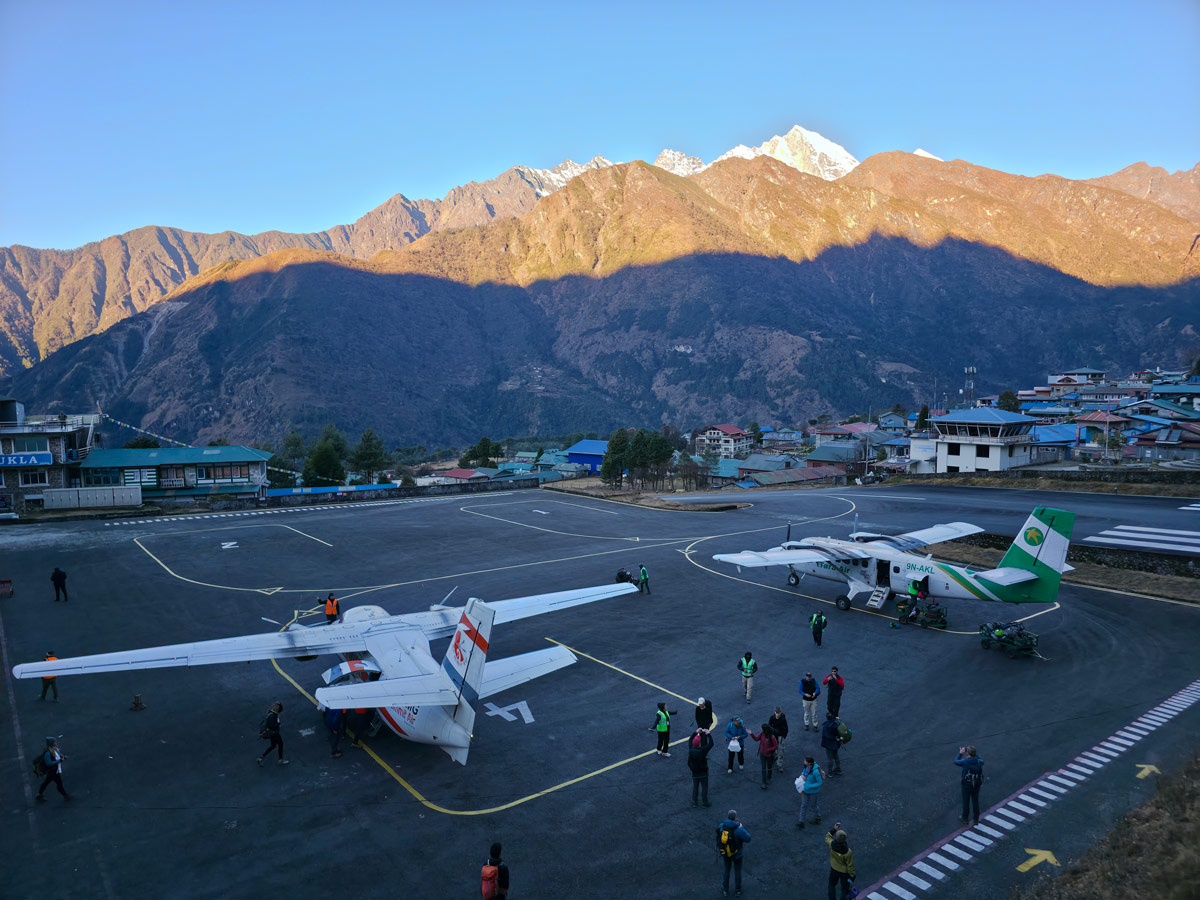
Then you go for longer hikes, weighted packs, strength training. And your final month is finishing touches and rest that includes tapering your training so your body arrives at Lukla fresh, not exhausted.
Last-minute preparation rarely works at high altitude. You might be able to survive a local hike without training, but Everest Base Camp demands sustained effort over many consecutive days. The mountains reward preparation and expose shortcuts.
2. Practice Hiking Regularly
If there is one activity that best prepares you for the Everest Base Camp Trek, it is hiking itself.
The trail to Everest Base Camp is not a technical climb, but it involves many hours of walking each day across varied terrain. You will encounter steep ascents, rocky sections, suspension bridges along EBC route, and long descents that place significant stress on your legs and joints.
Regular hiking helps your body adapt to these demands. It strengthens the muscles used during trekking, improves balance, enhances endurance, and familiarizes you with spending long periods on your feet.
Start with shorter hikes and gradually increase both distance and elevation gain. Aim for one long hike every weekend and supplement it with shorter walks during the week. As your fitness improves, seek out routes with hills and uneven terrain.
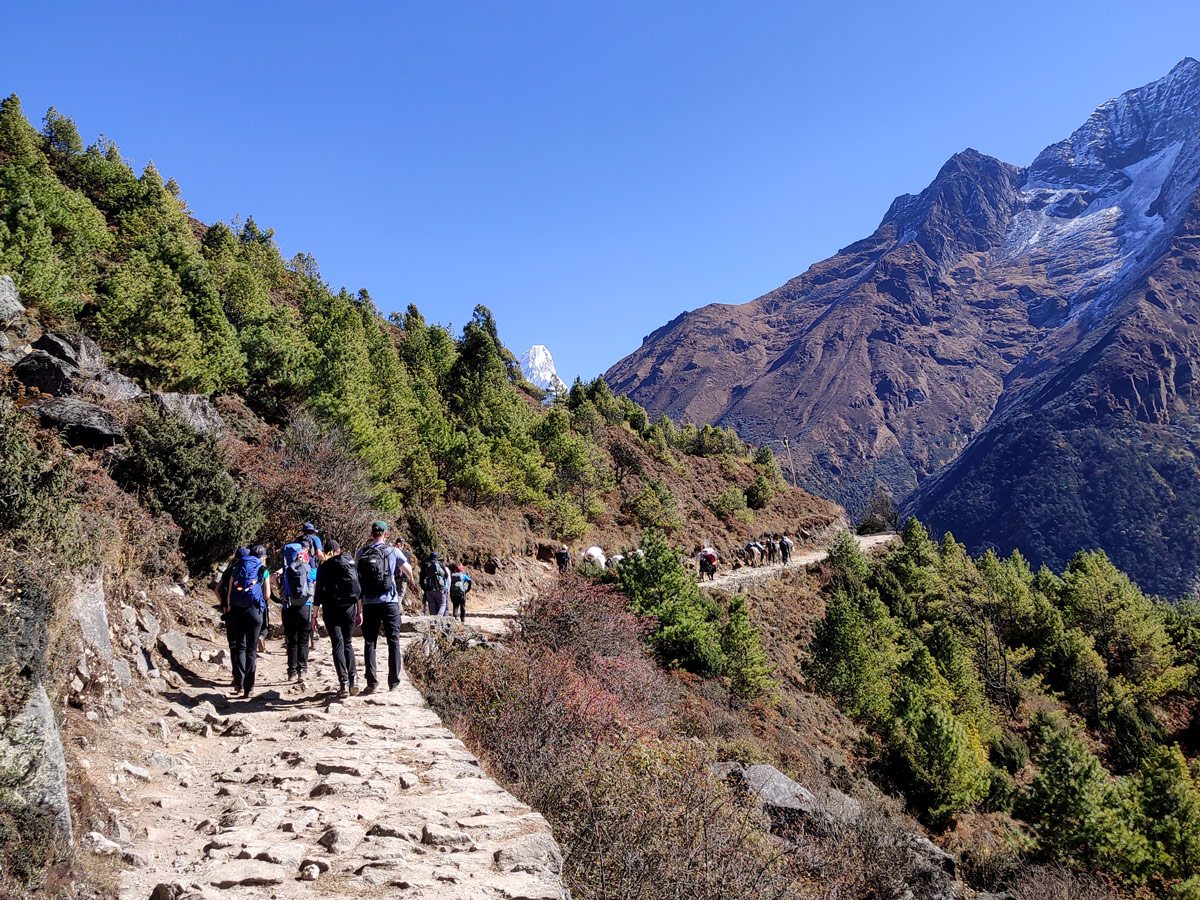
Training with a backpack is equally important. During the Everest Base Camp Trek, you will likely carry a daypack containing water, extra clothing, snacks, and personal items.
Practice hiking with 4 to 5 kilograms (8.8 to 11 pounds) daypack to simulate real trekking conditions. If you arrive in Nepal a few days early, you can take advantage of the many hiking trails around Kathmandu to prepare for your trek.
Hikes to Shivapuri, Champadevi, Nagarjun, and Phulchoki provide a great opportunity to practice walking on mountain trails, gain elevation, and improve your fitness before heading into the Himalayas.
The more comfortable you become on long hikes, the more enjoyable your Everest Base Camp experience will be.
3. Build Strength with Gym Workouts
While hiking improves trekking-specific endurance, strength training builds the physical foundation that supports every step you take.
The Everest Base Camp trail includes thousands of meters of cumulative ascent and descent. Strong muscles absorb impact more effectively, reduce fatigue, and help prevent injuries. They also make carrying a backpack significantly easier.
Your training should focus primarily on the lower body and core. These muscle groups do most of the work while trekking.
Squats are excellent for building overall leg strength. Lunges improve balance and stability while mimicking trekking movements. Step-ups closely replicate the action of climbing uphill and are particularly useful for EBC preparation. Deadlifts strengthen the posterior chain, including glutes, hamstrings, and lower back.

The stair climber (StairMaster) is one of the best training tools for trekkers. It closely mimics the continuous uphill climbing you’ll experience on the trail and helps build leg strength, endurance, and cardiovascular fitness. Start with shorter sessions and gradually increase the duration as your fitness improves.
Core exercises deserve equal attention. A strong core improves posture, enhances balance on uneven trails, and reduces strain on your back and shoulders. Planks, side planks, mountain climbers, and rotational exercises are all beneficial.
During the final two weeks before departure, reduce the intensity of your workouts. This tapering phase allows your body to recover and arrive at the trail feeling fresh and energized rather than fatigued.
4. Build Your Cardio Endurance
Cardiovascular fitness plays a crucial role in your Everest Base Camp success.
As you ascend higher into the Himalayas, air pressure decreases. Your heart and lungs must work harder to deliver oxygen to your muscles. Good cardio fitness improves your efficiency and helps you maintain a steady pace throughout the trek.
Fortunately, there are many ways to build cardiovascular endurance. Running is one of the most effective options because it improves aerobic capacity and stamina. Cycling provides similar benefits while placing less stress on the joints. Likewise, swimming offers a full-body workout that strengthens both the cardiovascular system and respiratory muscles.
Stair climbing deserves special mention because it closely resembles uphill trekking. If you have access to stairs at work, in your apartment building, or at a nearby stadium, make them part of your daily routine.
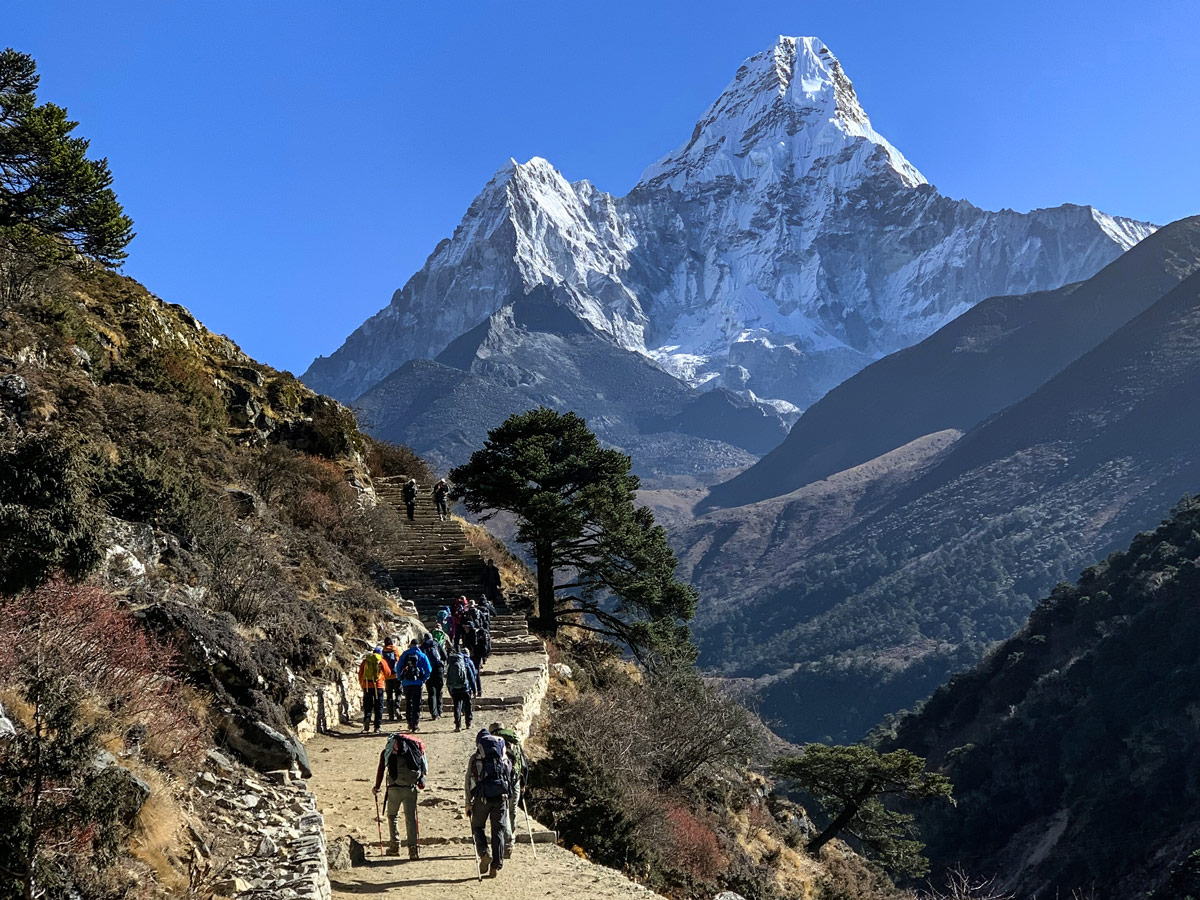
Instead of taking the elevator or escalator, choose the stairs whenever possible. These small changes add up over time, helping to build leg strength, improve cardiovascular fitness, and prepare your body for the long uphill sections of the Everest Base Camp Trek.
A well-rounded Everest Base Camp training plan should combine cardio workouts, strength training, and regular hiking to build the endurance needed for the EBC trek.
The goal is not speed but endurance. During most training sessions, maintain a pace where you can still hold a conversation. This moderate-intensity effort develops the aerobic base needed for long trekking days.
Combined consistently over several months, all these physical activities create the fitness foundation required for Everest Base Camp.
5. Eat a Healthy, Trek-Focused Diet
Training and nutrition go hand in hand. You cannot expect your body to perform well if you consistently fuel it with poor-quality food.
In the months leading up to the Everest Base Camp Trek, focus on a balanced diet rich in lean proteins, complex carbohydrates, healthy fats, fruits, and vegetables. These foods provide the energy needed for training, support muscle recovery, and help prepare your body for the physical demands of the trek.
Tea house menus on the EBC trail are surprisingly good. During the trek, simple, carbohydrate-rich meals become your best source of energy. Local favorites like dal bhat, noodles, potatoes, and soups provide the calories needed for long days on the trail.

Even if your appetite decreases at higher altitudes, you must try to eat regularly, as your body requires extra energy to cope with the cold and lower air pressure.
Hydration is equally important. You must drink at least 3 to 4 liters of water daily to support acclimatization and reduce the risk of altitude-related issues. It is also best to avoid alcohol during the trek, as it can contribute to dehydration and interfere with your body’s ability to adapt to higher elevations.
6. Practice Stretching and Recovery
If you’re a beginner in yoga or stretching, it’s important to start slow and gradually increase the intensity of your practice over time. Practicing stretching and yoga can be beneficial for high altitude trekking as they help improve flexibility, reduce the risk of injury, and increase endurance.
While stretching, focus on major muscle groups like your legs, hips, back, and shoulders as they are the major muscles used during trekking. Prioritize practicing yoga poses for balance and stability such as tree pose and warrior III, to improve your footing on uneven terrains.
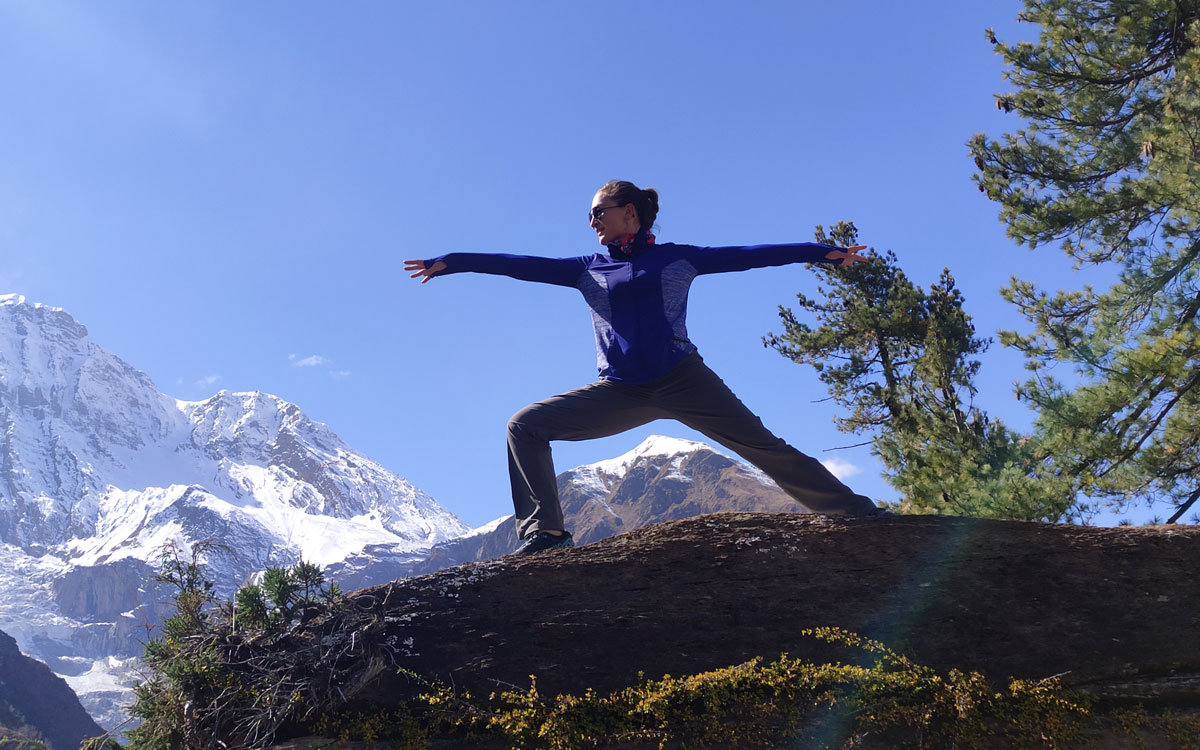
Most importantly, consider working with a yoga instructor as they can help you practice through a practice tailored to your needs. With the guidance of a professional, you can learn to practice safely and effectively, improving your flexibility, balance, and endurance for the trek ahead.
Recovery is an important part of Everest Base Camp training. Without proper rest, fatigue builds up, performance declines, and the risk of injury increases.
Sleeping and resting are equally important. You must aim for 7 to 9 hours of sleep each night and include rest days in your training schedule. The goal is to arrive at Everest Base Camp healthy, strong, and ready for the trek.
7. Mentally Prepare for the Everest Base Camp Trek
Physical fitness is important, but mental preparation is equally essential for the Everest Base Camp Trek. Long trekking days, cold weather, altitude, and unexpected delays can test your patience and determination.
One must be prepared with proper research about the terrain, weather conditions of Everest region, and any physical hazards or risks of the destination you are planning to embark on.
One of the most important mental skills is learning to move at your own pace. Everest Base Camp is not a race, and comparing yourself to others can make the journey more difficult. Focus on steady progress, realistic expectations, and proper acclimatization.
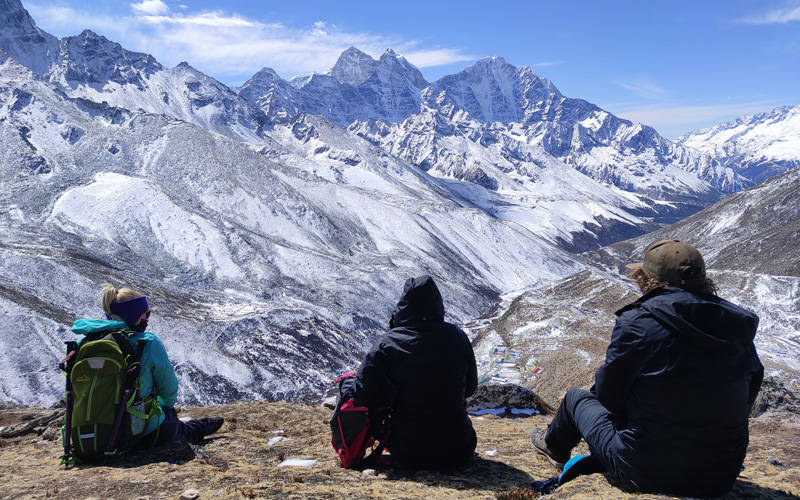
There will be days when you feel strong and energized, but there may also be moments when fatigue, cold temperatures, or altitude make the trek feel more difficult. Accepting that challenges are part of the journey can help you stay motivated and focused.
It is equally important to listen to your body. If you experience serious altitude-related symptoms, descending is the safest option. Making smart decisions in the mountains is a sign of good judgment, not weakness.
8. Understand Altitude Sickness and Acclimatization
No preparation guide for EBC is complete without a serious discussion of altitude sickness. Acute Mountain Sickness (AMS) is a form of altitude sickness that occurs when ascending to high altitudes too quickly, leading to symptoms like headaches, dizziness, nausea and loss of appetite.
Many trekkers experience mild symptoms during acclimatization. However, severe symptoms should never be ignored.
The acclimatization days in Namche Bazaar and Dingboche during Everest Base Camp trek shouldn’t be ignored. These are essential safety measures that significantly improve your chances of reaching higher elevations comfortably.
Similarly, Hydration also plays an important role. Drinking adequate water supports normal physiological function and helps your body adjust to altitude.
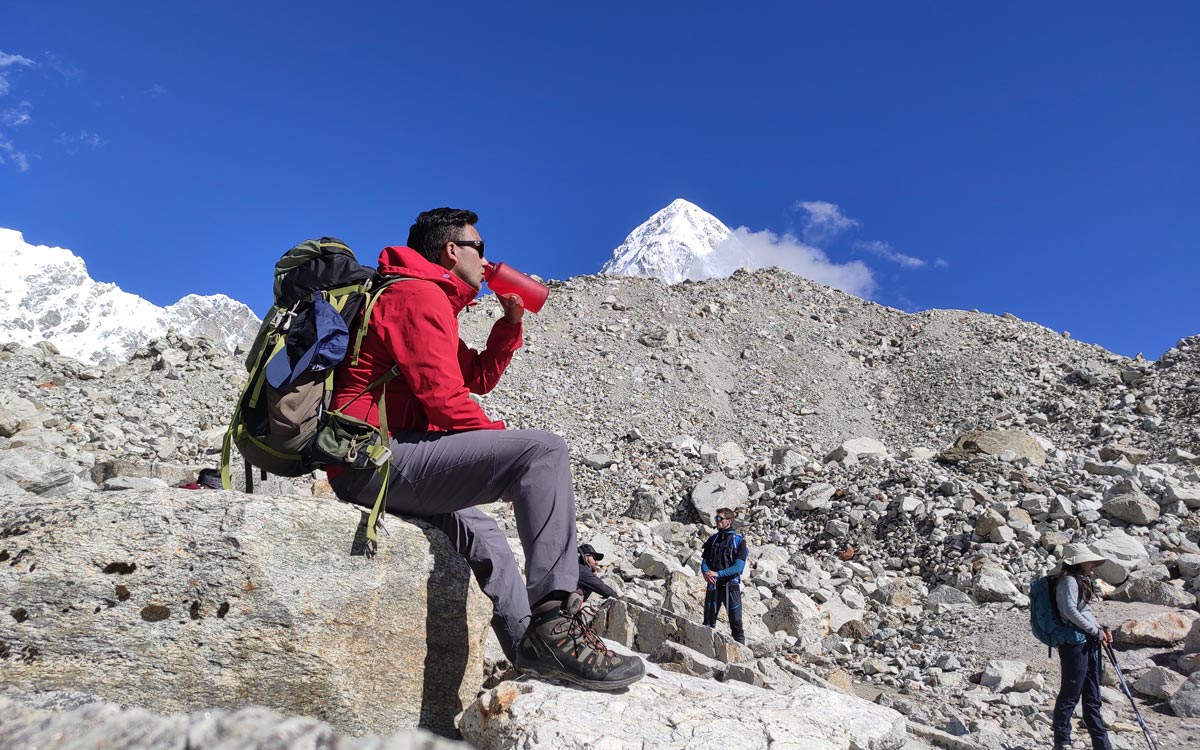
Many trekkers ask about Diamox (Acetazolamide), a medication that may help speed up acclimatization and reduce the risk of altitude sickness for some trekkers. However, it should only be used after consulting a healthcare professional and should never replace proper acclimatization practices.
The safest approach is to ascend gradually, stay hydrated, monitor your symptoms, and seek immediate medical attention if severe altitude sickness symptoms develop.
9. Confirm Packing List
Having the right gear is essential for a comfortable Everest Base Camp Trek. The best approach is to use a layering system, including a moisture-wicking base layer, an insulating mid-layer, and a waterproof outer shell to adapt to changing mountain conditions.
Well-broken-in trekking boots are one of the most important pieces of equipment. Avoid wearing new boots on the trek, and test them during training hikes to ensure comfort and prevent blisters.
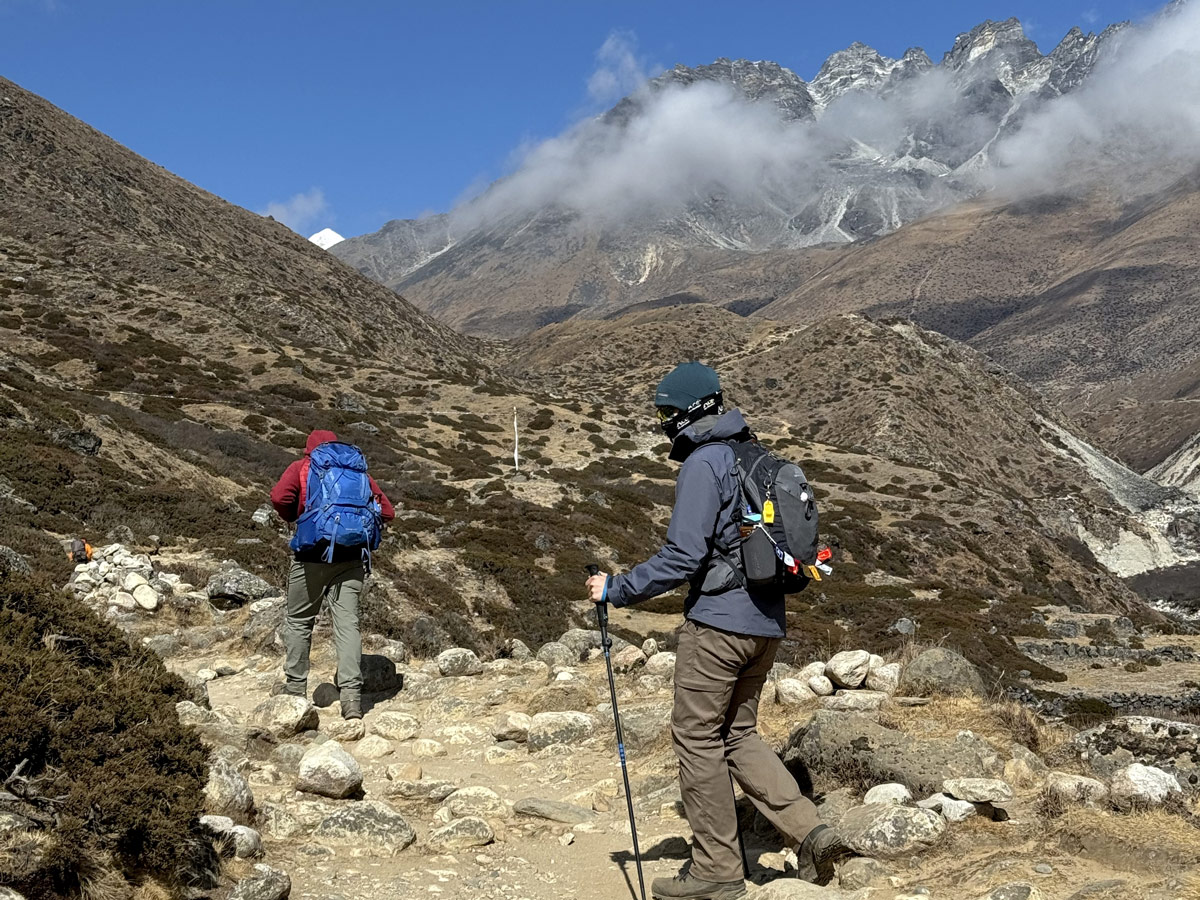
A basic Everest Base Camp packing list should include trekking boots, warm layers, a waterproof jacket, gloves, a hat, sunglasses, a headlamp, trekking poles, reusable water bottles, and a comfortable daypack.
You can rent down jackets and sleeping bags directly from us which needs to be returned after completion of the trek.
Finally, avoid overpacking. Carry only what you need, as a lighter backpack makes trekking easier and more enjoyable.
10. Pick Best Month for EBC Trekking
Choosing the right time for Everest Base Camp trek can have a big impact on your Everest Base Camp experience. Weather conditions, visibility, trail traffic, and temperatures all vary depending on the season.
Spring (March to May) is one of the most popular times for the EBC trek. The weather is generally stable, temperatures are moderate, and rhododendron forests bloom along the trail. Clear mountain views make this season a favorite among trekkers.
Autumn (September to November) is considered the best overall season for Everest Base Camp. The skies are usually clear after the monsoon, offering excellent visibility of the Himalayan peaks. The weather is stable, making it ideal for trekking.
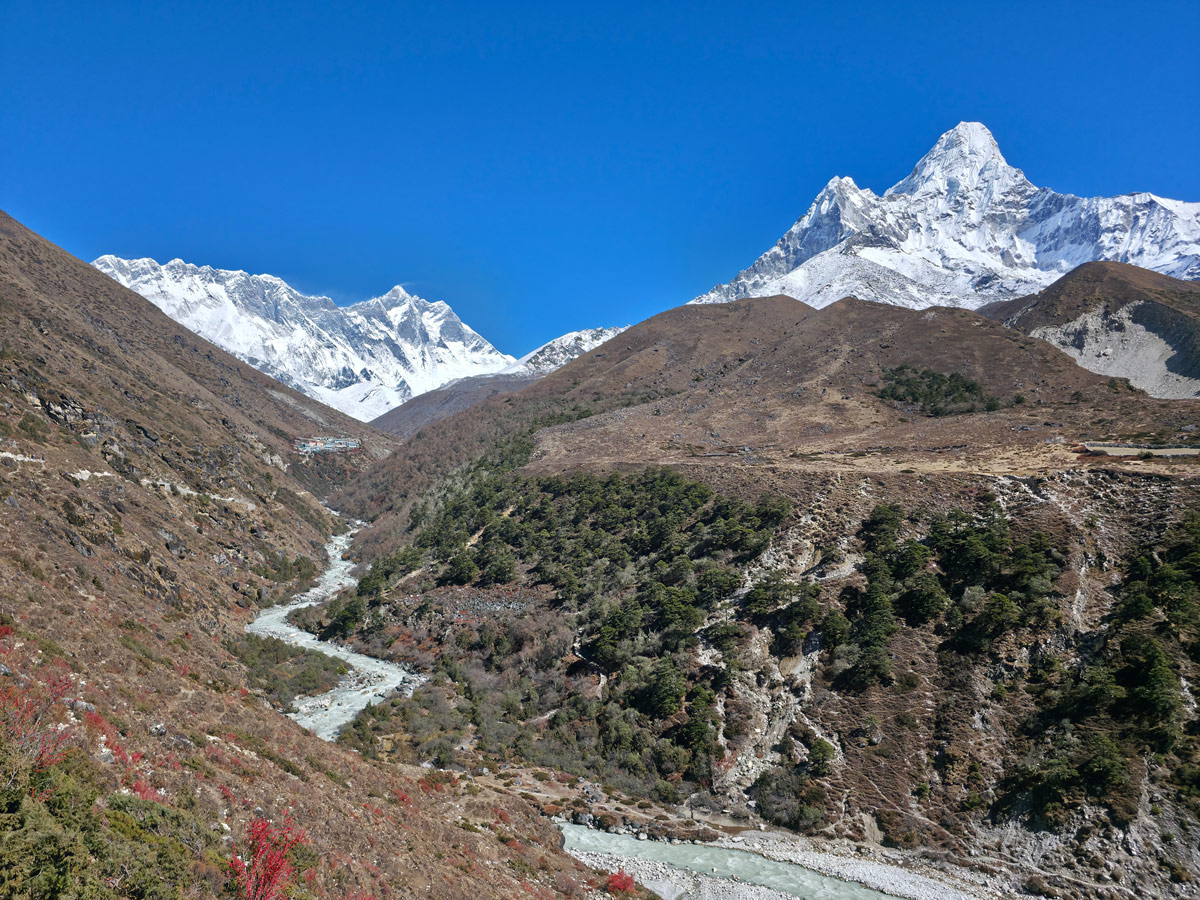
Winter and monsoon seasons are less crowded but come with additional challenges. Winter brings colder temperatures and snow, while the monsoon season can cause rain, cloudy views, and flight delays. For the best combination of weather and mountain scenery, most trekkers choose spring or autumn.
11. Trek with Guide
Trekking to Everest Base Camp with guide can make your journey safer, easier, and more enjoyable. A knowledgeable guide helps with navigation, monitors your acclimatization, and provides valuable insights into the local culture, history, and mountains.
Guides are trained to recognize the early signs of altitude sickness and can help you make informed decisions if health issues arise. Their experience can be especially helpful for first-time trekkers in the Himalayas.
A guide also takes care of many logistical details, including accommodation arrangements, route planning, and schedule management. This allows you to focus on enjoying the trek rather than worrying about day-to-day planning.
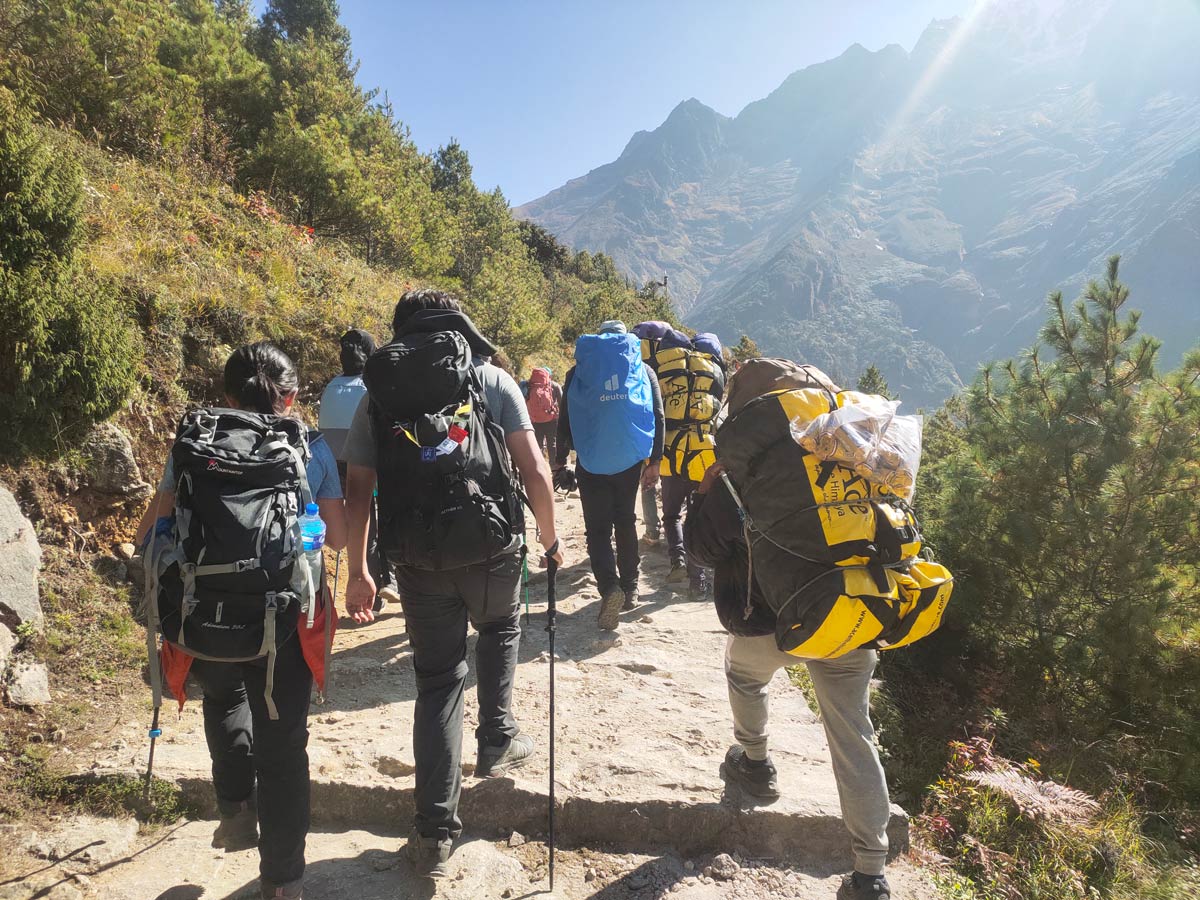
If you need support for carrying your duffle bag, you can have a porter to carry your main duffel bag. This reduces physical strain and helps conserve energy for the long days of trekking ahead.
12. Choose the Right Trekking Company
Physical preparation is only one part of getting ready for the Everest Base Camp Trek. Choosing a reputable trekking company is equally important, as the right operator can make your journey safer, smoother, and more enjoyable.
At Ace the Himalaya, we take care of all the essential logistics before you even arrive in Kathmandu. Permits are arranged in advance, accommodations are booked throughout the trek, and transportation is coordinated, allowing you to focus on preparing for the adventure rather than managing paperwork and logistics.
Experienced guides are another major advantage we provide. They know the trail, understand altitude-related challenges, and monitor trekkers closely throughout the journey.
In case of illness or altitude sickness, our guide will assist for immediate support and help make informed decisions about rest, acclimatization, or evacuation if necessary.
Our itinerary also include proper acclimatization days at key locations such as Namche Bazaar and Dingboche. Combined with experienced guides, reliable logistics, and strong on-the-ground support, this gives trekkers the best chance of having a safe and successful journey to Everest Base Camp.
Conclusion
Preparing for the Everest Base Camp Trek is not about becoming an elite athlete. It is about building the physical fitness, mental resilience, and practical knowledge needed to enjoy one of the world’s greatest trekking adventures.
Start your preparation early. Spend time hiking, building strength, improving cardiovascular endurance, and developing healthy recovery habits. Learn about altitude sickness, invest in the right gear, select the best month and choose the trusted trekking company for the logistical side of planning seriously.
Most importantly, remember that success on the Everest Base Camp Trek is achieved one step at a time.
Thousands of ordinary people from all walks of life reach Everest Base Camp every year. They are not necessarily the strongest, fastest, or most experienced. They are simply the ones who prepare well, pace themselves wisely, and respect the mountains.
If Everest Base Camp is on your bucket list, there is no better time to start preparing than today. Every hike, every workout, and every small step forward brings you closer to standing beneath the world’s highest mountain and experiencing an adventure you will remember for the rest of your life.