


September marks the beginning of Nepal’s famous autumn trekking season and is widely considered one of the best times to embark on the Everest Base Camp Trek. As the monsoon gradually retreats, the Everest region transforms into a paradise of lush forests, fresh mountain air, and increasingly clear views of the Himalayas.
Trekking to Everest Base Camp in September sits in that sweet spot between the chaos of the monsoon and the peak-season rush of October. It offers a unique blend of vibrant landscapes, comfortable temperatures, and fewer crowds compared to the peak month of October.
While early September may still experience occasional rain and cloud cover, conditions steadily improve throughout the month, making late September particularly rewarding for trekkers.
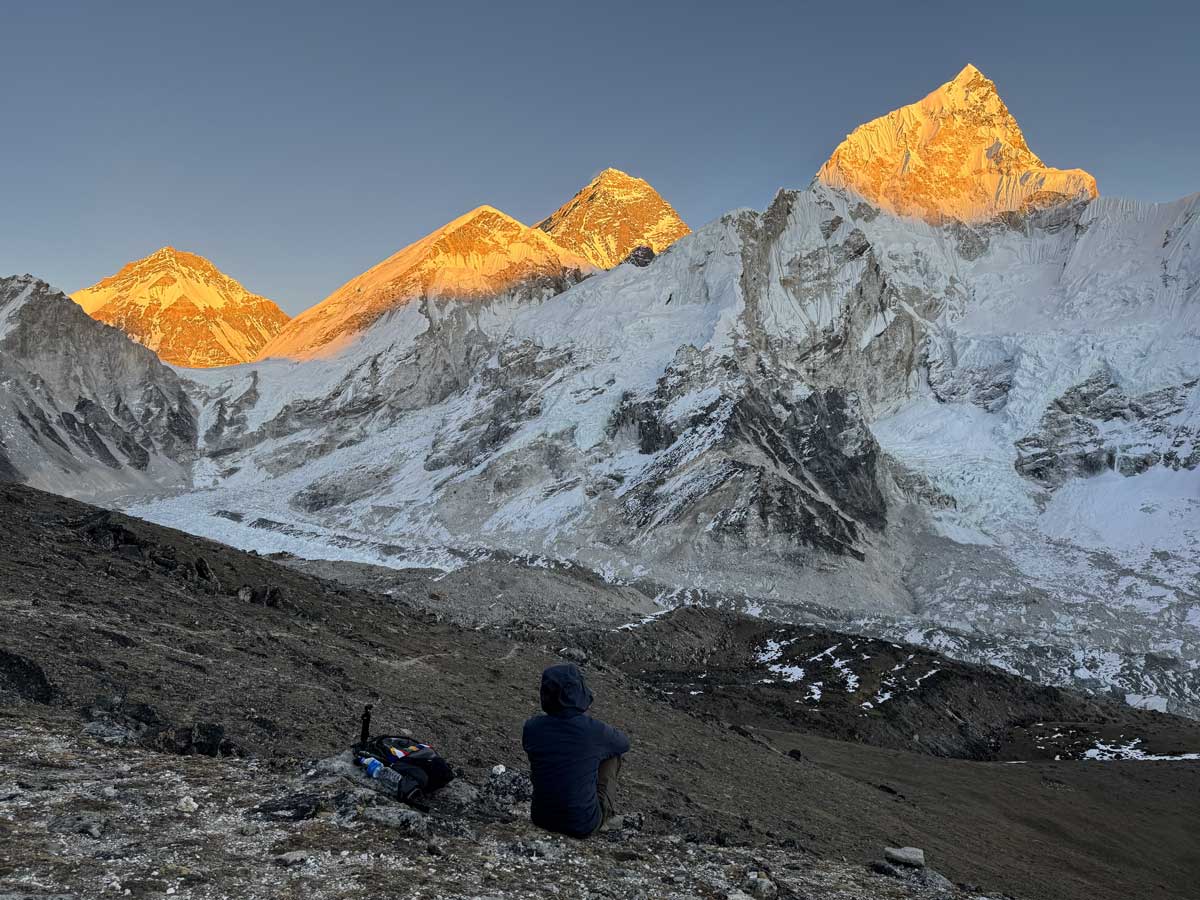
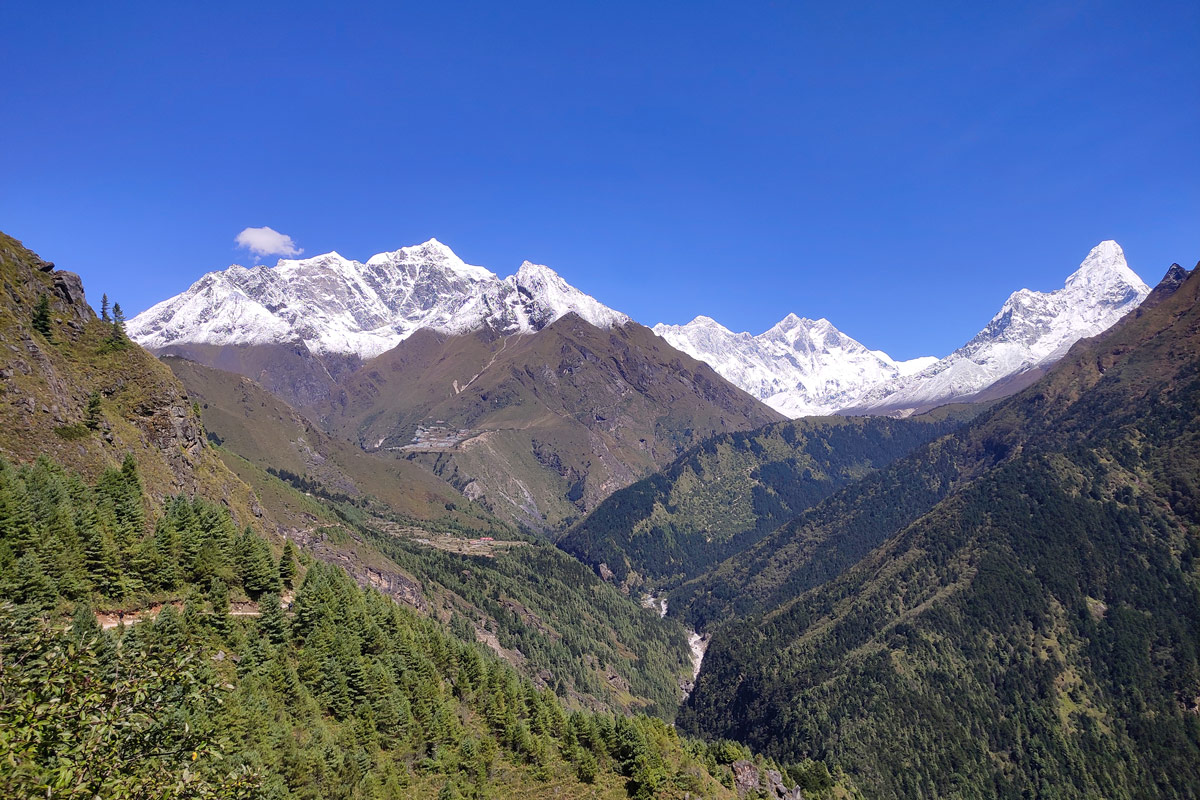
Everest Base Camp trek in September provides excellent opportunities to witness Mount Everest, Lhotse, Ama Dablam, Nuptse, and other Himalayan giants while enjoying pleasant trekking weather and welcoming teahouse hospitality.
Weather and Temperature During EBC Trek in September
Weather plays a major role in determining the overall trekking experience. September acts as a transition month between the summer monsoon and the dry autumn season.
At lower elevations, daytime temperatures are mild and pleasant. Higher up in Gorakshep near Everest Base Camp, mornings and nights become noticeably colder, although they are not as harsh as the winter months.
Morning Temperatures During September at Everest Base Camp
Early mornings in the Everest region are cool and refreshing. Temperatures around Everest Base Camp (5,364 m/17,598 ft) and Gorakshep can range from approximately
-2°C to 2°C (28°F to 36°F) during September.
At lower elevations like Namche Bazaar and Tengboche, morning temperatures are generally warmer, hovering around 5°C to 10°C (41°F to 50°F).
Starting your day with layered clothing is recommended, as temperatures rise considerably after sunrise.
Morning Temperatures During September at Everest Base Camp
Mornings in September are crisp, especially as you climb higher. At lower elevations like Lukla and Phakding, mornings sit comfortably between 10°C and 15°C.
As you push above 4,000 meters toward Dingboche and Lobuche, expect morning temperatures to feel noticeably colder, often hovering around 3°C to 7°C. Packing a good fleece and a down layer for the first hour of trekking each day is a smart move.
Thanks to the stronger autumn sunshine and generally stable weather, trekking during the day is enjoyable without extreme heat or cold.
Daytime Temperatures During September at Everest Base Camp Trek
Daytime temperatures at Everest Base Camp in September range from around 8°C to 15°C. Lower on the trail near Namche Bazaar, days can feel pleasantly warm, warm enough to trek in a light base layer.
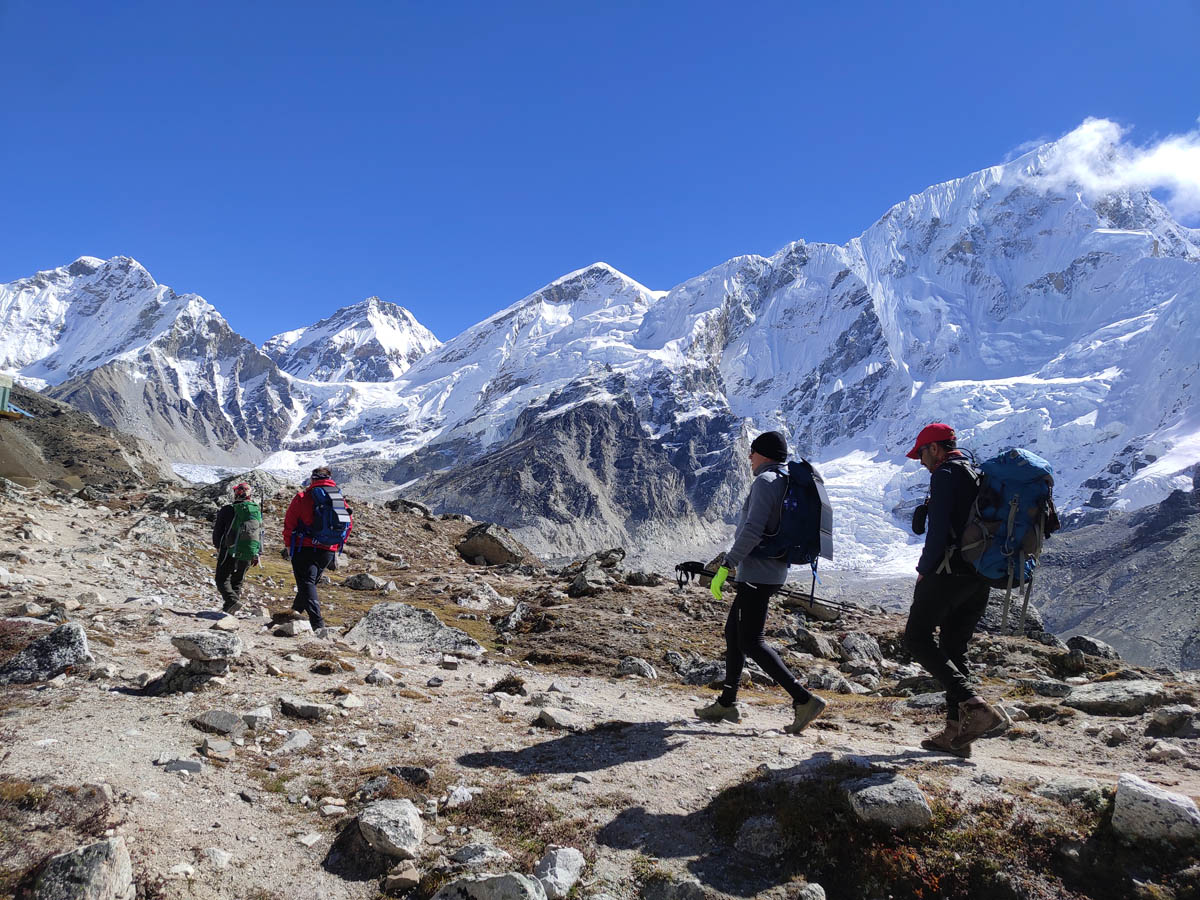
The daytime temperatures along the Everest trail are around 10°C to 15°C, making hiking lighter and more comfortable than requiring heavily layered clothing.
Nighttime Temperatures During September at Everest Base Camp
Temperatures drop significantly after sunset, especially above 4,000 meters.
At Everest Base Camp and Gorakshep, nighttime temperatures during September typically range between -5°C and 0°C (23°F to 32°F).
Meanwhile, villages such as Namche Bazaar and Dingboche experience comparatively milder nights, usually between 2°C and 8°C (36°F to 46°F).
A good-quality down jacket and warm sleeping bag are highly recommended for comfortable nights in the higher elevations such as Gorakshep .
Chances of Rain and Snow During September on the EBC Trek
Rainfall is more common in early September as the summer monsoon gradually withdraws from Nepal. Trekkers may encounter cloudy afternoons, occasional showers, and slippery trails during the first week or two.
By mid to late September, weather conditions become noticeably drier and clearer. Mountain views improve significantly, and rainfall becomes less frequent.
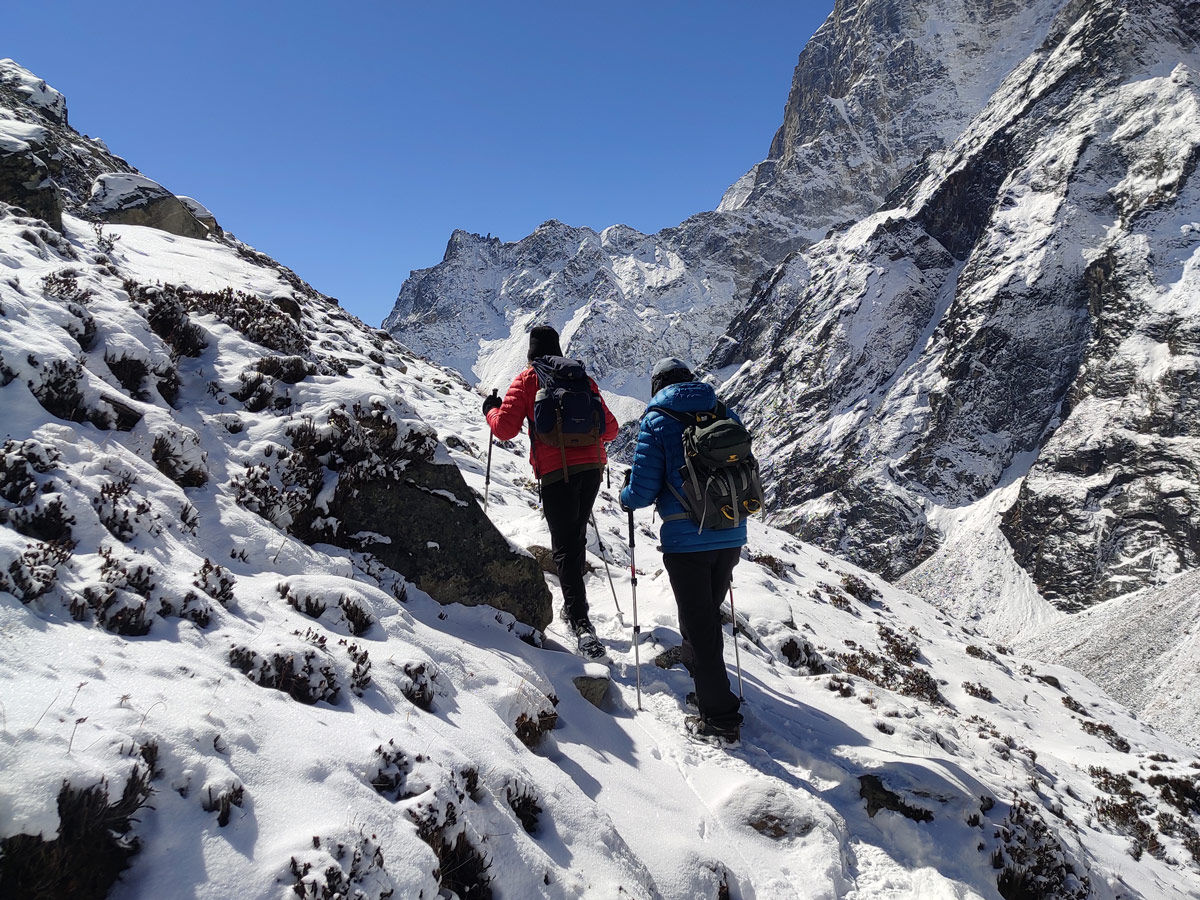
Snowfall in September is uncommon but can occasionally occur at higher elevations due to changing weather systems. Significant snowfall is rare during this month.
Is September a Good Time for Everest Base Camp Trek?
Absolutely. September is widely regarded as one of the best months for trekking to Everest Base Camp because it combines favorable weather, beautiful post-monsoon scenery, and relatively manageable crowds.
Unlike October, which is often the busiest month, September allows trekkers to enjoy the trail before peak-season congestion arrives.
The presence of favourable weather and temperature in the Everest Base Camp trek during September also makes it one of the most popular choices for trekkers seeking a rewarding and memorable adventure.
What Makes September One of the Best Months for EBC Trekking?
Several factors make September special for trekkers:
Fresh Landscapes After the Monsoon
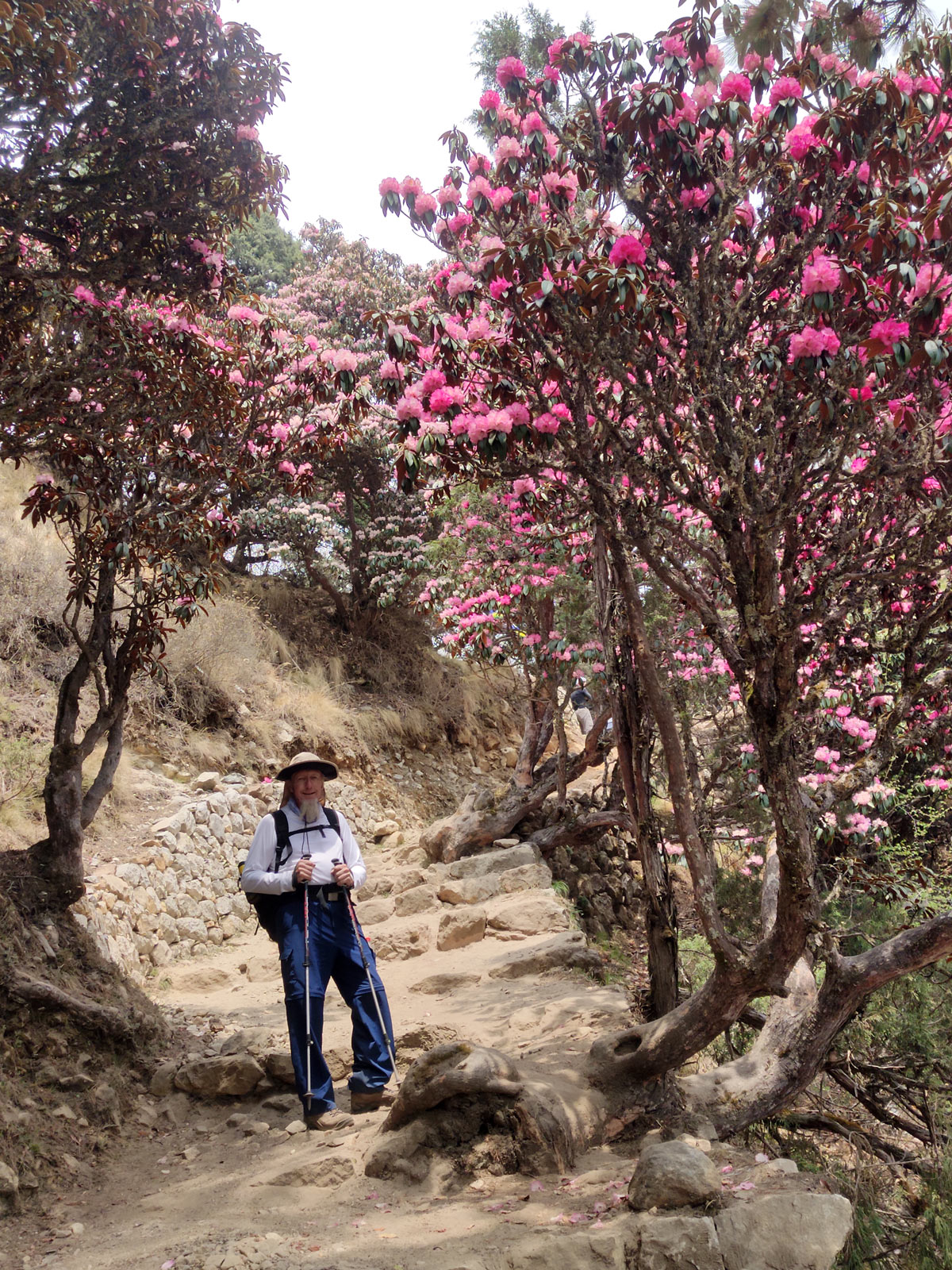
The summer rains rejuvenate forests, valleys, and alpine meadows. Pine forests, rhododendron trees, and terraced hillsides appear greener and more vibrant than at any other time of the year.
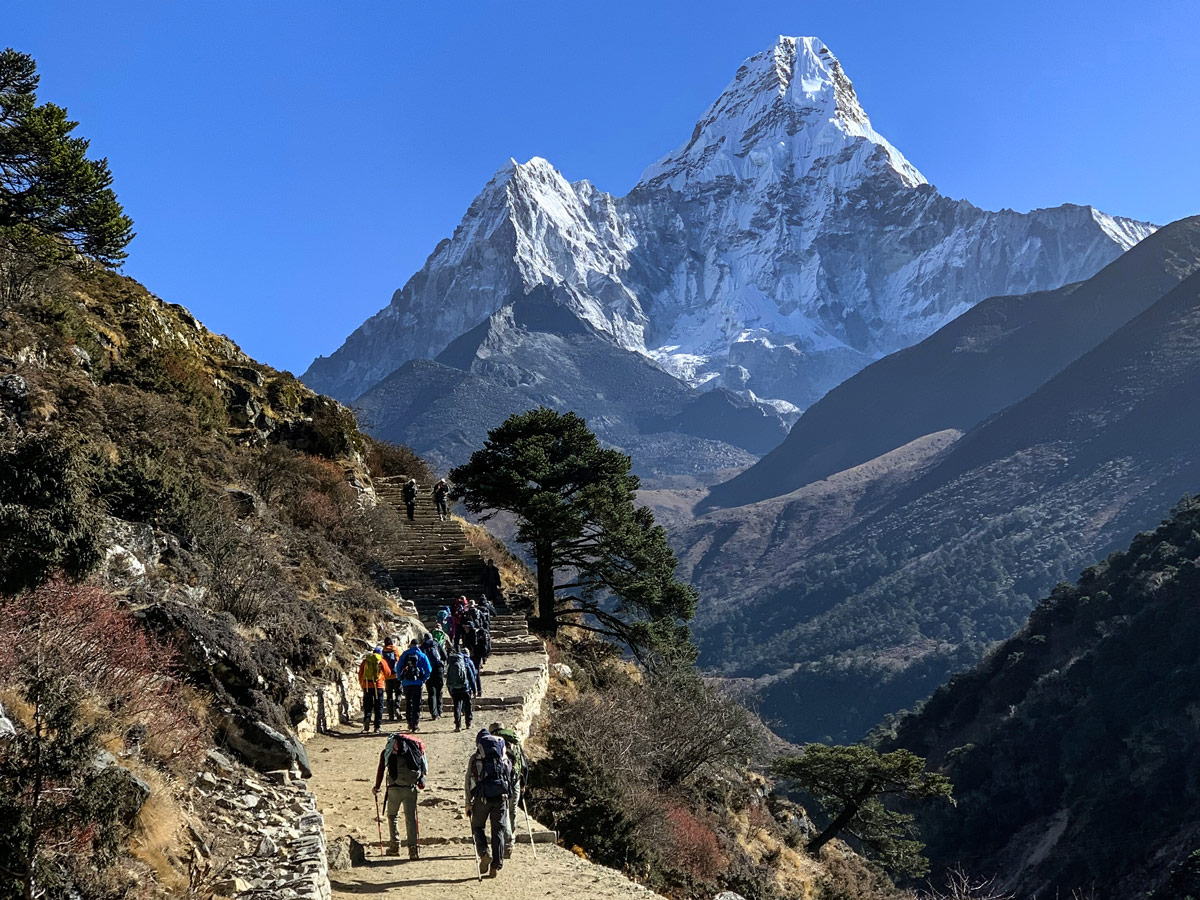
Excellent Mountain Visibility
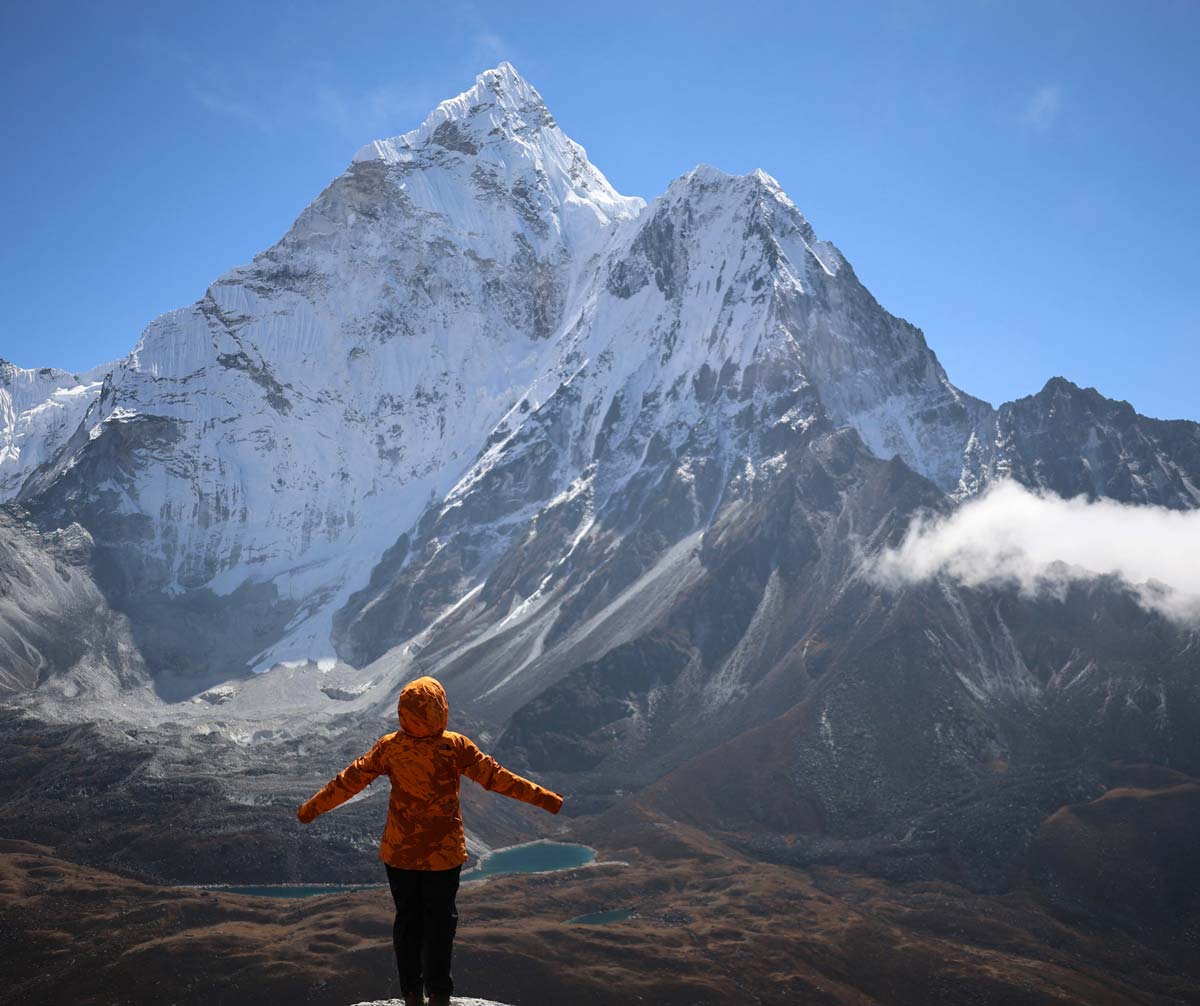
As cloud cover decreases, iconic Himalayan peaks become increasingly visible. Trekkers are rewarded with breathtaking views of:
- Mount Everest (8,848.86 m/29,031 ft)
- Lhotse (8,516 m/27,940 ft)
- Nuptse (7,861 m/25,791 ft)
- Ama Dablam (6,812 m/22,349 ft)
- Thamserku (6,608 m/21,680 ft)
- Pumori (7,161 m/23,494 ft)
- Taboche (6,495 m/21,309 ft)
Comfortable Temperatures
Unlike winter, September offers pleasant daytime conditions without excessive cold. The weather allows trekkers to enjoy long walking days without battling harsh temperatures.
Beginning of Peak Trekking Season
September marks the arrival of Nepal’s autumn trekking season. Tea houses reopen fully after the monsoon, trails become livelier, and trekking infrastructure operates smoothly.
Less Crowded Than October
October attracts the highest number of trekkers in the Everest region. September provides a balance between good weather and a relatively quieter experience.

For travelers who prefer fewer crowds without sacrificing mountain views, September can be the perfect choice.
Pros and Cons of Trekking to Everest Base Camp in September
Like every trekking season, September comes with its own advantages and challenges. Understanding both sides can help you decide whether the Everest Base Camp Trek in September is the right choice for your adventure.
Pros of Trekking EBC in September
- Fresh post-monsoon landscapes: During September Everest trekking, the monsoon rains leave the valleys, forests, and hillsides lush and vibrant, creating some of the most scenic conditions of the year.
- Improving mountain views: Visibility gradually improves throughout the month, with late September often offering spectacular views of Everest and surrounding peaks.
- Comfortable trekking temperatures: Daytime temperatures are generally mild, providing pleasant conditions for trekking at both lower and higher elevations.
- Less crowded than October: September sees fewer trekkers than the peak month of October, allowing for a more relaxed experience on the trail.
- Beginning of the autumn trekking season: September marks the start of Nepal’s most popular trekking season, bringing stable conditions and fully operational tea houses.
- Clearer skies in late September: As the monsoon withdraws, skies become increasingly clear, improving both photography opportunities and mountain panoramas.
- Fresh mountain air: Rainfall helps clear dust and haze from the atmosphere, resulting in cleaner air and better long-distance visibility.
- Good tea house availability: Accommodation is generally easier to secure compared to the busier weeks of October and November.
Challenges of Trekking EBC in September
While September is one of the best months for the Everest Base Camp Trek, it does come with a few challenges. Early September can still experience lingering monsoon conditions, bringing occasional rainfall, cloudy skies, and reduced mountain visibility.
Some lower sections of the trail may be muddy or slippery, especially between Lukla and Namche Bazaar. Also, the weather-related delays and cancellations of flights to and from Lukla are also more common during the first half of the month.
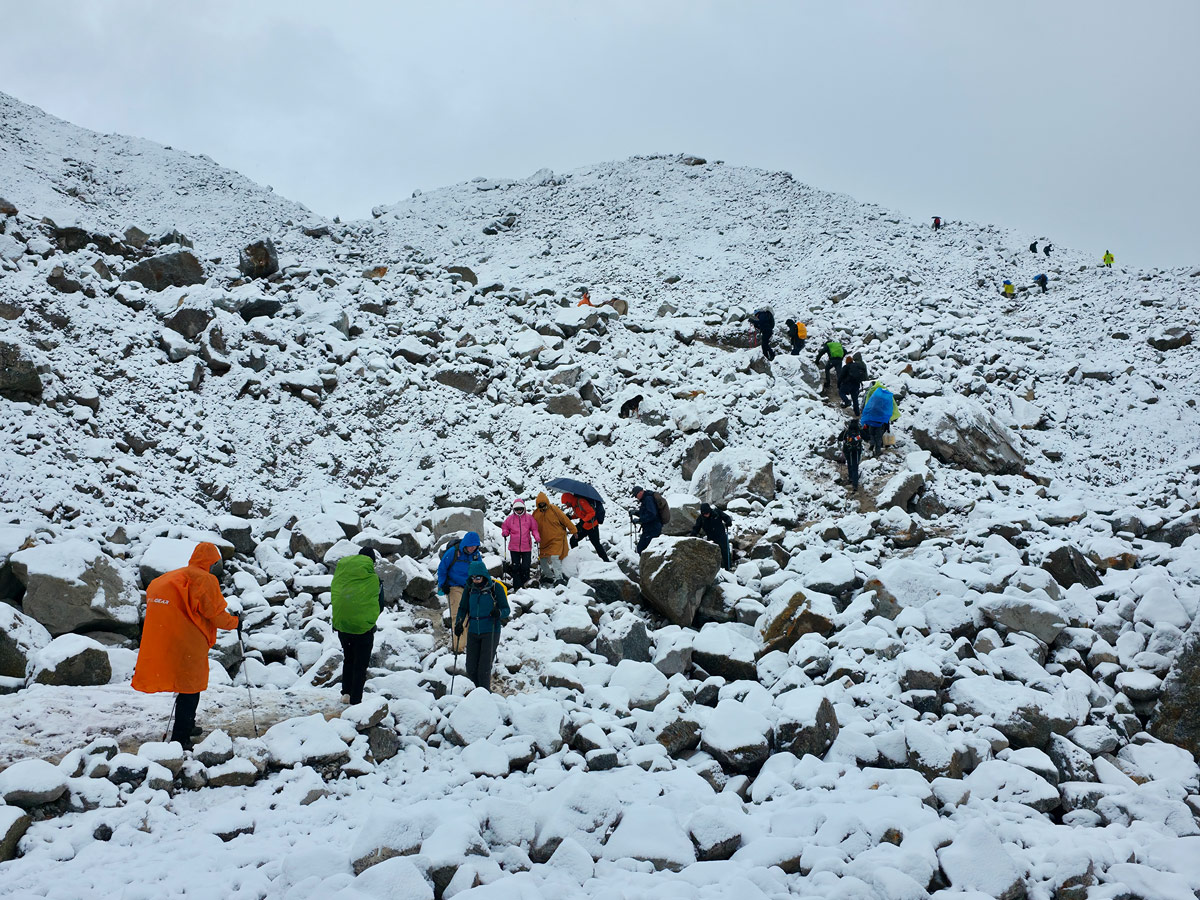
As with any Everest Base Camp trek, altitude remains a significant challenge, particularly above 5,000 m (16,404 ft), where the risk of acute mountain sickness (AMS) increases. Trekkers should also be prepared for cold mornings and nights at higher elevations, even though daytime temperatures are generally comfortable.
Proper planning, flexible travel schedules, and suitable gear can help overcome these challenges and ensure a successful trek.
Major Highlights of Everest Base Camp Trekking in September
- Experience the beauty of the Everest region after the monsoon, with lush green hills, vibrant forests, and fresh mountain landscapes.
- Enjoy increasingly clear views of Mount Everest, Lhotse, Nuptse, Ama Dablam, Makalu, and other Himalayan peaks as autumn approaches.
- Trek through the spectacular landscapes of Sagarmatha National Park, where waterfalls, rivers, and vegetation are at their most vibrant.
- Explore Namche Bazaar, the bustling Sherpa town and visit Tengboche Monastery, the largest monastery in the Khumbu region.
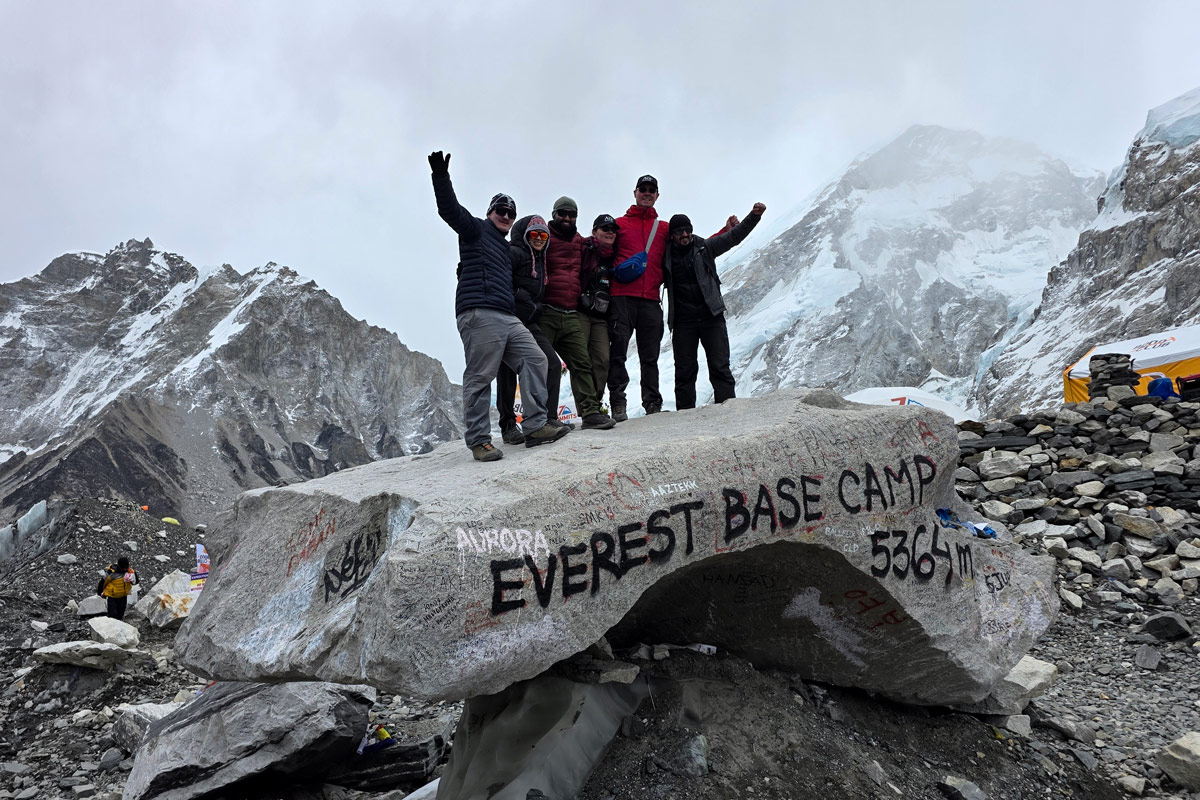
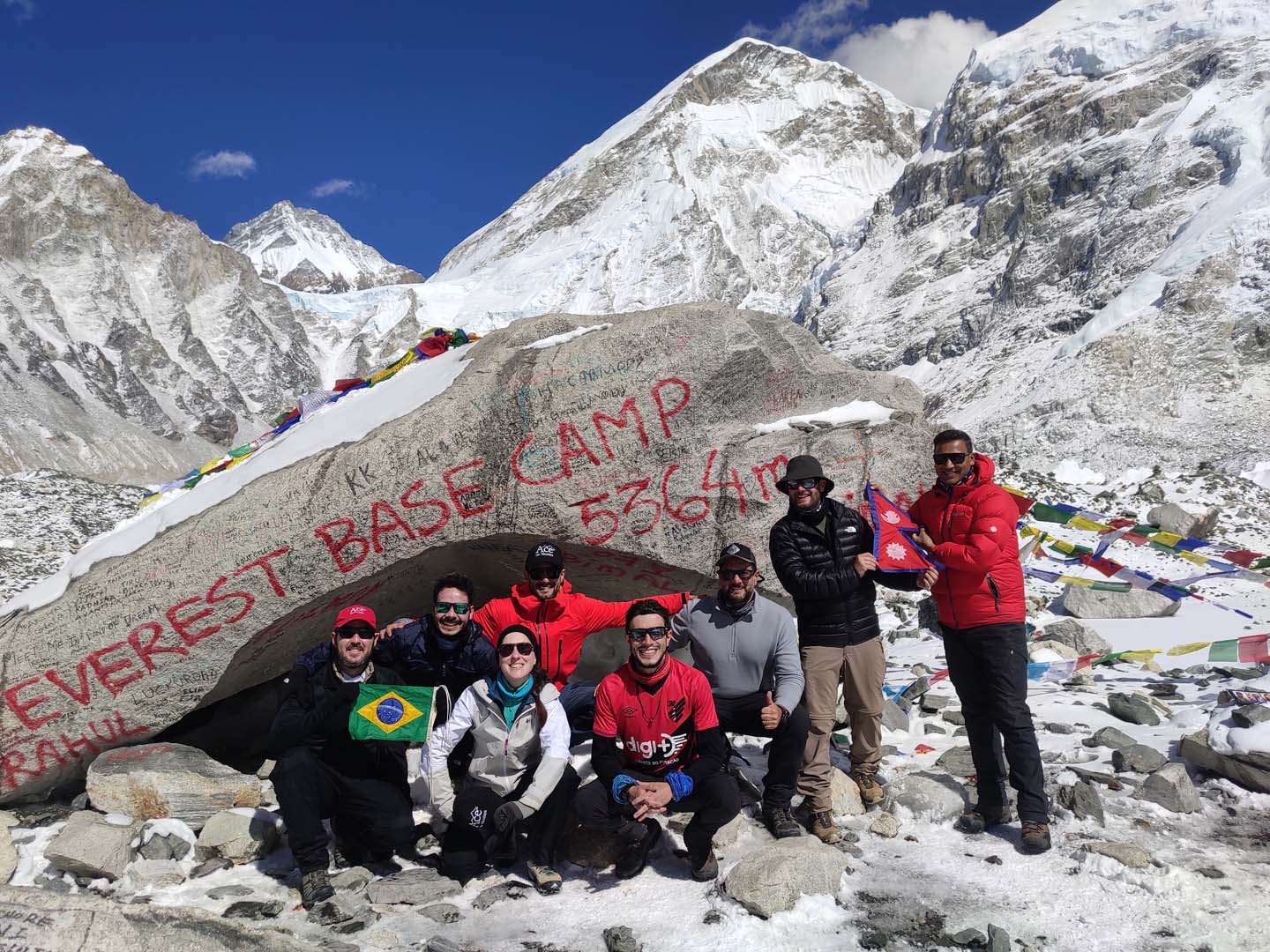
- Stand at Everest Base Camp (5,364 m/17,598 ft), the legendary destination at the foot of the world’s highest mountain.
- Hike to Kala Patthar (5,545 m/18,192 ft) for one of the most breathtaking close-up views of Mount Everest.
- Experience the thrill of landing at Tenzing-Hillary Airport in Lukla, the starting point of the Everest Base Camp Trek.
- Trek through traditional Sherpa villages such as Phakding, Namche Bazaar, Tengboche, Dingboche, Lobuche, and Gorakshep.
- Enjoy relatively quieter trails and tea houses compared to the busier month of October.
- Capture stunning post-monsoon photography opportunities with crystal-clear skies, fresh landscapes, and dramatic mountain backdrops.
- Witness the beginning of Nepal’s famous autumn trekking season, known for its stable weather and excellent trekking conditions.
Everest Base Camp Trail Conditions and Crowd Levels in September
The Everest Base Camp Trek in September offers excellent conditions for completing the famous Everest Base Camp Trek, a journey of approximately 130 km (81 miles) round trip from Lukla to Everest Base Camp that takes trekkers through Sherpa villages, alpine landscapes, and some of the world’s most spectacular mountain scenery.
Trail Conditions in Early September
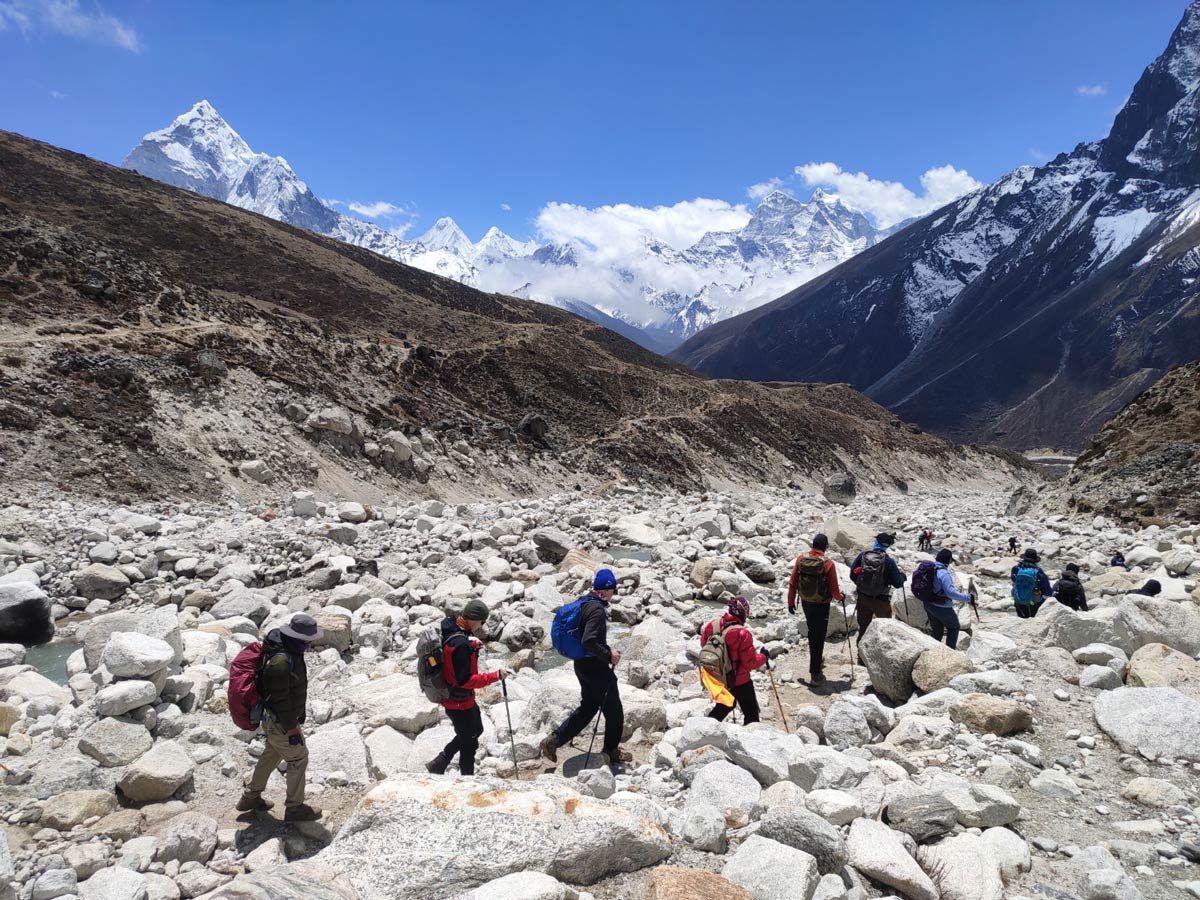
Early September can still experience the effects of the summer monsoon. Trekkers may encounter occasional rain showers, wet stone staircases, muddy trail sections, and cloudy afternoons, particularly at Namche and Tengboche.
While these conditions can make some parts of the trail slippery, the Everest Base Camp route is well-established and regularly maintained, making navigation relatively straightforward.
Trail Conditions in Late September
Trail conditions improve significantly as September progresses. By the second half of the month, rainfall decreases, skies become clearer, and the trails gradually dry out.
Firmer paths and improved visibility make trekking more enjoyable, while the surrounding mountain scenery becomes increasingly spectacular.
Many trekkers consider late September to offer some of the best trail conditions of the entire autumn season, combining fresh landscapes with stable weather.
Crowd Levels Along the Everest Trail during September
September marks the transition from the quieter monsoon season to Nepal’s busy autumn trekking season. The first half of the month generally sees fewer trekkers on the trail, allowing for a more peaceful experience.
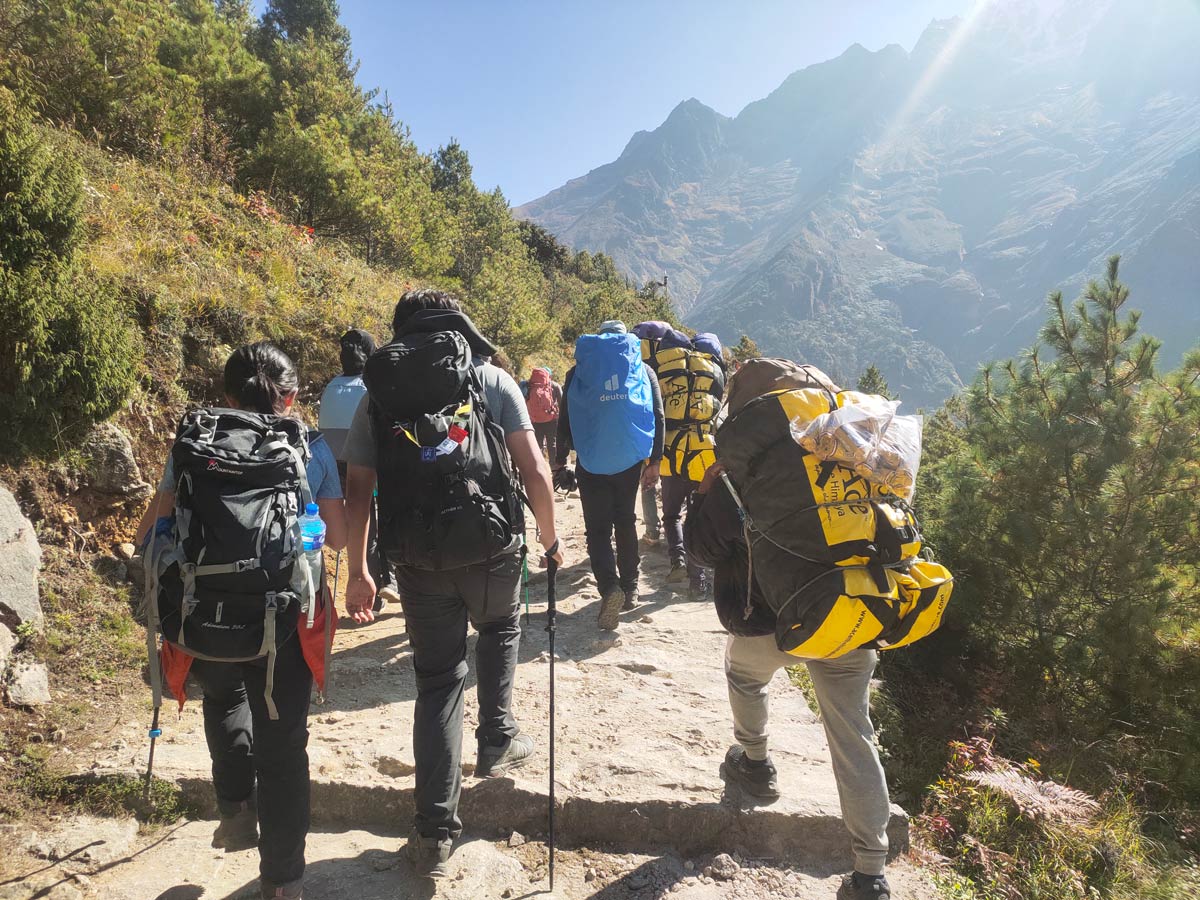
As weather conditions improve, the number of visitors gradually increases, especially toward late September. However, even during the busiest days of the month, the trail is usually less crowded than in October, which is traditionally the peak trekking month in the Everest region.
Tea House Availability During September
Tea houses along the Everest Base Camp route operate normally throughout September, offering accommodation and essential services to trekkers. Most lodges provide basic twin-sharing rooms, communal dining halls, charging facilities, Wi-Fi services where available, and hot showers for an additional fee.
Availability is generally good during early September, but demand increases toward the end of the month as more trekkers arrive for the autumn season.
Difficulty Level of Everest Base Camp Trek in September
The Everest Base Camp Trek remains a challenging high-altitude trek regardless of the season. The total Everest trekking distance is approximately 130 kilometers (81 miles) round trip, depending on the itinerary.
Altitude Challenges Above 5,000 m: The greatest challenge is altitude rather than terrain. Trekkers gradually ascend from Lukla at 2,860 m (9,383 ft) to Everest Base Camp at 5,364 m (17,598 ft). As altitude increases, due to low air pressure, making physical activity more demanding.
Weather-Related Challenges During September: While September offers favorable conditions overall, trekkers should still prepare for:
- Rain in early September
- Cold mornings and nights
- Rapid weather changes
- Potential flight disruptions
Packing appropriate waterproof and warm clothing helps manage these challenges effectively.
Is the September EBC Trek Suitable for Beginners?
Yes, many first-time trekkers successfully complete the Everest Base Camp Trek in September. You do not need technical climbing skills or mountaineering experience.
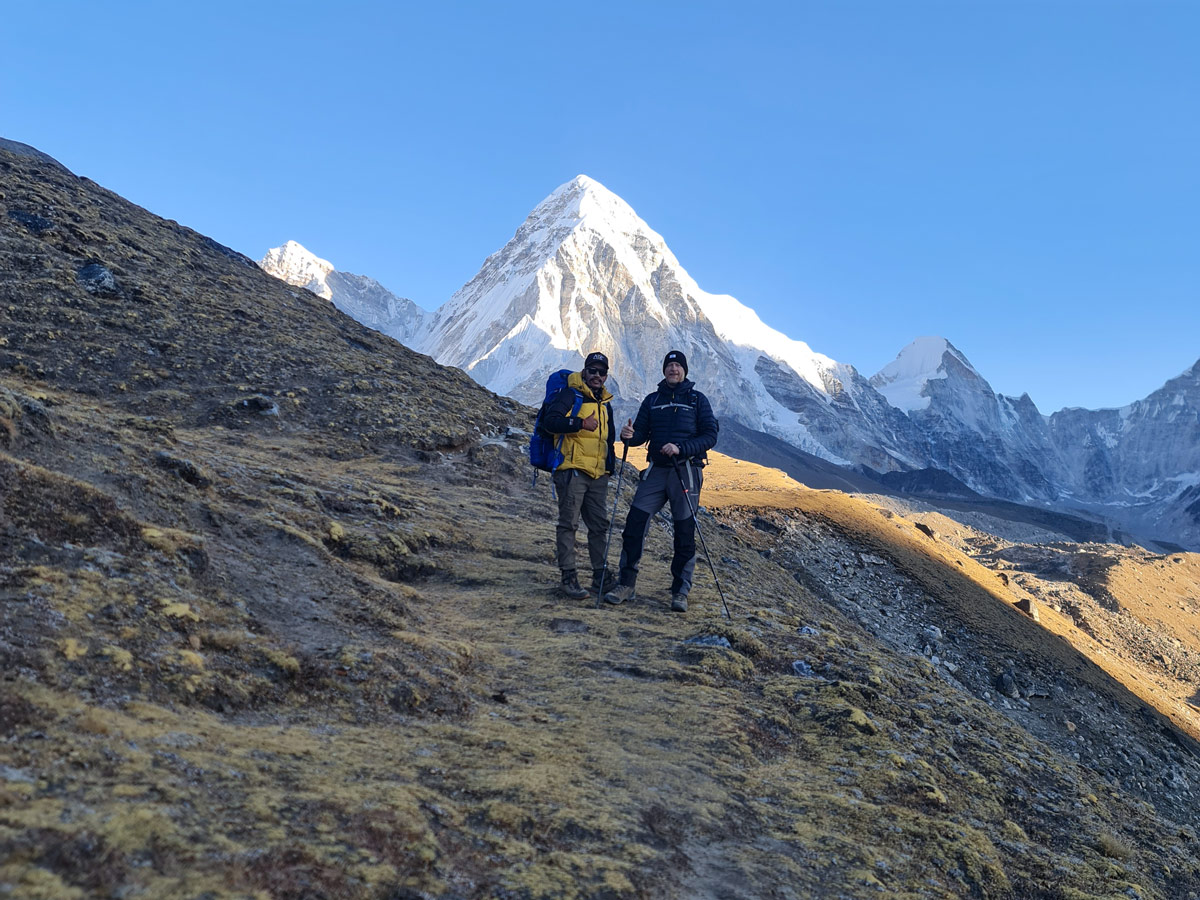
However, beginners should prepare by:
- Building cardiovascular fitness
- Practicing long-distance hiking
- Strengthening leg muscles
- Following a proper acclimatization schedule
A well-paced Everest Base Camp Trek itinerary with proper acclimatization days in Namche Bazaar and Dingboche greatly improves the chances of a safe and enjoyable trek.
Accommodation and Food During September in the EBC Trek
September is the beginning of the busy autumn trekking season, and tea houses throughout the Everest region are fully operational. Trekkers can expect comfortable accommodation options and a wide variety of meals along the trail.
Tea House Accommodation Along the Trail
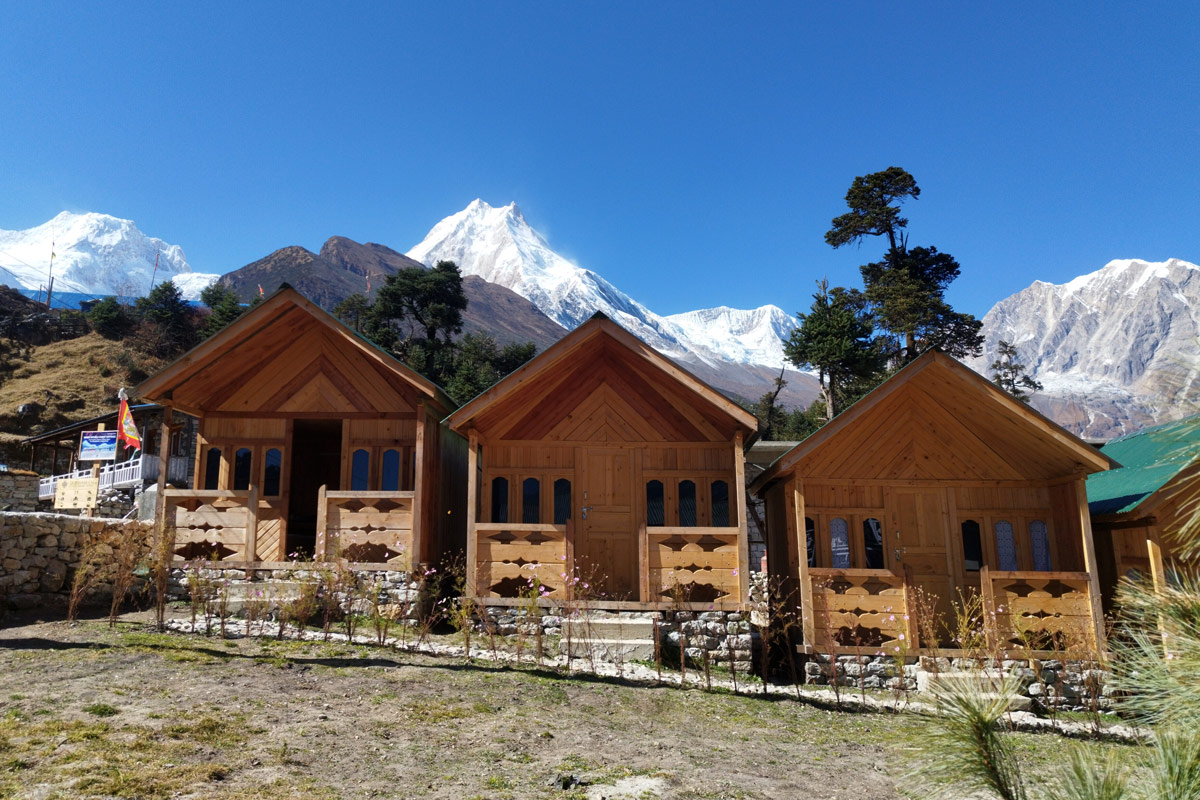
The Everest Base Camp Trek is primarily supported by a network of tea houses that provide accommodation and meals. Rooms are usually simple but comfortable, typically featuring twin beds, blankets, pillows, and shared bathroom facilities. Some villages, particularly Namche Bazaar and a few lower-elevation settlements, offer rooms with attached bathrooms and upgraded amenities.
As you gain altitude, facilities become more basic, but the warm hospitality of local lodge owners remains one of the highlights of the trek.
Food Options Available During September
Trekkers are often surprised by the variety of food available in the Everest region. Most tea houses offer extensive menus featuring both Nepali and international dishes.
Popular options includes:
- Dal Bhat (rice, lentils, vegetables, and curry)
- Fried rice
- Noodles and pasta
- Momos (Nepali dumplings)
- Soups
- Pancakes
- Eggs and toast
- Potatoes
- Porridge
- Tea, coffee, and hot chocolate
Dal Bhat remains the preferred choice for many trekkers for not just September but all year round because it provides a balanced and energy-rich meal for long trekking days.
What to Pack for September Everest Base Camp Trek
You have to properly prepare a good packing list for Everest Base Camp Trek in September. Since weather conditions can vary between lower and higher elevations, a layered clothing system works best for Everest base camp trek in September.
Clothing
A proper layering system allows trekkers to adjust to changing temperatures throughout the day. The recommended clothing are:
- Moisture-wicking base layers
- Lightweight trekking shirts
- Fleece jacket
- Insulated down jacket
- Waterproof shell jacket
- Waterproof pants
- Trekking pants
- Thermal underwear
- Warm gloves
- Beanie or wool hat
- Sun hat or cap
Layers can be added or removed depending on weather conditions and elevation.
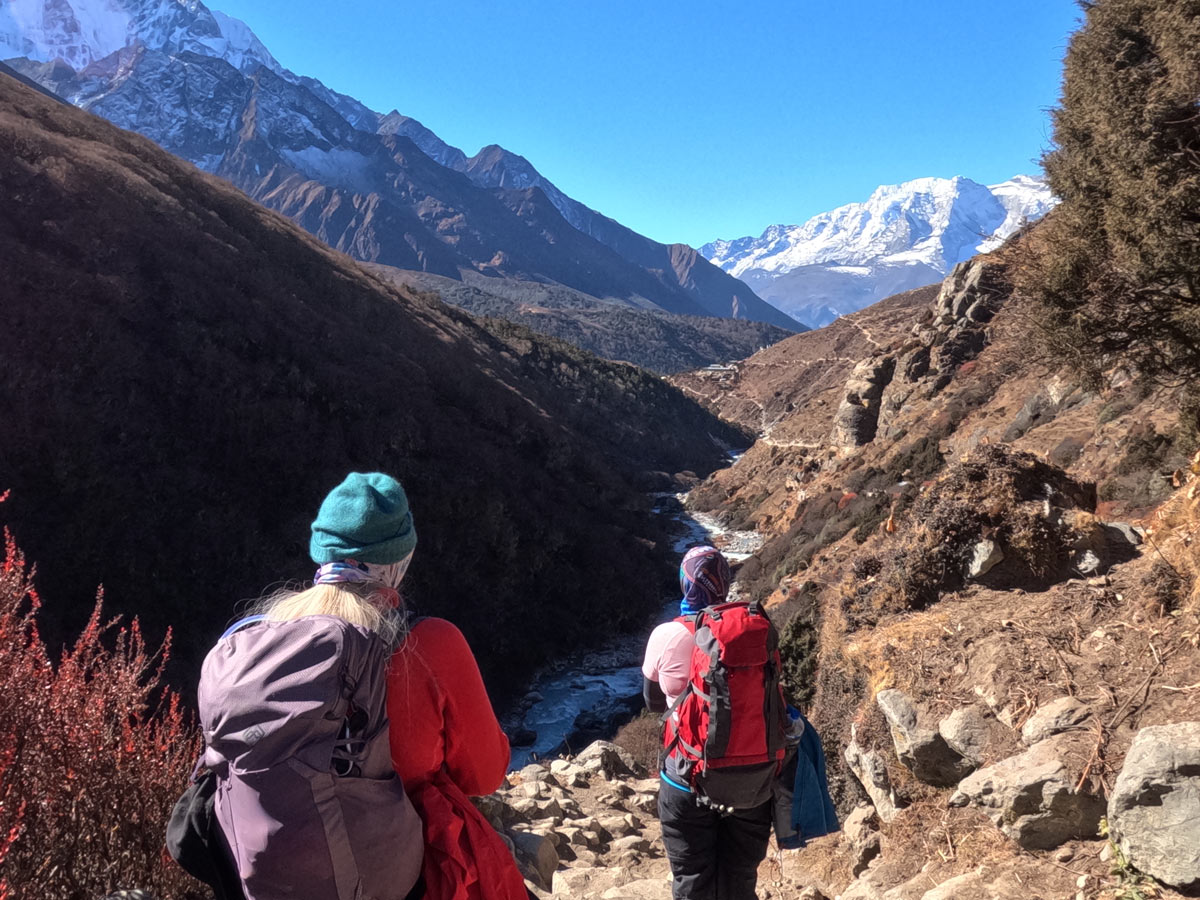
Gear Essentials
Having the right equipment can greatly improve comfort and safety during the trek. Some essential gear includes:
- Waterproof trekking boots
- Trekking poles
- Backpack (30–40 liters for day use)
- Backpack rain cover
- Headlamp
- Sunglasses with UV protection
- Sunscreen
- Reusable water bottles
- Water purification tablets or filter
- Sleeping bag suitable for cold temperatures
- Power bank
- Personal first-aid kit
Optional but Useful Items
Although not essential, several items can make the trek more comfortable. Some useful additions include:
- Gaiters
- Camera and spare batteries
- Dry bags
- Energy bars and snacks
- Lip balm
- Moisturizer
- Lightweight umbrella
- Travel pillow
- Earplugs
These small items can significantly enhance comfort during long trekking days in September for EBC trek and overnight stays in tea houses.
What Wildlife and Scenery Can You Expect in September?
One of the greatest rewards of the Everest Base Camp Trek in September is the spectacular scenery. As the monsoon season comes to an end, the landscapes are refreshed with vibrant greenery, rivers flow at their fullest, and mountain views become increasingly clear.
Since the trail passes through Sagarmatha National Park, a UNESCO World Heritage Site, trekkers also have the opportunity to observe diverse Himalayan flora and wildlife.
Rhododendron and Pine Forests
The forests below Tengboche are at their most vivid in September as every shade of green stacked on top of itself. Himalayan thar, musk deer, and the occasional red panda have been spotted in the forested sections between Lukla and Namche.
Waterfalls and Rivers After the Monsoon
The Dudh Koshi River runs full and powerful in September, roaring beneath the suspension bridges that define the lower trail. Side valleys pour with waterfalls that simply don’t exist in drier months. It’s visually dramatic in a way that October, for all its clarity, can’t quite match.
Clearer Views of Everest, Lhotse, Ama Dablam, and Nuptse
Peaks like Mount Everest (8,848.86 m), Lhotse (8,516 m), and Ama Dablam (6,812 m) appear crystal clear from mid-September onward. The first clear morning view of Everest from Namche’s ridge, or from the trail above Tengboche, is the moment most trekkers describe as the trip’s emotional peak, even before reaching Base Camp itself.
Tips for Trekking Everest Base Camp in September
A little preparation goes a long way in making your Everest Base Camp Trek safe, comfortable, and enjoyable. These practical tips will help you make the most of your September adventure.
- Pack waterproof clothing and gear as early September can still experience occasional rain showers.
- Include one or two buffer days in your itinerary to accommodate possible Lukla flight.
- Start your trek early each morning to enjoy clearer skies and more stable weather conditions.
- Dress in layers so you can easily adjust to changing temperatures throughout the day.
- Stay well hydrated and follow your acclimatization schedule to reduce the risk of altitude sickness.
- Wear waterproof trekking boots with good grip to navigate wet or slippery trail sections safely.
- Book your flights and trekking package in advance, especially if you plan to travel in late September.
- Check the weather forecast regularly, but be prepared for changing mountain conditions at any time.
Final Thoughts on Everest Base Camp Trekking in September
The Everest Base Camp Trek in September is an excellent choice for trekkers looking to experience the Himalayas at the start of Nepal’s renowned autumn trekking season. With comfortable daytime temperatures, lush post-monsoon landscapes, and increasingly clear mountain views, September offers an ideal balance of natural beauty and favorable trekking conditions.
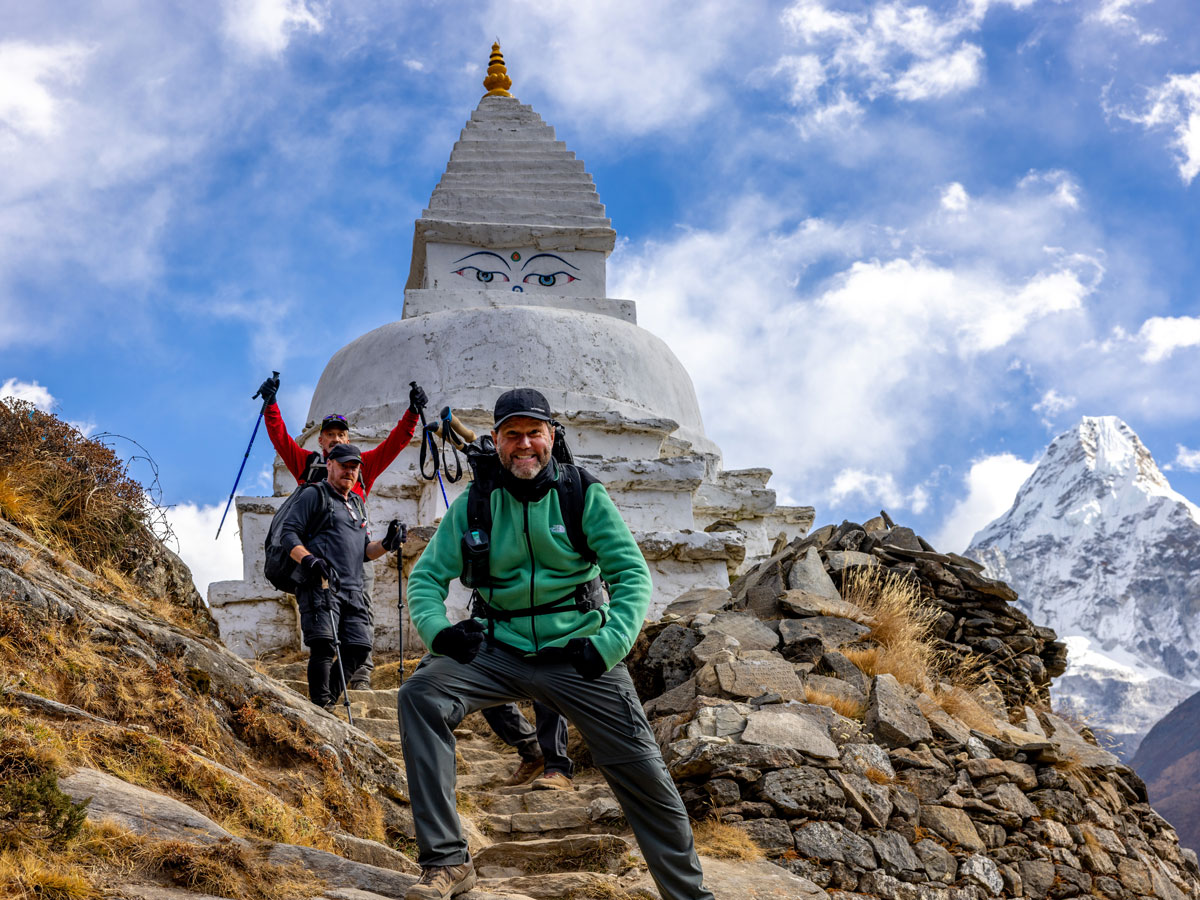
The relatively lower crowd levels compared to October also make the journey more relaxed while still providing access to fully operational tea houses and trekking services during September EBC Trek.
With proper planning, suitable gear, and a well-designed itinerary that includes acclimatization days and buffer time, the Everest Base Camp Trek in September can be a safe, rewarding, and unforgettable adventure for both first-time trekkers and experienced hikers alike.