


Pheriche is a high-altitude settlement in Nepal’s Khumbu region and an important stop on the Everest Base Camp trek. Located at 4,240 meters (13,911 feet) above sea level, the village sits in a broad Himalayan valley surrounded by rugged mountain terrain. It is particularly known among trekkers for its location on the Everest region trekking route and for the Pheriche Aid-Post operated by the Himalayan Rescue Association (HRA).
For trekkers, Pheriche has a different character from the busier settlements lower on the Everest trail. There are teahouses and lodges for overnight stays, dining facilities for trekkers, and basic services, but the environment remains distinctly high-altitude and remote.
On our 14-day Everest Base Camp Trek, Pheriche is an overnight stop on the return journey from Everest Base Camp. After an early-morning hike to Kala Patthar, you descend to Pheriche and spend the night before continuing toward Namche Bazaar the following day.
Pheriche is therefore not simply another place to sleep on the Everest trail. Its location, altitude, medical facilities, mountain environment, and role in the return journey make it an important part of the overall Everest trekking experience.
Where is Pheriche Village?
Pheriche is located in the Khumbu region of Nepal, within the Everest trekking area. The village lies along the trekking route leading toward Everest Base Camp, after Tengboche and Pangboche and before the higher settlements around Lobuche and Gorak Shep.
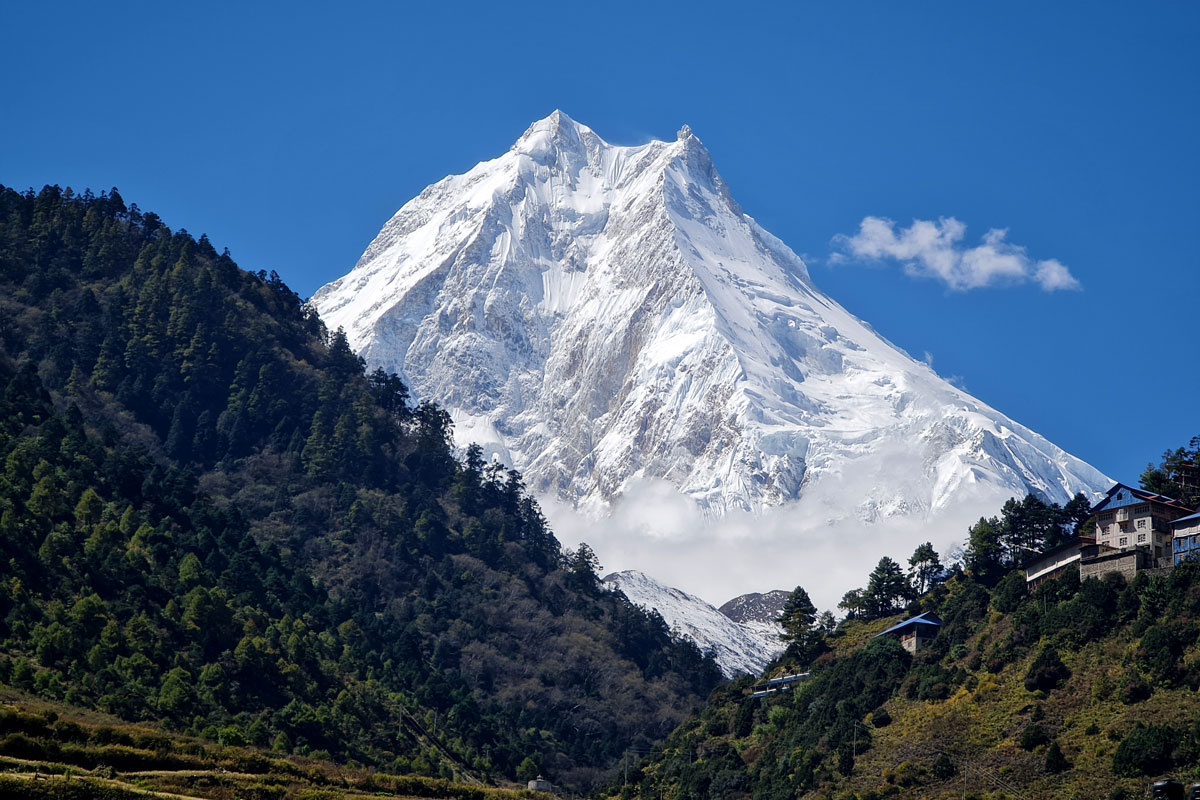
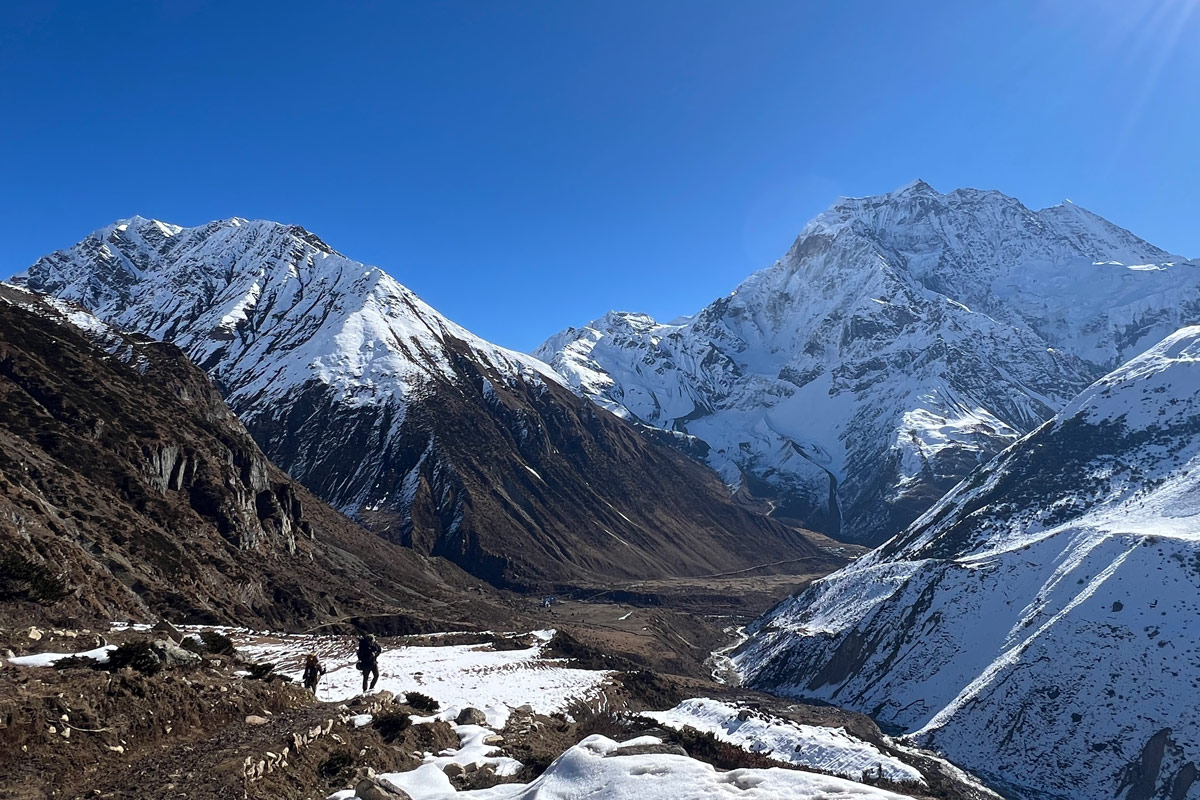
Pheriche’s surroundings are typical of the upper Khumbu landscape. As trekkers climb higher from Namche Bazaar, the dense forests seen at lower elevations gradually give way to a more open alpine environment. Around Pheriche, the landscape is dominated by mountain slopes, open valleys, stone structures, and sparse high-altitude vegetation.
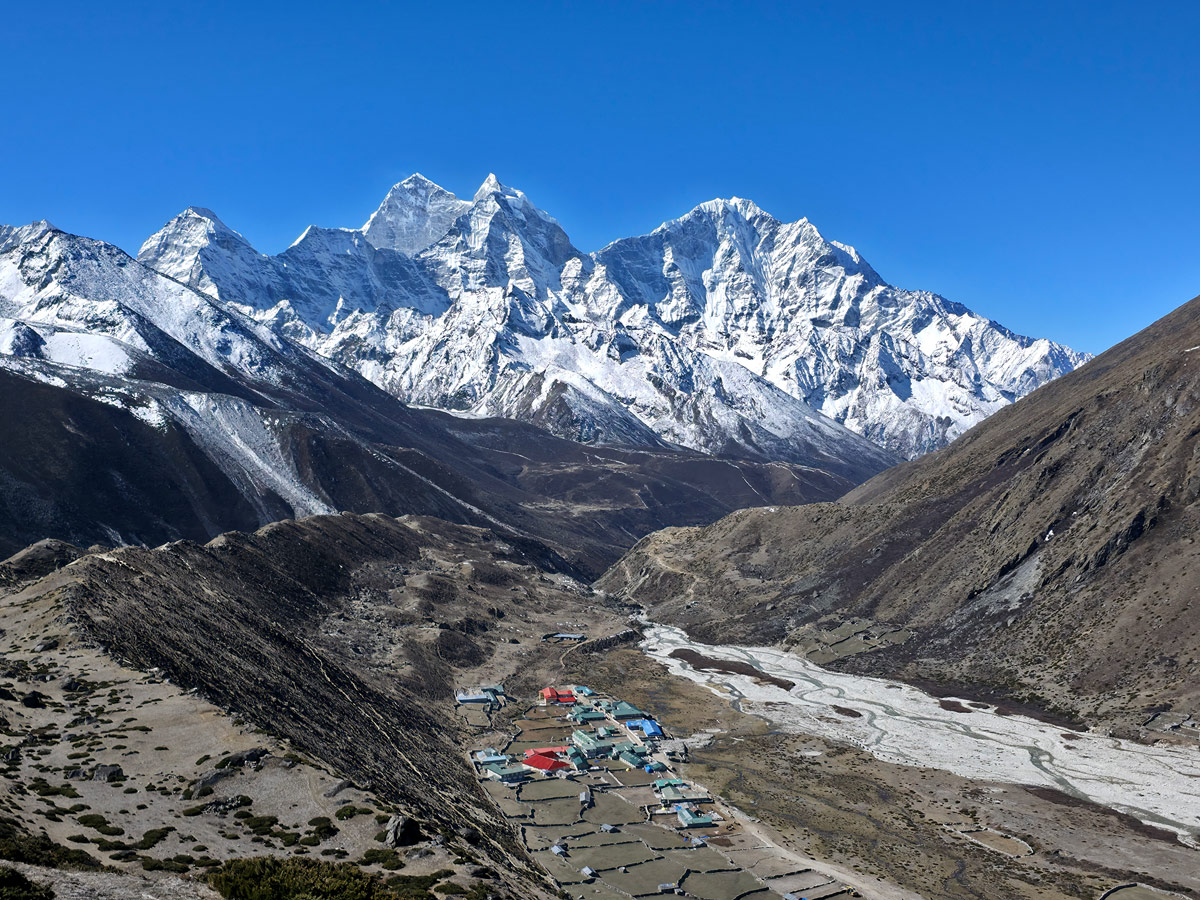
This change in scenery is one of the defining features of the Everest Base Camp trek. The journey begins in the lower Khumbu and gradually moves into increasingly demanding high-altitude terrain.
How High Is Pheriche village?
At 4,240 meters (13,911 feet), Pheriche is firmly within the high-altitude environment. Trekkers can expect colder temperatures, lower air pressure, and greater physical demands than at lower settlements such as Lukla, Phakding, or Namche Bazaar.
At this altitude above 4200 m (13,779 ft), it is important to take your time and allow your body to adjust gradually. You have to avoid gaining elevation too quickly, follow a well-planned acclimatization schedule, and include rest days when needed.
Staying hydrated, eating properly, and paying attention to how you feel can make a significant difference as you continue higher into the Everest region. For this reason, gradual acclimatization is an important part of the Everest Base Camp journey.
If you are preparing for the trek, our detailed guide to the elevation gain during Everest Base Camp trek can help you understand how elevation changes from Lukla to Everest Base Camp.
How Do You Reach Pheriche?
There is no road or airport connection to Pheriche. Trekkers reach the village by following the established mountain trails of the Khumbu region.
For the standard Everest Base Camp route, most trekkers begin their journey at Lukla Airport, also known as the gateway to the Everest region. From Lukla, the trail leads through Phakding and Namche Bazaar before continuing toward Tengboche.
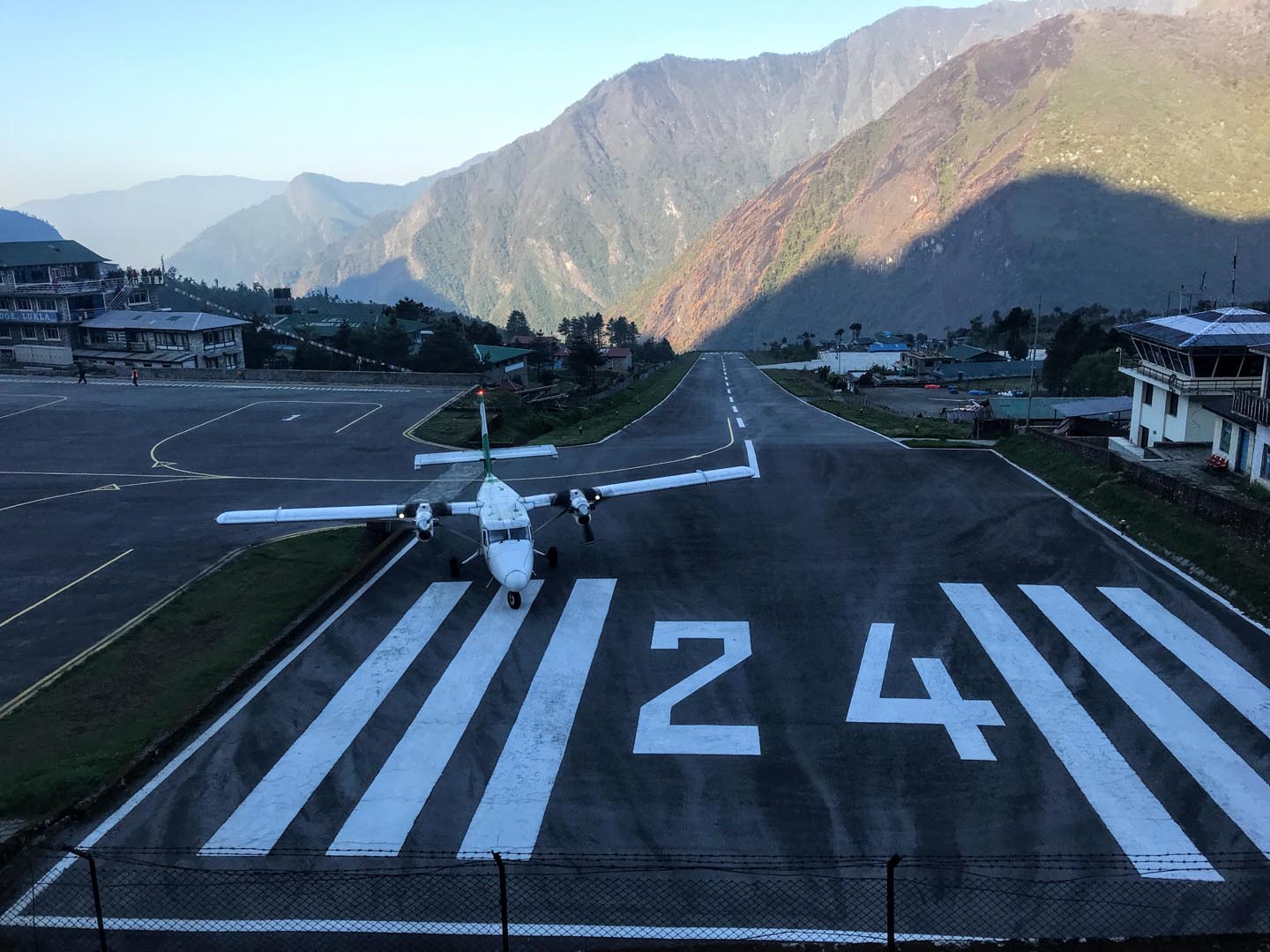
After Tengboche, the trail continues through Pangboche and toward the Pheriche or Dingboche area. From the upper Khumbu, the trail continues toward Lobuche and Gorak Shep before reaching Everest Base Camp.
On the return journey, trekkers descend through the same general network of trails, although the exact overnight stops depend on the itinerary.
Pheriche on the Everest Base Camp Route
Pheriche occupies an interesting position on the Everest Base Camp trail.
A standard Everest Base Camp trekking route passes through Lukla, Phakding, Namche Bazaar, Tengboche, Pangboche, Pheriche or Dingboche, Lobuche, and Gorak Shep before reaching Everest Base Camp.
However, this should not be interpreted as a single fixed route in which every trekker stays overnight in every settlement. Pheriche and Dingboche are alternative settlements on parts of the route, and trekking itineraries use them differently.
You may visit both villages while staying overnight in only one of them, depending on your itinerary.
What Is Pheriche Famous For?
Pheriche is particularly known for its high-altitude location, important position on the Everest Base Camp trekking route, spectacular Himalayan scenery, and the Himalayan Rescue Association Aid-Post.

- Himalayan Rescue Association Aid-Post: Pheriche is home to an HRA medical aid post, which provides medical assistance and information about altitude-related illnesses to trekkers and mountaineers during its operating periods.
- High-altitude location: Situated at around 4,240 meters (13,911 feet), Pheriche is one of the higher settlements on the Everest Base Camp trekking route, where the effects of altitude become more noticeable.
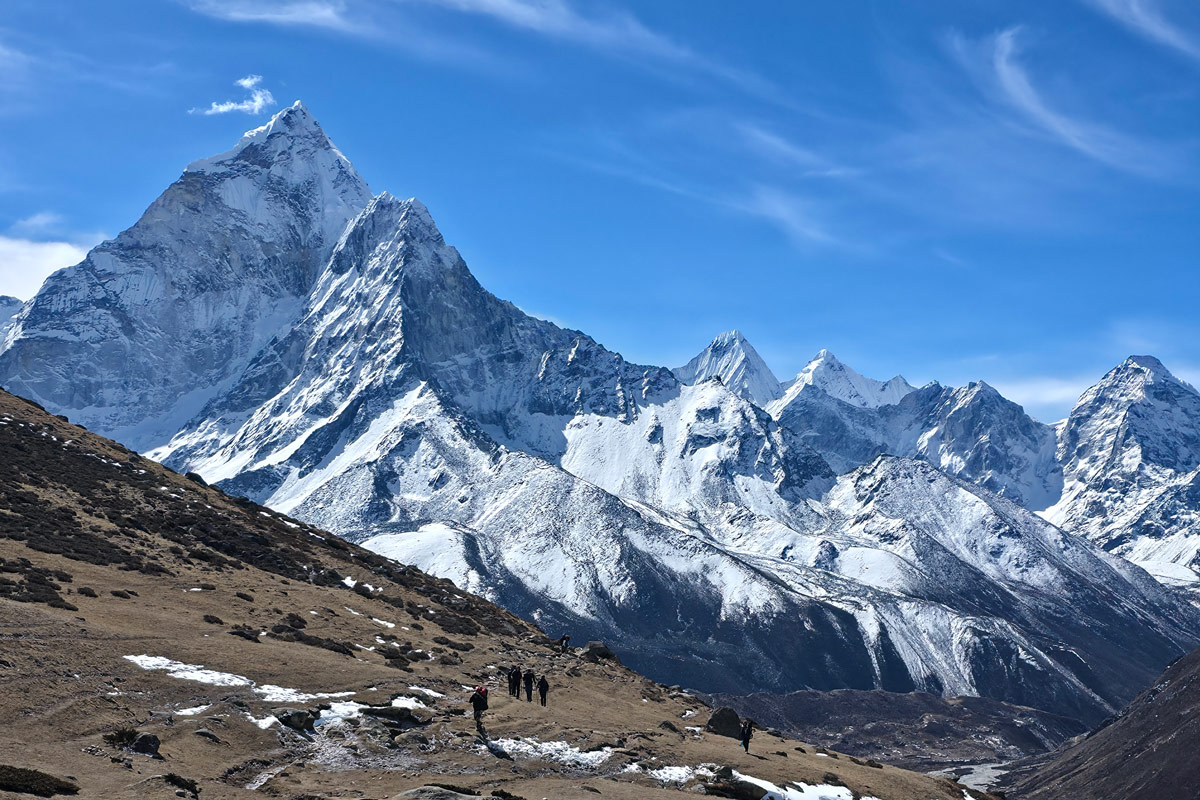
- Spectacular Himalayan scenery: The village is surrounded by dramatic mountain landscapes such as Ama Dablam, Lhotse, and Island Peak, with an open setting that allows trekkers to appreciate the scale of the Himalayas.
- Pheriche Valley: The village lies in a broad, open alpine valley with rugged mountain slopes, stone structures, and high-altitude terrain.
- Everest Base Camp trekking route: Pheriche is an important settlement on the route to Everest Base Camp. Depending on the itinerary, trekkers may pass through the village while ascending or stay overnight there during the descent.
- High-altitude mountain environment: As you travel higher from Namche Bazaar toward Pheriche, vegetation becomes increasingly sparse and the landscape changes into a more exposed alpine environment.
- Traditional teahouse experience: Pheriche offers trekking lodges and teahouses where visitors can stay overnight, enjoy local meals, and experience the simple hospitality of the high Himalayas.
- Mountain photography: The open valley and surrounding Himalayan scenery provide excellent opportunities for landscape photography, particularly when the weather is clear.
- A key stop on the return journey: On most of standard Everest Base Camp trek, trekkers descend to Pheriche after the early-morning hike to Kala Patthar, stay overnight, and continue toward Namche Bazaar the following day.
Pheriche or Dingboche: Where Should You Stay?
This is one of the most practical questions for people planning an Everest Base Camp trek.
Pheriche and Dingboche are both high-altitude settlements on the Everest route, and both provide trekking accommodation. However, they have different roles depending on the itinerary.
Dingboche is commonly used as an acclimatization base, while Pheriche is frequently used as an overnight stop on the return journey.
Pheriche vs Dingboche
| Feature | Pheriche | Dingboche |
| Approximate elevation | Around 4,200–4,250 m | Around 4,400 m |
| Role on EBC route | Route settlement and common descent stop | Major acclimatization stop |
| Accommodation | Teahouses and lodges | Teahouses and lodges |
| Medical importance | HRA Pheriche Aid-Post | No equivalent HRA aid post |
| Environment | Open alpine valley | Alpine settlement in the Imja Valley |
| Acclimatization | Depends on itinerary | Commonly used for acclimatization |
| Facilities | Basic trekking facilities | Basic to more developed trekking facilities |
| Best choice | Depends on itinerary and descent plan | Often preferred for acclimatization |
| Can you stay overnight? | Yes | Yes |
The most important point is that you should not choose between Pheriche and Dingboche solely based on which village is “better.” Your trekking itinerary, acclimatization schedule, daily walking distance, and sleeping altitude are more important considerations.
Accommodation in Pheriche
Pheriche has several teahouses and trekking lodges such as Pumori Guest house, The Edelweiss Pheriche, Snow Land Lodge, that provide accommodation for trekkers traveling through the Everest region. The accommodation is mainly designed around the needs of trekkers, offering a comfortable place to sleep, eat, and rest after a day of walking.

Rooms are generally basic and commonly have twin beds with mattresses, pillows, and blankets. Private rooms may also be available depending on the lodge and availability, particularly when arranged in advance.
Bathroom facilities vary between properties. Shared bathrooms are common, while some lodges may offer rooms with attached bathrooms. Hot showers may also be available at some teahouses, usually as an additional service.
Most lodges also have a communal dining area where trekkers can enjoy meals and spend time relaxing. Typical meals include dal bhat, noodles, pasta, rice dishes, potatoes, soups, eggs, bread, and a variety of hot drinks. The selection can vary depending on the lodge and availability of supplies.
Electricity and Charging in Pheriche
Electricity is available in Pheriche, and trekking lodges generally have access to power for lighting and basic charging needs. However, electricity supply and charging facilities can vary between lodges, and charging may not always be as convenient as it is in Kathmandu or lower-altitude towns.
Trekkers can usually charge essential electronic devices at their accommodation, but it is a good idea to carry a power bank as a backup. This is particularly useful if you use your phone for photography, navigation, communication, or keeping important travel information accessible. Keeping devices charged before heading toward higher sections of the trail is also a sensible precaution.
Wi-Fi and Internet in Pheriche
Wi-Fi and internet access may be available at some teahouses and lodges in Pheriche, although the quality and reliability of the connection can vary.
Internet service at high altitude is generally slower and less consistent than in Kathmandu, and connectivity can be affected by weather, network conditions, and the lodge’s available service.
If staying connected is important to you, it is best to consider internet access in Pheriche as a convenience rather than something to depend on throughout the day.
Drinking Water in Pheriche
Trekkers need to pay attention to drinking water throughout the Everest Base Camp trek.
Water is available at settlements along the route, but travelers should use an appropriate treatment method before drinking untreated local water.

Depending on the trekking package and lodge, options can include treated or filtered water, boiled water, or bottled water.
We provide you with Katadyn water filter which helps you to consume safe water throughout the trek.
Pheriche Weather and Climate
Pheriche has a cold high-altitude mountain climate. Temperatures can be particularly cold in the morning, evening, and overnight. Weather conditions can also change quickly in the high Himalayas.
The main trekking seasons for the Everest region are generally spring and autumn, when trekking conditions are commonly more favorable. However, weather can never be guaranteed in the mountains.
Winter brings colder conditions and greater potential for snow and freezing temperatures, while the monsoon season affects different parts of the Everest route in different ways.
Trekkers should therefore pack for cold conditions even when traveling during the main trekking seasons.
Why Is Pheriche the Overnight Stop After Kala Patthar?
On 14 day of the EBC itinerary, trekkers reach Everest Base Camp at 5,364 meters (17,598
before returning to Gorak Shep.
The following morning, they climb to Kala Patthar at 5,555 meters (18225 feet) and then descend to Pheriche at 4,240 meters (13,911 feet).
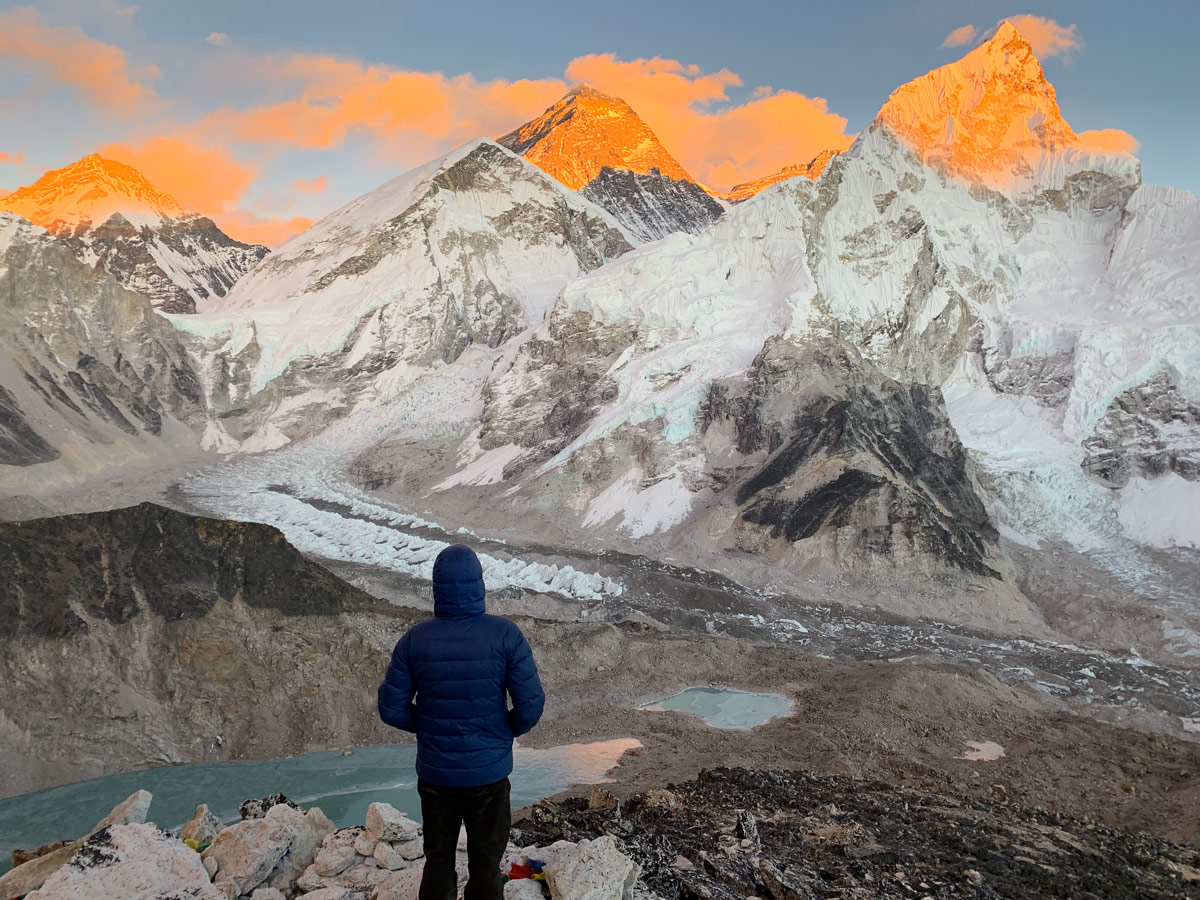
This is a substantial descent in sleeping elevation.
The purpose of this section is not simply to “rest” at Pheriche. The itinerary is designed so that trekkers begin descending after reaching the highest parts of the route.
The next day, the trail continues from Pheriche toward Namche Bazaar, taking trekkers progressively lower into the Khumbu.
What Should You Pack for Pheriche?
You do not need a separate packing list just for Pheriche. Instead, your equipment should be suitable for the high-altitude section of the Everest Base Camp trek.
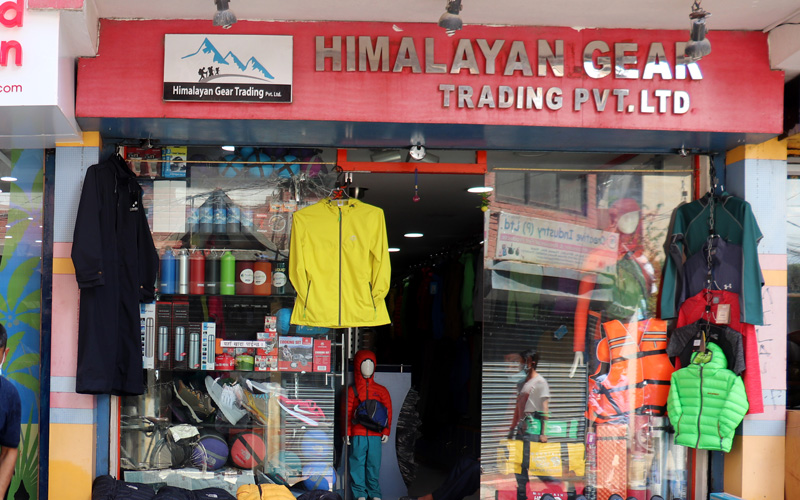
Important items include:
- Warm sleeping bag
- Down jacket
- Thermal base layers
- Warm gloves
- Warm hat
- Sunglasses
- Sunscreen
- Reusable water bottle
- Water purification method
- Headlamp
- Power bank
- Personal medications
- Trekking poles
- Suitable trekking footwear
- Moisturizer and lip balm
The most important thing is to be prepared for cold conditions and changing mountain weather.
Practical Tips for Staying in Pheriche
- Follow your acclimatization plan: Take the Everest trek at a steady pace and allow your body enough time to adjust as you gain altitude. Avoid pushing yourself unnecessarily, particularly above 4,000 meters (13,123 feet).
- Stay hydrated: Drink enough clean, appropriately treated water throughout the day. Staying hydrated is especially important in the dry, cold conditions of the high Himalayas.
- Eat properly: Continue eating regular, nutritious meals even when your appetite decreases at higher elevations. Your body needs sufficient energy for trekking and recovery.
- Keep warm: Temperatures can drop quickly after sunset. Keep your down jacket, warm layers, gloves, and sleeping bag easily accessible, especially in the evening and overnight.
- Communicate any symptoms: If you develop a headache, dizziness, nausea, unusual tiredness, or other symptoms that concern you, inform your guide promptly. Do not hide symptoms simply because you want to continue the trek.
- Carry a power bank: Electricity and charging facilities may vary between lodges. A power bank provides a useful backup for your phone, camera, or other essential devices.
- Keep important information offline: Internet connectivity can be unreliable at high altitude. Download important maps, booking details, emergency contacts, and other useful information before heading into areas with limited connectivity.
- Respect the local environment: Pheriche is a remote Himalayan settlement. Minimize waste, use reusable water bottles, dispose of rubbish responsibly, and respect local communities, customs, and the surrounding mountain environment.
Is Pheriche Worth Visiting?
Yes, particularly if you are trekking through the Everest region.
Pheriche is not primarily a sightseeing destination filled with conventional attractions. Its value comes from the experience of being in a high-altitude Himalayan settlement and from its important position on the Everest trekking route.

It provides:
- High-altitude mountain scenery
- Teahouse and lodge accommodation
- Access to basic trekking facilities
- A quieter alpine environment
- A practical overnight stop on the descent from the Everest Base Camp area
For trekkers completing the Everest Base Camp trek, Pheriche can become particularly memorable because of where it appears in the journey.
Final Thoughts
Pheriche is an important stop on the Everest Base Camp trek, offering trekkers a true high-altitude Himalayan experience. At 4,240 meters (13,911 feet), its open landscape, mountain views, and simple teahouses feel very different from lower villages such as Namche Bazaar and Tengboche.
Pheriche also plays an important role in the trekking journey. After passing through Dingboche, Lobuche, and Gorak Shep and reaching Everest Base Camp and Kala Patthar, trekkers descend to Pheriche to rest before continuing toward Namche Bazaar and Lukla.
For trekkers, Pheriche is more than just an overnight stop. It is a place to experience the high-altitude environment, local mountain life, and the changing landscape of the Everest region before beginning the descent toward the lower Khumbu.
Frequently Asked Questions About Pheriche
How high is Pheriche?
Pheriche is located at 4,240 meters (13,911 ft) above sea level. At this elevation, trekkers are already in the high-altitude section of the Everest Base Camp trek, where proper acclimatization and pacing become especially important.
Where is Pheriche located?
Pheriche is located in the Khumbu region of Nepal along the Everest Base Camp trekking route. It lies beyond Tengboche and Pangboche and before the higher settlements toward Lobuche and Gorak Shep.
Are there teahouses in Pheriche?
Yes. Teahouses and lodges operate in Pheriche and provide accommodation and meals for trekkers.
Is there a medical facility in Pheriche?
Yes. The Himalayan Rescue Association operates an aid post in Pheriche. It was established in 1973 and provides medical assistance and information related to mountain illness during its operating seasons.
Is Pheriche higher than Dingboche?
No. Pheriche is generally lower than Dingboche. Dingboche sits at 4,410 m and Pheriche at 4,240 meters (13,911 feet).
Should I stay in Pheriche or Dingboche?
It depends on your itinerary. Dingboche is commonly used as an acclimatization base, while Pheriche is frequently used as a stop on the descent. The best choice is therefore determined by the route and acclimatization schedule rather than simply choosing one village over the other.
Is Pheriche colder than Namche Bazaar?
Generally, yes. Pheriche is at a substantially higher elevation than Namche Bazaar, so conditions are typically colder, particularly at night.