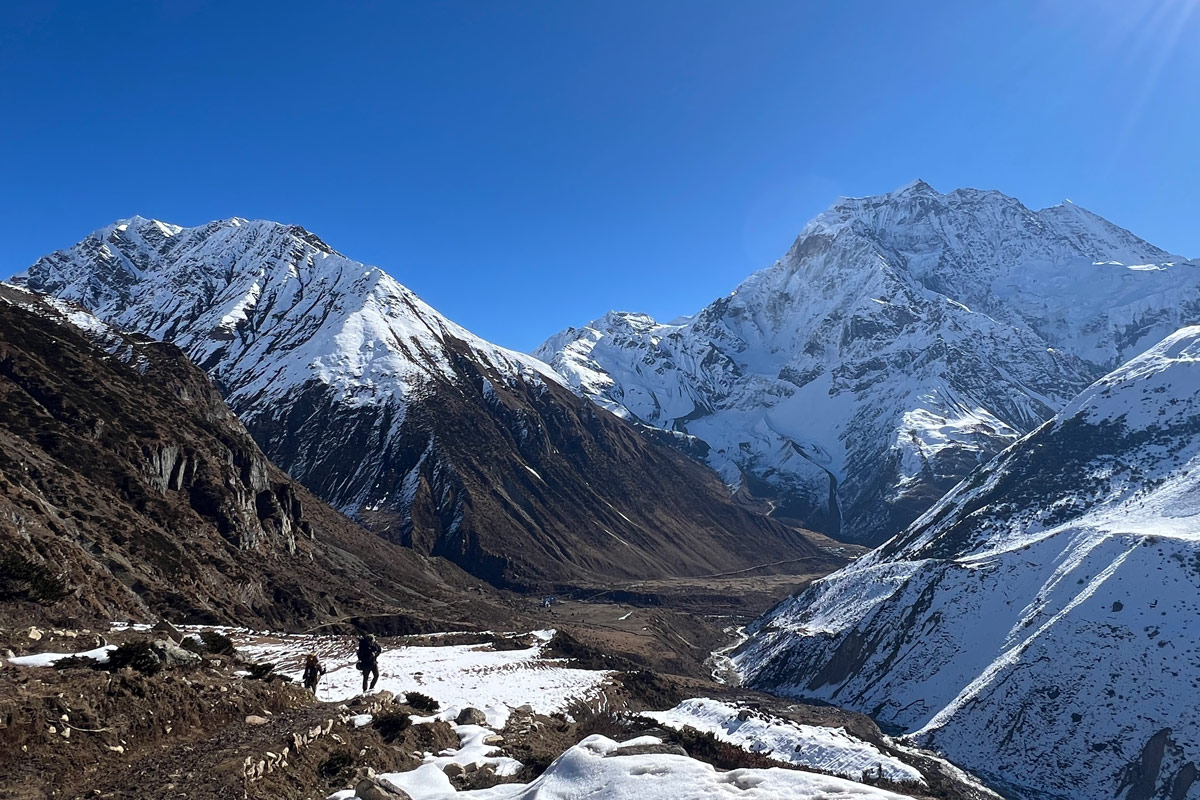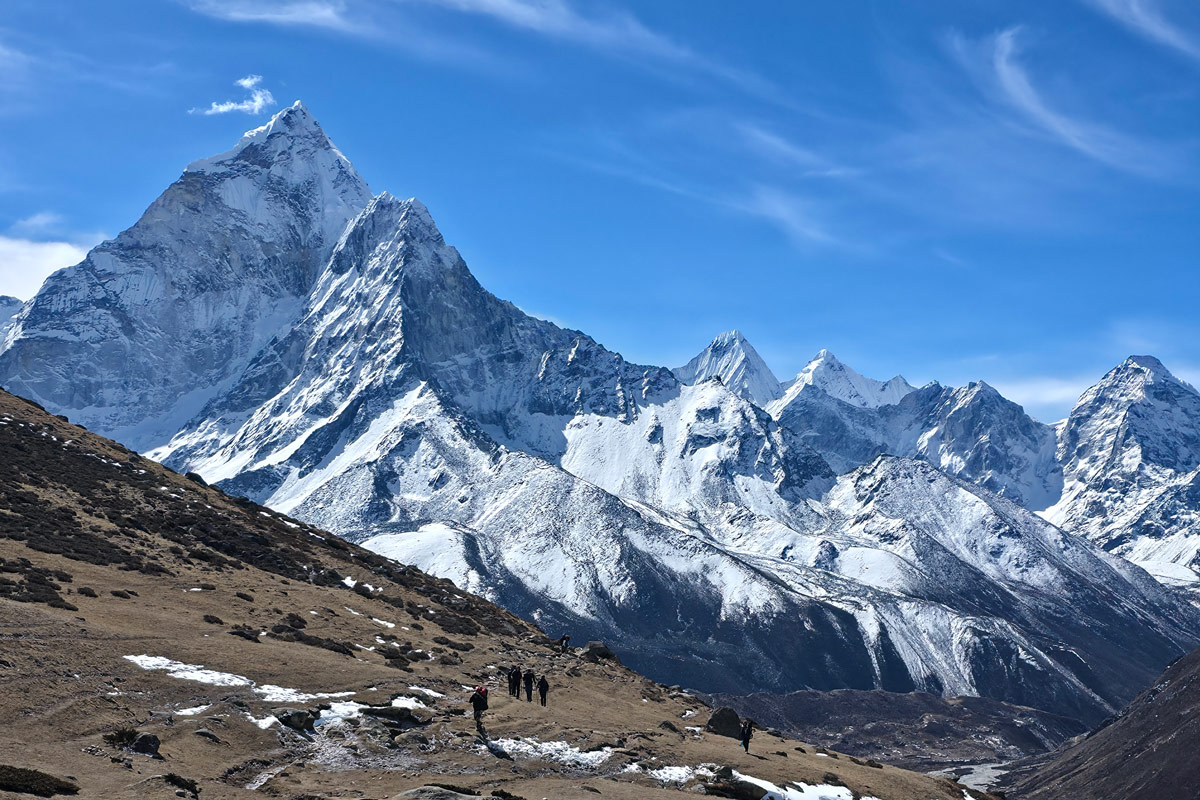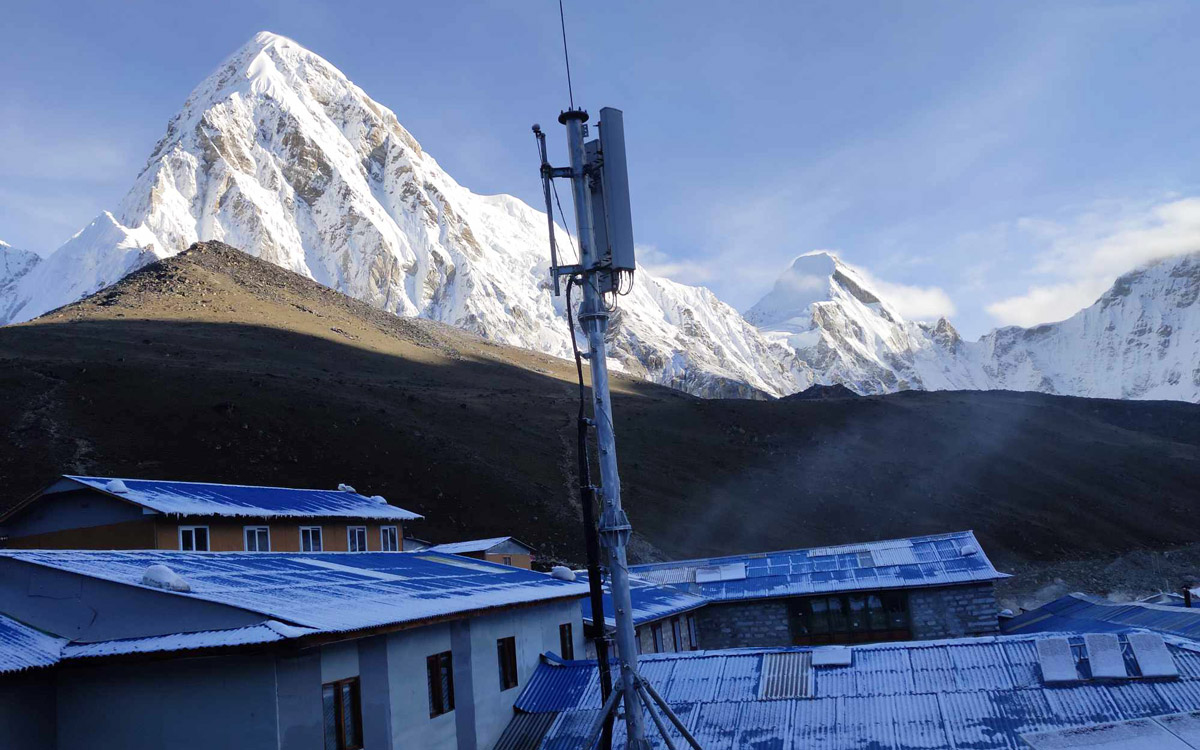


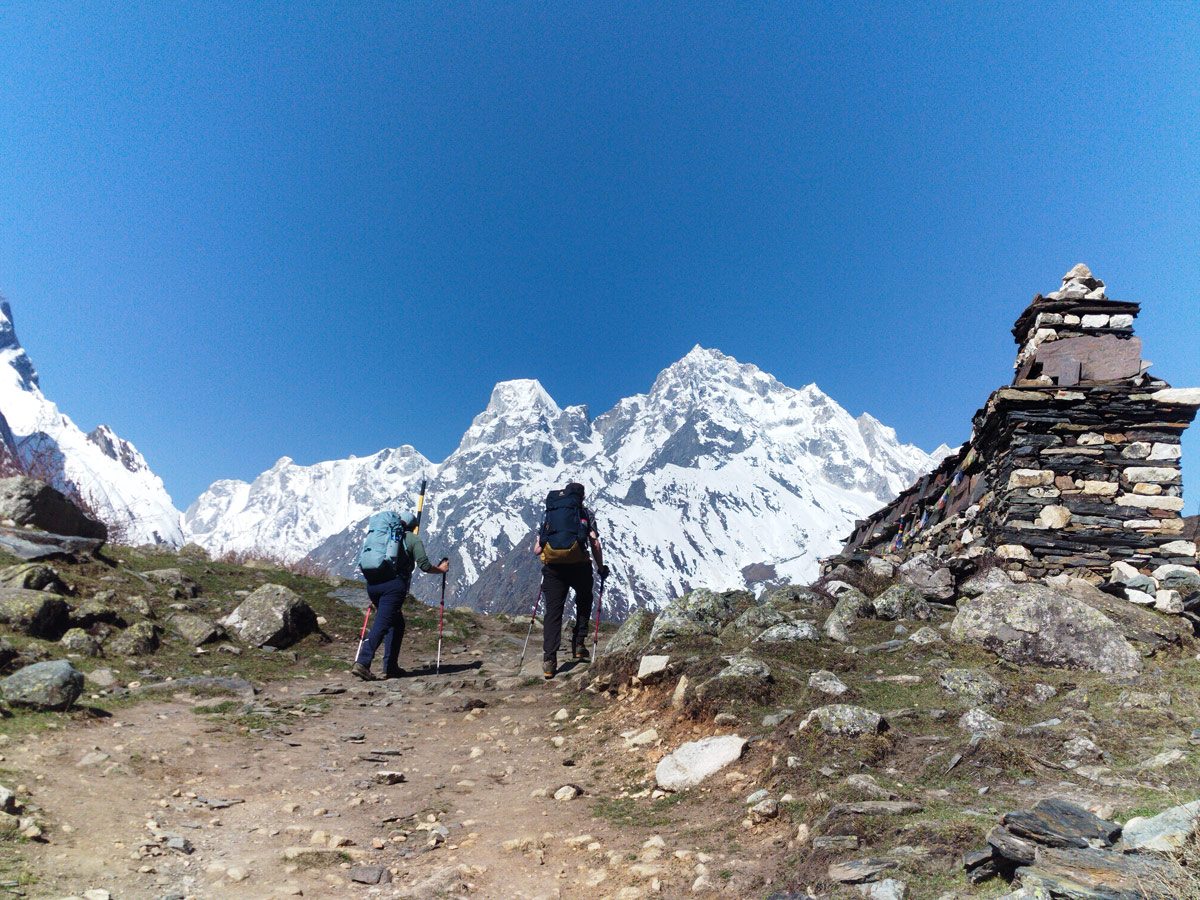
Nepal is one of the best destinations in the world for trekking, offering trails that pass through dramatic mountain scenery, remote villages, sacred monasteries, and high-altitude landscapes.
Among all trekking styles, circuit treks stand out as some of the most rewarding journeys because they allow trekkers to experience an entire region rather than simply walking to a destination and returning the same way.
A circuit treks in Nepal follows a loop route, meaning trekkers continuously move forward through different valleys, mountain passes, and cultural regions. This creates a more varied experience, with changing landscapes and fresh scenery almost every day.
Nepal is home to several world-famous circuit treks. From the famous Annapurna Circuit to the remote Kanchenjunga and Dhaulagiri routes, circuit treks provide a complete mountain experience.
Another reason circuit treks in Nepal are so popular is the cultural diversity found along the routes. Many trails pass through Gurung, Sherpa, and Tibetan villages, each offering distinct traditions, food, architecture, and spiritual practices.
These are six of Nepal’s best circuit treks:
- Annapurna Circuit Trek
- Manaslu Circuit Trek
- Everest Circuit Trek
- Kanchenjunga Circuit Trek
- Dhaulagiri Circuit Trek
- Upper Dolpo Trek
Annapurna Circuit Trek
The Annapurna Circuit Trek is the most famous trekking route in Nepal and for very good reason. This iconic loop takes you completely around the Annapurna Massif, offering an unbelievable combination of landscapes, cultures, and altitudes that very few treks in the world can match.
What makes Annapurna Circuit trek special is its incredible diversity. Trekkers begin in lush valleys filled with rice terraces and subtropical forests, gradually climbing into alpine environments and eventually crossing high mountain terrain.

The Annapurna Circuit trek typically begins in the lower Annapurna such as Dharapani or Tal, and follows the Marshyangdi river valley toward Manang, one of the most famous acclimatization stops in Nepal. From here, trekkers continue to Thorong La Pass, the highest point of the route at 5,416 meters (17,769 ft).
After crossing the pass, the trail descends into Mustang’s dry landscapes and eventually reaches villages like Jomsom, Marpha known for apple orchards, Tibetan culture, and mountain hospitality.
Why Trek the Annapurna Circuit?
- Thorong La Pass (5,416 m/17,769 ft): Crossing this high mountain pass is a bucket-list achievement that rewards trekkers with jaw-dropping 360-degree Himalayan views.
- Incredible biodiversity: You pass through five distinct climate zones, from subtropical jungle to alpine tundra, within a single trek.
- Muktinath Temple: One of Nepal’s most sacred religious sites, where both Hindu and Buddhist pilgrims have worshipped for centuries.
- Tatopani: Enjoy natural hot springs which is perfect for relaxing tired muscles.
- Ghorepani Poon Hill: Perfect for sunrise views of Dhaulagiri and Annapurna.
- Cultural Immersion: Local teahouses and villages offer real cultural immersion that tourist resorts simply can’t replicate.
- Well-developed trail infrastructure: As Nepal’s most popular trek, the Annapurna Circuit has better teahouses, lodges, and trail markers throughout.
- Views: Experience ever-changing Himalayan scenery, from deep river gorges and terraced hills to towering snow peaks like Annapurna, Dhaulagiri, and surrounding ranges.
Manaslu Circuit Trek
The Manaslu Circuit Trek is one of Nepal’s most rewarding alternatives to the Annapurna Circuit. It circles Mount Manaslu, the eighth-highest mountain in the world, and offers a quieter, more remote trekking experience.
Unlike the more commercial trekking routes in Nepal, the Manaslu region feels untouched and authentic. Because it is a restricted area, trekkers must obtain special permits and travel with a guide. This limitation helps preserve the region’s culture and natural beauty.
One of the highlights of the Manaslu Circuit is the gradual transition from green valleys to high alpine landscapes. As trekkers climb higher, the scenery becomes more dramatic, with snow-covered peaks dominating the horizon.
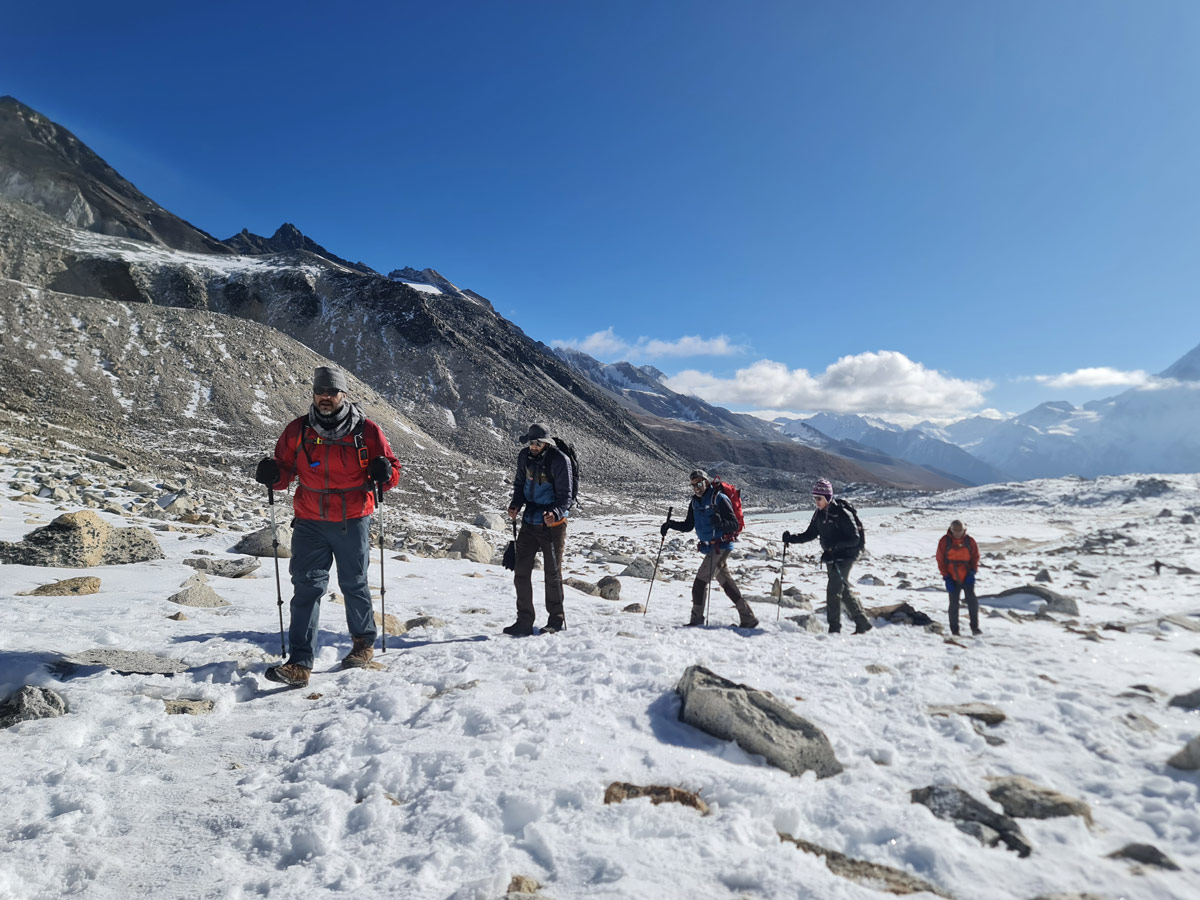
The Manaslu Circuit Trek begins from Machha Khola, gradually ascending through remote Himalayan valleys and traditional villages before reaching the challenging Larkya La Pass (5,160 m/16,929 ft), offering stunning views of Manaslu and surrounding peaks.
The panoramic mountain views from the top include Himlung Himal, Cheo Himal, Kang Guru, and Annapurna II. The Manaslu Circuit is perfect for trekkers who want fewer crowds, authentic cultural experiences, and a sense of wilderness.
Why Trek the Manaslu Circuit?
- Larkya La Pass (5,160 m): A dramatic high-altitude crossing offering spectacular views of eight-thousanders and glaciers.
- Authentic Tibetan Buddhist culture: Remote villages like Samagaon and Samdo have preserved ancient Tibetan traditions and monastery life.
- Manaslu Base Camp: Trek directly to the base of the world’s eighth-highest peak for a perspective few tourists ever see.
- Low crowd density: The restricted area status keeps trekker numbers low, giving you a more intimate and raw Himalayan experience.
- Connects with Annapurna Circuit: Many trekkers combine both circuits for a monster 30+ day adventure through two of Nepal’s greatest regions.
- Wildlife encounter: The Manaslu Conservation Area is home to snow leopards, red pandas, Himalayan tahr, and over 110 bird species.
Everest Circuit Trek (Gokyo to Everest Base Camp)
The Everest Circuit Trek also known as Gokyo to Everest Base Camp Trek offers one of the most complete trekking experiences in Khumbu, combining the legendary Everest Base Camp Trek with the stunning beauty of the Gokyo Valley.
Rather than simply following the classic trail to Everest Base Camp (5,364 m/17,598 ft), this adventure creates a spectacular loop through the Khumbu region by linking Everest Base Camp, Cho La Pass, and the Gokyo Lakes into one unforgettable journey. That’s why it’s called Everest Circuit Trek not just the Everest Base Camp Trek.
The classic Gokyo to EBC route starts with a thrilling flight to Lukla, often called the most exciting airport in the world and then winds north through Namche Bazaar.
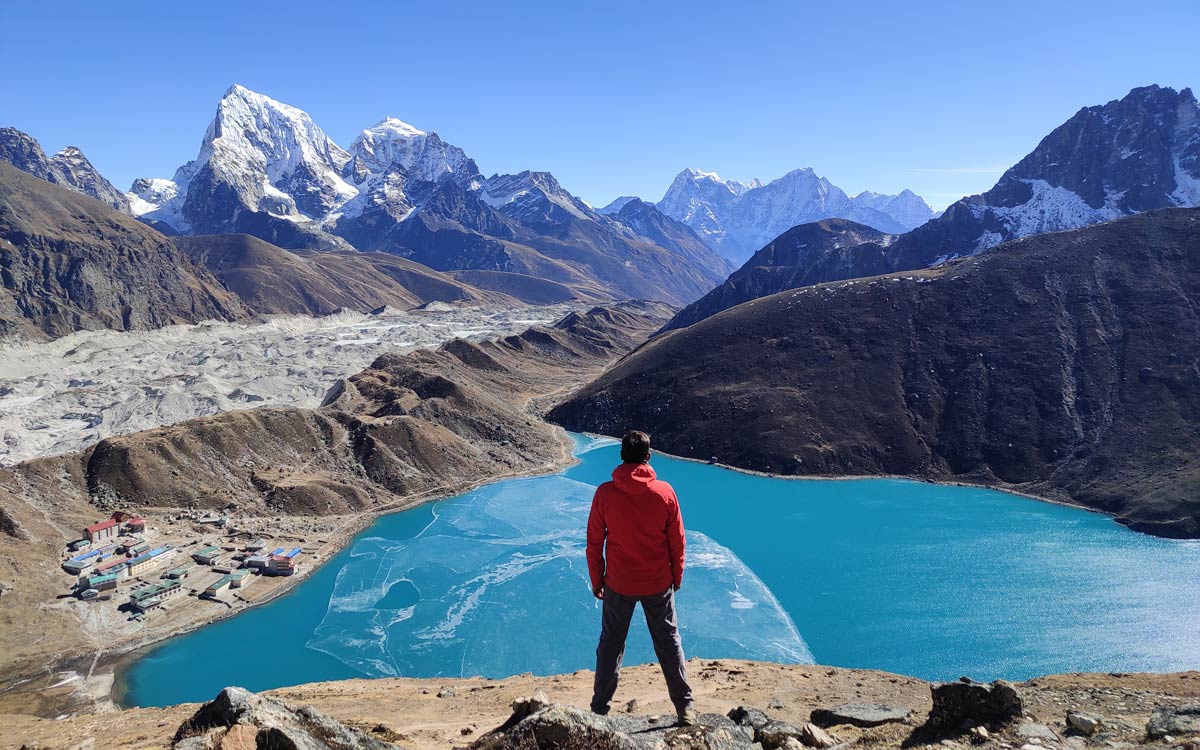
Instead of following the standard Everest Base Camp trail, the route splits from Kenjoma and heads toward the Gokyo Valley via Machherma, leading to the stunning Gokyo Lakes. From Gokyo, trekkers cross the challenging Cho La Pass before descending to Dzongla.
Continuing, the trail meets the main Everest Base Camp route near Lobuche, and then continues onward to Base Camp.
After exploring Gokyo, trekkers cross Cho La Pass, a challenging but scenic mountain crossing that connects the Gokyo valley to the Everest Base Camp route. This circuit route combines culture, lakes, glaciers, mountain passes, and Everest itself into one unforgettable adventure.
Why Trek the Everest Circuit Trek?
- Gokyo Lakes: A series of five sacred turquoise glacial lakes nestled between giant Himalayan peaks, one of Nepal’s most magical landscapes.
- Gokyo Ri (5,483 m/17,988 ft): A viewpoint that offers one of the finest panoramas in the Himalayas, with views of four 8,000-meter peaks simultaneously
- Cho La Pass (5,368 m/17,612 ft): A true glacier crossing that adds serious adventure and technical challenge to the classic EBC route.
- Everest Base Camp (5,364 m/17,598 ft): Stand at the foot of the world’s highest mountain and witness expedition teams preparing for their summit attempts.
- Kala Patthar (5,555 m/18,225 ft): The best non-technical viewpoint for an unobstructed close-up view of Mount Everest’s famous south face.
- Tengboche Monastery: The largest monastery in the Khumbu, perfectly positioned below Ama Dablam for spectacular photography.
- Sherpa culture and heritage: The Khumbu is the heartland of Sherpa civilization, visit local homes, monasteries, and cultural festivals if timing allows.
Kanchenjunga Circuit Trek
The Kanchenjunga Circuit Trek is one of Nepal’s longest and most remote trekking adventures. Located in eastern Nepal, this trek leads to both the North and South Base Camps of Mount Kanchenjunga, the third-highest mountain in the world.
Kanchenjunga is less visited than Annapurna or Everest, making it ideal for trekkers who prefer quieter trails and authentic experiences. The region remains relatively untouched, with traditional villages and strong cultural heritage.
The route passes through forests, alpine valleys, waterfalls, suspension bridges, and mountain settlements.
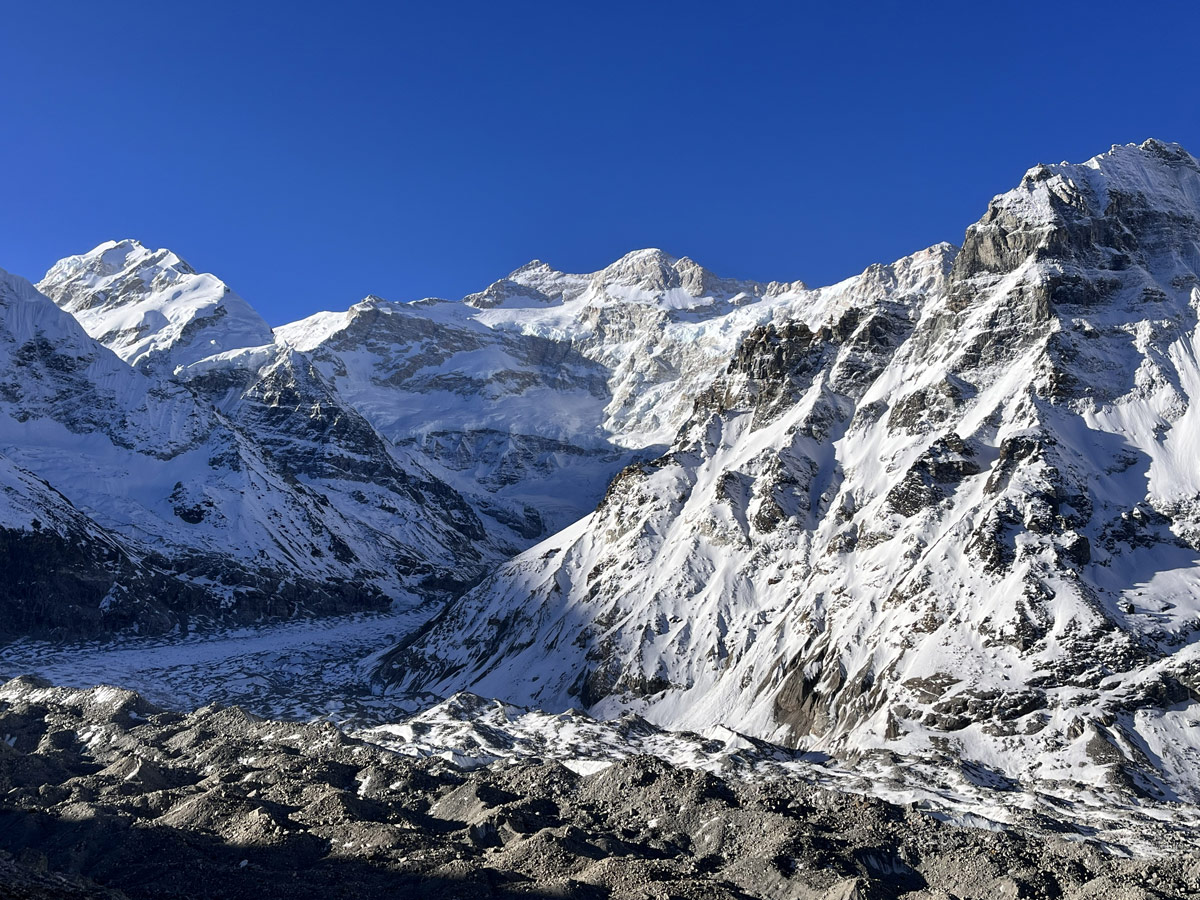
Although the trek does not fully loop around Mount Kanchenjunga, it gives trekkers the unique opportunity to visit both Pangpema (North Base Camp) and Oktang (South Base Camp). Because of this, it is commonly referred to as both the Kanchenjunga Circuit Trek and the Kanchenjunga Base Camp Trek.
The Kanchenjunga region is also rich in biodiversity. Trekkers may encounter rare wildlife such as red pandas, Himalayan blue sheep, and various bird species. It is ideal for trekkers who want a long, off-the-beaten-path Himalayan experience.
Why Trek the Kanchenjunga Circuit?
- Dual base camp experience: Visit both the north base camp (Pangpema) and south base camp (Oktang) of the world’s third-highest peak in a single circuit.
- Extreme remoteness: With very few trekkers on the Kanchenjunga circuit trail, you get a genuine wilderness experience with unspoiled nature and quiet mountain solitude.
- Kanchenjunga Conservation Area: One of Nepal’s most biodiverse protected areas, home to snow leopards, clouded leopards, red pandas, and rare Himalayan birds.
- Rai and Limbu cultural immersion: Trek through the heartland of eastern Nepal’s indigenous Rai and Limbu communities, with their distinct languages, traditions, and shamanic practices.
- Yalung Glacier views: The sweeping panorama of the Yalung Glacier from Oktang is one of the most dramatic glacier views in all of the Himalayas.
- Sleeping under the stars: With minimal light pollution in eastern Nepal, clear nights offer some of the most spectacular stargazing you’ll ever experience.
Dhaulagiri Circuit Trek
The Dhaulagiri Circuit Trek is considered one of Nepal’s most demanding and remote trekking routes. It circles Mount Dhaulagiri, the seventh-highest mountain in the world, and offers an expedition-style trekking experience.
Unlike more established trekking routes, the Dhaulagiri Circuit takes trekkers deep into isolated mountain wilderness. Villages become rare as the trail enters glacier terrain, high camps, and rocky valleys.
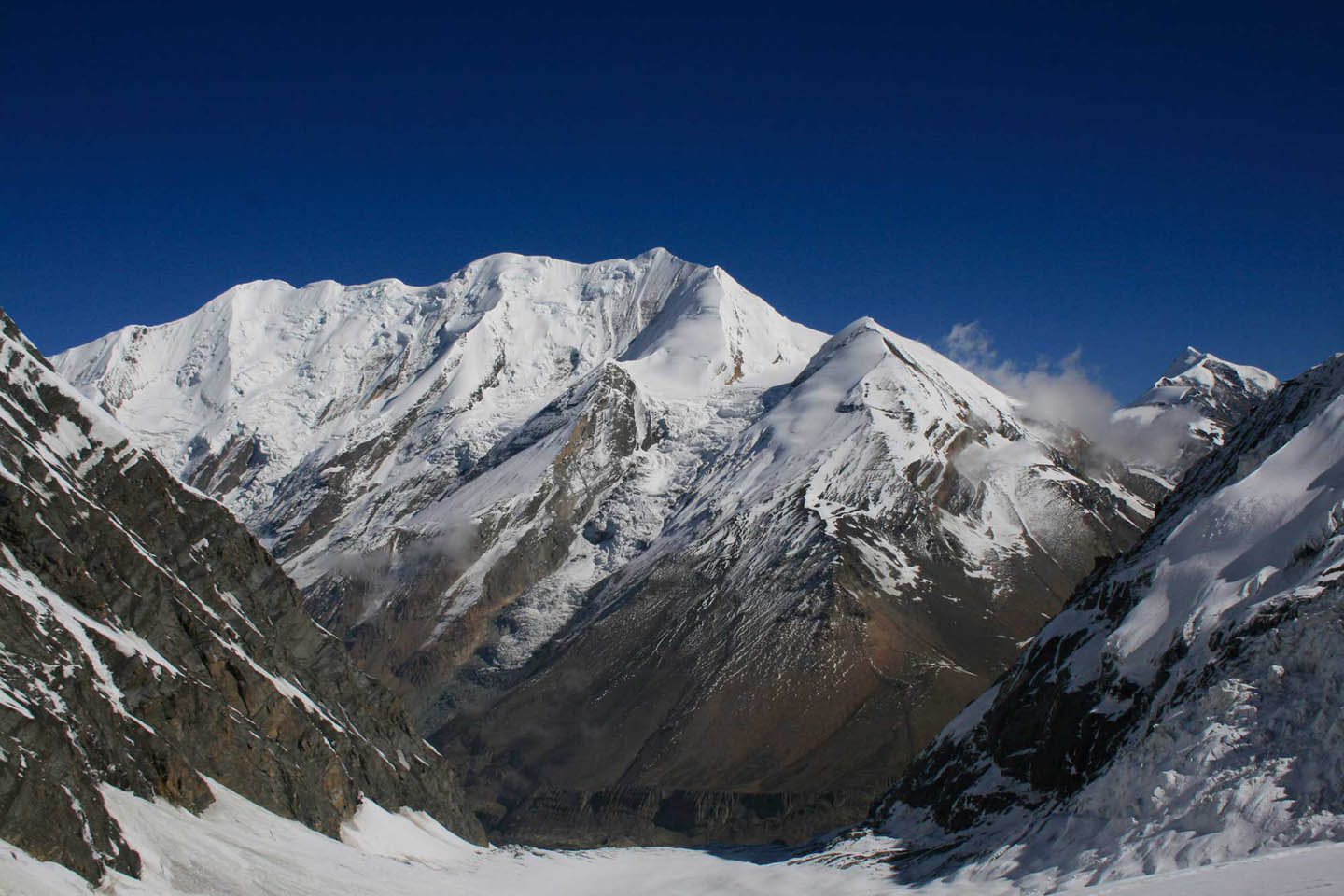
The trek crosses French Pass at approximately 5,360 meters (7,580 feet) and Dhampus Pass at around 5,200 meters (17,060 feet). These crossings provide incredible views of Dhaulagiri, Tukuche Peak, and surrounding Himalayan giants.
Because of its remote setting, the Dhaulagiri Circuit offers a strong sense of adventure. Trekkers often encounter very few people, making it one of Nepal’s best routes for those seeking true wilderness.
Why Trek the Dhaulagiri Circuit?
- French Pass (5,360 m/17,585 ft): A spectacular high-altitude crossing with unparalleled views of Dhaulagiri’s north face and the surrounding glacial landscape.
- Hidden Valley: A surreal, otherworldly plateau at 5,200 m (17,060 ft) that feels like you’ve stepped onto another planet, stark, silent, and impossibly beautiful.
- Dhaulagiri Base Camp: Stand directly beneath the towering south face of one of the world’s most formidable eight-thousanders.
- Complete solitude: With only a few hundred trekkers per year, you’ll often have entire mountain valleys and campsites entirely to yourself.
- Extreme Himalayan wilderness: This is wild Nepal at its most raw, no wifi, no crowded teahouses, no tourist cafes. Just you, the mountains, and your team.
- Connects to Annapurna Circuit: You can finish the Dhaulagiri Circuit in Jomsom or Marpha and seamlessly continue on the Annapurna Circuit for a mega-adventure.
- Glacier exploration: Trek across active glaciers and moraines in the upper circuit sections for a truly technical and memorable experience.
Upper Dolpo Circuit Trek
The Upper Dolpo region lies in the rain shadow of the Himalayas in far northwestern Nepal, meaning it receives very little monsoon rainfall from June to September. While much of Nepal experiences heavy summer rain, Upper Dolpo remains dry, making it one of Nepal’s best true off-season trekking destinations.
The Upper Dolpo Circuit Trek crosses major high passes such as Kang La Pass (5,306 m/17,405 ft), Saldang La Pass (4,785 m/15,698 ft), and Jeng La Pass (4,845 m/15,895 ft), leading trekkers through some of the wildest and most dramatic landscapes in the Himalayas.
Along the journey, you pass remote villages like Saldang, Sibu, Tokyu, and Dho Tarap, where the Dolpo people continue centuries-old traditions shaped by isolation, Tibetan culture, and ancient mountain lifestyles.
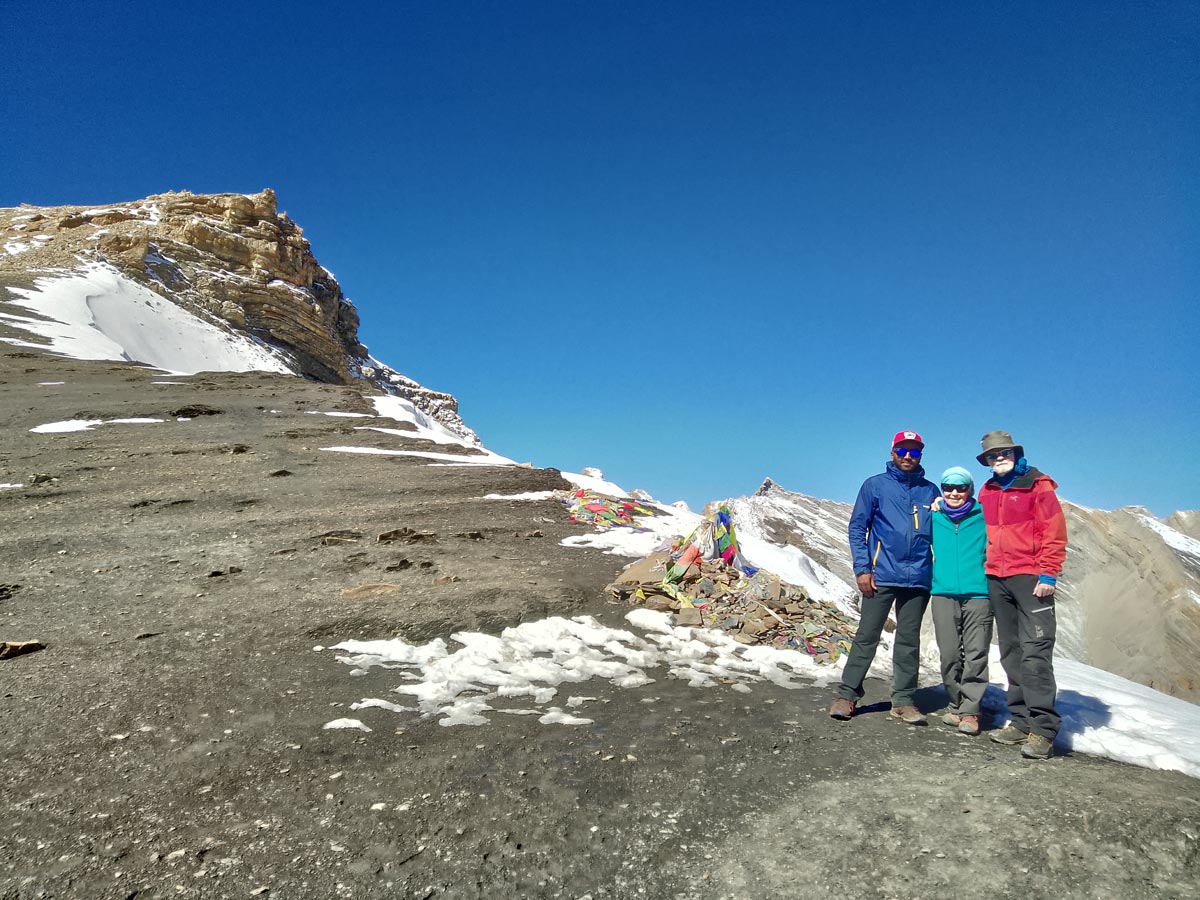
A major spiritual highlight is Shey Gompa (4,126 m/13,537 ft), one of the most important centers of the ancient Bon religion. The trek also includes the breathtaking Phoksundo Lake (3,600 m/11,811 ft), Nepal’s deepest lake.
What makes Upper Dolpo especially unique is its true wilderness experience. From Dunai, the journey is completed in full camping style with tents, food, and support staff. This creates a raw, remote, and deeply authentic Himalayan adventure unlike anywhere else in Nepal.
Why Trek the Upper Dolpo Circuit?
- Rain shadow trekking window: Upper Dolpo’s unique position behind the Himalayas keeps it dry during Nepal’s monsoon, making it one of the only circuits where summer is actually the best time to trek.
- Three dramatic high passes: This circuit crosses Kang La, Saldang La, and Jeng La. Each crossing delivers breathtaking panoramic views across the Dolpo plateau that you simply won’t find anywhere else in Nepal.
- Phoksundo Lake (3,600 m /11,811 ft): You reach Nepal’s deepest and most beautiful lake, with its electric turquoise water, limestone cliffs, and thundering waterfall.
- Shey Gompa: You arrive at one of the Himalayas’ most sacred Bon and Buddhist pilgrimage sites after crossing Kang La Pass.
- Authentic Bon culture: You walk through ancient Tibetan-influenced communities where people still practice the Bon religion as part of everyday life.
- Camping Experience: Every night from Dunai is spent in a tented camp, with your full support team carrying everything deep into the wilderness.
- Extreme solitude and no crowds: The Upper Dolpo trail sees fewer trekkers per year, making it one of the most remote and peaceful trekking experiences in Nepal.
Final Thoughts on Circuit Treks in Nepal
Circuit treks in Nepal offer some of the most complete trekking experiences in the Himalayas. Unlike one-way trails, these routes allow trekkers to continuously explore new landscapes, cultures, and mountain environments.
Each circuit treks in Nepal has its own personality. Annapurna offers incredible diversity and accessibility. Manaslu provides remote culture and quieter trails. Everest Circuit combines iconic Himalayan landmarks into one unforgettable route. Kanchenjunga rewards trekkers with remoteness and authenticity. Dhaulagiri delivers rugged wilderness and challenge. The Upper Dolpo Circuit stands out for its extreme remoteness and untouched wilderness.
Choosing the right circuit treks depends on your experience, fitness level, available time, and travel goals. Some routes are ideal for trekkers seeking cultural immersion, while others focus on physical challenge and mountain scenery.
No matter which trek you choose, Nepal’s circuit routes promise unforgettable views, rewarding adventures, and deep connections with Himalayan culture. These treks are more than walking trails; they are journeys through some of the world’s most breathtaking mountain landscapes.