
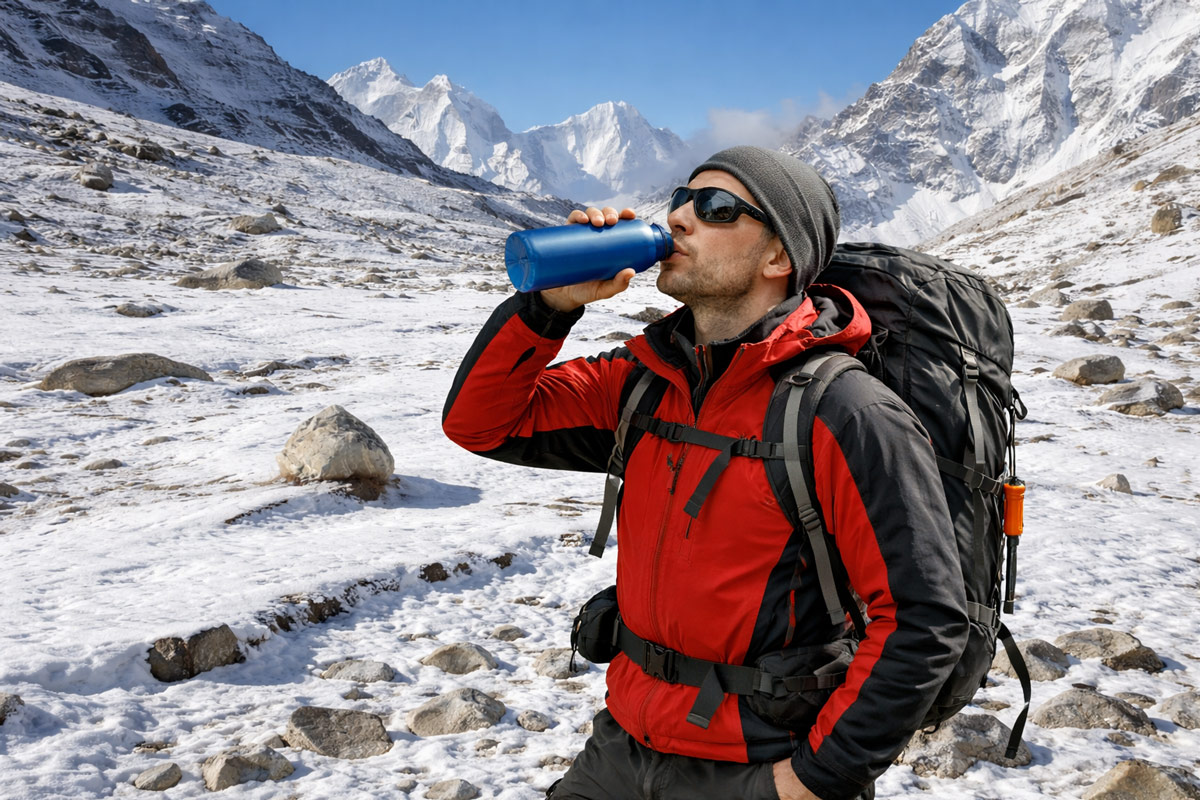
Drinking water on the Everest Base Camp trek is a crucial part of staying healthy and completing the journey successfully. From Lukla to Everest Base Camp (5,364m), trekkers face high altitude, dry air, and physically demanding conditions that increase the risk of dehydration.
Understanding how to access safe drinking water on EBC trek, along with proper purification methods and hydration practices, helps prevent illness and supports acclimatization throughout the journey.
In this guide, we’ll talk about the available water sources, purification methods, and practical hydration tips to help trekkers stay healthy on the journey to Everest Base Camp.
Why Proper Hydration is Crucial on the Everest Base Camp Trek
Proper hydration is one of the most important factors for a successful Everest Base Camp trek. As you ascend toward 5,364m (Everest Base Camp), your body works twice as hard to maintain oxygen levels, putting extra stress on your body.
At high altitude, the air pressure decreases, and this directly affects how much oxygen your body can absorb. As a result, it causes faster breathing and increased fluid loss, even when you are not sweating heavily.
Dehydration can lead to fatigue, headaches, dizziness, and reduced physical performance, all of which can affect your ability to continue the trek comfortably. Drinking enough water helps maintain energy levels, supports muscle function, and keeps your body functioning efficiently throughout long trekking days in the Himalayas.
How Hydration Helps With Acclimatization
Hydration plays a key role in helping your body adjust to high altitude during the Everest Base Camp trek. Hydration is your first line of defense against Acute Mountain Sickness (AMS), and when you drink enough water, you assist your body in the physiological process of acclimatization.
As you gain elevation through places like Lukla, Namche Bazaar, Tengboche, Dingboche, and Lobuche, your body needs time to adapt to changing altitude, and proper water intake supports this process.
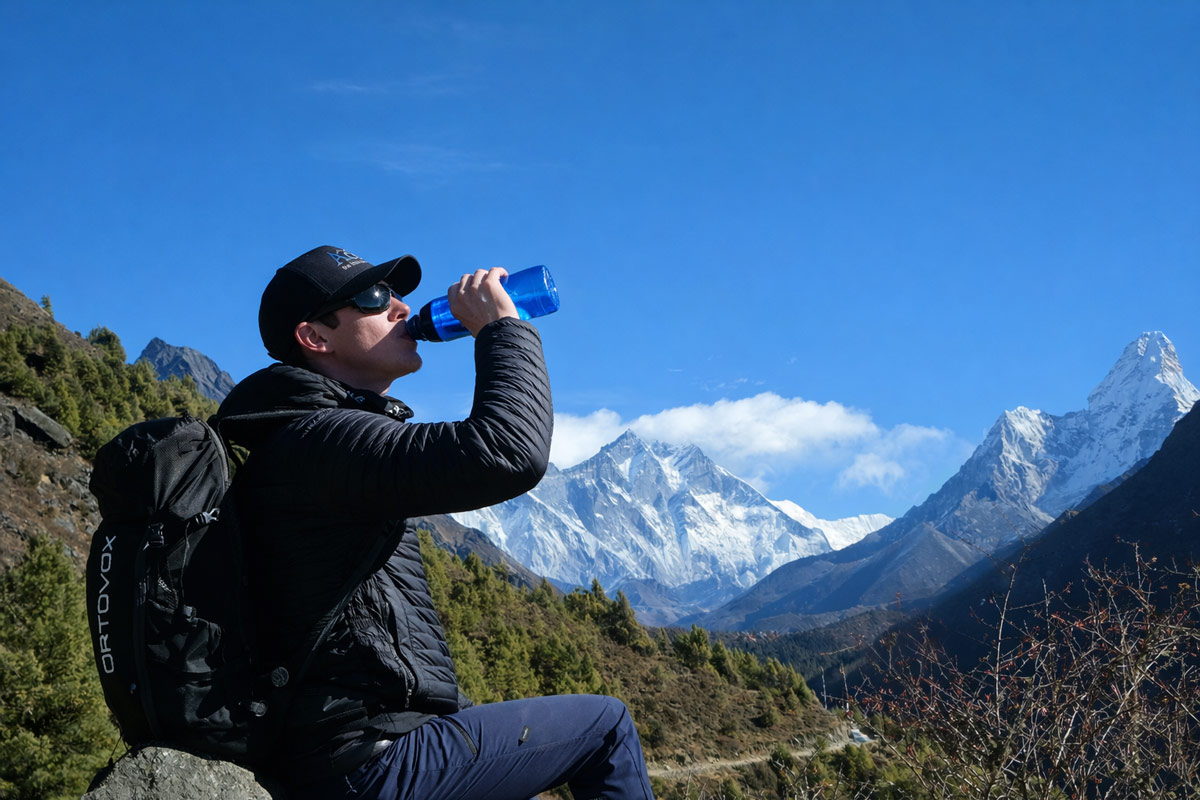
Drinking enough water improves blood circulation and helps oxygen reach your muscles and organs more effectively. It also reduces the risk of altitude-related illnesses such as Acute Mountain Sickness (AMS). It presents symptoms like headaches, nausea, and fatigue.
It is highly recommended drinking around 3 to 4 liters of water per day, especially as you move higher toward Gorakshep and Everest Base Camp, to support acclimatization and maintain overall health during the trek.
Sources of Drinking Water on the Everest Base Camp Trek
Drinking water is available throughout the Everest Base Camp trail, but understanding the sources is essential for staying safe and healthy. Teahouse boiled drinking water is the most common and reliable option, where lodges provide boiled water that is safe to drink for a fee.
Natural water sources such as streams, rivers, and mountain springs are also found along the EBC trekking route, but this water must always be purified before consumption. Bottled water is available in most villages, although the price increases significantly at higher elevations due to transportation costs.
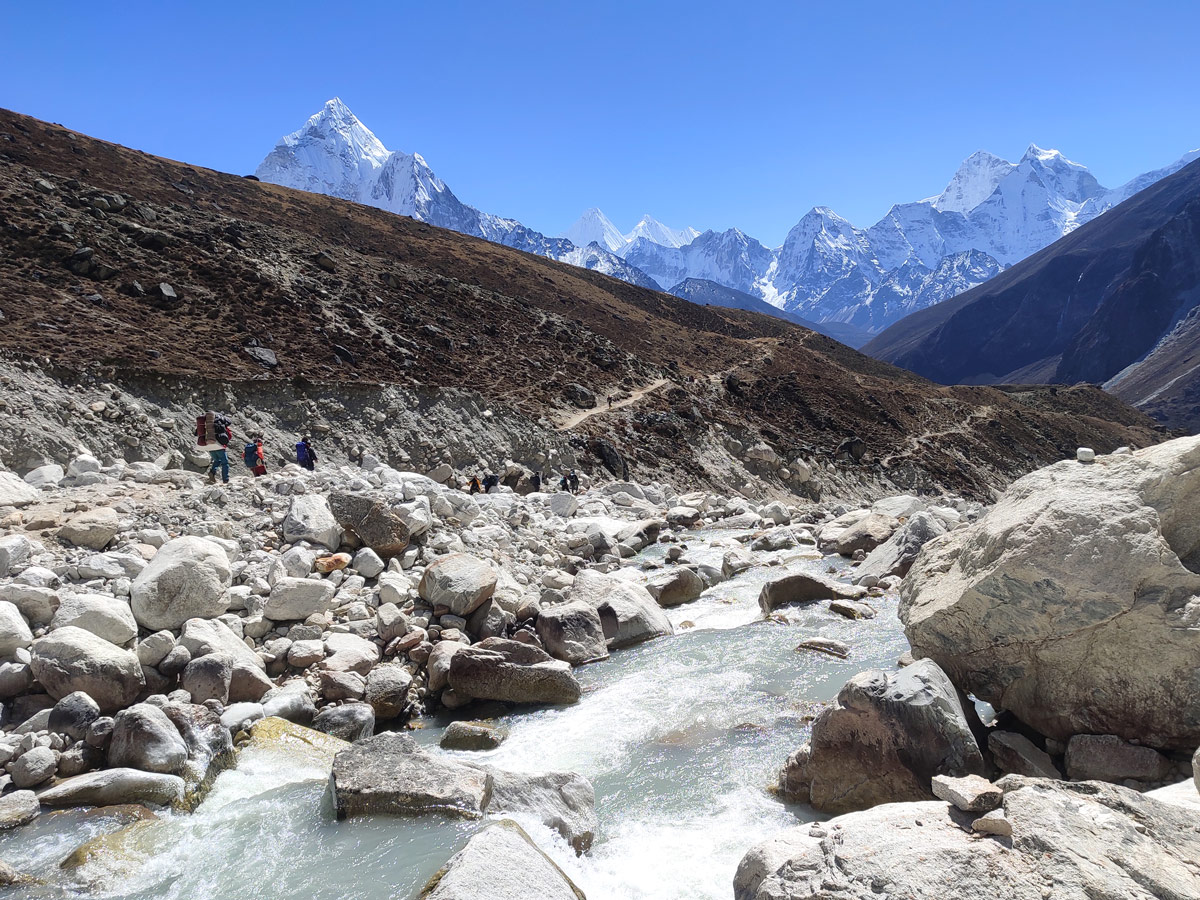
Tap water may also be accessible in some teahouses, but it is not safe to drink unless it has been properly treated or purified.
Up to Lobuche, running water is generally available in villages and teahouses, allowing trekkers to collect and purify water using filters or tablets. This makes it easier to access safe drinking water on EBC trek without relying heavily on bottled options.
However, at Gorakshep, water availability becomes more limited, as the village do not have reliable running water systems like the lower settlements along the trail. So, the only option is to buy mineral water.
Water Filters and Purification Methods on EBC Trek
Ensuring safe drinking water is essential during the Everest Base Camp trek, as untreated water sources can contain harmful bacteria, viruses, and parasites. Due to the remote mountain environment and limited infrastructure, trekkers cannot rely on direct tap or natural water without proper treatment.
Choosing the right purification method not only protects your health but also allows you to trek with confidence at higher altitudes. Fortunately, there are several reliable and widely used water purification options available on the trail, each suited to different trekking styles and preferences.
Using Portable Water Filter
A portable water filter is one of the most practical and eco-friendly ways to access safe drinking water on the Everest Base Camp trek. These filters make stream and rivers water safe to drink by removing bacteria, protozoa, and other harmful contaminants.
A popular example is Katadyn Water Filter. Ace the Himalaya is the only company in Nepal providing Katadyn filter to clients, which is lightweight, easy to use, and well-suited for high-altitude trekking conditions.
Boiled Water in Teahouses
Boiled water is one of the simplest and most reliable methods of purification. By heating water to a high temperature, harmful bacteria, viruses, and parasites are eliminated. Teahouses along the Everest Base Camp trail usually provide boiled water for trekkers, making it a convenient and trusted choice for refilling bottles each day.
Water Purification Tablets
Water purification tablets are lightweight and easy to carry, which makes them popular among trekkers. These tablets are added to water bottles and work by releasing chemicals that kill harmful microorganisms. Although they may leave a slight taste, they are a reliable backup purification method.
For overall preparation, you may also find our How to Prepare for Everest Base Camp Trek helpful.
How Ace the Himalaya makes drinking water affordable and eco-friendly?
One of the easiest ways to cut costs and reduce plastic waste on the Everest Base Camp trek is to rely on filtered water instead of bottled water wherever possible, and Ace the Himalaya makes this simple for every trekker who joins us.
Every one of our guides carries a Katadyn water filter on the trail, and Ace the Himalaya is currently the only trekking company in Nepal to equip guides with this filter. This means you don’t need to buy your own filter before the trip or spend money on mineral water at every stop.
Better yet, you don’t even need to fill your own bottle: our guides and porters take care of it for you, filling your water bottle before you start the day, during lunch stops on the trail, and again at the guesthouse in the evening. Over the course of the trek, this typically saves trekkers around USD 100 per person, that would otherwise go toward buying bottled water at every stop.
Here’s how this benefits you directly:
- Save money as you climb higher: Mineral water can cost as little as USD 1.5 per liter in Namche Bazaar but rises to USD 3.5 to 4 per liter in Lobuche and climbs to USD 5 to 6 per liter in Gorakshep. With a Katadyn filter on hand, our team can safely fill your bottle from taps at guesthouses along the route instead of paying these rising prices at every teahouse.
- Reliable purification everywhere it’s possible: Since your guide carries the filter throughout the trek, you have a trusted purification method available at every stop with running water, all the way up to Lobuche. Note that at Gorakshep, there is no running water source to filter from, so bottled mineral water becomes the only option regardless of the filter.
- Reduce single-use plastic: Refilling a reusable bottle with filtered water instead of buying bottled water at every stop significantly cuts down on plastic waste, helping protect the fragile Himalayan environment.
- Trek with confidence: Katadyn filters are trusted for removing bacteria, protozoa, and other contaminants from natural water sources, so you can stay hydrated safely without relying solely on boiled or bottled water.
- One less thing to worry about: You don’t need to filter or refill your own bottle at all. Our guides and porters handle it for you before you set off in the morning, during lunch stops, and at the guesthouse each evening, so you can focus on the trek itself.
By choosing to trek with Ace the Himalaya, you get a safer, more affordable, and more environmentally responsible way to stay hydrated all the way to Everest Base Camp.
How Much Water Should You Drink During the Everest Base Camp Trek
During the Everest Base Camp trek, it is generally recommended to drink between 3 to 4 liters of water per day. This amount may increase depending on your pace, altitude, and weather conditions.
At higher elevations in places like Dingboche, Lobuche, and Gorakshep, your body loses more fluids through respiration, so consistent water intake becomes even more important.
Drinking regularly throughout the day, rather than consuming large amounts at once, helps maintain proper hydration levels and supports overall trekking performance.
- Morning: Drink 500ml to 1L before leaving the teahouse. You can fill your bottles at the guesthouse before starting your trek.
- On the Trail: Sip continuously; do not wait until you are thirsty. Refill your water bottle at lunch stops along the trail up to Lobuche.
- Evening: Drink plenty of tea, soup (garlic soup is a local favorite for altitude), and water to replenish what was lost during the day’s exertion.
For more meal ideas on the trail, read our guide to Food on Everest Base Camp Trek.
Everest Base Camp Trek Drinking Water Costs
Everest Base Camp trek drinking water cost varies with altitude, with prices increasing at higher elevations. Staying hydrated is essential, and trekkers should prioritize safe options like boiled or purified water, which are widely available in teahouses along the EBC trail.
The cost of mineral water along the Everest Base Camp trail increases with altitude. In Namche Bazaar, prices typically range from USD 1.5 to 2 per liter, rising to around USD 2.5 to 3 in Tengboche, USD 3 to 3.5 in Dingboche, USD 3.5 to 4 in Lobuche, and up to USD 5 to 6 per liter in Gorakshep. Mineral water is widely available in most villages, though prices rise due to transportation challenges at higher elevations.
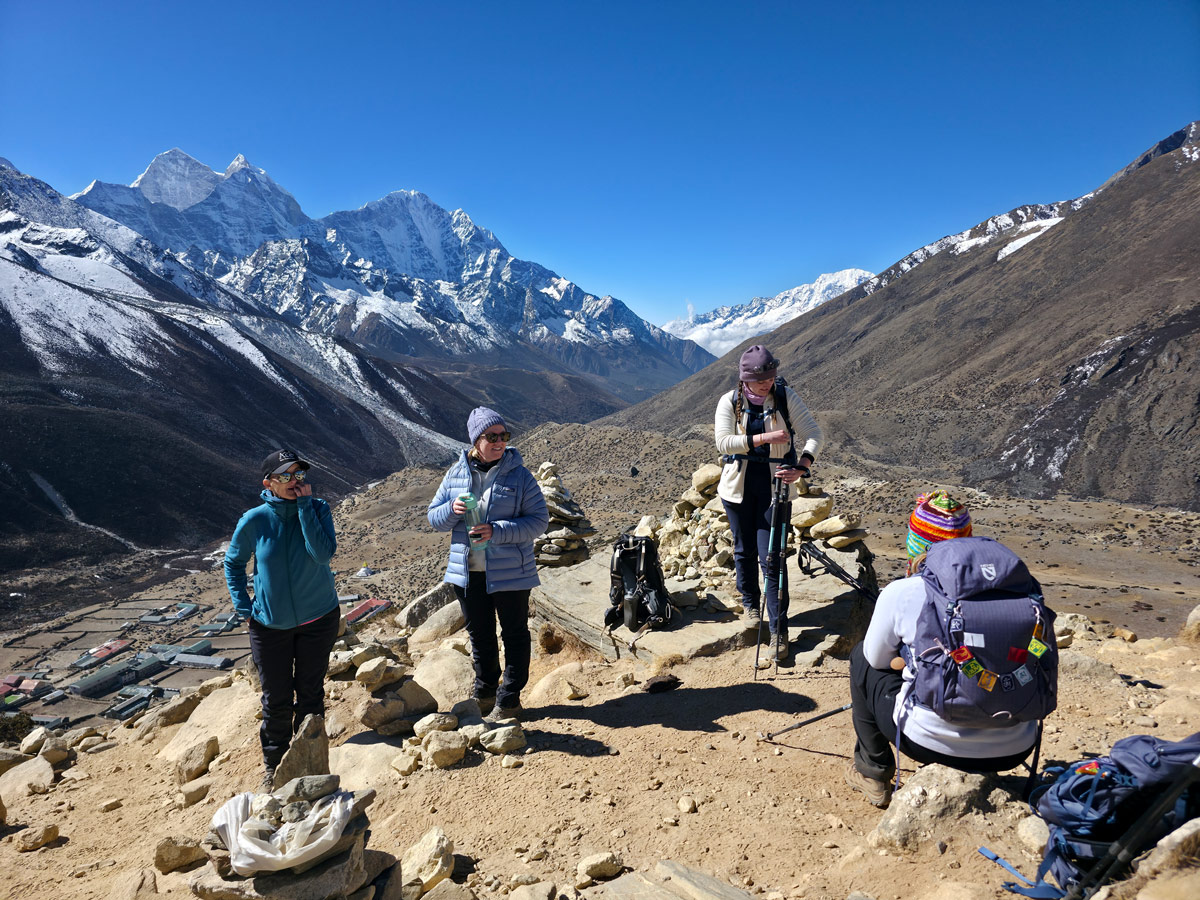
Boiled water is another common and safer option provided by teahouses. Prices usually start at about USD 2 to 2.5 per liter in Phakding, increasing to USD 2.5 to 3 in Namche Bazaar, USD 3 to 3.5 in Tengboche, USD 3.5 to 4 in Dingboche, USD 5 to 6 in Lobuche, and can reach USD 8 to 9 per liter in Gorakshep.
It is recommended to refill water in lower villages to reduce costs and always choose boiled or purified water for safe consumption.
Common Mistakes Trekkers Make with Drinking Water
Even though drinking water is easily available along the Everest Base Camp trek, many trekkers still make simple mistakes that can lead to dehydration, illness, or discomfort.
High altitude conditions, cold weather, and long trekking hours often cause people to underestimate their water needs or ignore proper purification practices.
Being aware of these common mistakes can help you stay safe, maintain your energy levels, and enjoy a smoother trekking experience.
Drinking Untreated Water: One of the biggest mistakes is drinking untreated water from streams or taps. Even clear mountain water can contain harmful bacteria and parasites, leading to stomach infections or illness.
Not Drinking Enough Water: Many trekkers underestimate how much water they need, especially in cold weather where thirst is less noticeable. This can lead to dehydration and negatively impact acclimatization and energy levels.
Relying Only on Bottled Water: Depending solely on bottled water can be expensive and environmentally harmful. Prices increase significantly at higher altitudes, and plastic waste is a growing concern in the Everest region.
Sharing Water Bottles: Sharing water bottles with others can increase the risk of spreading bacteria and viruses, especially in remote trekking conditions where hygiene is limited. It is always safer to use your own bottle.
Leaving Water Containers Open: Leaving your water bottle or container open can expose it to dust, dirt, and contamination. Always keep your bottle sealed properly, especially while trekking on dusty trails or staying in teahouses.
Water Safety Tips on the Everest Base Camp Trek
Staying hydrated is essential on the Everest Base Camp trek, but ensuring access to safe drinking water on EBC trek is equally important. Due to the remote nature of the trail and varying water quality, following proper water safety practices can help prevent illness and keep your trek smooth and enjoyable.
- Always Choose Safe Water Sources: Drink boiled water from teahouses or properly treated water.
- Avoid Drinking Untreated Water: Never drink directly from streams, taps, or rivers without purification, even if the water looks clean.
- Use Reliable Purification Methods: Carry filters, tablets, or UV purifiers to treat water from natural sources.
- Drink Water Regularly: Do not wait until you feel thirsty; drink consistently to stay hydrated at high altitude.
- Plan Ahead at Higher Altitudes: At Gorakshep, where running water is unavailable, ensure you refill and purify water in advance or the only option is buying mineral water.
- Check the Seal: If buying bottled water, ensure the cap’s plastic seal is intact before drinking.
- Prevent Freezing: At night, store your water bottles inside your sleeping bag, and on the trail, blow air back into your hydration bladder tube to prevent it from freezing.
Environmental Responsibility and Plastic Waste
Protecting the fragile Himalayan environment is an essential part of trekking responsibly on the Everest Base Camp trail. Simple choices related to drinking water can significantly reduce waste and help preserve the region for future trekkers.
- Avoiding Single-Use Plastic Bottles: Reduce plastic waste by limiting the purchase of bottled water, which becomes a major environmental issue at higher altitudes.
- Carrying a Reusable Water Bottle: Use a durable reusable bottle or insulated flask to refill boiled or purified water safely throughout the trek.Our Packing List for Everest Base Camp Trek can help you choose the right bottle and trekking essentials.
- Using Water Purification Methods: Rely on filters, tablets, or UV purifiers instead of buying bottled water to minimize environmental impact.
- Refilling at Teahouses: Take advantage of boiled water available at lodges to safely refill your bottles during the trek.
- Reducing Waste at Higher Altitudes: Be mindful that waste management becomes more difficult as you go higher, so reducing plastic use is especially important.
- Supporting Sustainable Trekking Practices: Choose eco-friendly habits and services that promote responsible tourism in the Everest region.
- Proper Waste Disposal: Carry back any plastic waste when possible or dispose of it in designated areas to help keep the trail clean.
Final Thoughts on Drinking Water During the Everest Base Camp Trek
Drinking water is a critical part of staying healthy and performing well on the Everest Base Camp trek. With multiple water sources available along the EBC trail, trekkers have several safe options as long as proper purification methods are followed.
Maintaining consistent hydration supports acclimatization, prevents illness, and ensures a more enjoyable trekking experience. By planning ahead and following safe water practices, you can focus on the incredible journey to Everest Base Camp with confidence.
Frequently Asked Questions
Is the water safe to drink on the Everest Base Camp trek?
Water from natural sources along the Everest Base Camp trek is not safe to drink without proper treatment. While teahouses provide boiled water that is generally safe, any water from streams, taps, or rivers should always be purified using filters, tablets, or UV sterilizers to avoid waterborne illnesses.
Can I use untreated water for brushing my teeth?
It is not recommended to use untreated water for brushing your teeth on the trek. Even small amounts of contaminated water can cause stomach issues. Always use boiled, filtered, or purified water for brushing to stay safe and healthy during your journey.
How much does drinking water cost on the EBC trek?
The Everest Base Camp trek drinking water cost increases with altitude. Mineral water typically ranges from around USD 1.5 to 2 per liter in Namche Bazaar to USD 5 to 6 in Gorakshep, while boiled water, which is safer to drink, ranges from approximately USD 2 to 2.5 per liter in Phakding to USD 8 to 9 in Gorakshep.