

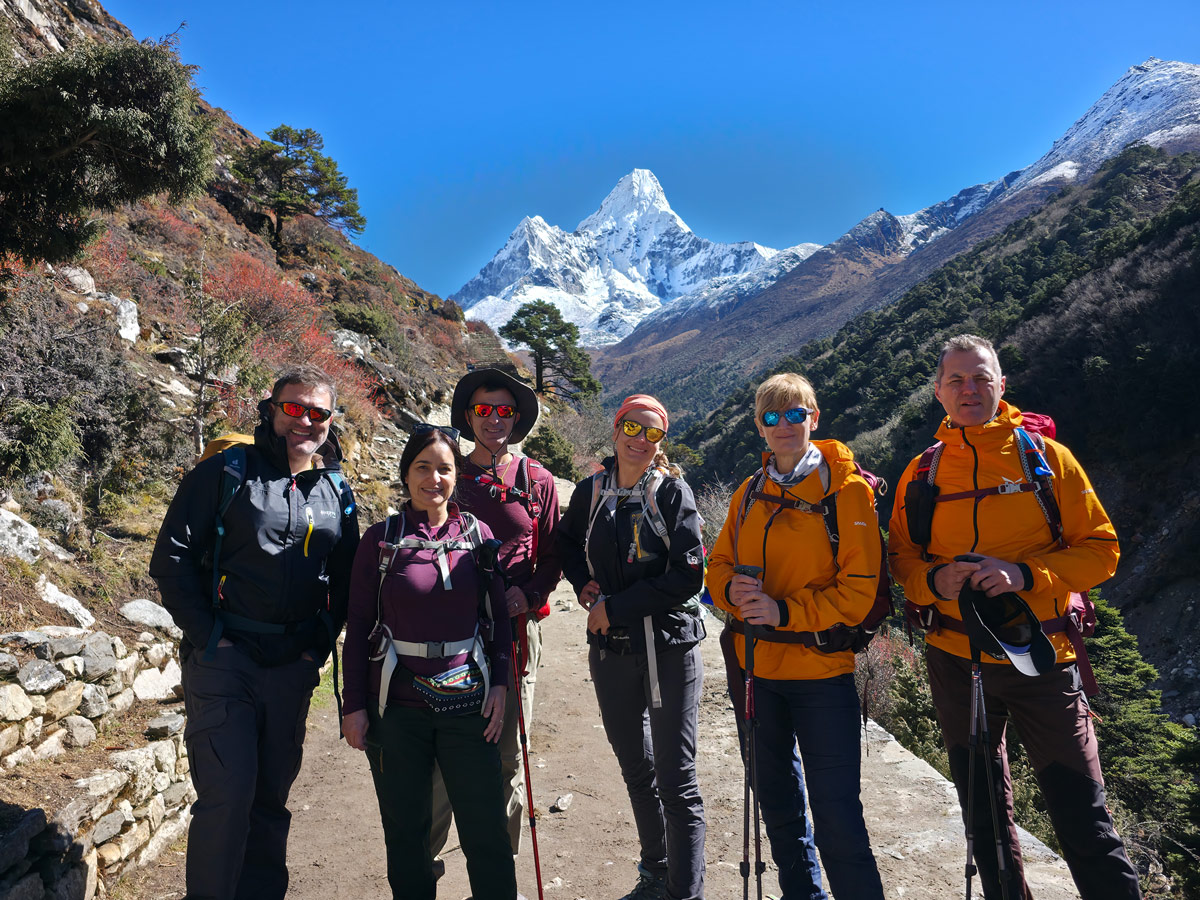
The Everest Base Camp Trek is one of the most challenging yet rewarding adventures in the Himalayas. But have you ever wondered when is the best time for EBC trek to experience the perfect weather, clear views, and unforgettable mountain scenery?
Being the most common question that we receive from our clients, we’ve created this blog as a detailed guide to help you understand the best time to go for the Everest Base Camp trek. With this information, you can plan your adventure for the most enjoyable, safe, and rewarding experience in the Himalayas.
The best time to trek Everest Base Camp is during the Spring (March to May) and Autumn (September to November) seasons. They offer the most favorable weather conditions, moderate temperatures, and clear skies. These seasons stand as proof that the perfect seasons for EBC trek exist, ensuring comfort, safety, and breathtaking mountain experiences.
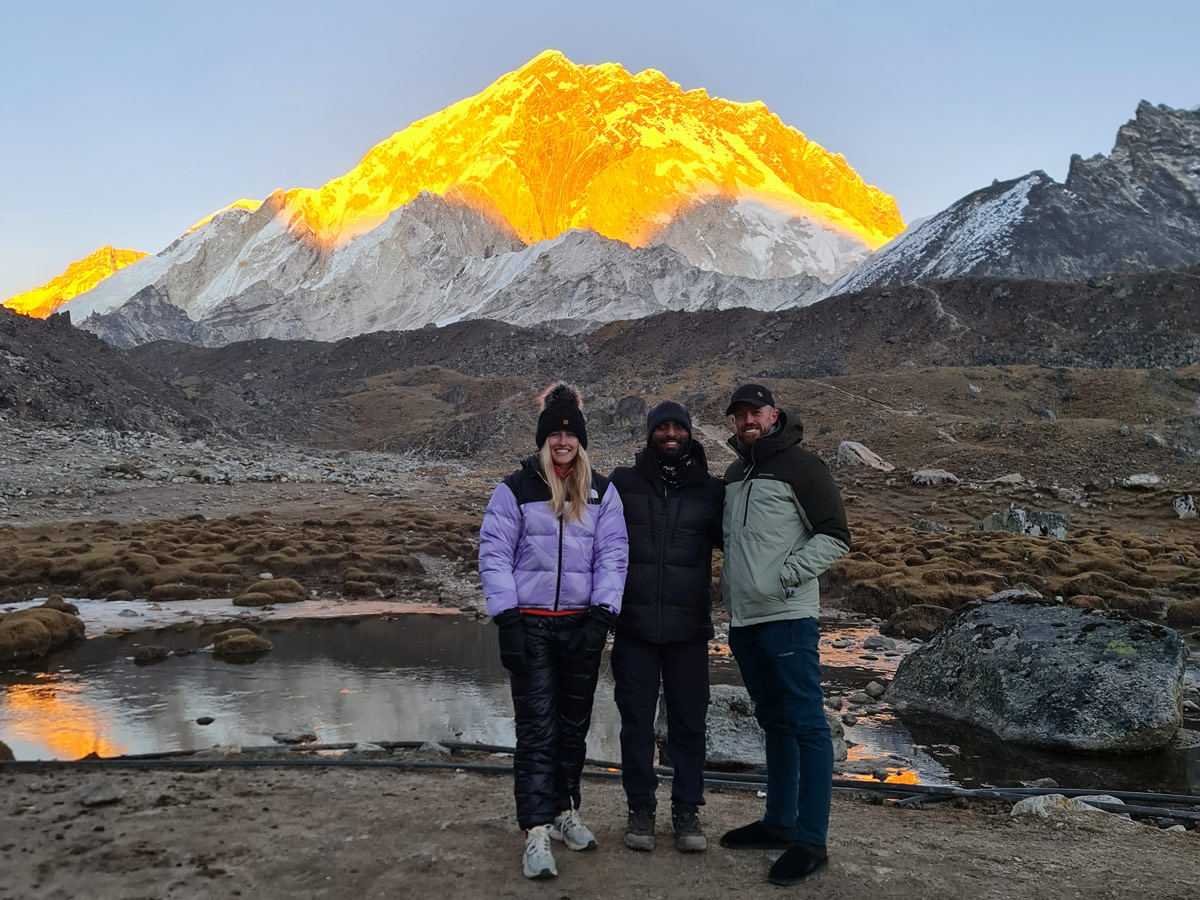
Many people think that the Everest region is cold throughout the year, which is partially true, but the level of cold, wind conditions, snowfall, and clarity of the skies vary significantly from season to season.
Some months offer warm days and crisp views while others bring heavy snow, low visibility, and more challenging trails. Therefore, the best time for Everest Base Camp Trek depends on what kind of experience you want, whether you prefer stability, fewer crowds, vibrant landscapes, or winter solitude.
Everest Base Camp Trek Seasons: When Is the Best Time to Go?
The Khumbu (Everest) region experiences four main seasons. Each season brings its own set of advantages and challenges. The Himalayas in Nepal are known for their dramatically shifting weather, so knowing the general pattern helps you plan better.
The four major seasons for EBC trek are Spring, Autumn, Winter, and Monsoon. Spring and Autumn are considered the most favorable seasons due to stable weather and beautiful views for the Everest Base Camp trek.
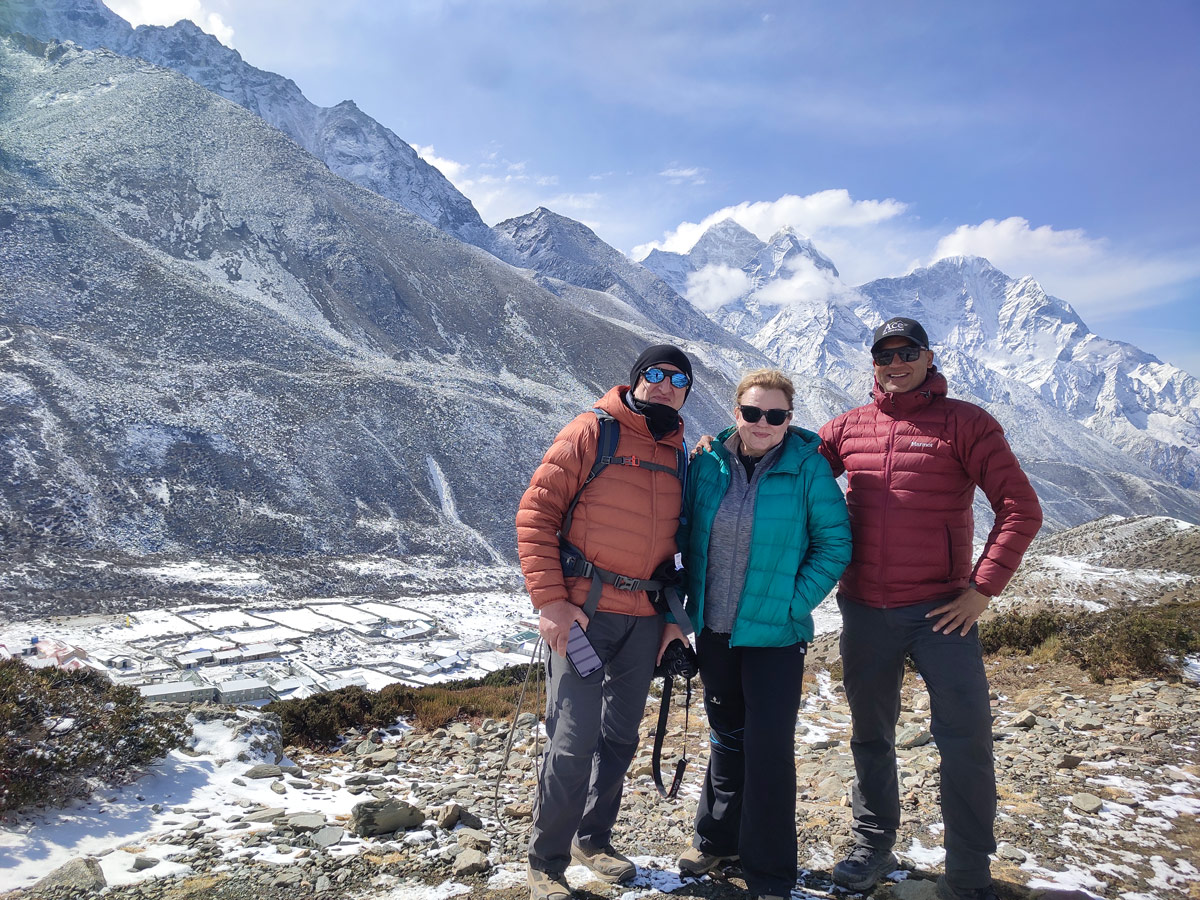
While the Winter and Monsoon are generally less preferred seasons to go for Everest base camp trek, but they do have unique benefits for some trekkers.
Temperatures in the Everest region vary greatly with altitude. Lukla at around 2,860 meters, is warmer than places like Dingboche or Gorakshep, which are above 4,400 meters.
As you climb higher, the nights become colder and the wind speed increases. The Everest Base Camp weather conditions also tend to be more unpredictable at higher elevations. When you understand this seasonal cycle, it will help you match your trekking timeline with your expectations.
Spring Season (March/April/May/June): Best time for Everest Base Camp Trek
Trekking to Everest Base Camp in the spring season, which includes the months of March, April, May, and June, is widely regarded as one of the best Everest trekking seasons to undertake this adventure.
As winter fades, the trails come alive with warmer weather, blooming rhododendrons, and crystal-clear mountain views. The days during spring in Everest region are long and bright, making it comfortable for you to enjoy gradual ascents or descents and immerse yourself in the stunning scenery.
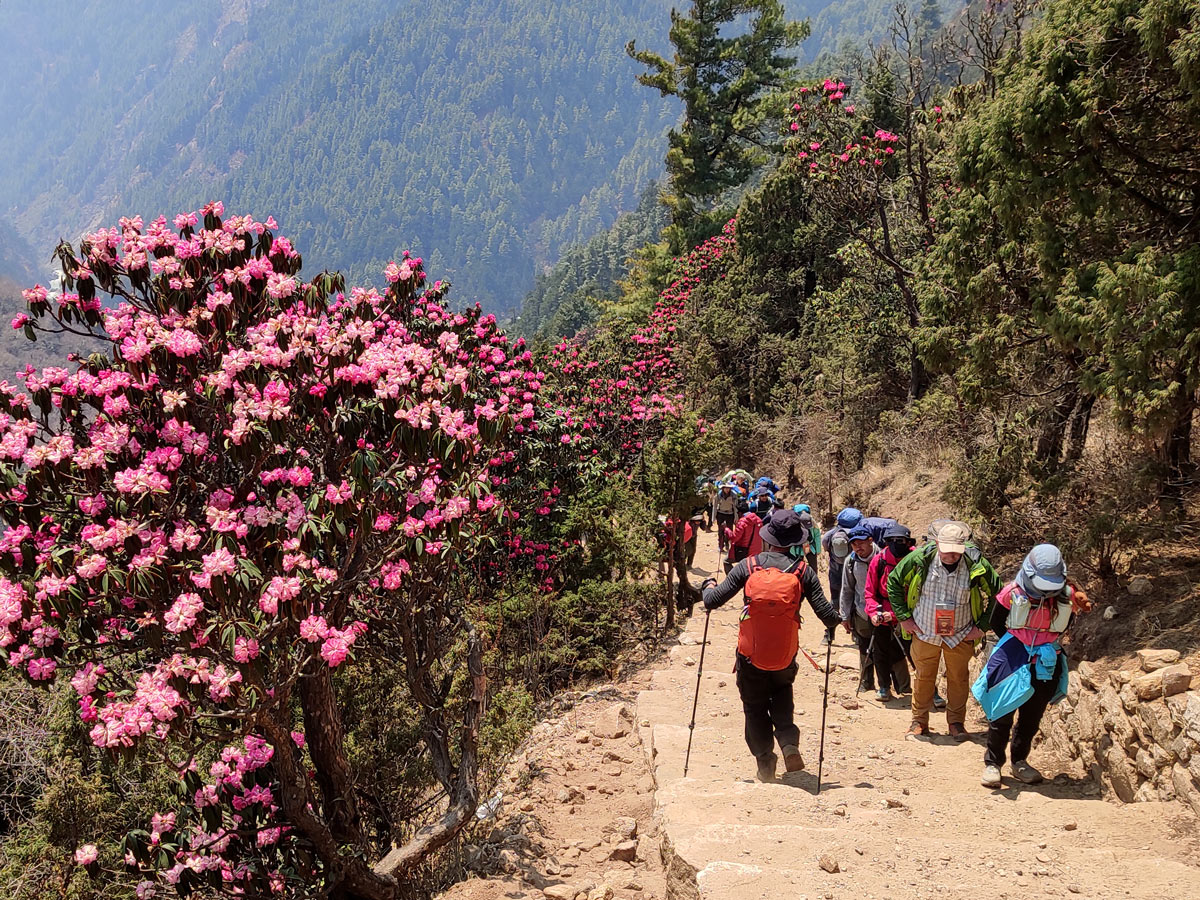
March marks the start of the trekking season, with chilly mornings and pleasant afternoons, while April and May bring the best visibility and mild temperatures. These trekking months of EBC trek welcomes visitors with a spectacular display of seasonal flowers, including the national flower of Nepal, the Rhododendron, locally known as “Laliguras.”
Everest Base Camp Weather and Temperature in Spring Season
During the spring months (March to May), the Everest Base Camp trek weather remains calm and favorable, offering one of the most comfortable trekking conditions of the year.
The average temperature during spring ranges around 20°C (68°F), with clear days offering highs of 25°C (77°F). However, at night and higher altitudes above 4000 meters, temperatures can drop significantly to as low as -15°C (5°F).
Nonetheless, overall, the weather conditions are quite pleasant, making it an ideal period for hiking and climbing not just Everest Base Camp & Mt. Everest but also neighboring peaks like Lobuche Peak and Island Peak in the Everest region.
Advantages of Trekking to Everest Base camp in Spring
Spring is considered the best season to trek to EBC for good reason. The atmosphere is inspiring as climbers gather at base camp to prepare for Everest summits, giving a chance to witness the mountaineering spirit up close.
EBC attracts many trekkers this season, along with other popular spring routes across Nepal, as the entire Himalaya bursts back to life after winter. Here are some more advantages of trekking to Everest Base Camp during spring season:
- Clear and stable weather offers magnificent views of Mount Everest, Ama Dablam, Lhotse, Tobuche, Makalu, Lobuche almost every day.
- Colorful rhododendrons and wildflowers fill the trails, adding beauty and freshness to your journey.
- Comfortable temperatures make trekking pleasant, not too cold at high altitudes and mild in the lower valleys.
- Longer daylight hours during spring gives more time to enjoy the trail and capture incredible mountain views.
- Vibrant teahouses and friendly trekking communities create a lively atmosphere along the EBC route.
- Ideal season for climbing and hiking, with pleasant weather perfect not only for the Everest Base Camp trek but also for nearby peaks like Lobuche Peak and Island Peak.
Spring perfectly blends ideal trekking conditions in EBC trail, natural beauty, and the inspiring mountaineering spirit that defines the Everest region.
Challenges of Spring Trekking in Everest region
Although spring is favorable, it comes with a few challenges. The biggest one is the number of trekkers on the trail. Since this is one of the most popular seasons, the trails can get crowded, especially in April.
The popularity of EBC routes in the spring period means more trekkers on the trails and even more demand for services in teahouses. Teahouses may also get booked more quickly, so reservations help ensure accommodation.
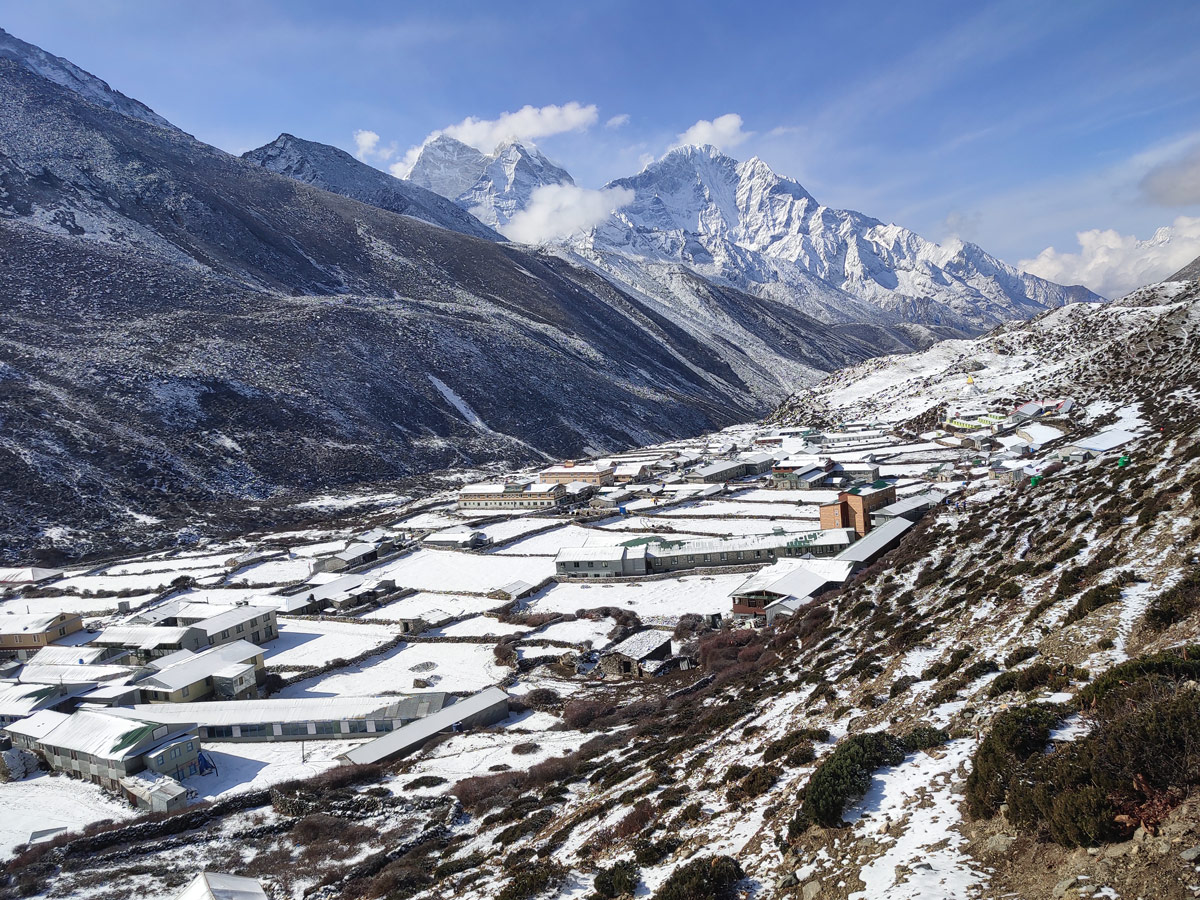
Unexpected snowfall can occur in early March (as winter exits) and late May (as monsoon approaches), potentially making high-altitude trails like the final ascent to Gorakshep and Kala Patthar slippery or challenging.
Another challenge is the warmer afternoons in late April and early May. While mornings are cool and pleasant, the midday sun can be harsh at lower altitudes. Some trekkers may find it tiring to walk in warmer conditions.
Who Should Trek Everest base camp in Spring Season
Spring season is perfect for trekkers who want a classic Everest experience with comfortable weather, stable trails, clear mountain views and natural beauty. If you want to enjoy rhododendron forests, colorful landscapes and dry conditions, spring season is ideal.
This season is also suitable for first time trekkers since the weather is predictable and supportive. The safer trails with minimal snowfall and longer daylight hours; spring is perfect for first-time trekkers, families, and anyone seeking a comfortable yet memorable adventure.
While the trails can be busier, the lively atmosphere and excellent visibility make spring a rewarding choice for the Everest Base Camp trek. Clear skies, blooming rhododendrons, and mild temperatures create the perfect conditions for enjoying panoramic Himalayan views, including Mount Everest itself.
Everest Base Camp Trek in Autumn Season (End of September/October/November): Ideal Season for EBC Trek
The autumn months of September, October, and November represent the most popular and reliable time for trekking to Everest Base Camp. Post-monsoon conditions deliver exceptional clarity, stable weather patterns, and comfortable temperatures that make this the best season for the hike to Everest Base Camp.
The Everest Base Camp weather in autumn remains cool and pleasant, with warm daytime temperatures at lower altitudes and colder but manageable nights at higher elevations.
In September, the post-monsoon landscapes during EBC trek are lush and green, with fresh air and clear trails welcoming trekkers. October offers the most stable weather and excellent visibility, making it the peak trekking month in the Everest region.
By November, the temperatures start to cool, but the skies remain clear, providing uninterrupted views of Mount Everest, Lhotse, Ama Dablam, and other surrounding peaks along the route.
Autumn Weather Conditions during EBC trek
September begins with a hint of leftover monsoon moisture, but as the month progresses, skies become clearer. October and November provide the best weather conditions for trekking. During this period, the mountain views are incredibly sharp. The air is clean, the sky is deep blue, and the cool temperatures make trekking comfortable.
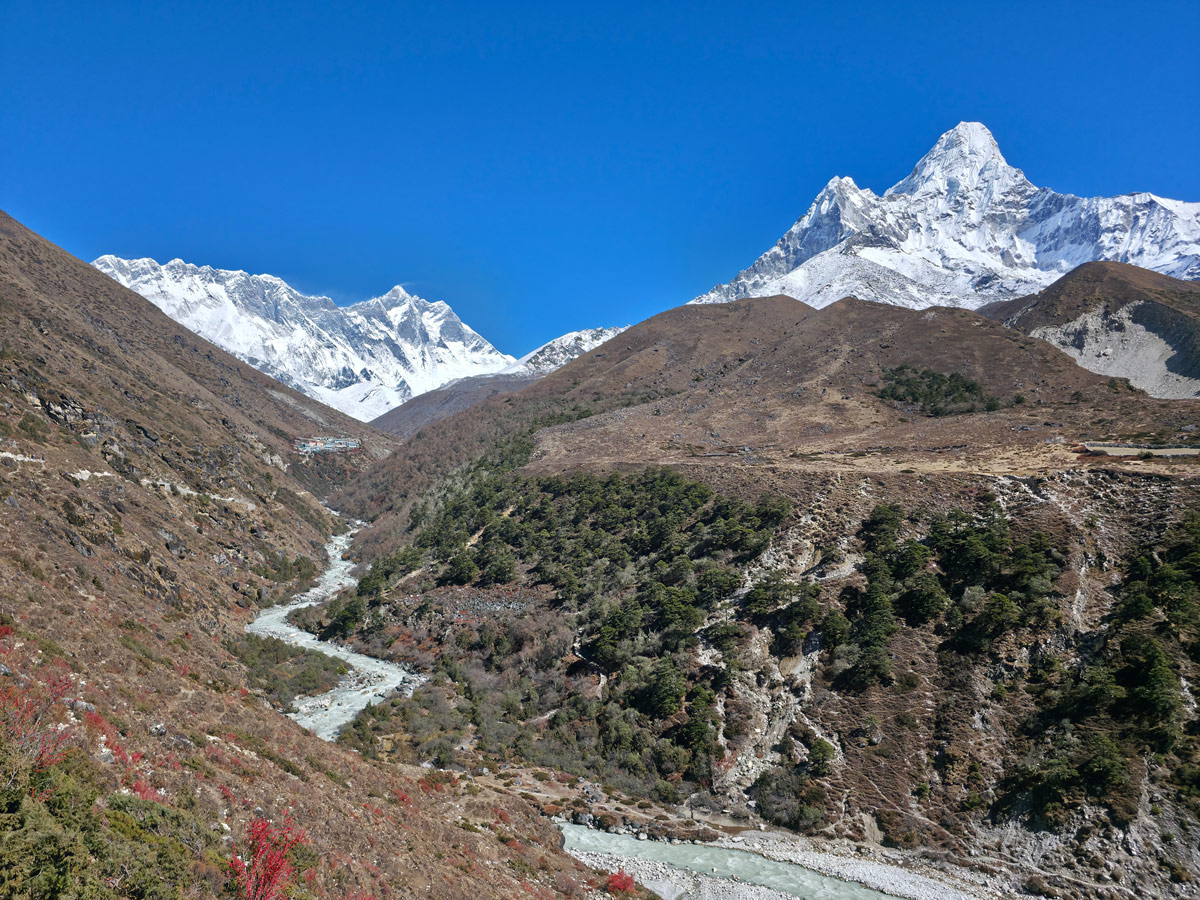
The average temperature during autumn is around 17°C (62.6°F), with highs reaching 20°C (68°F) on clear days. At higher altitudes above 4,000 meters, temperatures can drop as low as -15°C (5°F) overnight.
The mild temperatures and favorable weather conditions make it an ideal choice among the Everest Trekking Seasons.
Advantages of Autumn EBC Trekking
Trek to Everest Base Camp is one of the most beautiful autumn treks across Nepal. Autumn season being the popular and peak season, many trekkers plan to trek in this exciting and lively atmosphere.
The autumn season must be in your calendar for the EBC trek. There are various advantages regarding Autumn as the best time to go to Everest Base Camp:
- Crystal-clear post-monsoon skies provide the year’s best visibility of Mount Everest, Lhotse, Nuptse, Ama Dablam, Thamserku, and the entire Himalayan panorama.
- Stress-free and straightforward trek completion due to stable weather with minimal precipitation.
- Perfect temperature range, i.e. warm enough during the day at lower altitudes, refreshingly cool at higher elevations provides comfort.
- Great opportunity to experience the biggest festivals in Nepal, Dashain and Tihar which take place during Autumn season.
- Major Sherpa festivals including Mani Rimdu at Tengboche Monastery add rich cultural experiences to your Everest region adventure.
- Excellent conditions for side trips to Gokyo Lakes, Three Passes, and peak climbing expeditions like Island Peak and Lobuche Peak.
Autumn seamlessly combines optimal weather conditions, magnificent visibility, cultural richness, and the energetic atmosphere that defines the classic Everest Base Camp experience.
Challenges of EBC Autumn Trekking
While autumn offers outstanding conditions, it’s also the busiest season in the Everest region, matching and sometimes exceeding the crowd levels. The popularity of October particularly means you’ll share the trails and teahouses with many fellow trekkers.
Another concern is that flights to and from Lukla may experience some delays during late September when the monsoon transition is still active. However, once October begins, these issues decrease significantly.
Although the weather is generally stable, climate change has led to a slight increase in unpredictable weather events, making early or unusual snowfall.
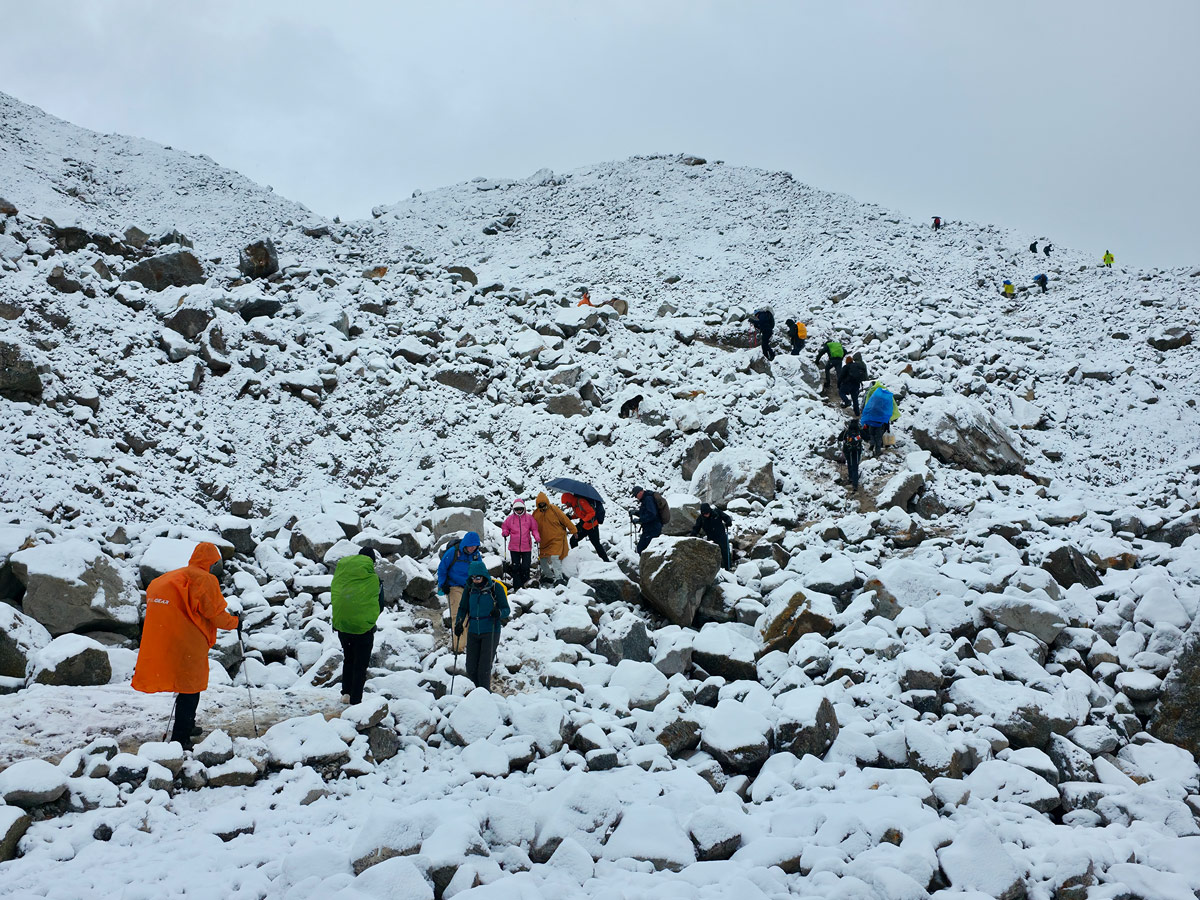
For instance, in October 2025, a cyclone-induced disturbance brought unexpected snowfall to the Everest region, briefly slowing down movement along Tengboche to Everest Base Camp.
Fortunately, all trekkers remained unharmed, but this incident has underscored just how well-prepared you need to be to handle such sudden weather changes.
If you value solitude and flexibility over optimal weather, autumn might feel overcrowded. However, for trekkers seeking the best combination of weather, visibility, and mountain culture, autumn remains the gold standard for Everest Base Camp trekking.
Who Should Trek to Everest Base Camp in Autumn season
Autumn season is ideal for those looking for the best views, stable weather, and a comfortable trekking atmosphere. It is especially suitable for photographers, first time trekkers, families, and adventure seekers wanting the classic Everest experience at its finest.
If you prefer crisp air, reliable trail conditions, and vibrant local festivals like Mani Rimdu, this season is ideal. Autumn is also great for travelers who enjoy meeting fellow trekkers because the trails are lively yet not overwhelming.
Autumn provides a balanced mix of comfort, safety, and breathtaking scenery due to which most trekkers will find autumn season the most rewarding time to trek to the Everest base camp.
Everest Base Camp Trek in Winter Season (December/January/February): Extreme Cold Season
Trekking to Everest Base Camp in the winter season is not for everyone, but it offers a different kind of beauty. Winter includes the months of December, January, and February, offering a unique yet demanding Himalayan adventure.
For many trekkers, winter is considered the most challenging time of year for the EBC trek. Temperatures drop sharply; the trails are often covered in snow and ice, and the harsh mountain winds make the environment extremely unforgiving. If there is heavy snowfall, certain sections of the EBC trek route can become slippery or temporarily inaccessible, making difficulty walking.
Despite its beauty, a winter Everest Base Camp hike requires serious preparation. Trekkers must be fully equipped with high-quality winter gear, proper layering systems, and cold-resistant equipment to stay warm, safe, and protected in these frigid conditions.
Winter Weather and Average Temperature Along the Everest Base Camp Route
Winter brings cold but stable weather with exceptional visibility. Lower regions remain bearable, while higher elevations drop below freezing, especially at night.
Daytime temperatures may warm slightly in direct sunlight at lower elevations, but higher altitudes remain below freezing throughout the day. Nighttime temperatures require high-quality sleeping bags and extreme cold weather gear to remain safe and comfortable.
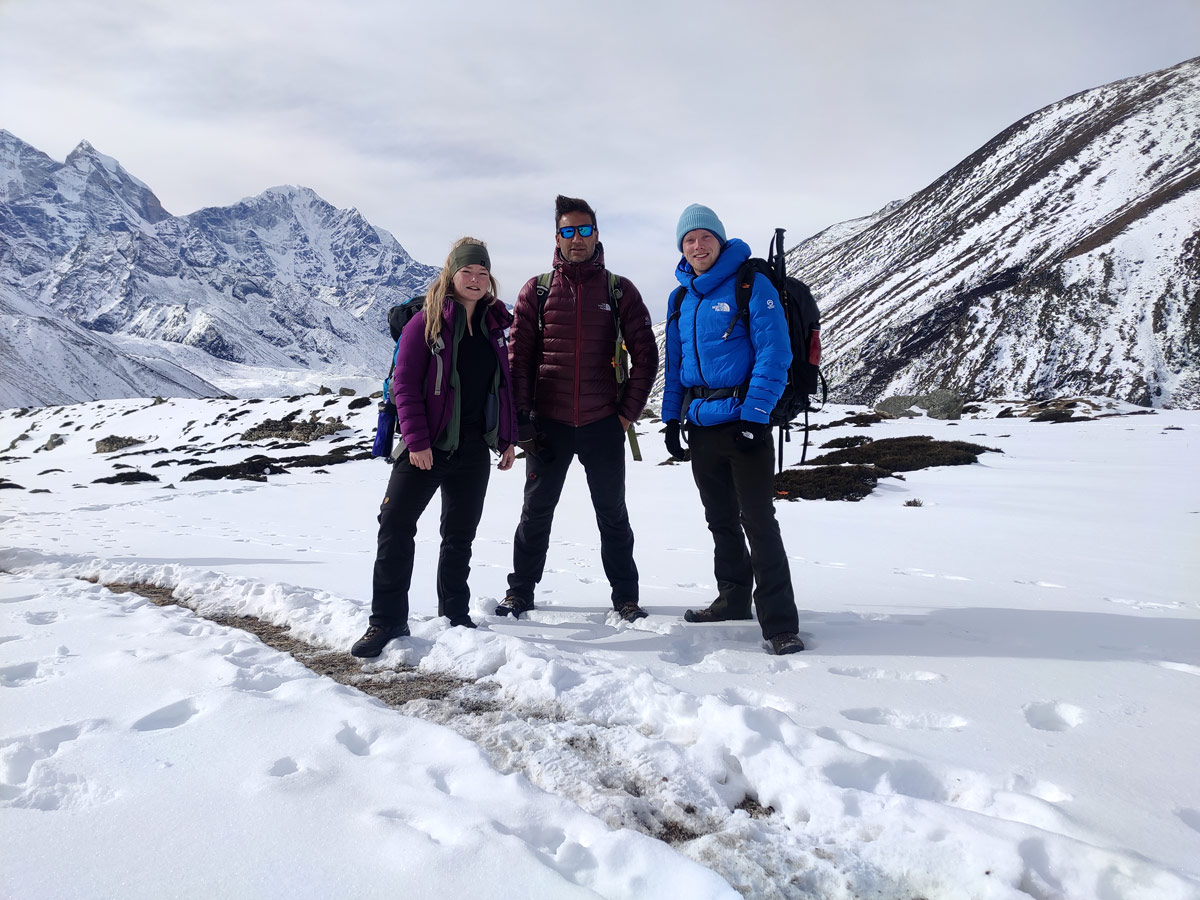
The average temperature in the Everest region during winter is around 10°C (50°F), with highs reaching 17°C (62.6°F) on clear days. However, at night and at higher altitudes above 4000 meters, temperatures can drop as low as -20°C (-4°F).
Snowfall is possible in January and February, especially above Tengboche. Heavy snow can make certain trails difficult to cross.
Advantages of Winter EBC Trekking
Winter is a rewarding season for those seeking solitude and crystal-clear views. It is the quietest season for the Everest Base Camp trek that only attracts the most experienced mountain trekkers.
The Everest region sees minimal tourist activity during winter months, with many teahouses closing or operating at reduced capacity. However, determined trekkers who properly prepare for winter conditions can experience the Himalayas in their most pristine and peaceful state.
Here are some benefits of winter Everest Base Camp trekking for experienced trekkers:
- Less traffic compared to other seasons, providing a more solitary and intimate trekking experience.
- Exceptionally clear skies on stable weather days provide the year’s most spectacular mountain views.
- Pristine snow-covered landscapes create stunning photographic opportunities and untouched beauty.
- Amazing photo opportunities with snow-covered peaks.
- No crowds at viewpoints means private sunrise experiences at Kala Patthar and Everest Base Camp.
Winter EBC trekking demands respect for mountain conditions, flexible schedules to accommodate weather, and willingness to turn back if conditions become dangerous. It’s a great achievement that few trekkers accomplish.
Challenges of Winter Trekking in Everest region
The major drawback of winter trekking in EBC is extreme cold. Nights in the Everest region can be freezing, especially above 4,000 meters. This requires proper winter gear, including down jackets, warm hard shell gloves, micro spikes or crampons and high-quality sleeping bags.
Snowfall can block trails or make them slippery. Also, the risk of weather related delays is higher in winter season, both on the EBC trekking trail and in flights to and from Lukla.
The chances of frostbite, hypothermia, and intensified altitude-related illnesses rise sharply in such severe weather. The combination of extreme cold, heavy snowfall, and limited rescue accessibility makes winter season the most dangerous season for an Everest Base Camp trek.
Who Should Choose Winter for trekking to Everest Base Camp
Winter trekking is best for experienced trekkers who can handle cold conditions. If you enjoy cold weather and don’t mind bundling up with proper gear, winter rewards you with a rare view of Everest that most trekkers never experience.
The trails are quiet, teahouses are less busy, and the serene landscapes offer a more intimate Everest experience. This season is a good fit for experienced trekkers, photographers wanting dramatic snowy peaks, and adventure-lovers seeking a challenge.
Winter is also suitable for solo trekkers or couples who prefer a calm, crowd-free environment. Those comfortable with cold temperatures and looking for a unique, tranquil journey to EBC will love trekking in winter.
EBC Trek in Monsoon Season (June/July/August/Mid-September): Off-Season Adventure
The Everest Base Camp Trek in Monsoon Season, which spans from June to Mid-September, is considered one of the most challenging and least popular periods for this Himalayan journey.
The monsoon season in Nepal is characterized by heavy rainfall, resulting in muddy and slippery trails throughout the Everest region. June turns warm and humid with mist-covered trails while July and August bring the season’s heaviest rainfall, creating lush greenery and occasional clear moments at higher altitudes.
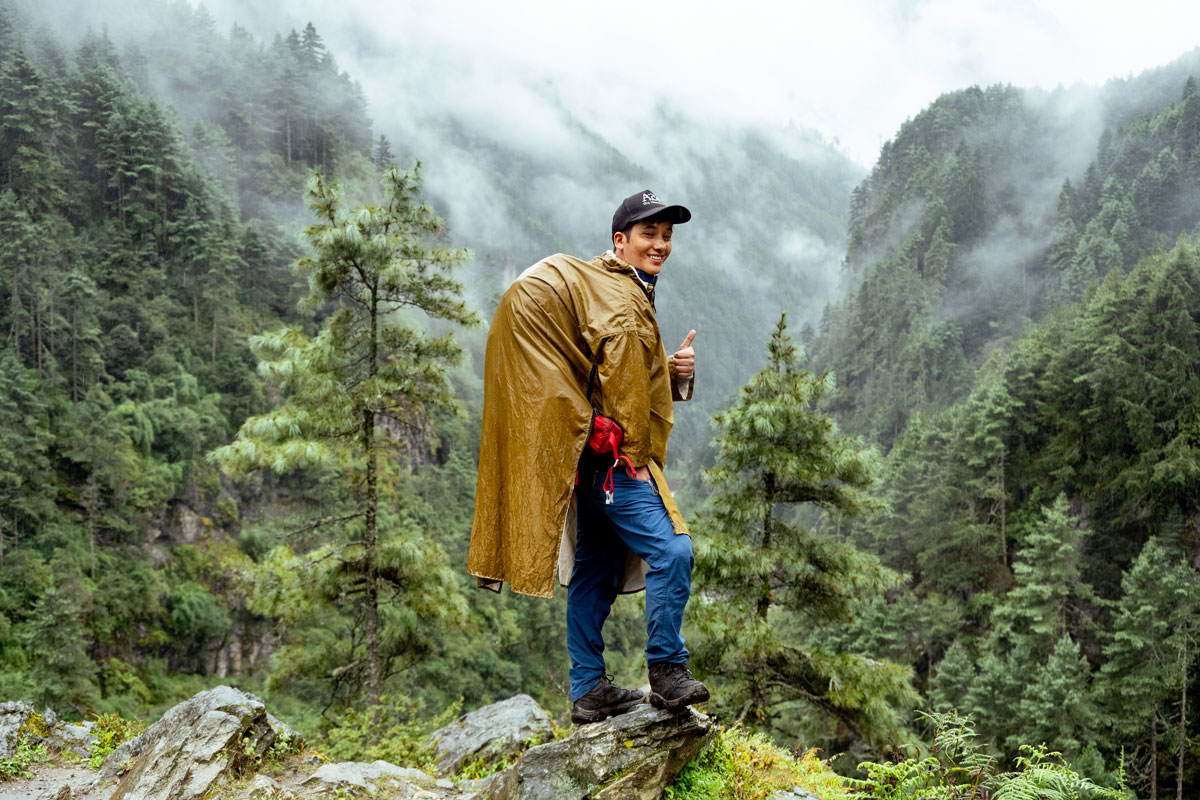
By early to mid-September, the rains ease, visibility improves, and the trails gradually dry, revealing fresh and vibrant landscapes.
Although rain showers are frequent at lower altitudes, the higher regions above Namche Bazaar receive less rainfall, and mornings often bring clear skies before afternoon clouds gather.
Monsoon Weather Patterns and Temperatures at Everest Base Camp
Rainfall is frequent, especially in lower altitudes. Regions like Lukla, Phakding, and Namche receive significant rain. As you move higher into the Khumbu, rainfall decreases, but clouds still dominate. Trails can become muddy and wet, which may slow down your pace.
It’s important to note that during the monsoon season, the lukla average temperature hovers around 22°C (71.6°F), with highs reaching 30°C (86°F) on clear days. However, at higher elevations above 4000 meters, the temperature can drop to as low as -5°C (23°F) overnight.
The essential gear needed for an Everest Base Camp trek during the monsoon season (June-August) is a complete set of waterproof shell layers, quick-drying trekking clothes, sturdy waterproof boots with gaiters for mud/leeches, and a down jacket/sleeping bag for cold high-altitude nights.
Advantages of Trekking Everest Base Camp during Monsoon
Monsoon season remains off-season for Everest Base Camp Trekking for valid reasons. While not impossible, the challenges significantly outweigh the benefits for the most trekkers.
For adventurous souls seeking solitude and willing to accept uncertainty, monsoon trekking in EBC offers a unique experience. Here are the limited advantages of monsoon season Everest Base Camp trekking:
- Virtually empty trails during monsoon season in EBC provide a solitary mountain experience which is rarely possible in Everest region.
- Accommodation and flights are available at the lowest prices of the year due to minimal demand.
- Lush, green landscapes in lower elevations with vibrant vegetation and spectacular wildflowers are mesmerizing.
- There is no booking pressure with immediate availability at all teahouses and lodges along the route.
- Unique photographic opportunities with dramatic cloud formations and misty mountain atmospheres.
Despite these factors, monsoon season challenges make it suitable only for experienced, flexible trekkers with ample time and realistic expectations about mountain visibility.
Everest Base Camp Monsoon Trekking Challenges
Monsoon presents serious obstacles that make it the least recommended time for Everest Base Camp trekking. Heavy rainfall is the biggest issue while trekking to EBC during monsoon season. This makes trails muddy and increases the risk of slips. Clouds also block mountain views, which may disappoint trekkers expecting clear vistas.
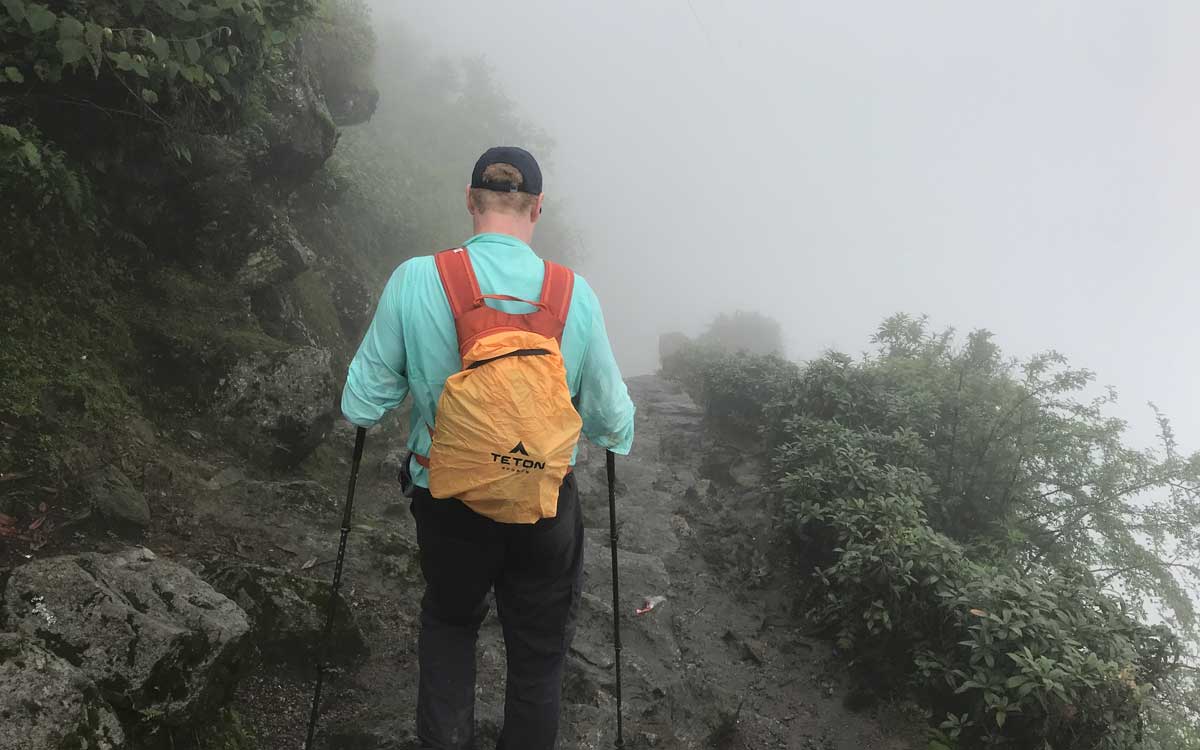
The Lukla flight cancellations are more common during monsoon due to poor visibility. Leeches may be present in lower altitudes, adding discomfort while trekking to Everest Base Camp.
For these reasons, monsoon trekking is recommended only for experienced trekkers or those who understand the challenges.
Who Should Choose Monsoon for EBC Trek
Monsoon is suitable for trekkers seeking solitude and lush scenery, and those who do not mind rain. Photographers who love atmospheric landscapes might enjoy this season.
If you appreciate greenery, blooming wildflowers, and a peaceful environment, monsoon season offers a refreshing perspective of the Everest region. Lower sections of the trail become beautifully alive with waterfalls and rich vegetation.
It’s also a good choice for nature lovers, bird watchers, and those wanting a more culturally immersive experience, as villages are quieter and interactions with locals feel more authentic.
Trekkers who value solitude and want to avoid the peak-season crowds will find monsoon trekking in EBC surprisingly rewarding. But for first time trekkers or those who prioritize clear mountain views, monsoon is not the best choice.
Month by Month Breakdown of Everest Base Camp Trek Conditions
The Everest region changes dramatically throughout the year, and each month brings its own trekking experience, weather patterns, and trail atmosphere. Below is a clear month-by-month guide to help you choose the ideal time for your EBC trek.
| Month | Trekking Conditions |
| January | Very cold but clear skies. Quiet trails. Suitable for experienced trekkers. |
| February | Cold begins to ease slightly. Clear views but snowfall still possible. |
| March | Start of spring. Gradual warming, snow begins melting, and great visibility. |
| April | One of the best months: ideal temperatures, rhododendron blooms, perfect clarity. |
| May | Warm days, occasional clouds. Great trekking but trails are busier. |
| June | Beginning of the monsoon. Wet trails and limited mountain views. |
| July | Peak monsoon with heavy rainfall and thick cloud cover. |
| August | Rain continues but gradually decreases toward month-end. |
| September | Transition to autumn. Early rain possible; late September is excellent for trekking. |
| October | Best month for EBC. Clear, stable, photogenic weather. |
| November | Cold mornings/nights but clear skies. Excellent trekking conditions. |
| December | Start of winter. Cold but peaceful trails and beautiful scenery. |
Temperature Variation from Lukla to Everest Base Camp
Temperature shifts greatly as you move higher in altitude, and knowing the range helps with proper packing. Below is a general overview of temperatures at major stops along the Everest Base Camp trail:
- Lukla (2,840 m/9,318 ft): 3 to 18°C (37 to 64°F) depending on season
- Namche Bazaar (3,440 m/11,286 ft): 0 to 15°C (32 to 59°F)
- Tengboche (3,860 m/12,664 ft): -5 to 15°C (23 to 59°F)
- Dingboche (4,410 m/14,469 ft): -10 to 5°C (14 to 41°F)
- Lobuche (4,910 m/16,109 ft): -15 to 0°C (5 to 32°F)
- Everest Base Camp (5,364 m/17,598 ft): -20 to 5°C (-4 to 41°F) depending on month
These temperatures vary significantly by season, with the warmer ranges typically occurring during the trekking seasons (spring and autumn) and the colder temperatures during winter months.
Everest Base Camp Trek: Best Time by Preference
The two most popular seasons, Spring (March-May) and Autumn (September-November), offer the most favorable weather with stable conditions and clear mountain views.
However, opting for the quieter winter or monsoon months can reward the specialized trekker with stunning solitude and unique perspectives.
| Preference | Best Seasons /Months | Why It’s Best Choice |
| Best Views / Photography | Autumn (October & November) and Spring (April) | Offers stunning clarity and golden light due to crisp, post-monsoon air or stable spring conditions. |
| First-Time Trekkers / Easiest Conditions | Autumn (October) & Spring (April-May) | Provides the most stable weather with comfortable temperatures and dry, manageable trails. |
| Solitude / Fewer Crowds | Winter (December, January, & February) | The off-season sees minimal crowds, resulting in peaceful trails and a more intimate experience. |
| Budget-Conscious Travelers | Winter and Monsoon Months | The reduced tourist volume leads to lower demand and often more flexible lodge and service prices. |
| Experienced Trekkers Seeking Challenge | Winter (December-February) or early Spring | Rewards trekkers with crisp, unobstructed views and the adventure of navigating snow and extreme cold. |
| To See Base Camp “In Action” | Spring and Autumn seasons | The EBC climbing seasons fill Everest base camp with a vibrant, bustling tent-city of international expeditions. |
Tips for Choosing the Best Time for Everest Base Camp Trek
The right season will shape your entire trek, from comfort to safety. Keep these tips in mind when planning your journey:
- Book early to secure your spot during the peak seasons of April and October as its difficult to get Lukla flights.
- Adjust your gear according to the season. Warm layers are essential for winter and late autumn, while lightweight clothing suits spring and early autumn.
- Plan for Lukla flight delays. Weather related delays are common in monsoons and early winter.
- Always carry travel insurance. High altitude trekking involves risks, and insurance helps cover emergencies.
- Finally, listen to your guide. Local guides understand the changing conditions better and ensure your safety.
Which Season to Trek Everest Base Camp?
Therefore, the best time for the Everest Base Camp trek depends on the preferences and goals of adventurers. By acknowledging that the best month to hike Everest Base Camp to undertake the remarkable journey is subjective, we recognize the individual’s desire for a personalized experience amidst nature’s splendors.
Spring is the best time to hike Everest Base Camp for clear skies, blooming trails, and vibrant mountain views, while autumn Everest Base Camp trek is best time for crisp weather and less crowded trails.
Similarly, during the Winter season, the EBC trek is ideal for solitude and snow-covered landscapes, while the monsoon season offers lush green trails and fewer trekkers in the EBC trail.
Whether you are planning the best time to go to Mount Everest Base Camp for adventure, photography, or a peaceful trekking experience, each season offers unique opportunities.
Embracing the freedom to choose allows each adventurer to craft a truly unforgettable and tailor-made Everest Base Camp trek. Ultimately, the best time for Everest Base Camp trek is the one that matches your goals, weather preference, and trekking style, giving you the chance to ace the Himalaya Everest Base Camp in your own way.