


Every unforgettable journey has a beginning, and for thousands of trekkers heading into the Himalayas, that beginning is Phakding. While the spotlight often falls on iconic destinations like Namche Bazaar, Everest Base Camp, and Kala Patthar, this peaceful riverside village quietly plays one of the most important roles on the entire Everest trekking route.
Located in the heart of the Khumbu region, Phakding is much more than just a place to spend the night. It marks the official start of your trekking adventure, giving you time to settle into the rhythm of mountain life before ascending to higher elevations.
After the thrilling flight to Lukla, the trail to Phakding offers a gentle introduction to the Himalayas, allowing you to enjoy beautiful landscapes, traditional Sherpa villages, and the soothing sound of the Dudh Koshi River.
Unlike the demanding days that follow, the hike from Lukla to Phakding is relatively short and easy. This first day helps your body begin adjusting to the increasing altitude while giving you a chance to test your gear, get comfortable with your backpack, and experience the warm hospitality of local teahouses.
Where is Phakding?
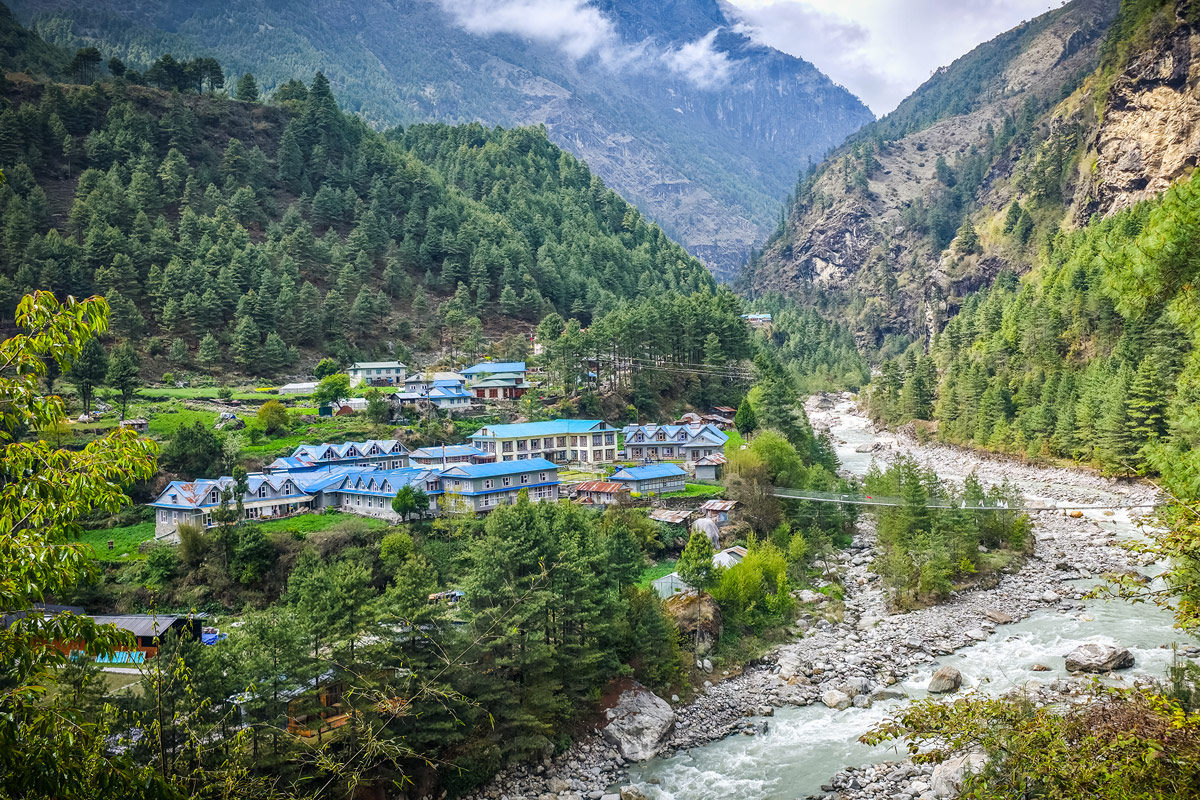
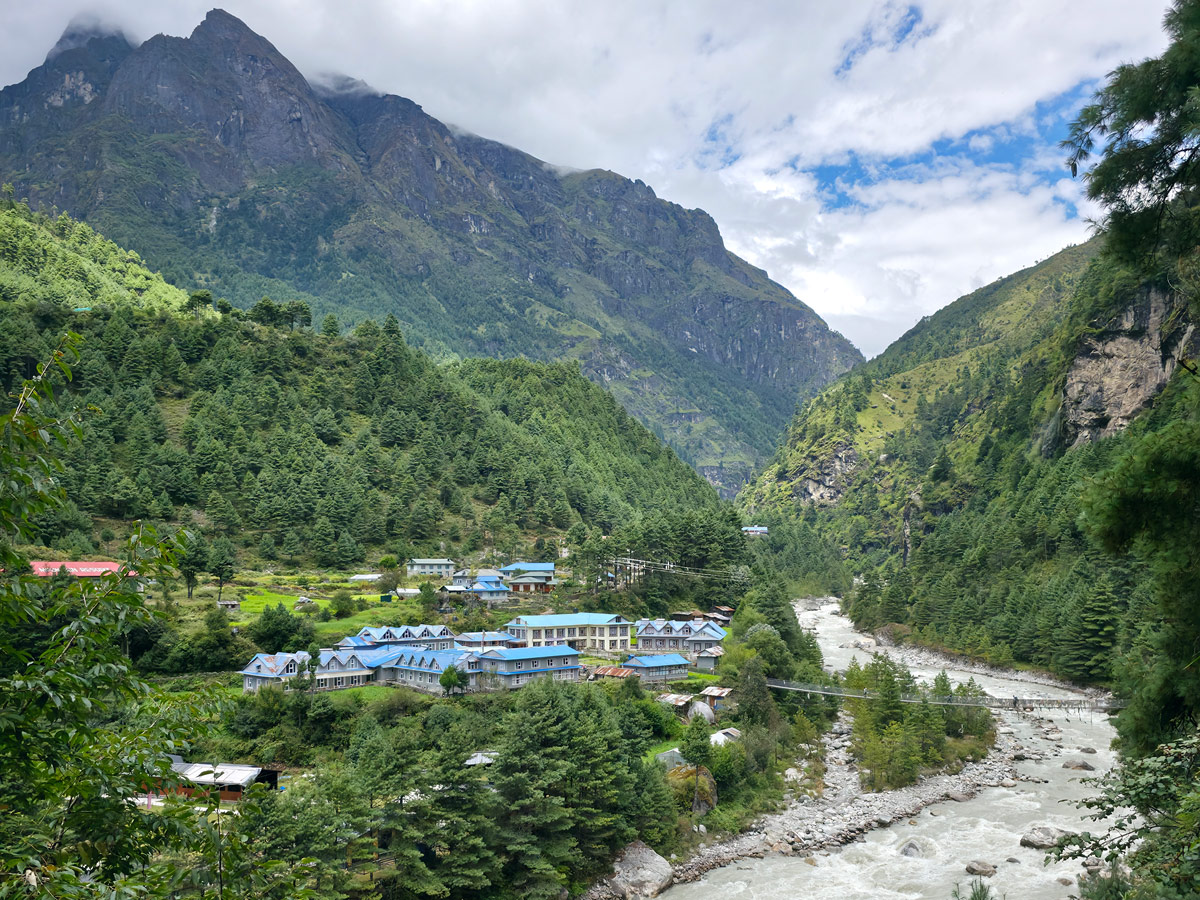
Nestled along the banks of the Dudh Koshi River, Phakding is a small Sherpa settlement located in Nepal’s famous Khumbu region. Sitting at an altitude of 2,610 m (8,563 ft), it serves as the first overnight destination for most trekkers following the standard Everest Base Camp route.
The village lies between Lukla and Namche Bazaar, making it a natural stopping point after arriving at Tenzing-Hillary Airport. Although Phakding itself is modest in size, it is one of the busiest Everest trekking villages, welcoming thousands of hikers each trekking season.
The village is surrounded by terraced fields, pine forests, and the kind of mountain scenery that makes you stop mid-step just to stare. It’s not a busy town, it’s a small, quiet settlement that feels genuinely Himalayan, not touristy.
Quick Facts About Phakding
| Feature | Details |
| Location | Khumbu Region, Nepal |
| Altitude | 2,610 m (8,563 ft) |
| Trekking Route | Lukla to Namche Bazaar |
| Distance from Lukla | Approximately 8 km (5 miles) |
| Walking Time | 3–4 hours |
| River | Dudh Koshi River |
| National Park | Sagarmatha National Park (nearby entrance at Monjo) |
Why is Phakding the First Stop?
There is a reason why almost every Everest Base Camp Trek itinerary includes an overnight stay in Phakding. The village provides the perfect balance between accessibility, comfort, and gradual altitude gain.
Think of your Everest adventure like climbing a staircase rather than a ladder. Every step prepares you for the next one, and Phakding is that essential first step.
A Gentle Introduction to Trekking
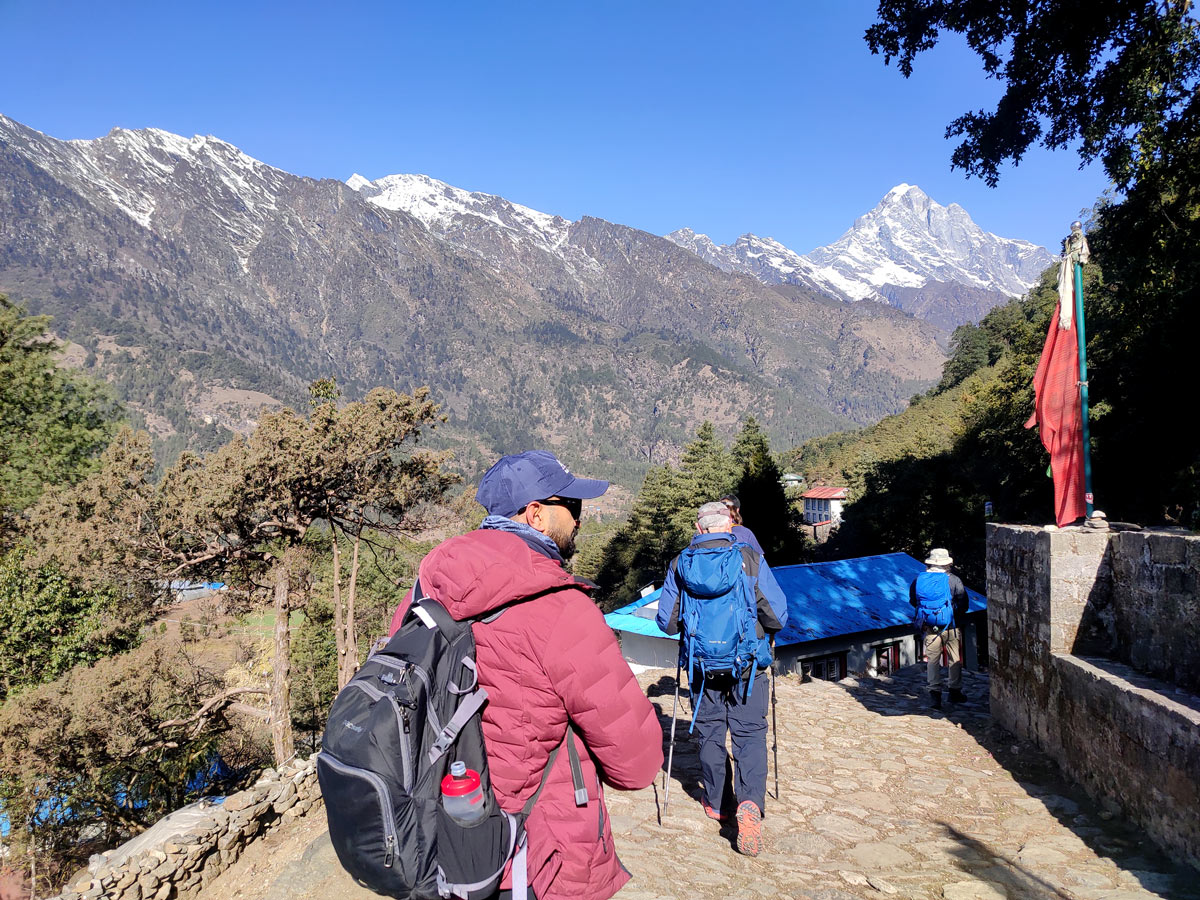
The trek from Lukla begins with mostly downhill and relatively flat sections, making it ideal after the excitement of landing at one of the world’s most famous mountain airports.
Instead of facing a difficult climb on the first day, trekkers can walk at a relaxed pace while soaking in the breathtaking scenery to Phakding.
This easier start helps reduce fatigue and allows everyone to ease into the multi-day journey ahead.
Helps Your Body Adjust
Although Phakding altitude is not considered high enough to cause serious altitude sickness for most people, it marks the beginning of your body’s acclimatization process.
By spending the night here, you gradually adapt before climbing to higher settlements like Namche Bazaar, Tengboche, Dingboche, and eventually Everest Base Camp.
Experience Sherpa Hospitality
One of the highlights of staying in Phakding is experiencing the warmth and friendliness of the local Sherpa community.
The village is home to welcoming family-run lodges where trekkers can enjoy homemade meals, relax beside a warm dining room stove, and hear fascinating stories from guides and fellow adventurers.
It’s here that many people realize the Everest trek is about far more than mountains, it’s about culture, people, and shared experiences.
Beautiful Natural Setting
Phakding’s peaceful location beside the Dudh Koshi River creates a relaxing atmosphere unlike anywhere else along the trail.
As the river rushes past polished boulders and colorful prayer flags flutter overhead, the constant sound of flowing water becomes the soundtrack to your first night in the Himalayas.
Trek from Lukla to Phakding
The journey from Lukla to Phakding is often described as one of the most enjoyable days of the entire Everest trek.
Rather than testing your endurance, it invites you to slow down, observe your surroundings, and appreciate the transition from busy airport to peaceful mountain valley.
Distance and Duration
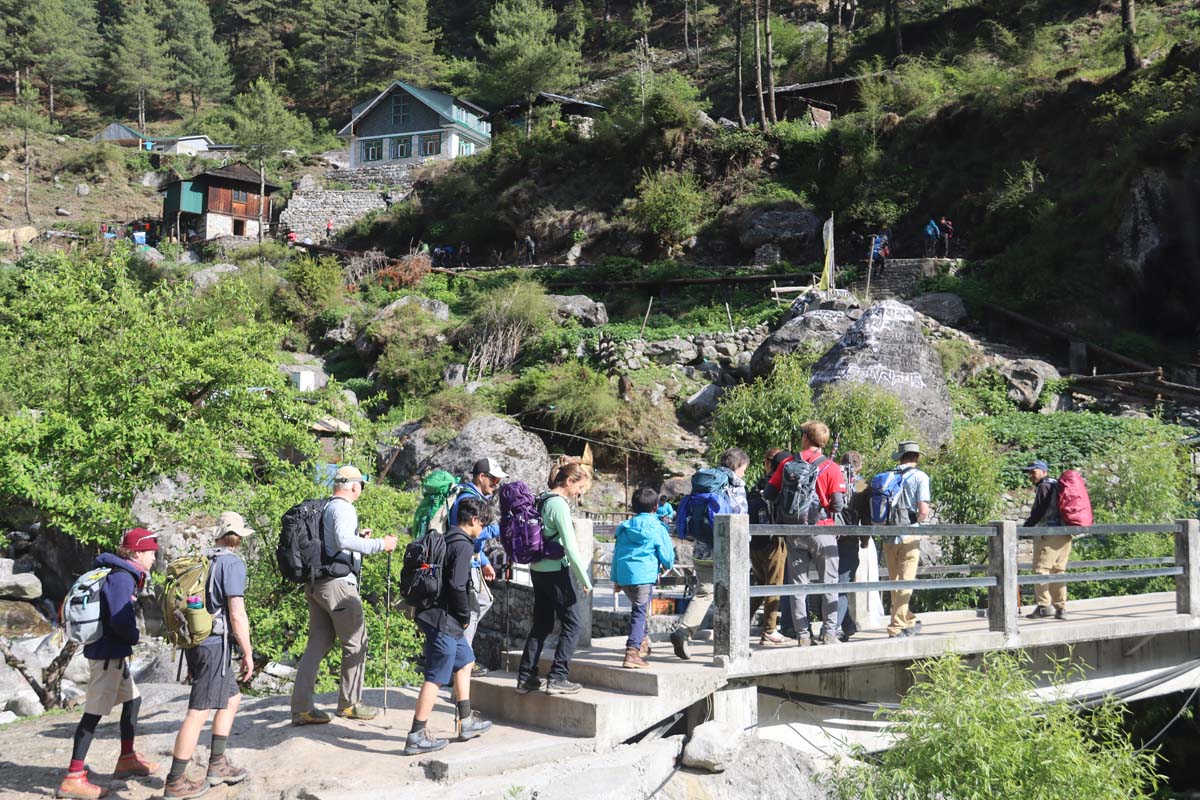
The trek from Lukla to Phakding covers approximately 8 kilometers (5 miles) and usually takes 3 to 4 hours, depending on your walking pace and the number of breaks you take.
Because the route is relatively short, there is no need to rush. Most trekking groups leave Lukla after breakfast and arrive in Phakding by early afternoon, leaving plenty of time to explore the village or relax at the lodge.
Trail Highlights
Although considered one of the easiest trekking days, the route offers spectacular scenery from beginning to end.
Along the way, you’ll experience:
- Traditional Sherpa villages
- Mani stones carved with Buddhist prayers
- Prayer wheels powered by flowing streams
- Pine and rhododendron forests
- Wooden and suspension bridges
- Crystal-clear mountain rivers
- Colorful prayer flags
- Local farms and yak caravans
Every corner of the trail introduces another postcard-worthy view, making it easy to forget you’re only on the first day of your Everest adventure.
What Should You Carry on the trek to Phakding?
Since the trek is relatively short, you only need a few essentials in your daypack.
Consider carrying:
- Water bottle or hydration bladder
- Light waterproof jacket for the trek
- Sunscreen and sunglasses
- Camera or smartphone
- Snacks or energy bars
- Personal medications
- Trekking poles (optional but helpful)
- Light fleece for changing weather
You don’t have to worry about your weights as your assigned porter will carry your larger duffel bag, allowing you to enjoy the trail with minimal weight on your shoulders.
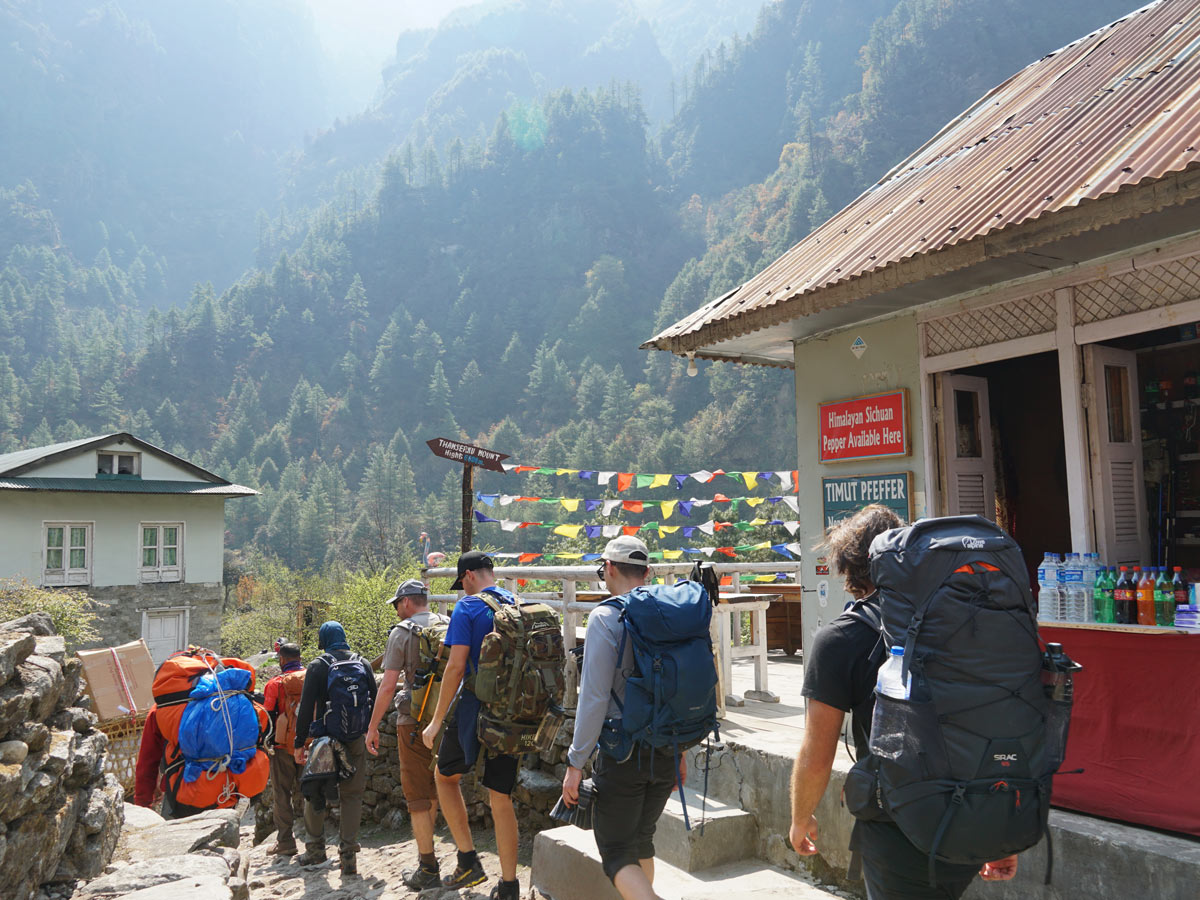
By the time you arrive in Phakding, you’ll already feel immersed in the rhythm of Himalayan trekking. The sound of the river, the smiles of local Sherpa families, and the crisp mountain air all combine to create an unforgettable first impression of the Everest region.
And while Everest itself still lies many days ahead, your adventure has truly begun.
What Makes Phakding Special?
Many trekkers see Phakding as simply the first overnight stop on the Everest Base Camp Trek, but those who take the time to explore quickly discover that this small village has a charm of its own.
It may not have the bustling streets of Namche Bazaar or the dramatic glaciers near Everest Base Camp, yet it offers something equally valuable as a peaceful introduction to life in the Himalayas.
The slower pace allows you to disconnect from the outside world and reconnect with nature. Instead of traffic noise, you’ll hear the steady flow of the Dudh Koshi River. Instead of towering buildings, you’ll be surrounded by pine-covered hills, suspension bridges, and traditional stone houses.
A Traditional Sherpa Village
One of the biggest highlights of Phakding is its rich Sherpa heritage. Generations of Sherpa families have lived in this region, preserving their unique traditions, Buddhist beliefs, and warm hospitality.
As you walk through the village, you’ll notice colorful prayer flags fluttering in the mountain breeze, intricately carved mani stones lining the trail, and prayer wheels that locals spin as they pass.
Many lodges are family-owned, and it’s common for trekkers to chat with their hosts over dinner while learning about local customs, festivals, and everyday life in the Himalayas.
The Beautiful Dudh Koshi River
Flowing directly through the village, the Dudh Koshi River is one of Phakding’s defining features. Fed by glaciers high in the Everest region, its milky-white water rushes over large boulders, creating a soothing soundtrack that accompanies you throughout your stay.
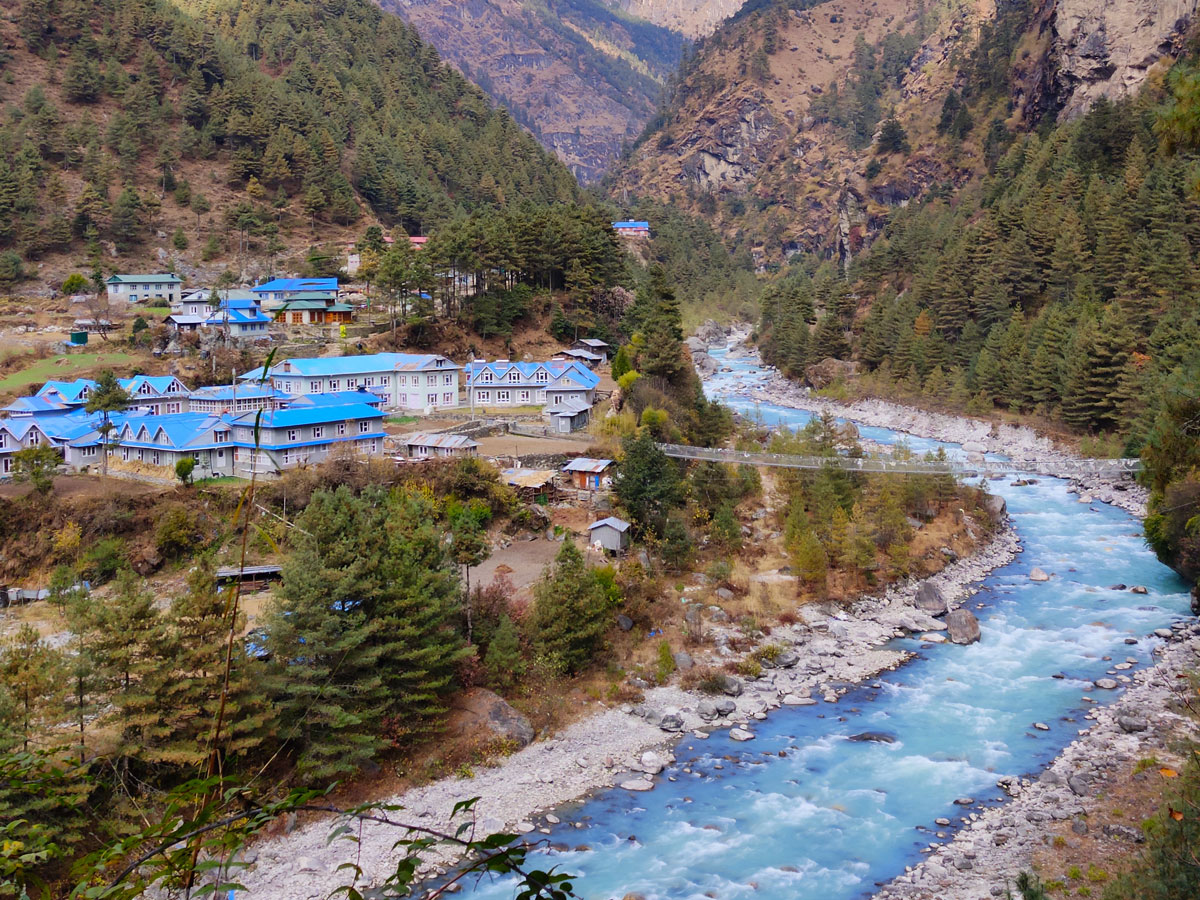
Many teahouses are built close to the river, offering balconies where you can sit with a cup of tea and simply enjoy the view. After a day of walking, few experiences are more relaxing than listening to the river while the sun disappears behind the surrounding hills.
Scenic Mountain Views
Although Everest itself isn’t visible from Phakding, the surrounding scenery is still impressive. The valley is framed by lush forests, rolling hills, and rugged Himalayan peaks that hint at the dramatic landscapes waiting farther up the trail.
During spring, rhododendron forests burst into shades of red, pink, and white, while autumn offers crystal-clear skies that make the mountains appear even more striking.
For many trekkers, these quieter landscapes become just as memorable as the famous viewpoints higher on the trail.
A Peaceful Atmosphere
Compared to the busier villages farther north, Phakding feels calm and unhurried. It’s the perfect place to:
- Recover after your Lukla Flight from Kathmandu.
- Organize your trekking gear.
- Meet fellow trekkers from around the world.
- Enjoy your first Himalayan sunset.
- Get a good night’s sleep before the climb to Namche Bazaar.
This peaceful environment helps both your body and mind prepare for the exciting days ahead.
Things to Do in Phakding
Even though most trekkers spend only one night here, there are plenty of ways to enjoy your time in Phakding during Everest Base Camp trek.
Explore the Village
A leisurely walk around the village reveals beautifully built stone homes, traditional lodges, small shops, and Buddhist monuments.
You don’t need a map. Simply wander through the narrow paths and let curiosity guide you. Every corner offers another glimpse into everyday mountain life.
Visit Local Monasteries
Near Phakding, you’ll find small Buddhist monasteries where monks gather for daily prayers.
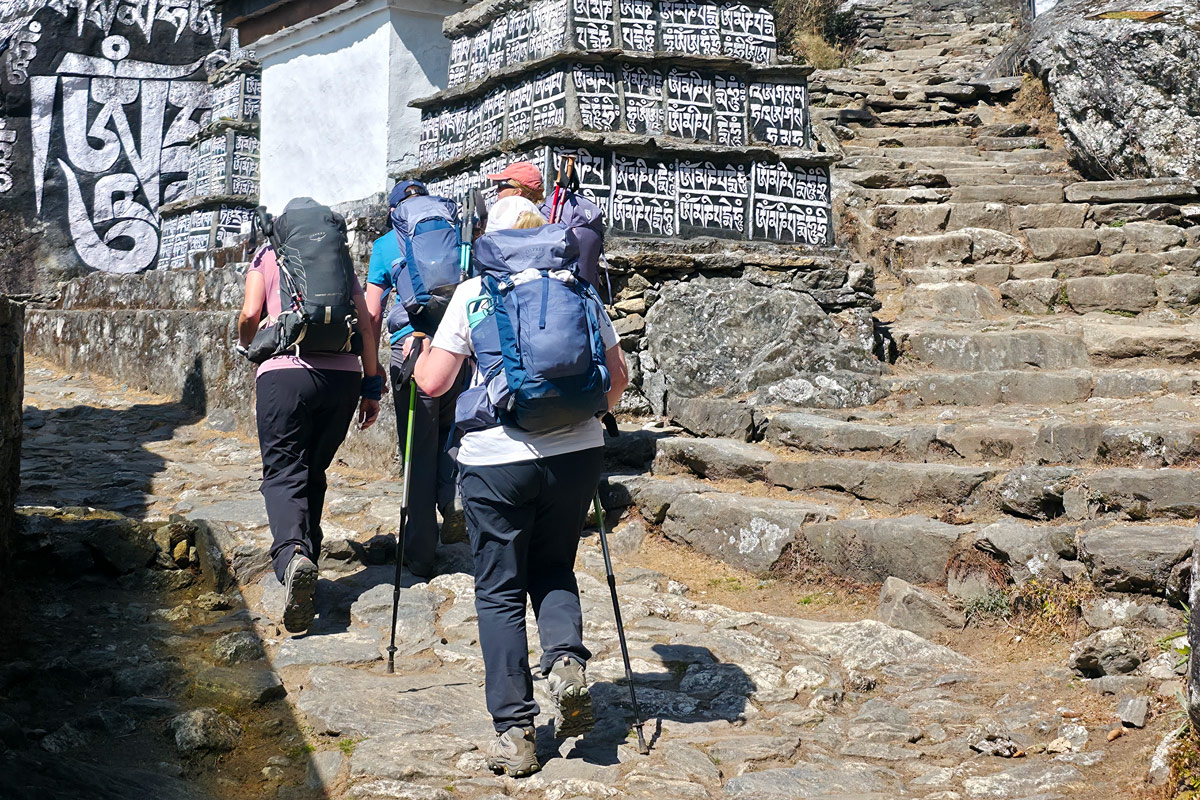
These peaceful places offer an opportunity to experience the spiritual side of the Everest region. Visitors are welcome, provided they remain respectful by speaking quietly and following local customs.
Walk Along the Dudh Koshi River
If you arrive early in the afternoon, take some time to stroll beside the river.
The fresh mountain air, crystal-clear water, and surrounding forests create the perfect setting for a relaxing walk before dinner.
Observe Sherpa Life
One of the simplest yet most rewarding experiences is watching daily life unfold.
You might see:
- Children walking home from school.
- Farmers tending small fields.
- Yaks and mule caravans carrying trekking supplies.
- Local women weaving or working around their homes.
- Guides preparing equipment for the next day’s trek.
These everyday moments provide a deeper appreciation for the people who live in the Everest region year-round.
Photography Opportunities
Don’t forget your camera. Some of the best photo subjects include:
- Suspension bridges decorated with prayer flags.
- Traditional Sherpa houses.
- The Dudh Koshi River.
- Pine forests.
- Prayer wheels.
- Mountain landscapes.
- Sunrise and sunset over the valley.
Because the village is relatively quiet, you’ll often have plenty of time to compose your shots without feeling rushed.
Accommodation in Phakding
Despite being a small village, Phakding accommodation is surprisingly diverse. Over the years, the village has developed to meet the needs of thousands of trekkers who pass through each season.
Whether you’re joining a standard trekking package or choosing a more comfortable experience, you’ll find plenty of welcoming places to stay.
Comfortable Teahouses
Most visitors stay in traditional Phakding teahouses, which combine accommodation, dining, and social spaces under one roof. Rooms are generally simple but comfortable, providing everything needed for a restful night’s sleep before continuing toward Namche Bazaar.
Most rooms include:
- Twin beds
- Comfortable mattresses
- Pillows and blankets
- Small table
- Basic lighting
- Windows overlooking the surrounding hills
The simplicity is part of the Himalayan experience. Instead of luxury, you’ll enjoy genuine hospitality and a cozy atmosphere.
Dining Hall
The dining hall is the heart of every teahouse. As temperatures drop in the evening, trekkers gather around a warm stove to enjoy dinner, play cards, share stories, and plan the next day’s hike.
It’s often here that lifelong friendships begin, as people from different countries connect over their shared adventure.
Attached Bathrooms
Some upgraded lodges in Phakding offer attached bathrooms, although many standard teahouses have shared facilities.
If having a private bathroom is important to you, consider booking your trek early, especially during the busy spring and autumn seasons.
Luxury Lodges
In recent years, a handful of higher-end lodges have opened in Phakding.
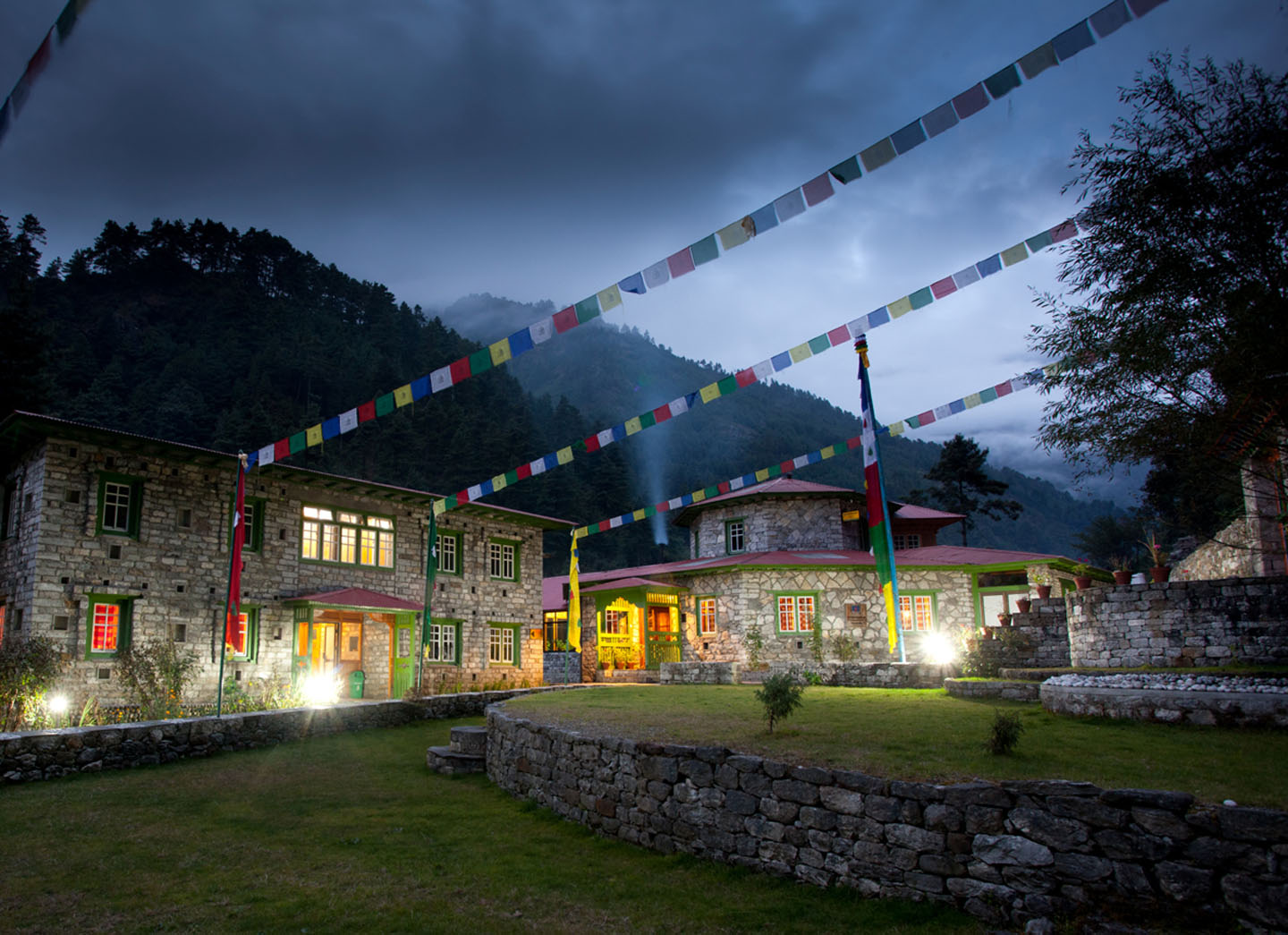
These properties may offer:
- Better room insulation
- Attached bathrooms
- Electric blankets (seasonal)
- Larger dining areas
- Improved Wi-Fi
- More extensive menus
While luxury is limited compared to Kathmandu, these lodges provide additional comfort before heading deeper into the mountains.
Food and Drinks in Phakding
Food in Phakding is one of the pleasant surprises of the trek. Despite the remote setting, teahouses serve a solid mix of local and international dishes, with supplies carried up from lower elevations.
Local meals are your best bet which are freshly cooked and packed with long-lasting energy. Dal bhat (rice, lentil soup, vegetables, and curry) is the trekker favorite, backed by Sherpa stew, Tibetan bread, momos, vegetable curry, and fried rice. You’ll soon hear trekkers joke about “dal bhat power, 24 hour,” and after a day on the trail, you’ll get why.
For something familiar, most teahouses also offer pasta, pizza, fried noodles, pancakes, omelets, toast, soups, and sandwiches. They taste a little different at altitude, but they’re a nice change of pace.
Hot drinks are equally important once evening chill sets in. Black tea, milk tea, ginger tea, honey lemon tea, coffee, and hot chocolate are all teahouse staples, and they make staying hydrated a lot more enjoyable.
By the time you leave Phakding, you’ll understand why this riverside village means so much to Everest trekkers. It’s not just the first stop, it’s where the adventure truly begins.
Weather and Best Time to Visit
The weather in Phakding is generally milder than in the higher parts of the Everest region, due to its relatively lower elevation of 2,610 meters (8,563 feet). However, mountain weather can change quickly, so it’s always wise to be prepared for sunshine, clouds, wind, or light rain, even on the same day.
The best time to visit Phakding depends on the kind of trekking experience you’re looking for.
Autumn (September–November): Autumn is widely regarded as the best trekking season in the Everest region. After the monsoon, the air becomes clean and crisp, offering exceptional visibility of the surrounding mountains.
If you’re planning your Everest trekking itinerary, autumn is one of the safest and most rewarding times to visit Phakding. Expect cool nights (around 5–10°C) and comfortable days.
Spring (March–May): Spring is one of the most popular seasons for the Everest Base Camp Trek. Daytime temperatures usually range from 10°C to 18°C, making trekking comfortable, while the skies are generally clear enough to enjoy excellent mountain views.
The hills around Phakding come alive with blooming rhododendrons, and other wildflowers, creating colorful landscapes along the trail. This season is ideal for trekkers who want vibrant scenery and stable weather.
Winter (December–February): Winter transforms Phakding into a peaceful mountain village with fewer visitors. Although daytime temperatures remain manageable, nights can become quite cold.
Higher sections of the Everest trail may receive snowfall, but Phakding usually experiences lighter snow compared to villages farther north.
If you don’t mind chilly mornings and evenings, winter offers quiet trails and a more tranquil trekking experience.
Summer/ Monsoon (June–August): Summer brings the monsoon season to eastern Nepal. During this period, Phakding receives regular rainfall, making the trails muddy and slippery.
Clouds often cover the mountain views, but the forests become lush and green. Waterfalls flow at full strength, and the valleys look fresh and vibrant.
Trekking is still possible, but it requires proper rain gear, waterproof boots, and flexibility in case of flight delays to or from Lukla.
Trek from Phakding to Namche Bazaar
The next day’s trek to Namche Bazaar is where the EBC route gets serious. Here’s what to expect:
Distance: 12.3 km / 7.64 mi
Duration: 5–6 hours
Elevation gain: From 2,610m to 3,440m, a climb of around 830 meters
Difficulty: Moderate
You’ll pass through Monjo (2,835m), where you enter Sagarmatha National Park and have your permits checked. The trail then drops to the river before the famous long climb up to Namche Bazaar, which involves a relentless series of switchbacks through rhododendron and pine forest.
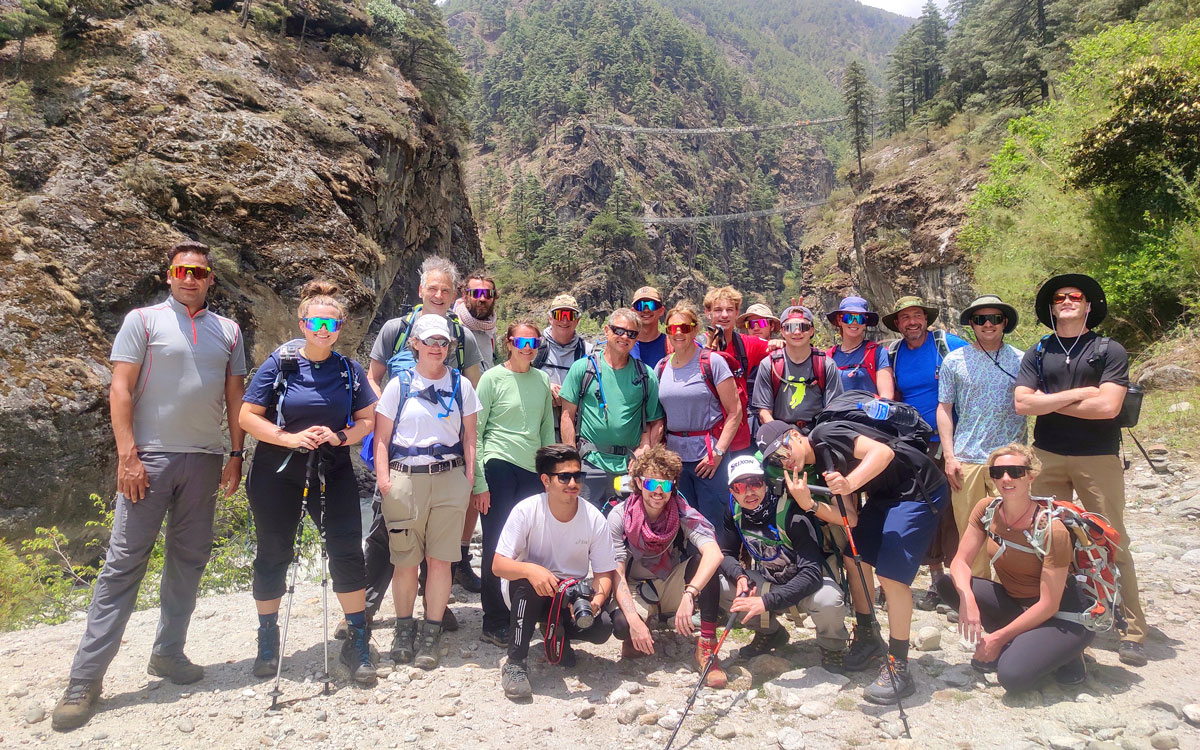
It’s tough. But your first view of Namche, which is an amphitheater-shaped town clinging to the mountainside, makes every step worth it.
Useful Trekking Tips
A little preparation can make your stay in Phakding and the days ahead much more enjoyable. Keep these practical tips in mind:
- Walk at a comfortable pace instead of rushing.
- Drink at least 3 to 4 liters of water each day.
- Dress in layers to adapt to changing temperatures.
- Carry cash, as digital payment options are limited.
- Charge your electronics whenever possible.
- Respect local customs and religious sites.
- Avoid alcohol on trekking days to help with acclimatization.
- Pack a reusable water bottle to reduce plastic waste.
- Listen to your guide and communicate if you feel unwell.
- Take time to enjoy the scenery rather than focusing only on reaching the destination.
Remember, the Everest Base Camp Trek is not a race. The journey is just as rewarding as the destination.
Final Thoughts
Every legendary adventure begins with a single step, and for countless trekkers, that step starts in Phakding.
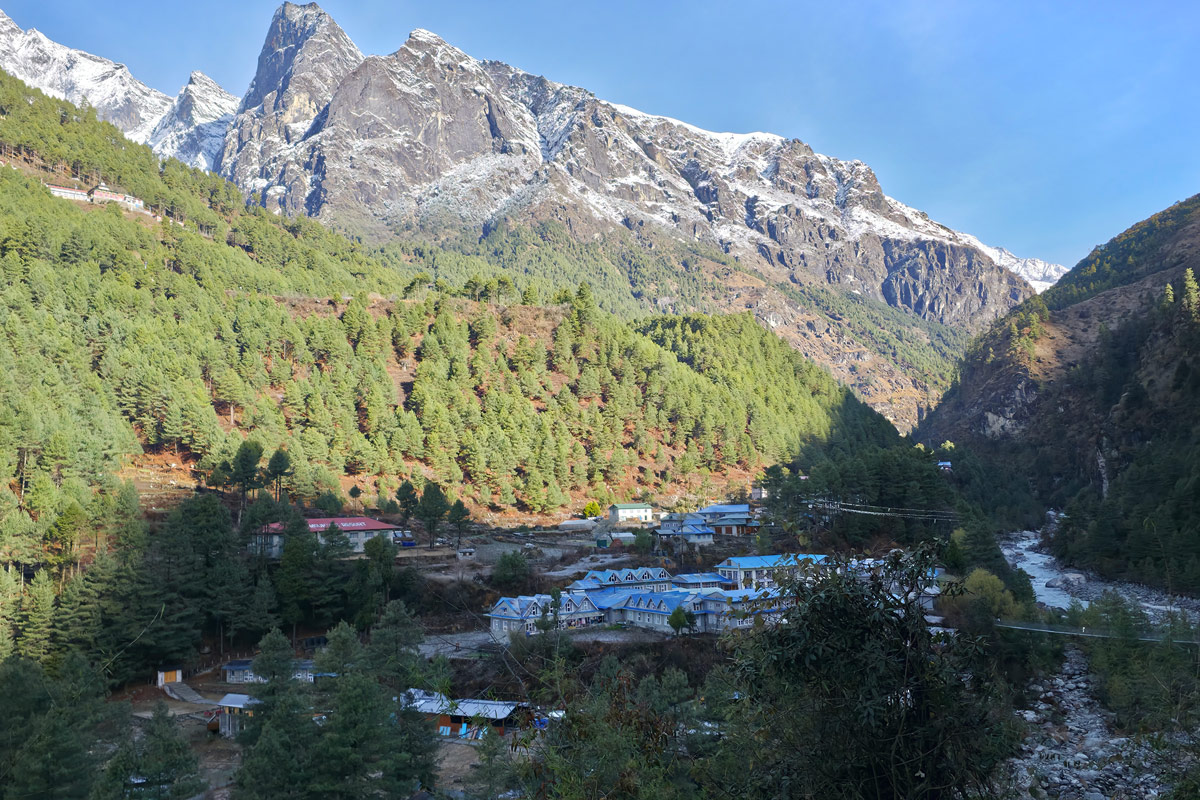
While it may seem like just another village on the map, Phakding plays an essential role in the success of the Everest Base Camp Trek. From its welcoming teahouses and peaceful riverside setting to its rich Sherpa culture and easy first-day hike, the village offers the perfect introduction to the Himalayas.
The scenic trail from Lukla to Phakding eases you into the rhythm of trekking, allowing your body to begin acclimatizing while your mind takes in the beauty of the Dudh Koshi River, traditional mountain villages, and forested valleys.
By the time you leave for Namche Bazaar, you’ll already feel connected to the landscape, the people, and the adventure that lies ahead.
Whether you’re chasing the dream of standing at Everest Base Camp or simply exploring one of the world’s most iconic trekking routes, don’t rush through Phakding. Slow down, enjoy its peaceful atmosphere, and appreciate the place where your Himalayan journey truly begins.