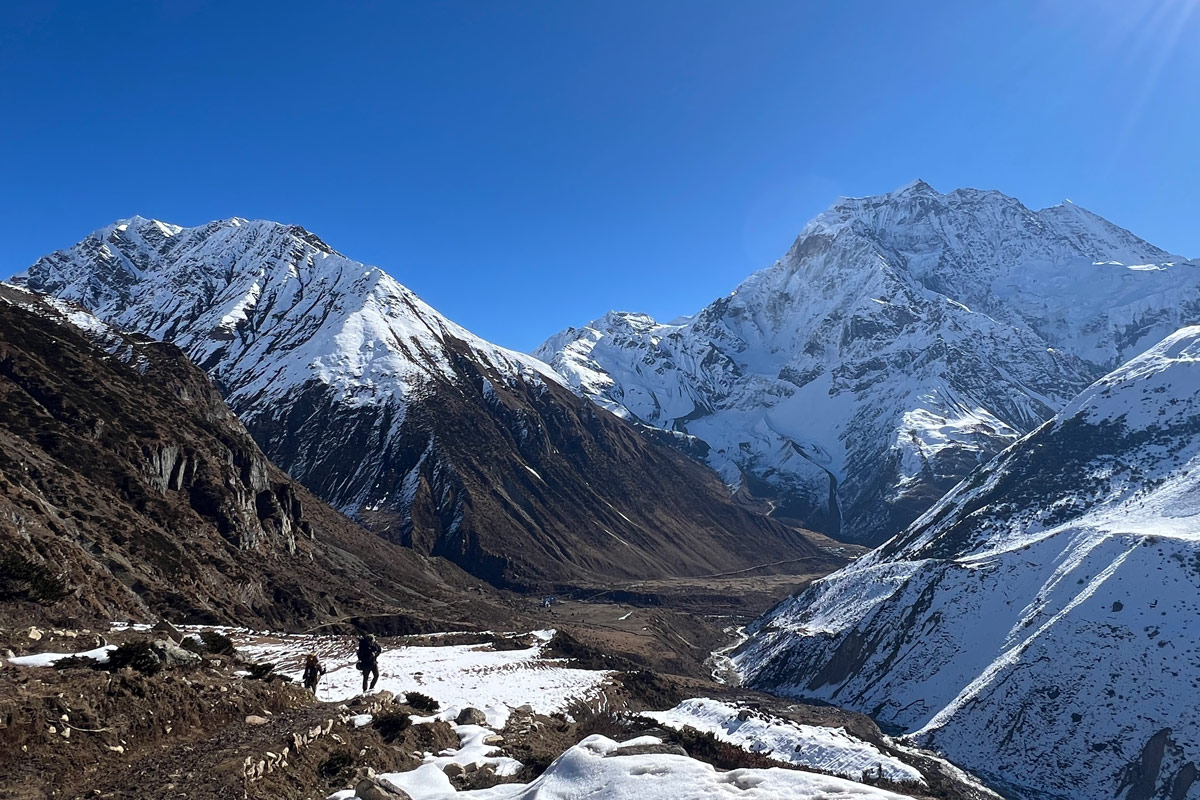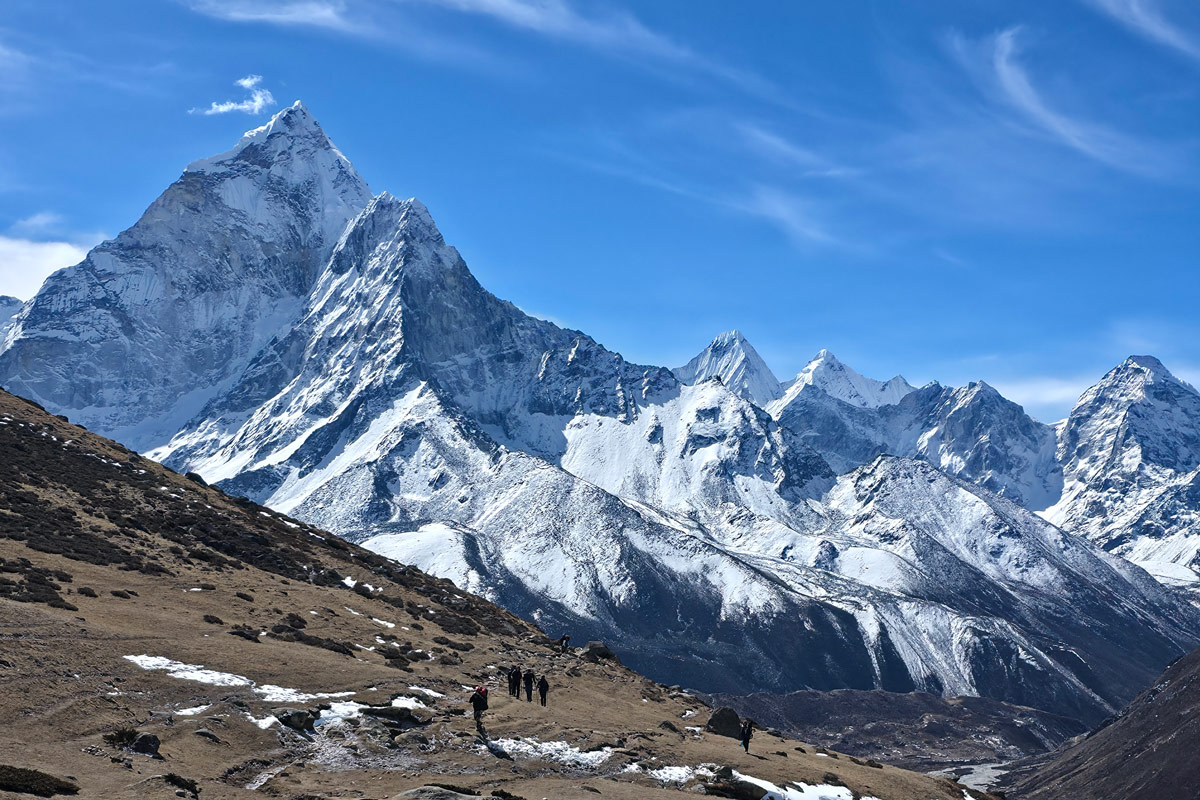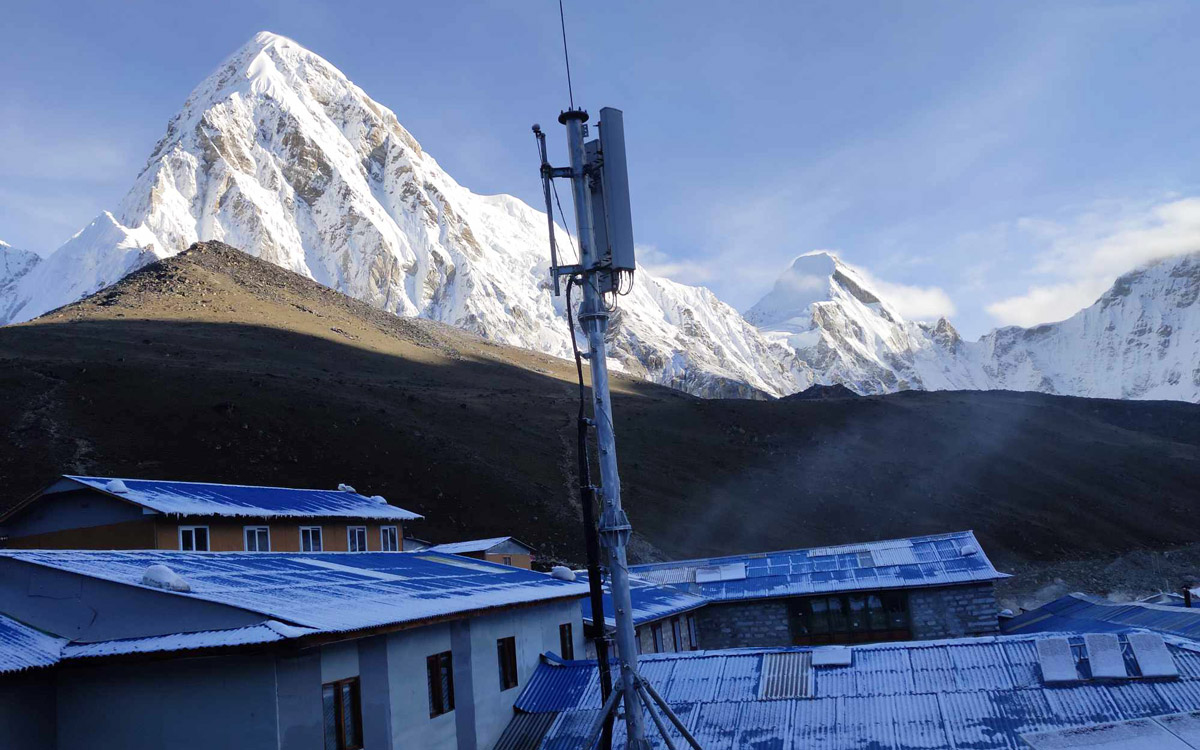



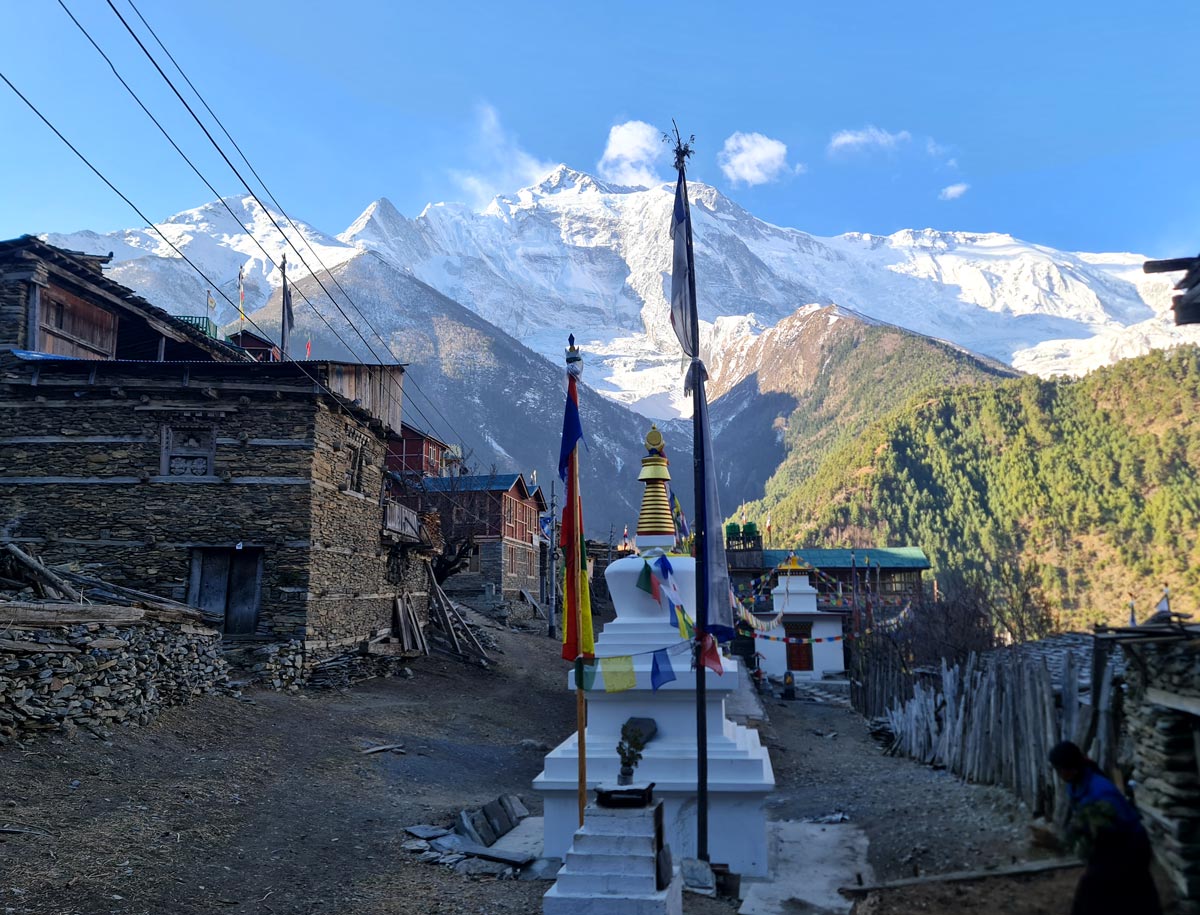
The Annapurna Circuit Trek is widely regarded as one of the best long-distance treks in the world and for good reason. This classic Himalayan journey offers an unbeatable mix of dramatic mountain scenery, cultural diversity, varied landscapes, and high-altitude adventure.
Unlike many treks that follow a single terrain, the Annapurna Circuit trekking takes you from lush subtropical forests and river valleys to arid deserts and high-mountain trekking passes.
Over roughly two weeks, you move from green river valleys and terraced hillsides into high alpine landscapes, cross one of Nepal’s most iconic mountain passes, and then descend into the dry, wind-shaped Mustang side before finishing with hot springs and most scenic sunrise viewpoints.
En route to Annapurna Circuit the trail opens into wide Himalayan panoramas, revealing giants like Thorong Peak, Chulu West, Khatungkang, and the sweeping walls of the Annapurna and Dhaulagiri ranges.
What truly makes the Annapurna Circuit trek special is its constant change. Every day brings a new environment, a different culture, and fresh mountain perspectives.
Top Things to Do in Annapurna Circuit Trek
Whether you’re seeking high mountain passes, serene lakes, traditional villages, or cultural landmarks, the Annapurna Circuit has something for every adventurer.
Here’s a list of top things to do during Annapurna circuit trek to make it unforgettable:
- Trek through diverse terrains, from subtropical forests to high alpine landscapes
- Follow the scenic Marshyangdi River Valley with stunning mountain views
- Take the higher trail option for breathtaking panoramic Himalayan vistas
- Explore Manang and Braka Monastery (Bhraka Gompa)
- Immerse in Gangapurna Glacial Lake, Manang
- Visit to Ice Lake (Kicho Tal), Manang
- Cross the legendary Thorong La Pass (5,416m)
- Visit the sacred Muktinath Temple
- Journey through the dramatic Kali Gandaki Valley toward the Mustang region
- Explore Jomsom and the Charming Village of Marpha
- Relax at natural hot springs in Tatopani
- Catch the Poon Hill Sunrise
- Taste local cuisine along the trail
- Capture incredible Himalayan photography moments
- Interact with local and learn about their culture
Trek Through the Varied Terrains
The Annapurna Circuit Trek is famous for its diverse landscapes and changing terrains, making every step of the journey exciting and unique. From the subtropical river valleys at the start to the rugged mountain paths and high-altitude deserts near Thorong La Pass, trekkers experience a variety of natural environments during Annapurna Circuit trek.
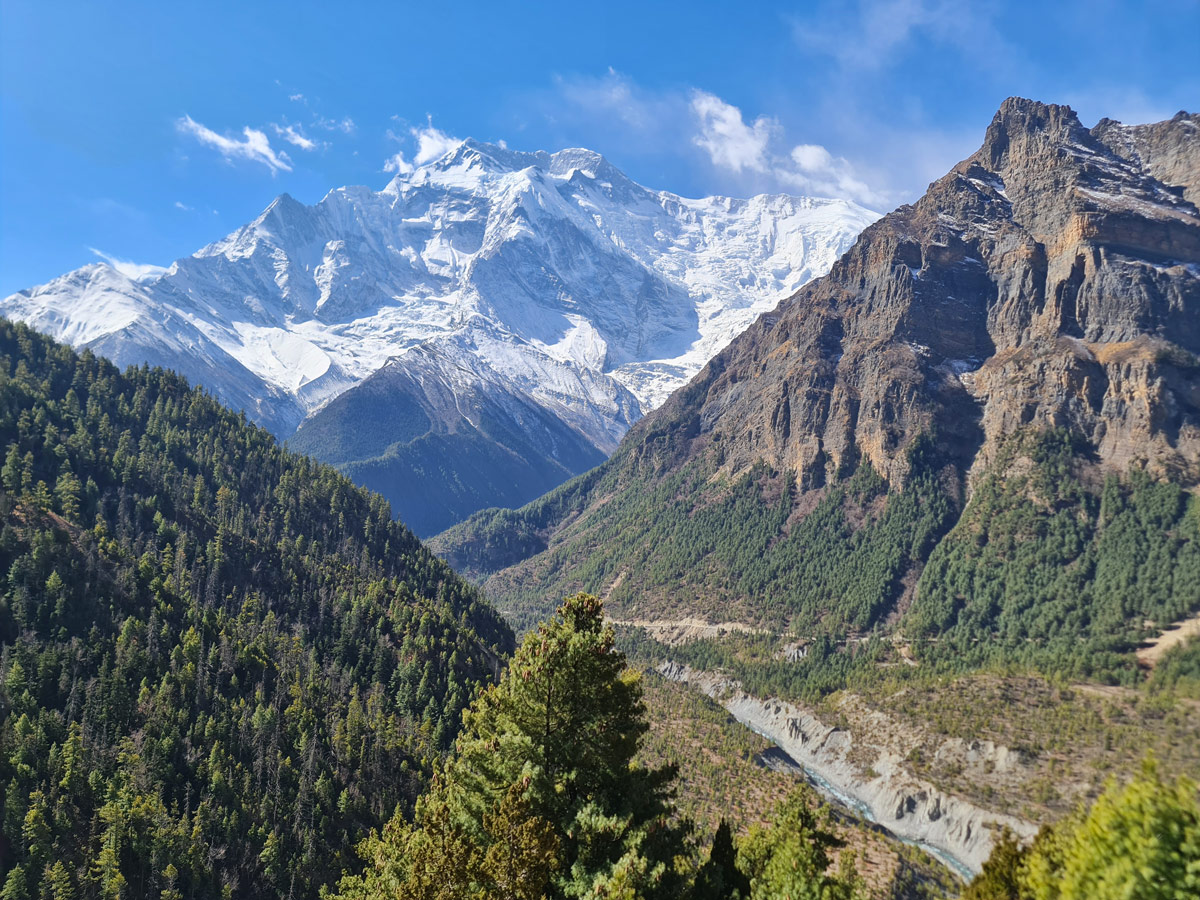
Trekking through these terrains offers a close-up view of Nepal’s incredible biodiversity, terraced farmlands, flowing rivers, and traditional hillside villages. Moving on foot allows you to fully immerse yourself in the rhythm of the trek, noticing the subtle changes in climate, vegetation, and scenery that a drive cannot provide.
It’s also a chance to acclimatize gradually, making the journey safer and more rewarding. The key to enjoying this section is to take your time, stay hydrated, and observe the surrounding landscapes, allowing yourself to appreciate the full beauty and diversity of the Annapurna region.
Walk Slowly Through the Marshyangdi Valley
The Marshyangdi Valley is one of the most picturesque sections of the Annapurna Circuit Trek. The lower valley sections especially around the early trek days can feel like a dream you didn’t expect.
Forest trails, suspension bridges, waterfalls, and river sounds that stay with you for hours. Moving at a slow pace allows you to enjoy local villages, stone bridges, and small streams that define the charm of the Annapurna region.
This valley also introduces trekkers to the rich culture and hospitality of mountain communities. These early days are where many trekkers fall in love with the Annapurna Circuit not because it’s dramatic yet, but because it feels warm and real.
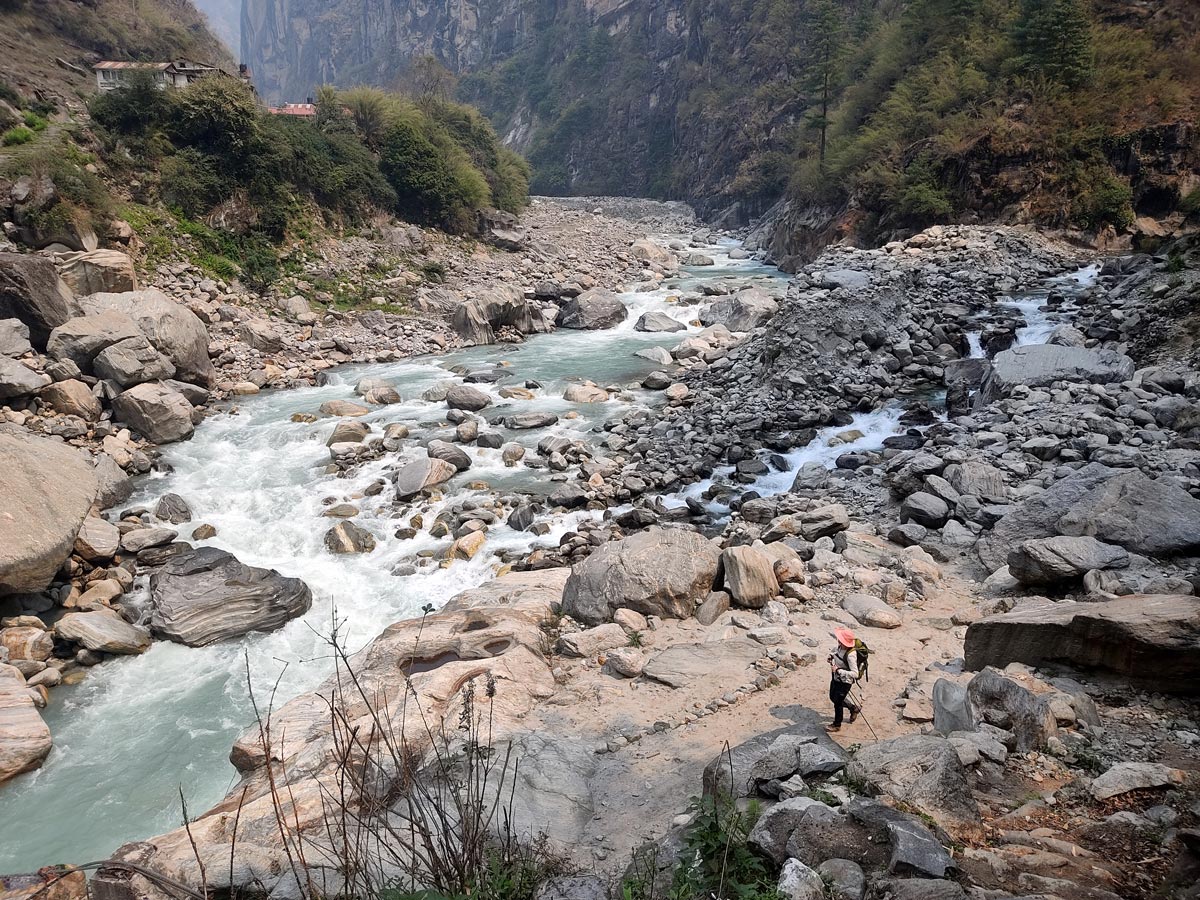
Take the higher trail option for breathtaking panoramic Himalayan vistas
One of the best ways to upgrade your Annapurna Circuit experience is choosing higher route options when they’re available especially around the Pisang-to-Manang section.
The higher paths (often via villages like Ghyaru/Ngawal) give you wide, open panoramas and a sense of walking along the edge of the world.
What makes Annapurna circuit trek special isn’t only the view, it’s the feeling. You see stone villages perched like lookout posts, long mani walls stretching across the trail, and prayer flags that make the landscape feel alive rather than empty.
If you love photography moment, this is one of the best sections to slow down and absorb. It’s an ideal choice for those looking for adventure, scenic viewpoints, and immersive experiences in the Annapurna region.
Explore Manang and Braga Monastery (Braka Gompa)
Manang is a cultural hub on the Annapurna Circuit Trek, known for its Tibetan-influenced architecture, traditional tea houses, and warm hospitality. Exploring the village allows trekkers to experience authentic mountain life, interact with locals, and enjoy the stunning views of Gangapurna and surrounding peaks.
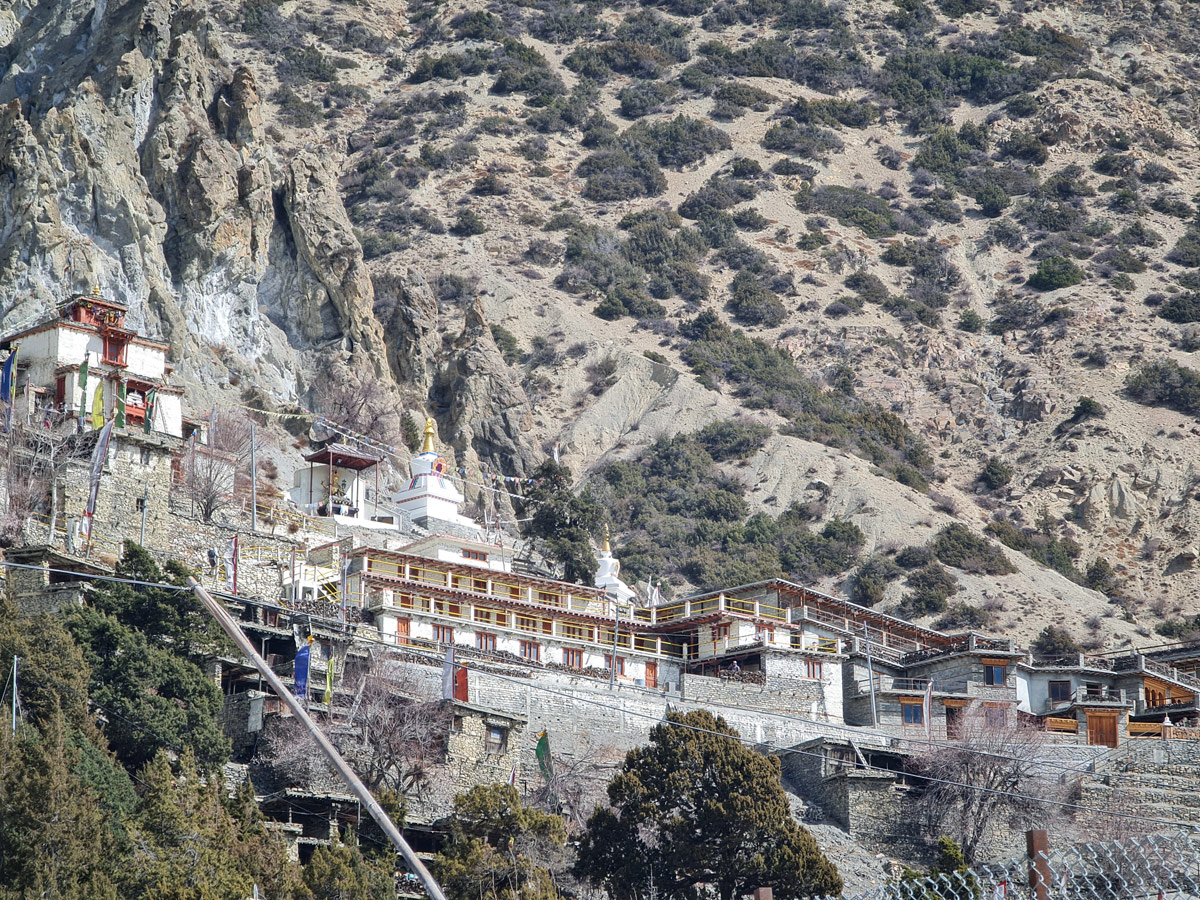
Just a short walk from Manang, Braga Monastery often written as Braka Gompa, feels like the kind of place you don’t “visit” so much as you arrive in. Perched at roughly 3,500 meters, Braka looks out over a wide sweep of the Manang valley with the Annapurna range standing tall in the background.
The views alone are worth the walk, but what makes Braka special is what’s inside such as old murals, prayer wheels, statues, and sacred Buddhist artwork that give you a genuine glimpse into Tibetan Buddhist life in the Himalayas.
If you’re trekking for more than scenery, Braka is one of those stops that quietly stays with you.
Experience the serene beauty of Gangapurna Glacial Lake in Manang
The Gangapurna Glacial Lake is a pristine alpine lake near Manang that sits below Gangapurna Peak (7,455m / 24,459ft). Trekkers can immerse themselves in the turquoise waters reflected against snow-capped mountains, creating a picture-perfect Himalayan scene.
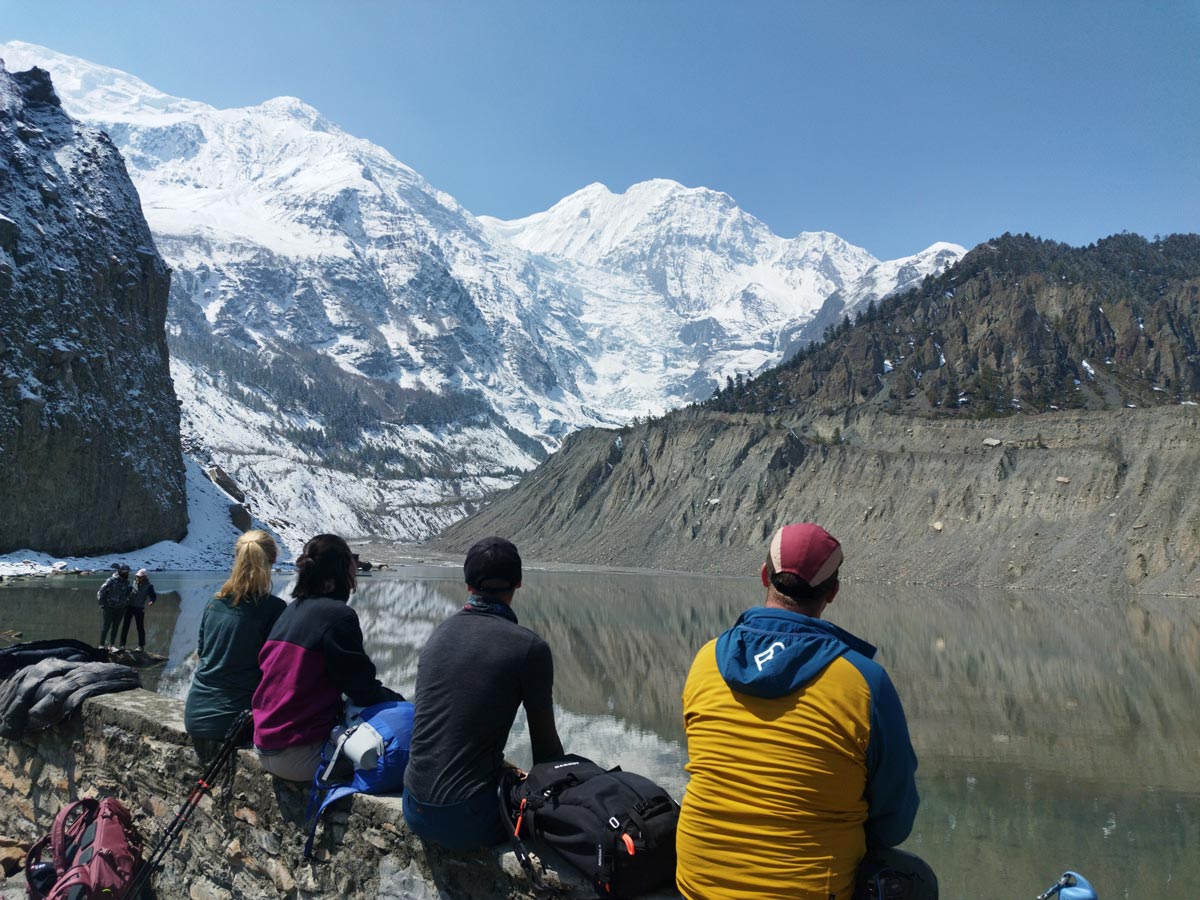
This glacial lake is also an opportunity to observe unique flora, glacial formations, and local wildlife, making it a must-visit natural highlight on the Annapurna Circuit Trek. Spending time here helps you acclimatize while enjoying the tranquility and beauty of the high Himalayas.
Many trekkers come here for photos, but the real reward is the atmosphere which are quiet, cold, and incredibly pure. If you’re journaling your trek or trying to capture the “feeling” of the Annapurna Circuit, this is a perfect place to pause and let the Himalayas sink in.
Visit to Ice Lake (Kicho Tal), Manang
Ice Lake (Kicho Tal) is another alpine treasure sitting at around 4,600 meters (15,092 ft) above Manang, often considered sacred by locals.
The short trek from Manang to this lake offers breathtaking views of surrounding peaks, including panoramas of Annapurna II, III, and IV, Gangapurna, and often Tilicho Peak on clear days.
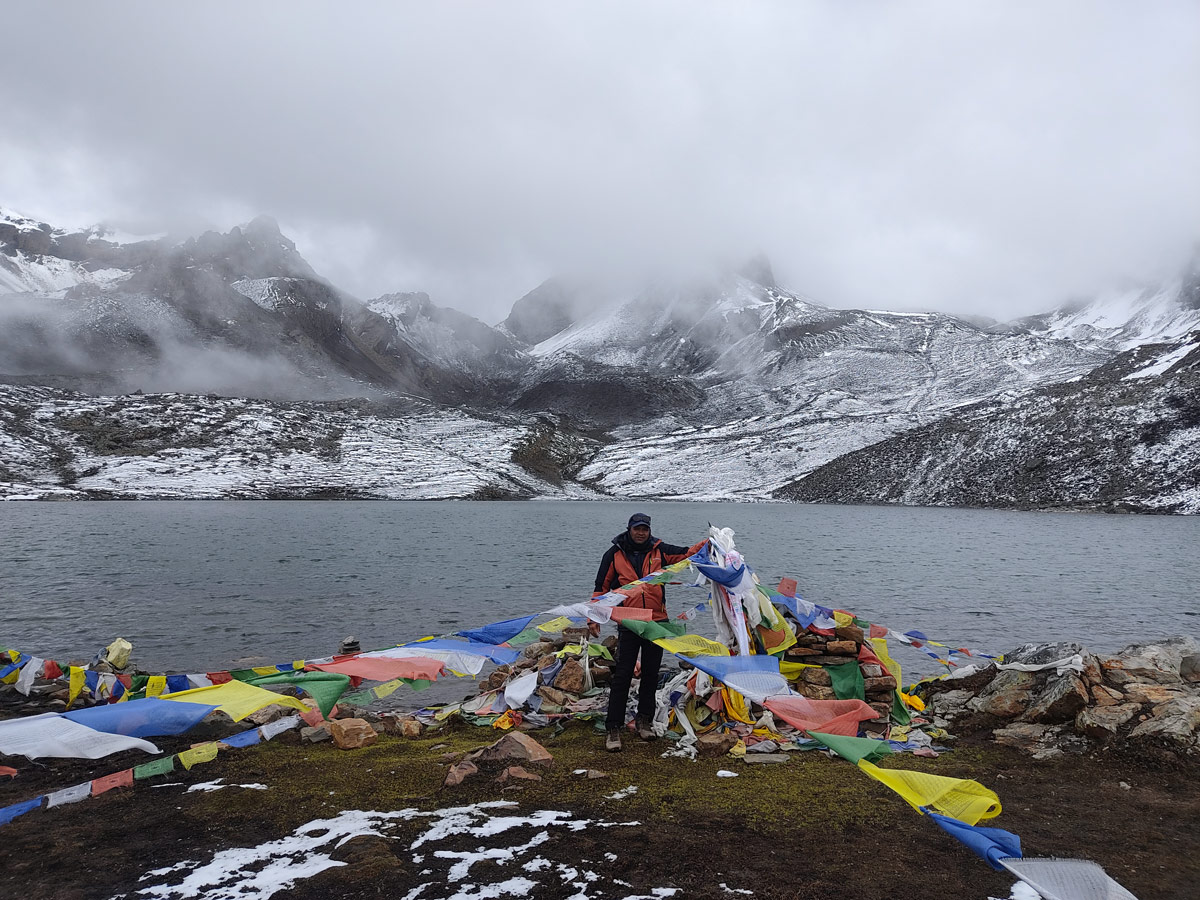
Trekkers can also witness prayer flags and small shrines around the lake, connecting the natural beauty with local spiritual practices. A visit to Kicho Tal is a memorable experience combining adventure, culture, and Himalayan scenery.
The trail usually takes 4 to 6 hours (round trip timing varies by pace and conditions) and climbs steadily through rugged terrain, with the landscape becoming more open and alpine the higher you go.
Cross the legendary Thorong La Pass (5,416m)
Crossing Thorong La Pass (5,416 m/17,769 ft) is the highlight of the Annapurna Circuit Trek and one of the highest trekking passes in the world. The ascent offers stunning panoramic views of the Himalayas, glaciers, and high-altitude valleys, rewarding trekkers with a profound sense of achievement.
The best thing you can do on Thorong La day is embrace the simple rhythm that gets you through: step, breathe, step, breathe. You don’t need dramatic motivation. You need steady calm.
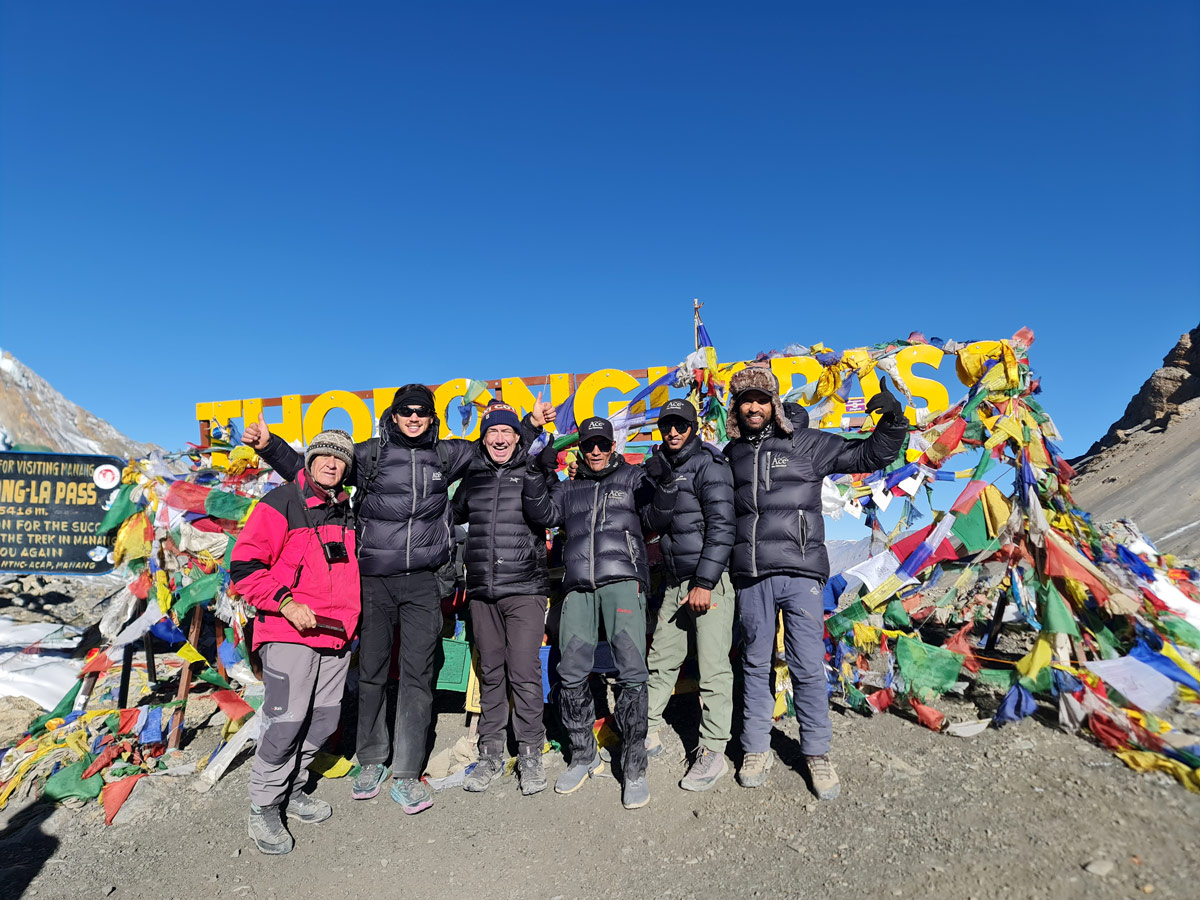
Preparation is key: acclimatization, proper hydration, and pacing make the difference on this challenging section. Reaching the top of Thorong La is not just a physical accomplishment, it’s also a moment to experience the immense beauty and power of the Annapurna region.
Then comes the descent, a part many people underestimate. The view shifts. The landscape turns more arid. You feel the first real hint of Mustang. And eventually, you reach Muktinath, where the energy changes completely from physical effort to spiritual calm.
Visit the Sacred Muktinath Temple
Located at 3,800 meters, Muktinath Temple is one of Nepal’s most sacred pilgrimage sites, revered by both Hindus and Buddhists. Visiting this holy site provides trekkers with insight into spiritual traditions in the Himalayas and an opportunity to explore local culture and rituals.
The temple is surrounded by dramatic mountain landscapes, making it a spiritually and visually rewarding stop. One of the most iconic experiences in the complex is seeing (and for many, participating in) the holy bath beneath the 108 waterspouts, arranged in a curved row.
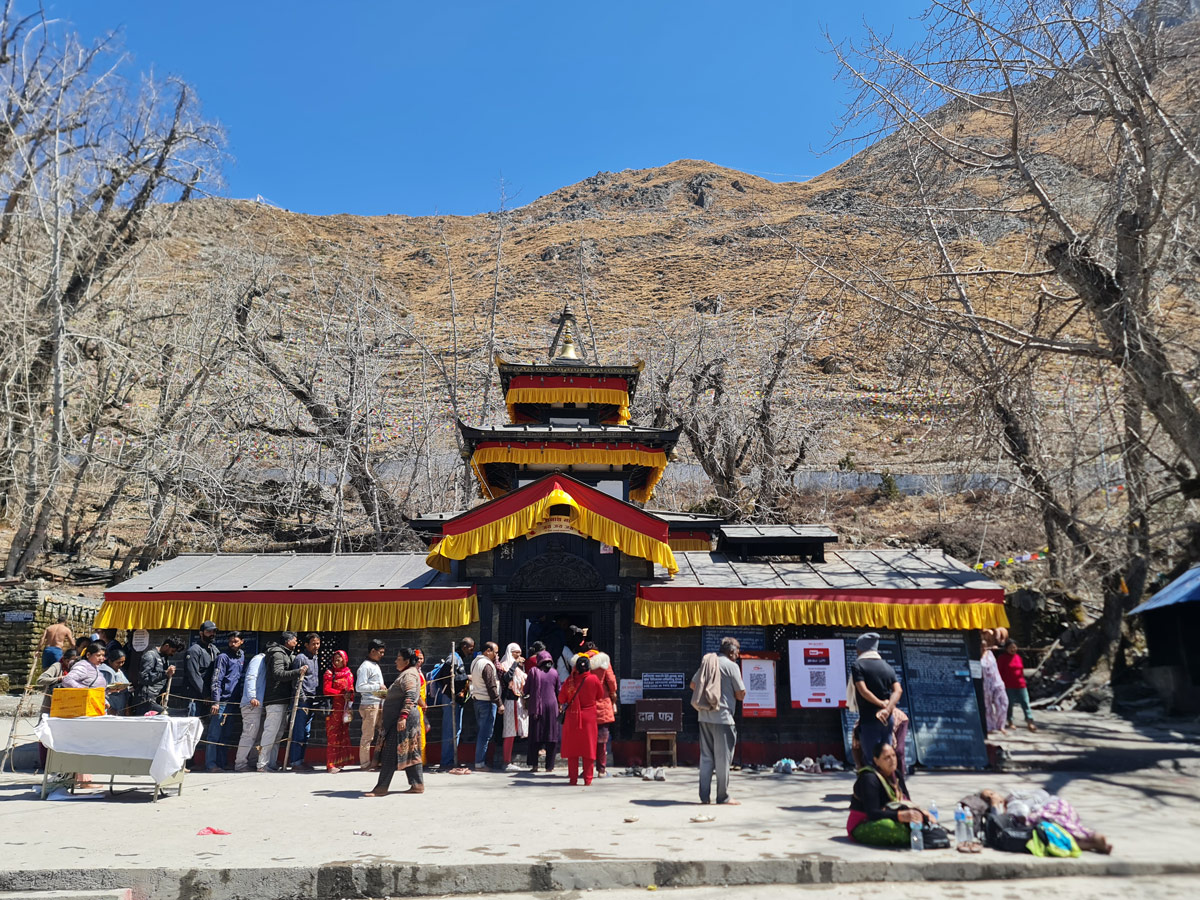
Another unforgettable feature is the eternal flame at the nearby Jwala Mai Temple, a natural fire that burns continuously. Including Muktinath on your Annapurna Circuit itinerary combines adventure with cultural and spiritual exploration.
Even if you’re not religious, many trekkers feel that Muktinath becomes a highlight because it represents something bigger than achievement renewal, the quiet reminder that the best journeys aren’t only about reaching the top.
Sometimes they’re about what you feel when you finally come back down.
Journey through the dramatic Kali Gandaki Valley toward the Mustang region
The Kali Gandaki Valley is the world’s deepest gorges, flanked by the towering peaks of Dhaulagiri and Annapurna. Trekking along this valley introduces diverse landscapes, unique geological formations, and remote villages of the Mustang region.
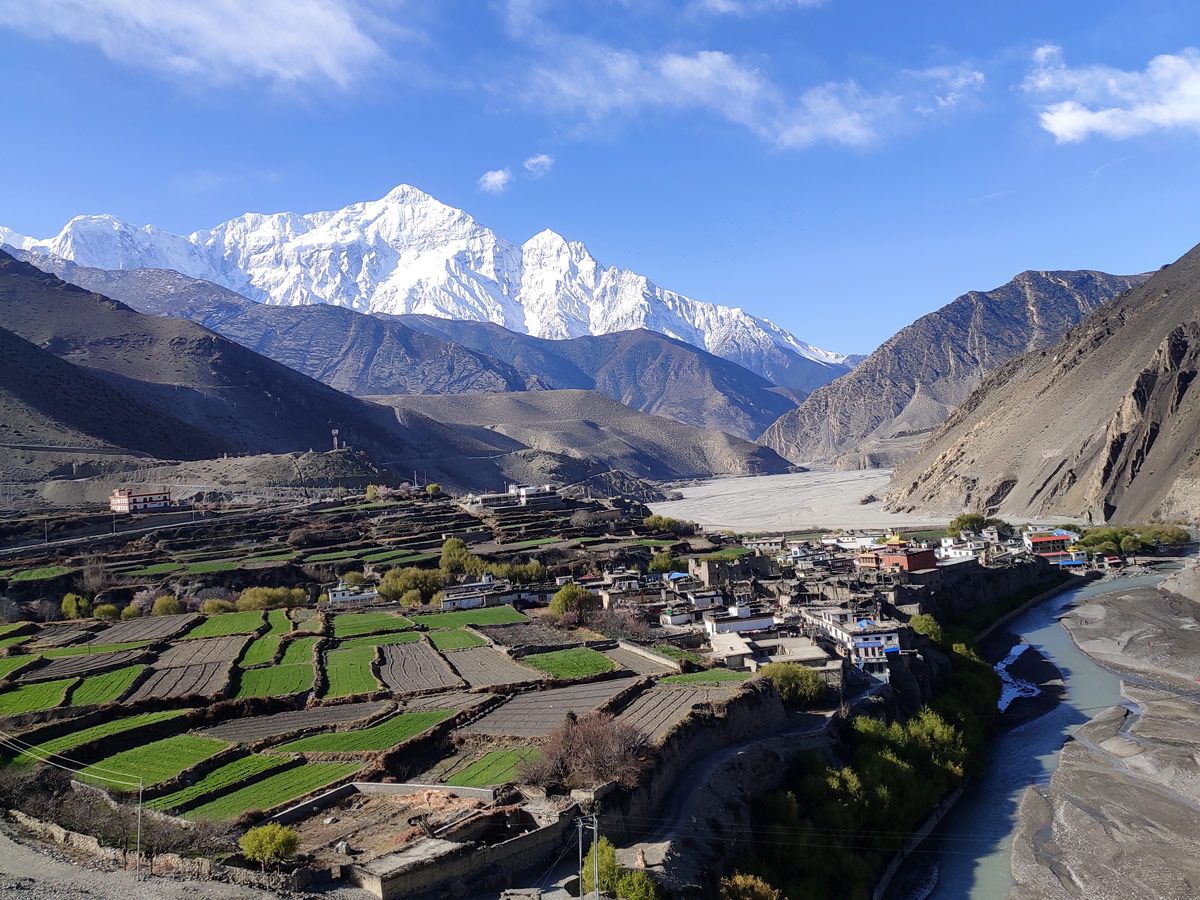
This area is also rich in cultural heritage, with monasteries, traditional villages, and ancient trade routes that once connected Nepal and Tibet. Exploring the Kali Gandaki Valley is a chance to experience the Himalayas beyond mountains, through culture, history, and dramatic scenery.
The Mustang side is where the Annapurna Circuit becomes less “lush mountain trek” and more “Himalayan desert atmosphere,” which is exactly why it’s so special.
Explore Jomsom and the Charming Village of Marpha
Often described as the gateway to the Mustang region, Jomsom is the district headquarters of Mustang and one of the most distinctive towns on the Annapurna Circuit route.
It’s a place where you can feel two worlds meeting – traditional Himalayan culture on one side, and modern trekking infrastructure on the other. Jomsom has more “town-like” energy than many villages on the trek.
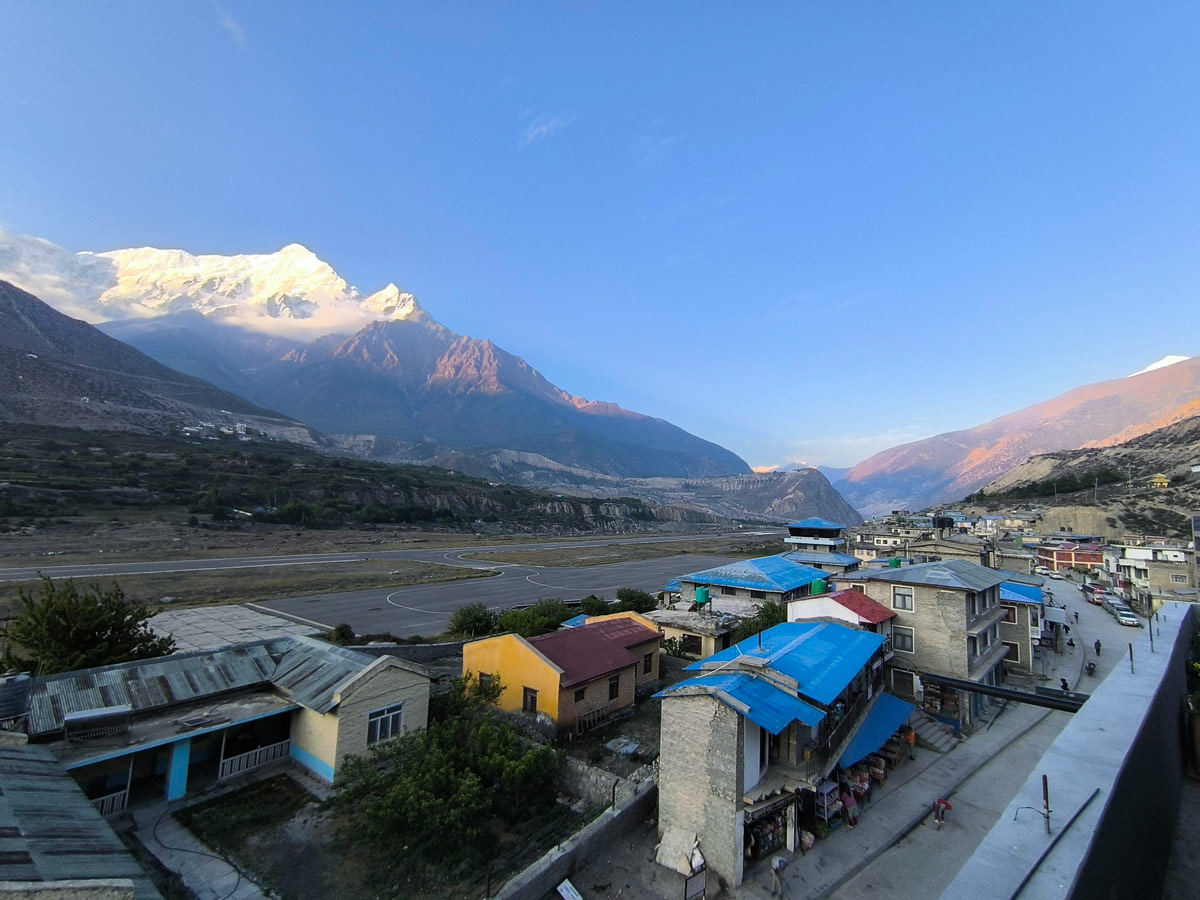
You’ll find shops, bakeries, lodges, and an airstrip (Jomsom Airport), which makes it a common logistics point for travelers moving between the Annapurna region and Mustang. On clear days, Jomsom offers striking views of Himalayan giants, especially Dhaulagiri and Nilgiri, rising like walls above the valley.
From here, the quaint village of Marpha is a must-visit for its apple orchards, traditional stone houses, and charming streets. Marpha is famous for apple pies, local brandy, and handicrafts, providing trekkers with a cultural and culinary experience alongside stunning Himalayan views.
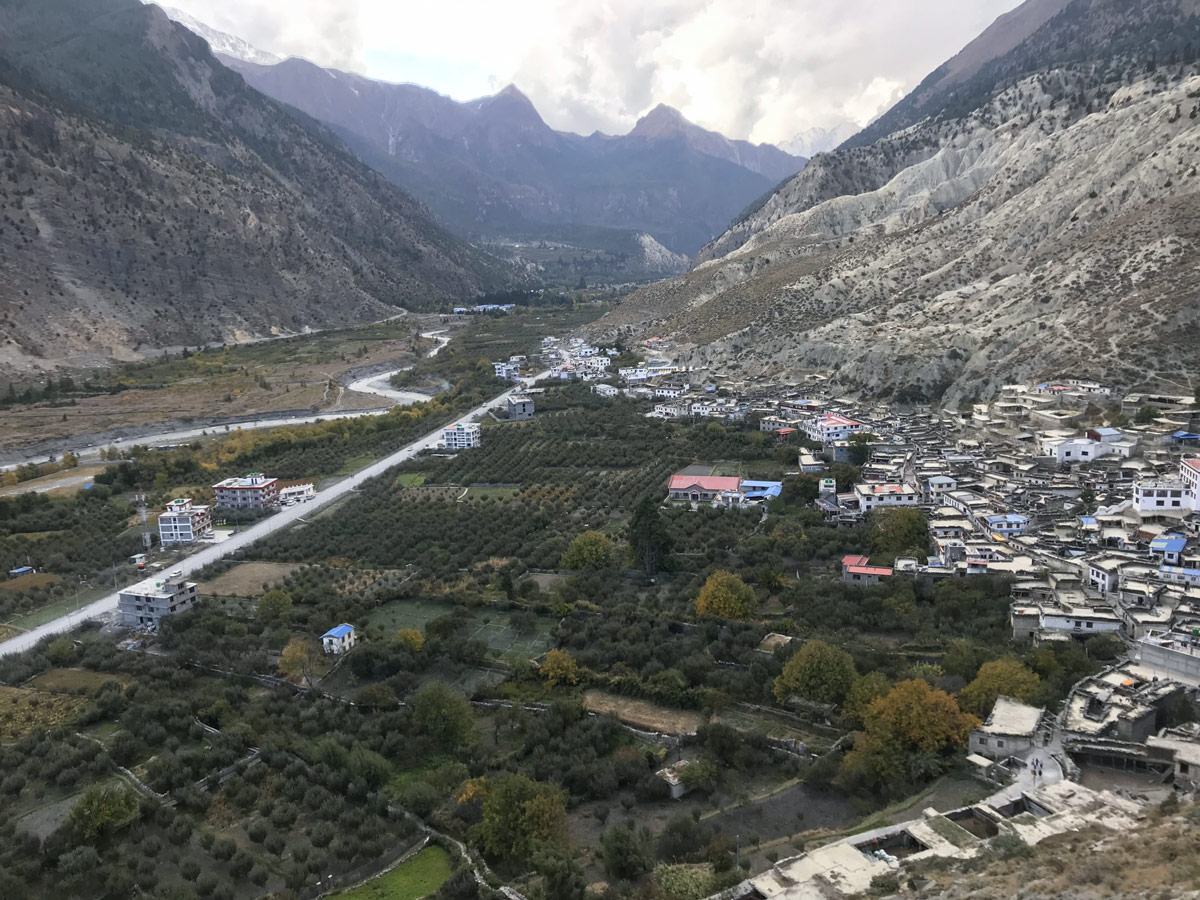
The “things to do” here are about tasting and noticing. Try local apple products of Marpha, local cuisine such as Thakali, Yaks meat, etc when you can. Eat the food slowly. Walk through villages without rushing.
Relax at natural hot springs in Tatopani
If your route includes Tatopani, this is one of the most satisfying moments of the entire trek. Hot springs after long trekking days feel like a reward that’s almost unfair.
But Tatopani is more than a soak. It’s where your body resets. Your sleep improves. Your appetite returns. Your legs stop feeling like borrowed equipment. The warm geothermal waters soothe tired muscles, making it a popular stop for Annapurna Circuit trekkers.
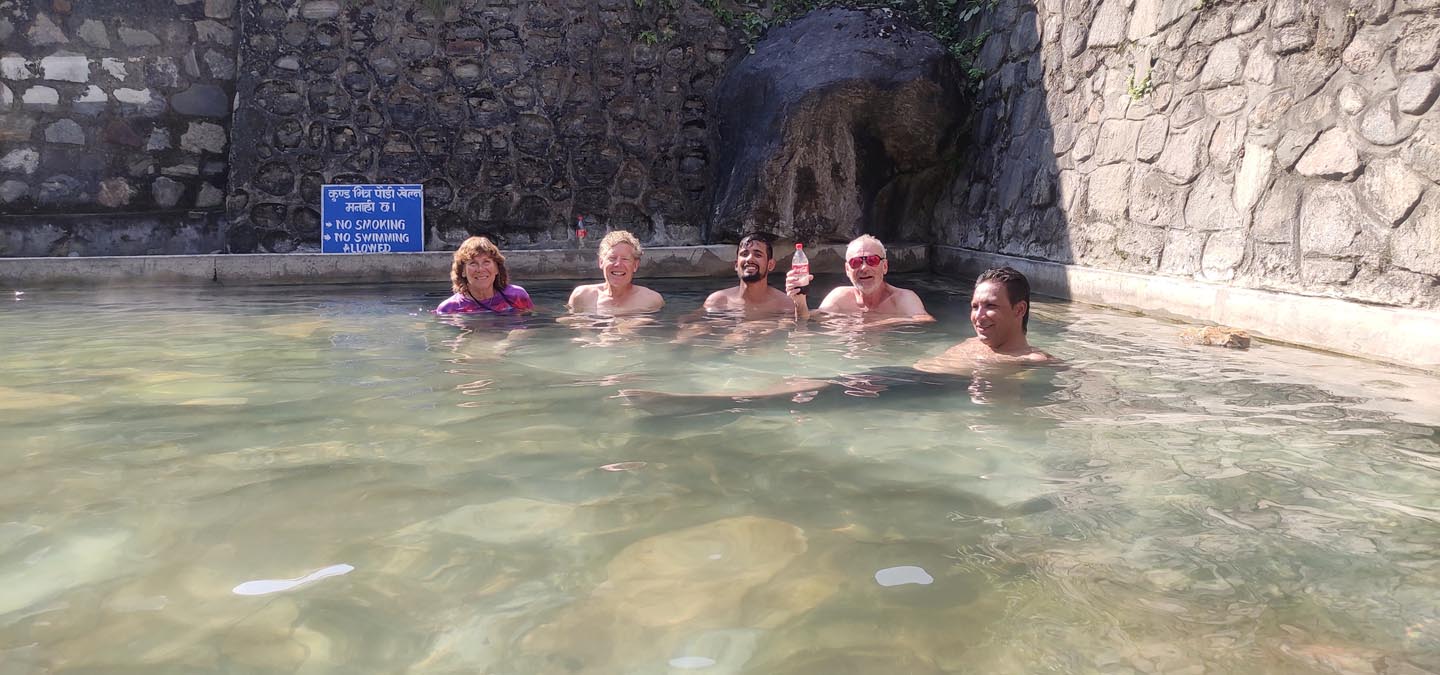
The best thing to do here is to let recovery be the plan. Soaking in the natural hot springs of Tatopani helps ease tired muscles and restore energy after long days on the Annapurna Circuit Trek
As you relax in the warm waters, you can enjoy the surrounding mountain scenery and the calm village ambiance, making the experience both physically and mentally refreshing.
Tatopani is not just a rest stop, it’s a rejuvenating Himalayan experience that prepares you for the next stage of the trek.
Catch the Poon Hill Sunrise
For many Annapurna Circuit itineraries, the finish includes Ghorepani and Poon Hill. And yes it’s popular and worth it.
Ghorepani lies on the classic Ghorepani–Poon Hill trail, and the path climbs steadily through dense forests of rhododendron and oak, with wildflowers and mossy ground creating a fresh, alpine atmosphere especially in spring when the hills glow with color.
Poon Hill isn’t about being alone. It’s about sharing a moment that feels universally beautiful. It’s the kind of ending that makes the whole trek feel complete.
On clear days, you’ll catch beautiful views of Annapurna South, Machhapuchhre (Fishtail), Hiunchuli, and Tukuche Himal, making the climb feel completely worth every step.
Taste Local Cuisine Along the Trail
One of the joys of the Annapurna Circuit Trek is sampling local food. From the traditional Dal Bhat to momos, Tibetan bread, and apple-based treats in Manang and Marpha, each meal offers a taste of Himalayan culture and hospitality.
Eating along the trail is also practical and fueling your body with nutritious meals is essential for high-altitude trekking. Local tea houses provide not only delicious food but also warm interactions with Nepali and Tibetan communities, enhancing the trekking experience.
If you want the trek to feel better, eat like a trekker. Dal bhat is popular for a reason, it’s hearty, warm, and consistent. Soups become your best friend at altitude. Ginger tea feels like medicine.
And when you get a chance for something special like a good bakery item in Manang and in the Mustang side try Thakali cuisine set, you’ll appreciate it more than you ever would at home.
Capture Incredible Himalayan Photography Moments
Every step of the Annapurna Circuit Trek presents a perfect photo opportunity. From towering peaks and glacial lakes to monasteries, villages, and prayer flags, the trail is a photographer’s paradise.
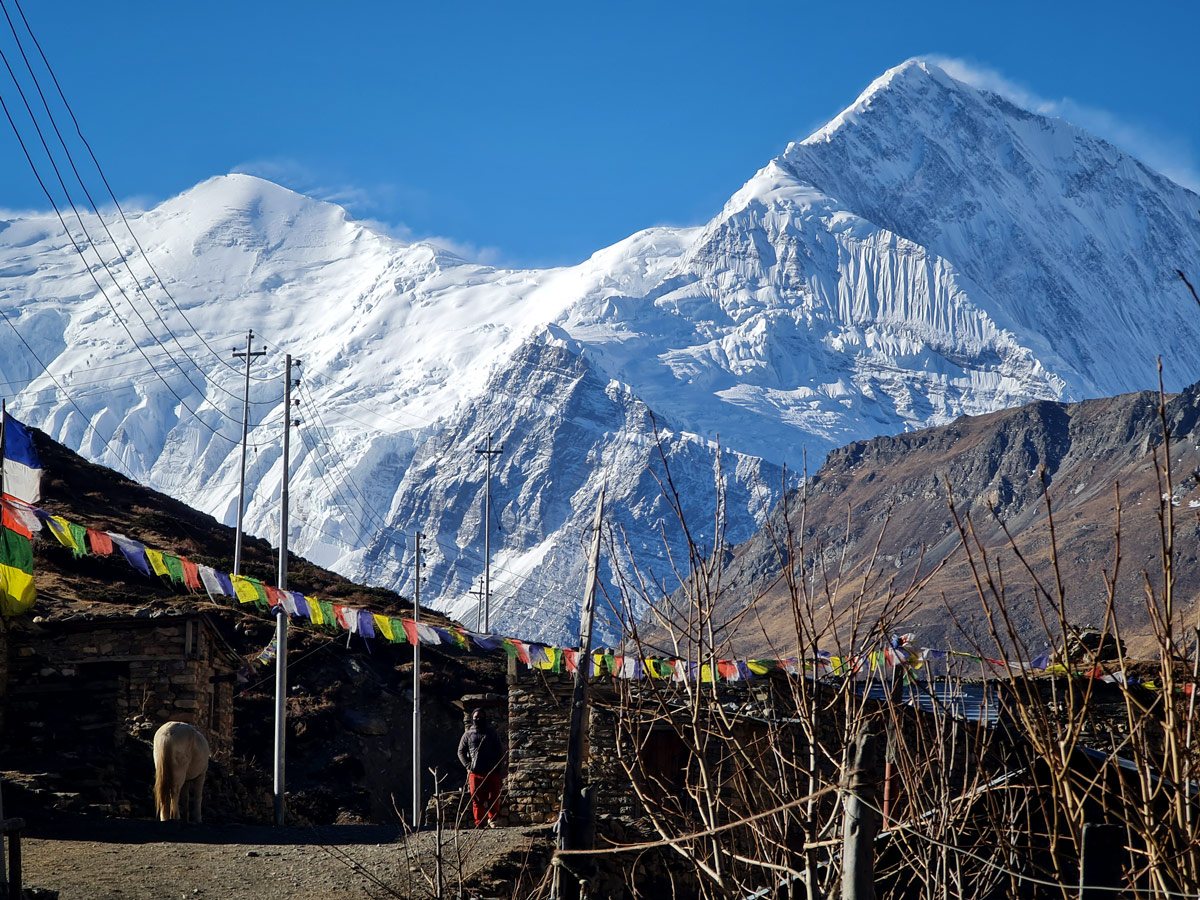
Trekkers can capture sunrises, sunsets, and dramatic landscapes, documenting both the natural beauty and cultural richness of the Annapurna region. Moments of daily life such as locals working in fields, spinning prayer wheels, or sharing smiles in tea houses add a powerful human element to your photos.
Photography along the trail is more than a hobby; it’s a way to preserve memories, tell stories, and share the spirit of the Himalayan adventure long after the trek is over.
Interact with Locals and Learn about their Culture
The Annapurna Circuit Trek is as much about people and culture as it is about mountains. Villages along the trail, including Ngawal, Manang, Marpha, and Jomsom, allow trekkers to meet local families, learn about Tibetan and Gurung traditions, and observe daily life in the Himalayas.
From stone-built homes and prayer wheels to monasteries and village festivals, every settlement reflects a deep connection between people and the land they inhabit.
Engaging with locals whether through simple conversations in tea houses or shared meals adds meaning to the journey. Their stories, hospitality, and resilient way of life offer valuable insight into mountain culture.
This interaction enhances your cultural understanding and appreciation for Nepal’s heritage, making the Annapurna Circuit Trek a holistic adventure that blends nature, trekking, and genuine human connection.
Why the Annapurna Circuit Feels Like Several Treks in One
Many treks offer one type of scenery and a single vibe, but the Annapurna Circuit Trek is different. It unfolds like a story in chapters, each bringing new landscapes, experiences, and culture.
In the early days, you experience Nepal through everyday village life, terraced fields, forest trails, rivers, and the smell of wood smoke. These first steps give you a warm and grounded introduction to the Himalayan lifestyle.
As you climb higher, the culture and architecture change. Prayer wheels appear; mani walls line up the trail, and the air feels sharper and fresher. Mountain stop being just “views” and start feeling alive, almost like silent companions on your journey.
After crossing Thorong La Pass and descending into Mustang, the contrast is striking. The terrain becomes drier, more open, and wind-swept. Villages look ancient, shaped by centuries of weather, and the sense of remoteness deepens the adventure.
So, when we talk about “things to do” on the Annapurna Circuit, it’s not just about ticking activities off a list. It’s about experiencing each chapter fully, feeling the rhythm of the trek, and making every moment personal, memorable, and truly unforgettable.
Final Thought
The Annapurna Circuit Trek is not just about walking in the mountains and it’s about everything you experience along the way.
From trekking through changing landscapes and crossing Thorong La Pass to visiting villages like Manang, Marpha, and Jomsom, relaxing in Tatopani hot springs, and visiting Muktinath Temple, each activity adds meaning to the journey. These things to do make the Annapurna circuit trek exciting, scenic, and deeply memorable.
The trek to Annapurna circuit stands out for its perfect blend of stunning Himalayan scenery, rich cultural heritage, and authentic mountain life. You walk through the Annapurna Conservation Area, enjoy local food, meet kind mountain people, and see some of the best Himalayan views in Nepal.
Because of this rich experience, the Annapurna Circuit Trek is one of the best treks in the world and a favorite for trekkers looking for adventure and culture in one trip.