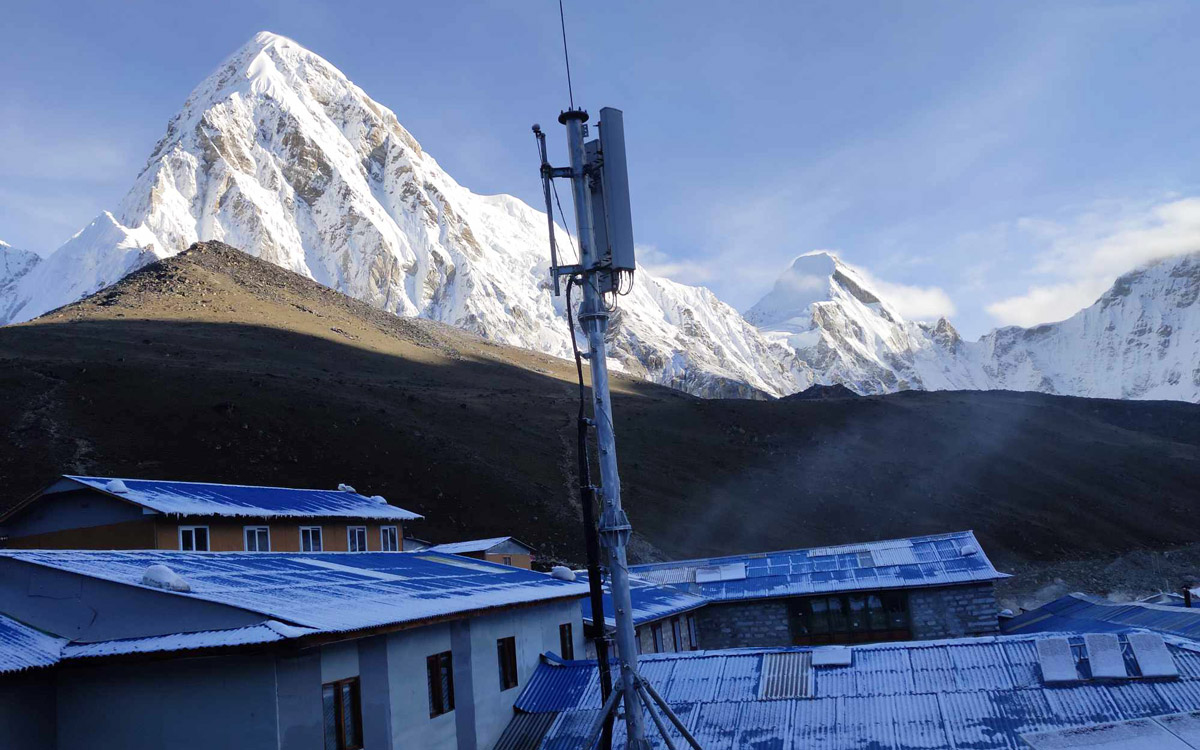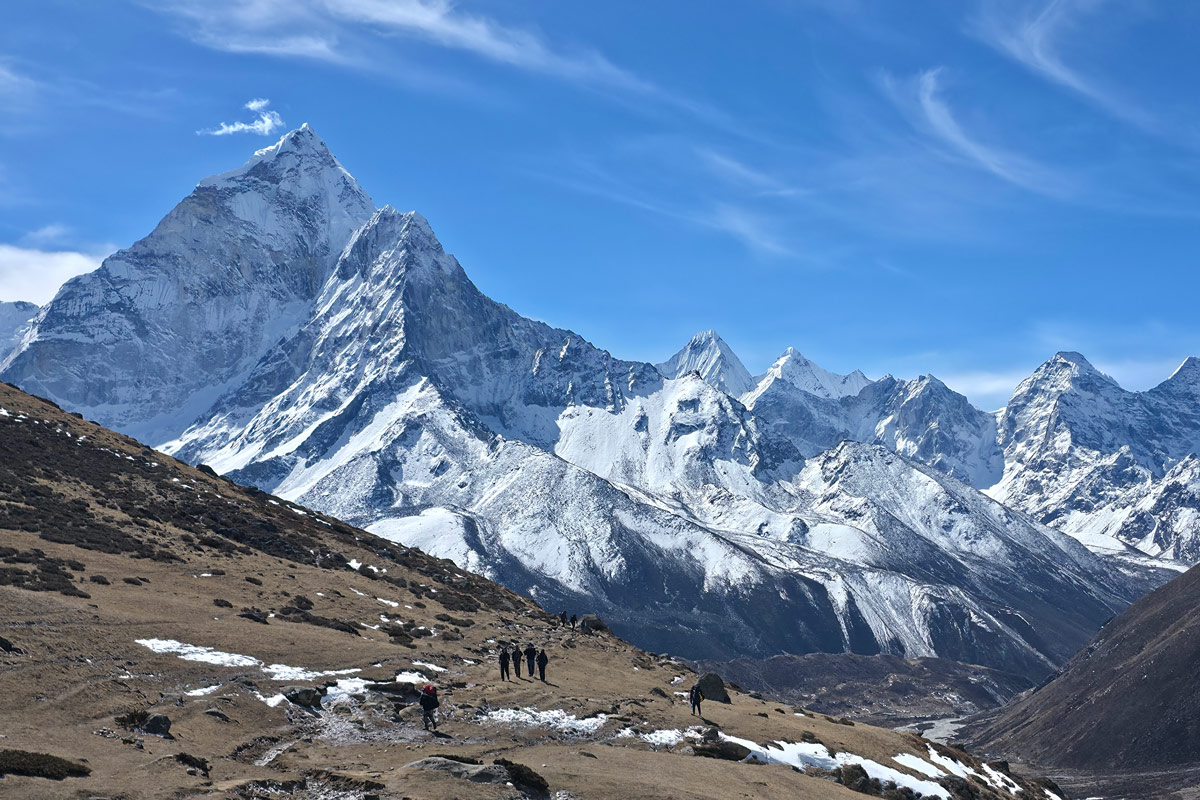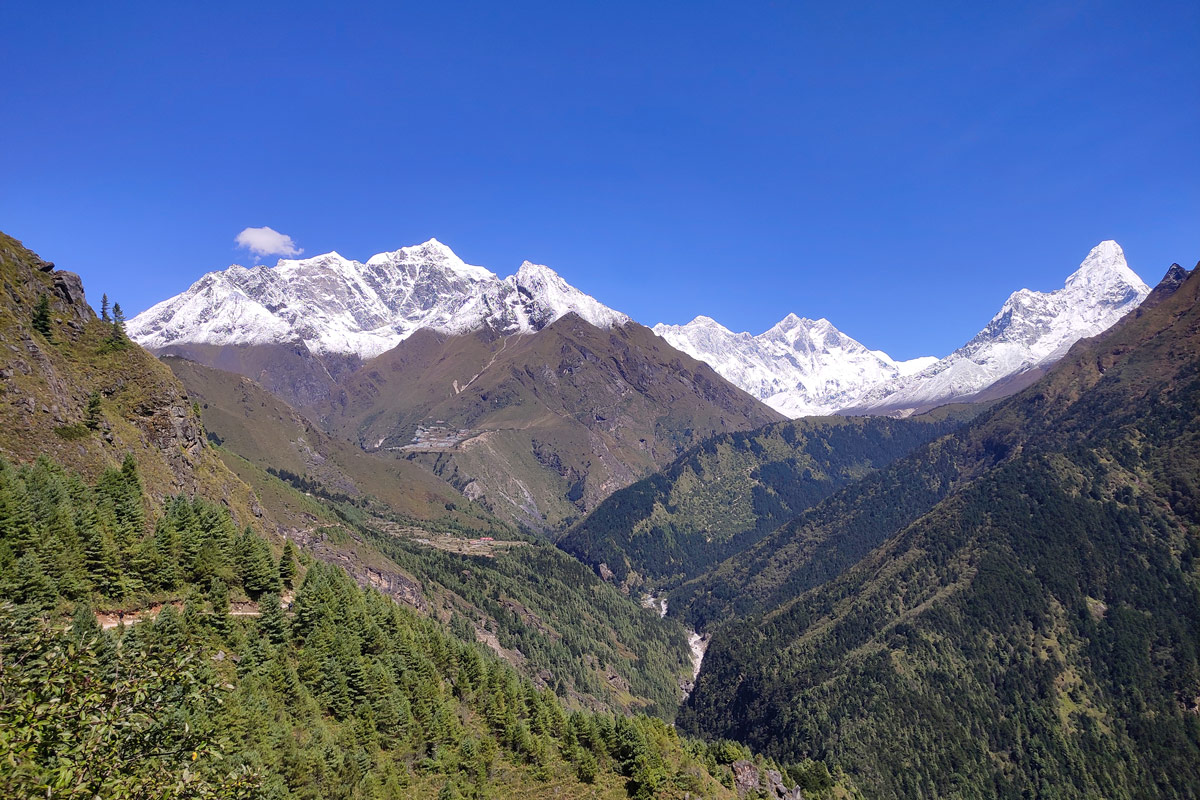



If you’re wondering about the best time to trek Everest Base Camp then, May is one of the most rewarding months you could possibly choose. This is the time when the Khumbu (Everest) region transitions into late spring, offering a perfect mix of stable weather, clear skies, and comfortable temperatures.
What makes the Everest Base Camp Trek in May special is the balance it offers. May is genuinely one of the best trekking months for very specific reasons. The monsoon hasn’t hit yet, the temperatures are manageable, and the trails are alive with color from blooming rhododendrons at lower elevations.
You’re walking through one of the most spectacular landscapes on Earth at the absolute right time.
You can undoubtedly plan to trek from Lukla (2,860 m/9,383 ft) to Everest Base Camp (5,364 m/17,598 ft) during May, which offers one of the best windows to experience the Himalayas at their finest.
Weather and Temperature During EBC Trek in May
The weather and temperature play an important role in your Everest Base Camp trekking experience. It is good for you to understand the weather conditions before starting the Everest Base Camp trek.
In May, the region experiences late spring conditions, which are generally stable but can vary depending on altitude and time of day. The Everest region spans a wide elevation range, so temperatures and conditions change significantly as you move higher.
Morning Temperatures during May at EBC
Mornings are usually clear with excellent visibility, making it the best time for trekking and photography. In lower regions like Lukla to Namche Bazaar, temperatures range from 5°C to 10°C (41°F to 50°F), while mid elevations such as Tengboche and Dingboche see temperatures around 0°C to 5°C (32°F to 41°F).
In higher areas (above 4,900 m) including Lobuche, Gorak Shep, and Everest Base Camp, early morning temperatures can drop to -8°C to -2°C (17.6°F to 28.4°F), making it essential to wear warm layers before the sun rises and gradually warms the trail.
Daytime Temperatures during May at EBC
During the daytime at EBC trek, temperatures are comfortable for trekking, especially in lower altitude regions. You will often find yourself trekking in light layers under the sun, even though snow-covered peaks surround you.
In lower regions such as Lukla to Namche Bazaar, daytime temperatures range from 10°C to 20°C (50°F to 68°F). As you climb higher to places like Tengboche and Dingboche, temperatures drop slightly to around 5°C to 15°C (41°F to 59°F).
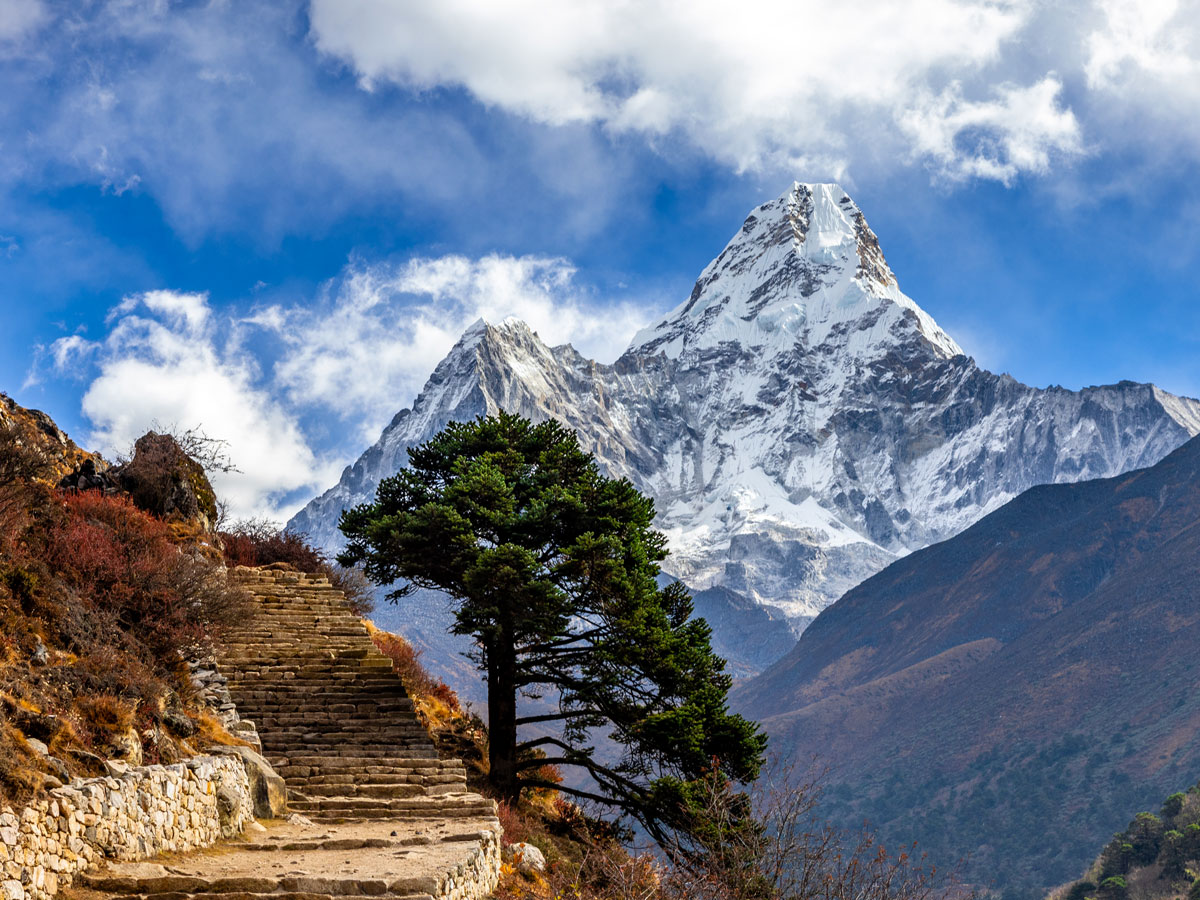
At higher elevations, including Everest Base Camp and nearby areas, temperatures typically range from 0°C to 10°C (32°F to 50°F). Despite the cold air, strong sunlight can make it feel warmer, so proper sun protection is essential.
Nighttime Temperatures during May at EBC
Nights in the Everest region remain cold, especially as you ascend above 4,000 meters. Even though May is warmer than winter months, temperatures still drop significantly after sunset.
In lower areas, nighttime temperatures range from 5°C to 10°C (41°F to 50°F). In mid-altitude villages like Namche Bazaar and Tengboche, temperatures can fall between -2°C to 5°C (28°F to 41°F).
At higher altitudes such as Lobuche, Gorak Shep, and Everest Base Camp, temperatures often drop to -10°C to -5°C (14°F to 23°F). This is why carrying a good quality sleeping bag is essential for a comfortable night’s rest.
Chances of Rain and Snow during May in EBC Trek
May is generally a dry month in the Everest region, but weather patterns can still bring occasional changes. Rainfall is not frequent, but light showers can occur, particularly in the later part of the month as the monsoon season approaches.
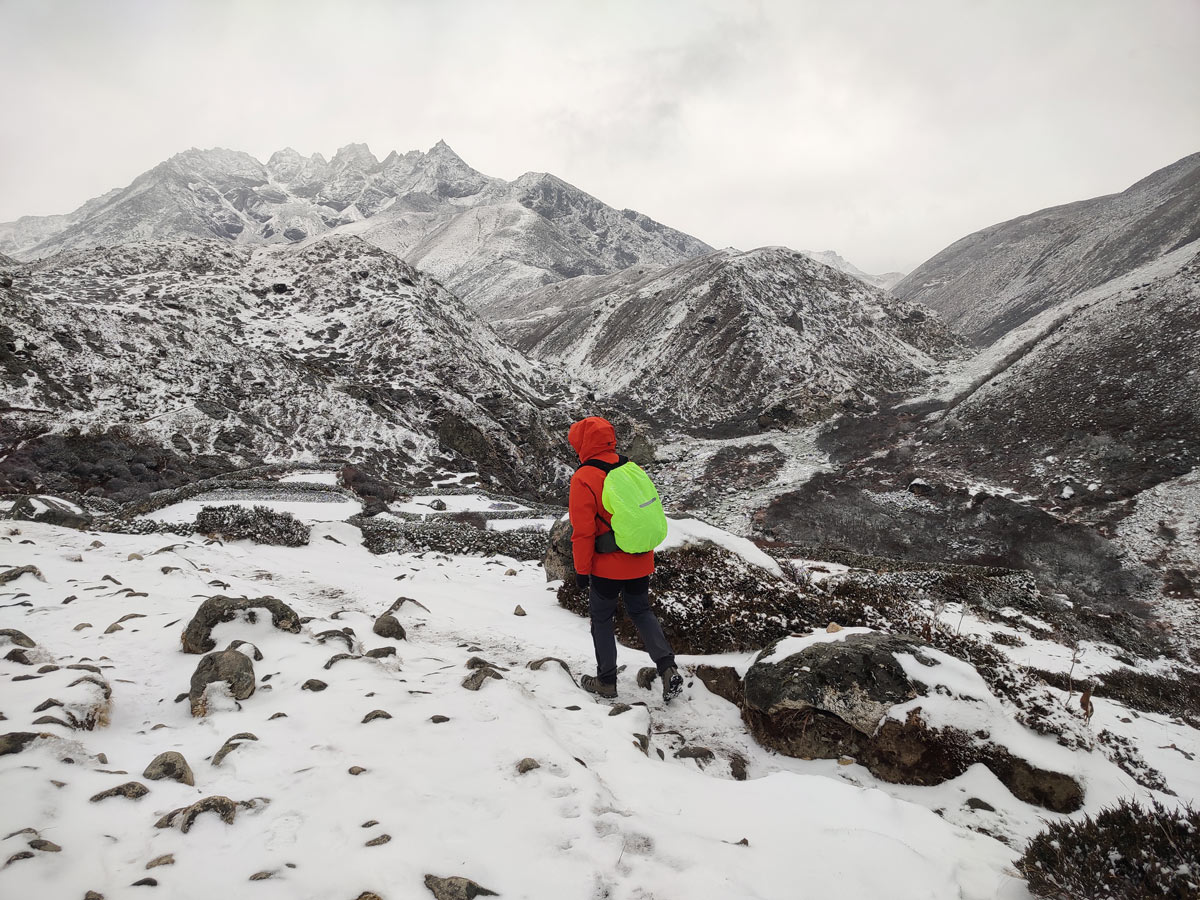
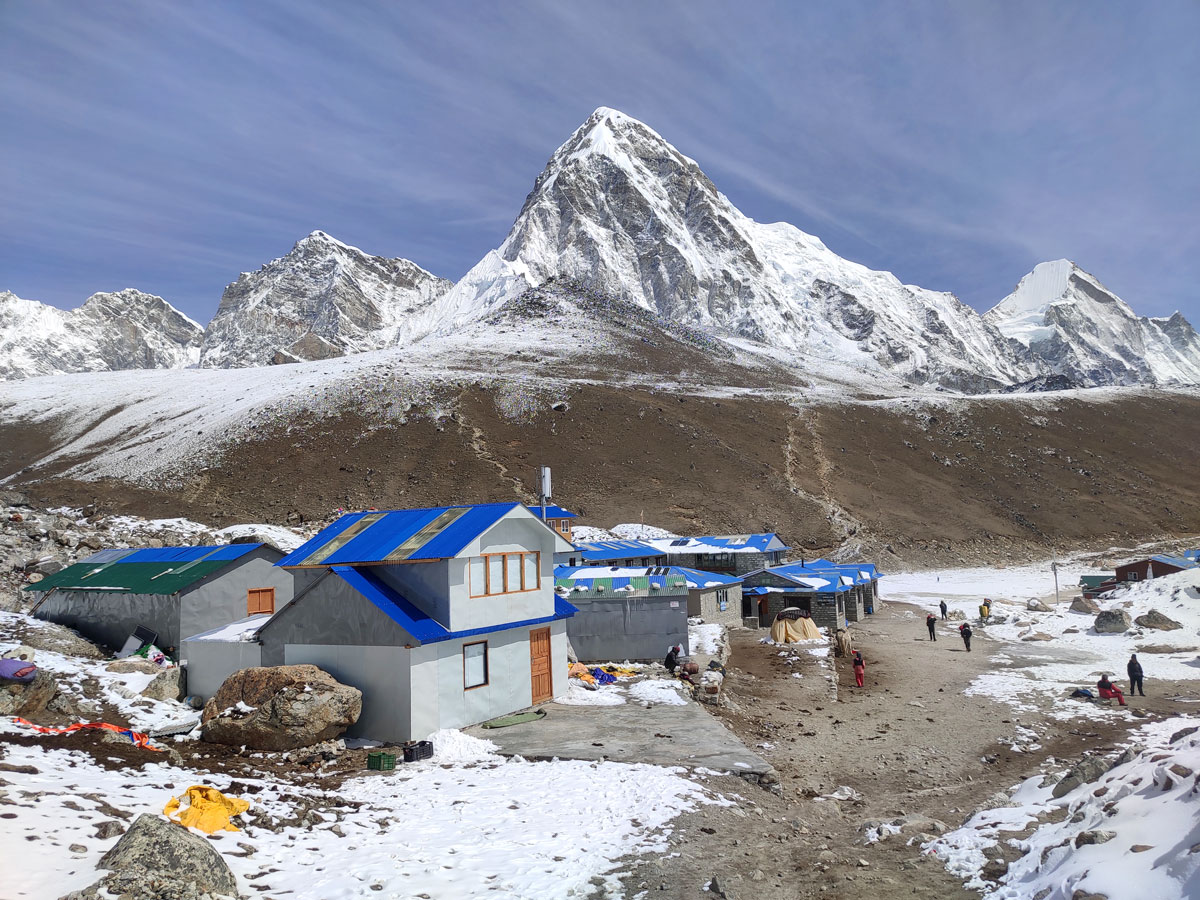
While snowfall is rare in May, it can still occur at higher elevations above 4,000 m. These snowfalls are usually light and don’t significantly affect trekking conditions. However, starting early is essential, and micro-spikes are highly recommended to help with any unexpected snow.
Pros and Cons of Trekking to EBC in May
Trekking to Everest Base Camp in May comes with many advantages, but it also has a few challenges. Understanding both sides helps you prepare better and set realistic expectations.
Pros of Trekking EBC in May
- Stable weather: May offers consistent weather patterns, making it easier to plan your trek without unexpected disruptions.
- Clear mountain views: The visibility is excellent, allowing you to enjoy unobstructed views of Everest and surrounding peaks.
- Blooming landscapes: Rhododendron forests between Phakding and Tengboche are in full bloom, adding color to the Everest Base Camp trail.
- Comfortable trekking temperatures: Daytime temperatures are neither too hot nor too cold, making long trekking days manageable.
- Long daylight hours: More daylight means more time to trek, explore, and rest without rushing.
Challenges of Trekking EBC in May
Trekking to Everest Base Camp (EBC) in May presents a few challenges. As it’s peak season, you’ll feel the vibrant atmosphere of busy trails and teahouses, especially in stops like Namche Bazaar and Gorak Shep.
Although afternoon clouds may occasionally block the views, the early mornings often offer breathtaking vistas of the majestic mountains. Sometimes unexpected snowfall can occasionally occur at higher elevations, but it typically doesn’t disrupt the trek, and having micro-spikes on hand can help with any sudden changes in conditions.
While the flight prices may be slightly higher due to increased demand, but the benefits of trekking during this ideal weather condition make it a memorable and rewarding adventure.
Major Highlights of EBC Trekking in May
- Explore Namche Bazaar, the vibrant hub of the Khumbu region and cultural heart of the Sherpa community.
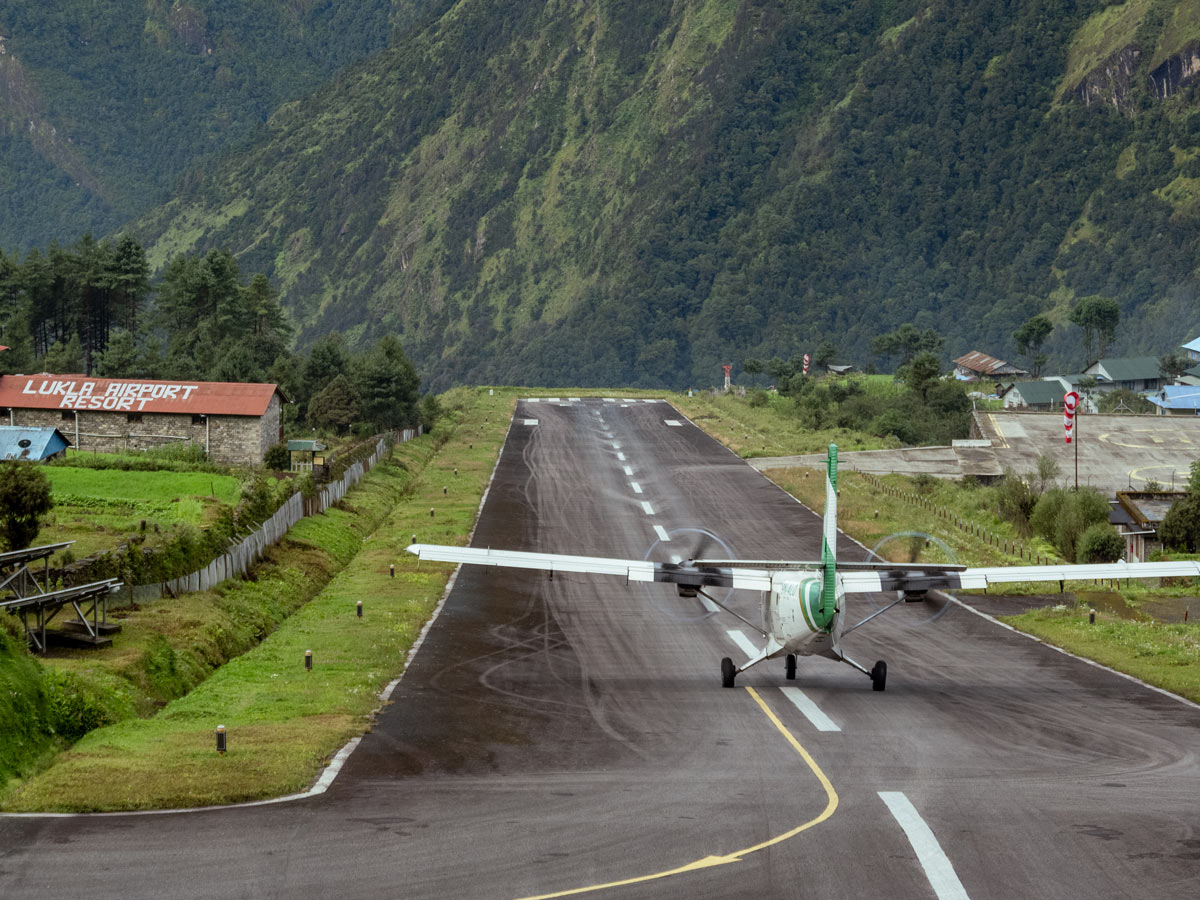
- Experience the thrill of landing at Tenzing-Hillary Airport, one of the most adventurous airports in the world.
- Trek to the base of the world’s highest mountain, Mount Everest, and stand in the iconic Everest Base Camp.
- Hike up to Kala Patthar, one of the best viewpoints for a close-up and breathtaking panorama of Everest.
- Enjoy stunning views of Himalayan giants, including Lhotse, Nuptse, Makalu, Ama Dablam, and Cho Oyu.
- Walk through the pristine landscapes of Sagarmatha National Park and witness diverse flora and fauna along the trail.
- Visit Tengboche Monastery, the spiritual center of the Khumbu region surrounded by incredible mountain views.
- Explore authentic Sherpa villages such as Tengboche, Dingboche, Lobuche, Pheriche, and Gorak Shep.
- Take advantage of longer daylight hours in May, allowing for relaxed trekking and more time to enjoy the landscapes.
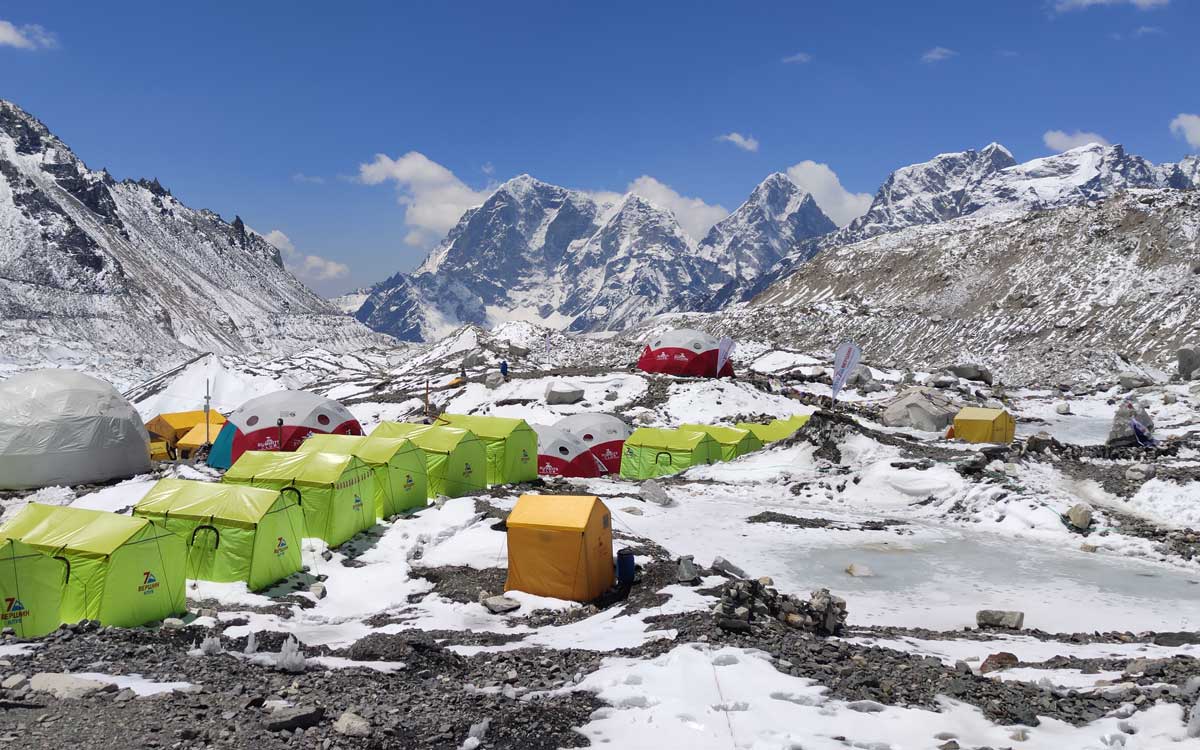
- Witness the lively atmosphere at Everest Base Camp, filled with colorful expedition tents during the peak climbing season.
Why May is the Best Time for Everest Base Camp Trek
If you ask seasoned Himalayan trekking guides about the best month for EBC, May will also be included along with April, October, and November. May, in particular, sits right in the sweet spot of the spring season.
May offers the perfect balance of weather, scenery, and trekking conditions. Unlike winter, you do not have to deal with extreme cold, and unlike monsoon, you avoid heavy rainfall and slippery trails.
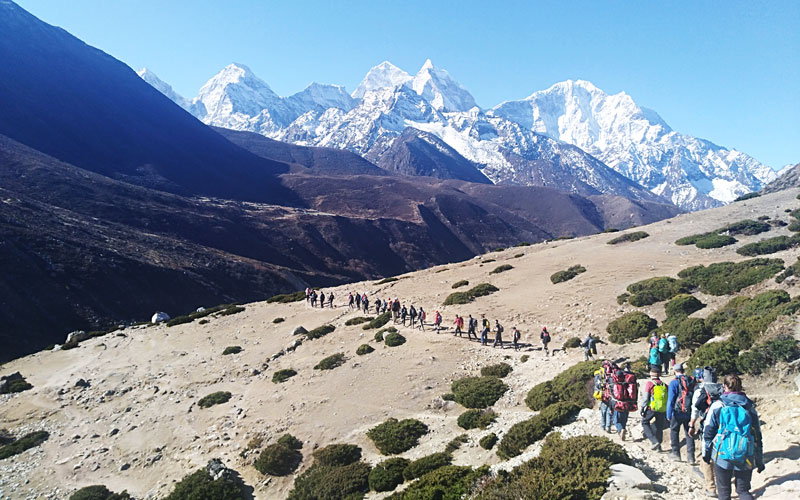
The clear skies provide excellent visibility, allowing you to enjoy uninterrupted views of the Himalayan peaks. The trails are also in great condition, making trekking safer and more comfortable.
Another reason May stands out is the vibrant landscape. The blooming rhododendrons and green valleys add a unique charm to the trek, making it visually stunning from start to finish.
EBC Trek Trail Conditions and Crowd Levels in May Season
The trail from Lukla to Everest Base Camp covers approximately 130 km (81 miles) round trip from Lukla, passing through some of the most varied and dramatic terrain in the world. In May, trail conditions are generally good, though there are a few things to be aware of.
Lower trail (Lukla to Namche Bazaar): Mostly dry and well-maintained. The suspension bridges over the Dudh Koshi River are in good condition. This section passes through forest and terraced farmland, and in May it can be genuinely warm and humid at lower elevations. Muddy patches are possible after rain.
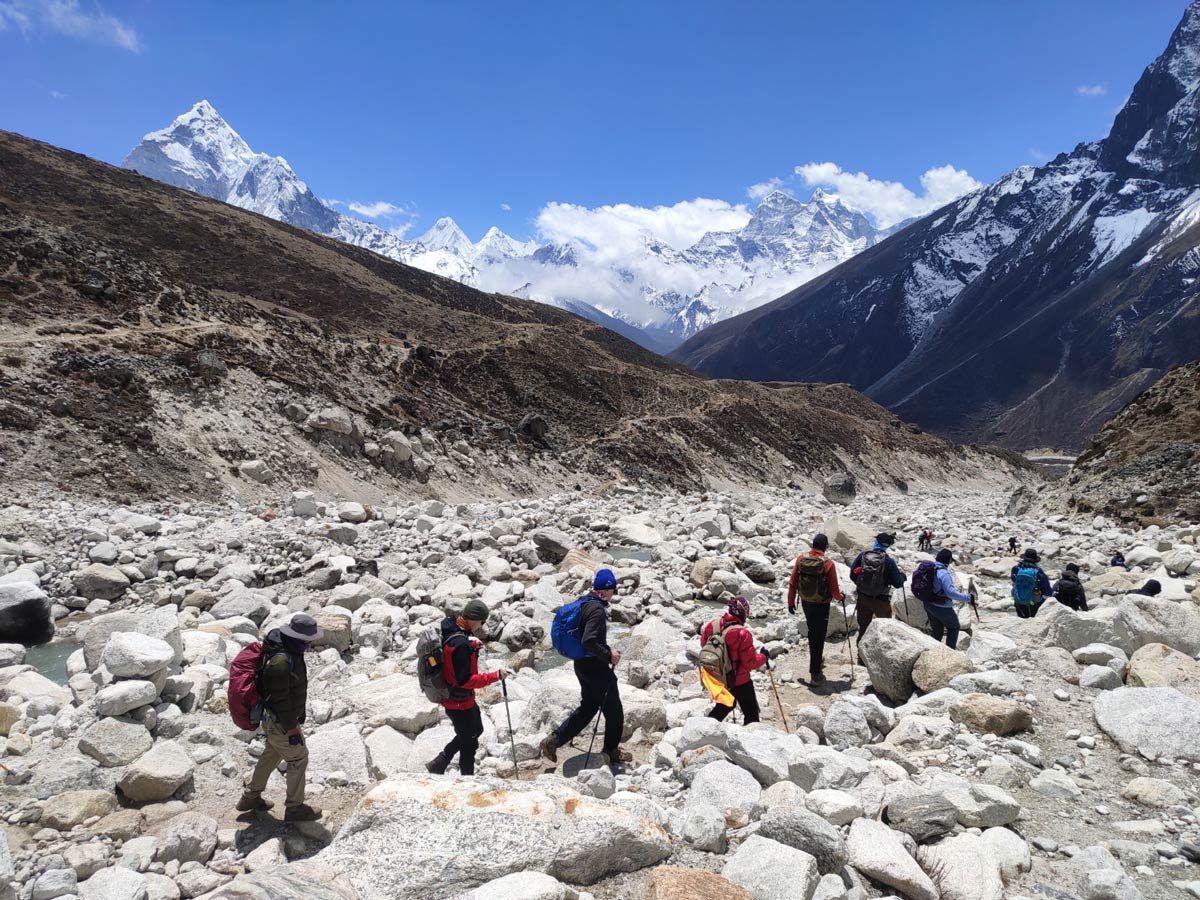
Mid trail (Namche Bazaar to Dingboche): This EBC trail is clear in May. The path from Tengboche descends into the Imja Khola valley before rising to Dingboche’s wide, open plateau. The lateral moraines near Pheriche can be rocky and exposed to wind, but there are no technical sections.
Upper trail (Dingboche to Gorak Shep/Base Camp): Conditions here depend on recent snowfall. In May, the trail from Lobuche to Gorak Shep often has compacted snow and ice on shaded sections. Micro-spikes are worth carrying from Lobuche upward.
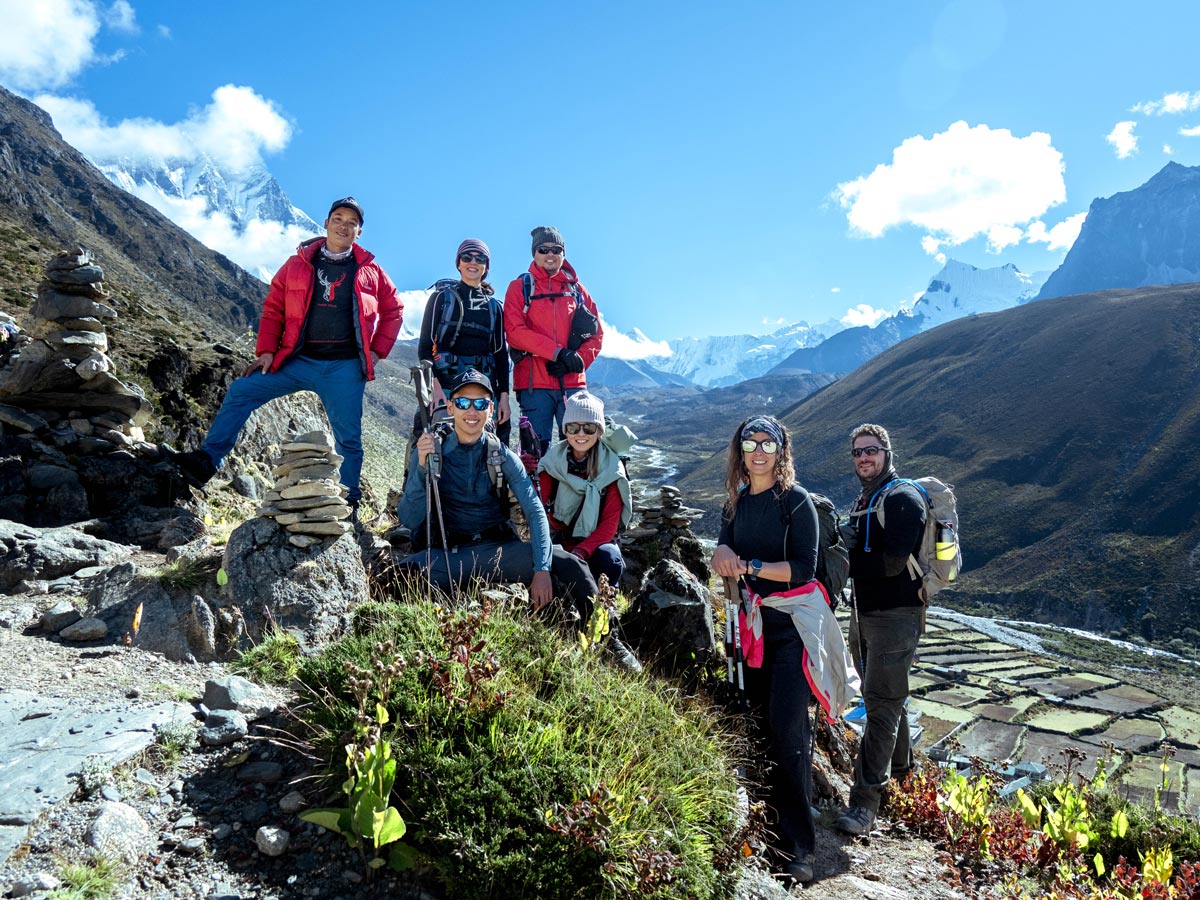
The final approach to Everest Base Camp across the Khumbu Glacier involves hopping between glacial moraine; slow and careful progress is needed.
Crowd levels in May are at their seasonal peak. Expect 50 to 150+ trekkers per day on the main trail between Phakding and Namche Bazaar. Higher up, past Dingboche, crowds thin out considerably. The most congested single points are the Hillary Suspension Bridge near Phakding, the trail junction at Jorsalle entering the Sagarmatha National Park, and the Namche Bazaar main street.
Difficulty Level of Everest Base Camp Trek in May
The Everest Base Camp trek is considered moderately difficult, mainly due to the high altitude rather than the distance. The total trekking distance is about 130 km (80.7 miles) round trip from Lukla.
You will typically walk for 5 to 7 hours per day, covering varied terrain that includes steep ascents, rocky paths, and suspension bridges. The biggest challenge is adjusting to Everest Base Camp altitude, especially above 3,000 m (9,842 ft).
Proper acclimatization at places like Namche Bazaar and Dingboche is essential to avoid altitude sickness. With good preparation and pacing, most trekkers can complete the trek successfully.
Accommodation and Food in May during Everest Base Camp trek
One of the best things about the EBC route compared to other Himalayan treks is the quality of teahouse infrastructure in EBC trail. Accommodation during May is comfortable and widely available in the teahouses. These lodges provide basic but cozy rooms, usually on a twin-sharing basis.
Dining halls are warm and social spaces where trekkers gather to eat and relax. The food options are surprisingly diverse, offering both local and international dishes.
For breakfast, you can expect items like porridge, eggs, toast, and pancakes. Lunch and dinner menus often include dal bhat, noodles, pasta, fried rice, soups, and potatoes.
Dal bhat is a popular choice because it provides high energy and is often served with unlimited refills. Staying well-fed is important, as trekking at high altitude requires extra energy.
What to Pack for May Everest Base Camp Trekking
Packing for an EBC trek in May requires a strategy. You’re dealing with two completely different climate zones: the warm, almost subtropical lower valleys around Lukla, and the sub-zero high-altitude environment above Lobuche. The solution is layering i.e. carrying versatile pieces that can be combined and removed as conditions change.
Clothing
Clothing should focus on layering so you can adjust to changing temperatures. You need warm clothes for mornings and nights, and lighter layers for daytime trekking.
- Thermal base layers
- Insulating mid-layers like fleece or down jackets
- Waterproof outer layer
- Scarf or Neck gaiter
- Gloves
- Hat
- Trekking Pants
- Hiking shorts
- Quick-drying Undergarments
- Hiking socks
Gear Essentials
Good gear makes trekking easier and reduces the risk of injury. Investing in proper equipment is always worth it.
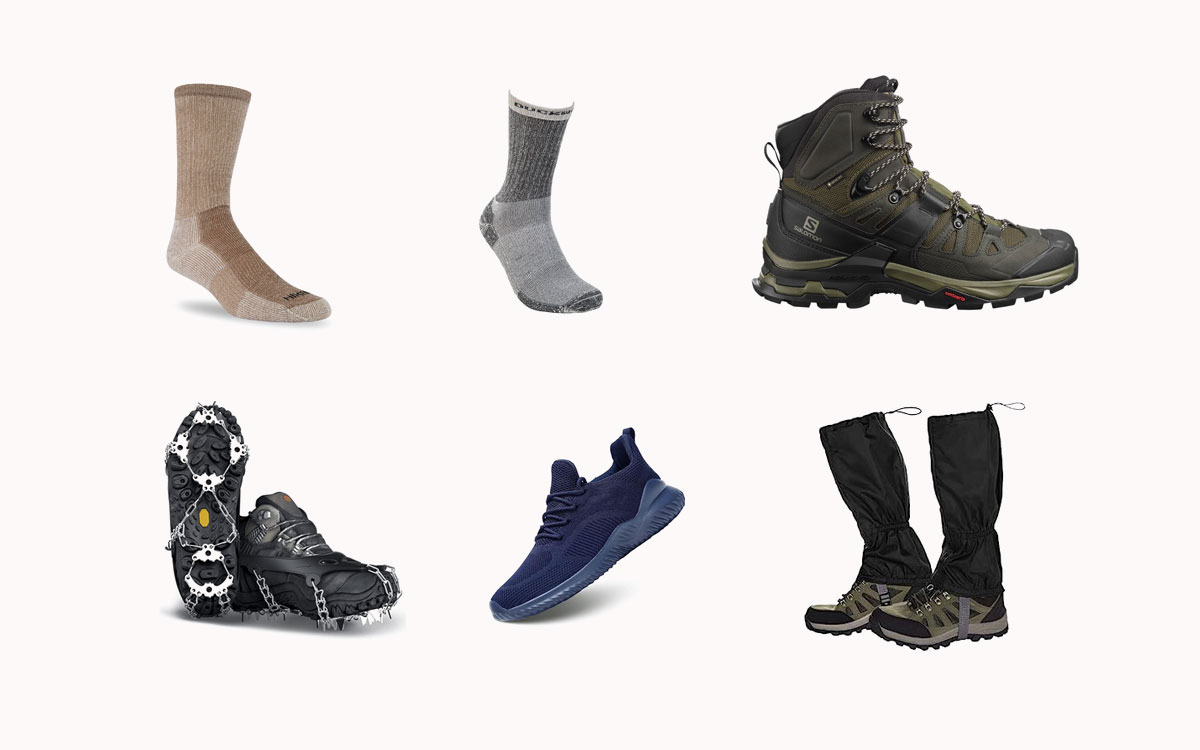
- Trekking boots with good grip
- Water bottles + purification
- Backpack (30 to 40 liters)
- Headlamp + spare batteries
- Trekking poles for stability
- Sleeping bag for cold nights
- Sunglasses and sunscreen
- First aid kit
- Portable power bank
Optional but Useful Items
Some items are not necessary but can make your experience more comfortable. These small additions can improve your daily routine on the trail.
- Earplugs
- Dry bags / zip-lock bags
- Micro-spikes
- Small journal
- Lip balm with SPF
Tips for Trekking Everest Base Camp in May
Trekking in May is an incredible experience, but a few practical tips can make it even better. Preparation and awareness are key to enjoying the journey safely.
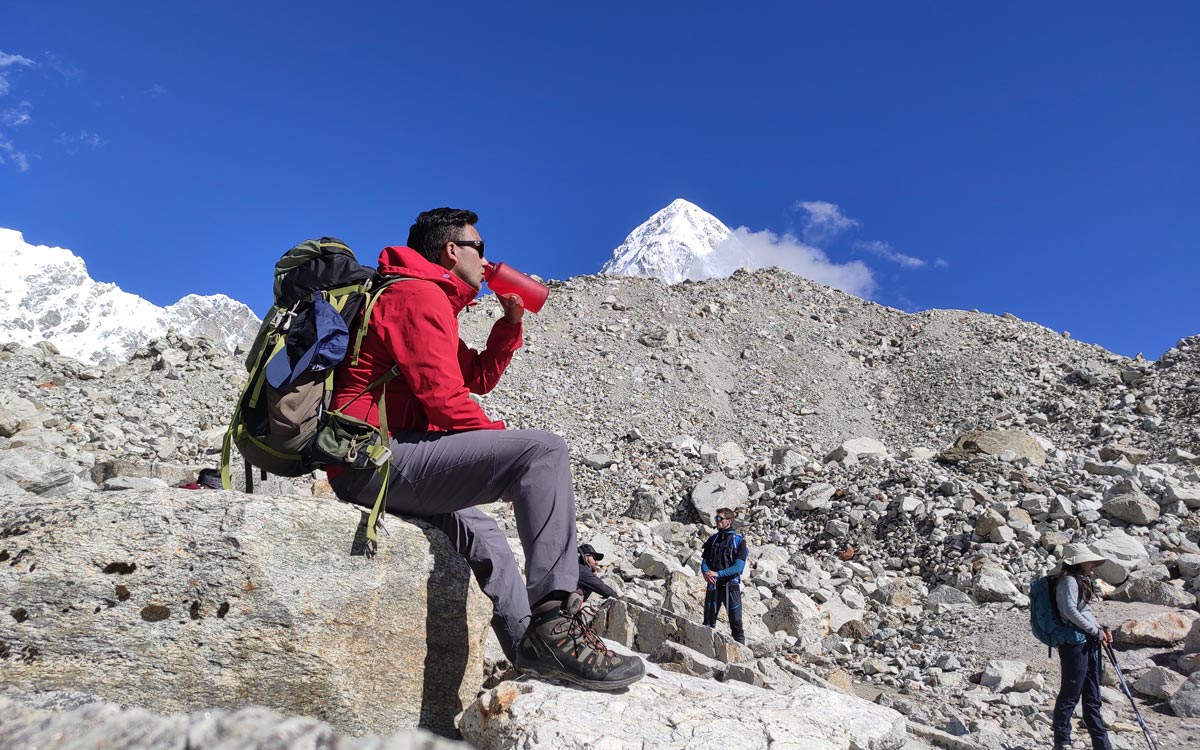
- Stay well hydrated throughout the trek as dehydration increases the risk of altitude sickness. Aim to drink at least 3 to 4 litres of water daily and avoid alcohol at higher elevations.
- Acclimatize properly because acute mountain sickness (AMS) is the main reason trekkers fail to complete the journey.
- Start trekking early each day to take advantage of clear morning skies and stable weather.
- Use sunscreen, sunglasses and a hat to protect yourself from sun.
- Get comprehensive travel insurance that covers high-altitude trekking and helicopter evacuation.
- Learn to recognize AMS symptoms such as headache, nausea, dizziness, fatigue, and loss of appetite. If symptoms worsen, descend immediately as it is the only effective treatment.
- Respect local culture and trail etiquette by passing mani stones on the left and giving way to yak caravans on narrow paths by moving uphill.
- Carry Nepali Rupees since many teahouses and shops in higher regions do not accept cards. Cash is essential in remote areas.
- Keep your permits ready at all times as you will need to show your permits at various checkpoints along the Everest Base Camp trekking route.
Final Thoughts on Everest Base Camp Trekking in May
The Everest Base Camp trek in May is one of the best trekking experiences you can have in Nepal. It combines clear weather, stunning landscapes, and vibrant trails into one unforgettable journey.
What you get in return while trekking to EBC in May? You’ll be standing on the Khumbu Glacier at the base of the world’s highest mountain, watching a sunrise turn Everest’s summit pyramid from grey to gold from the top of Kala Patthar, sharing dal bhat with strangers who become friends, learning what your body and mind are capable of at 5,000+ metres, is something that will stay with you for the rest of your life.
Plan carefully, prepare physically, respect the mountain and the people who call it home, and go for it.