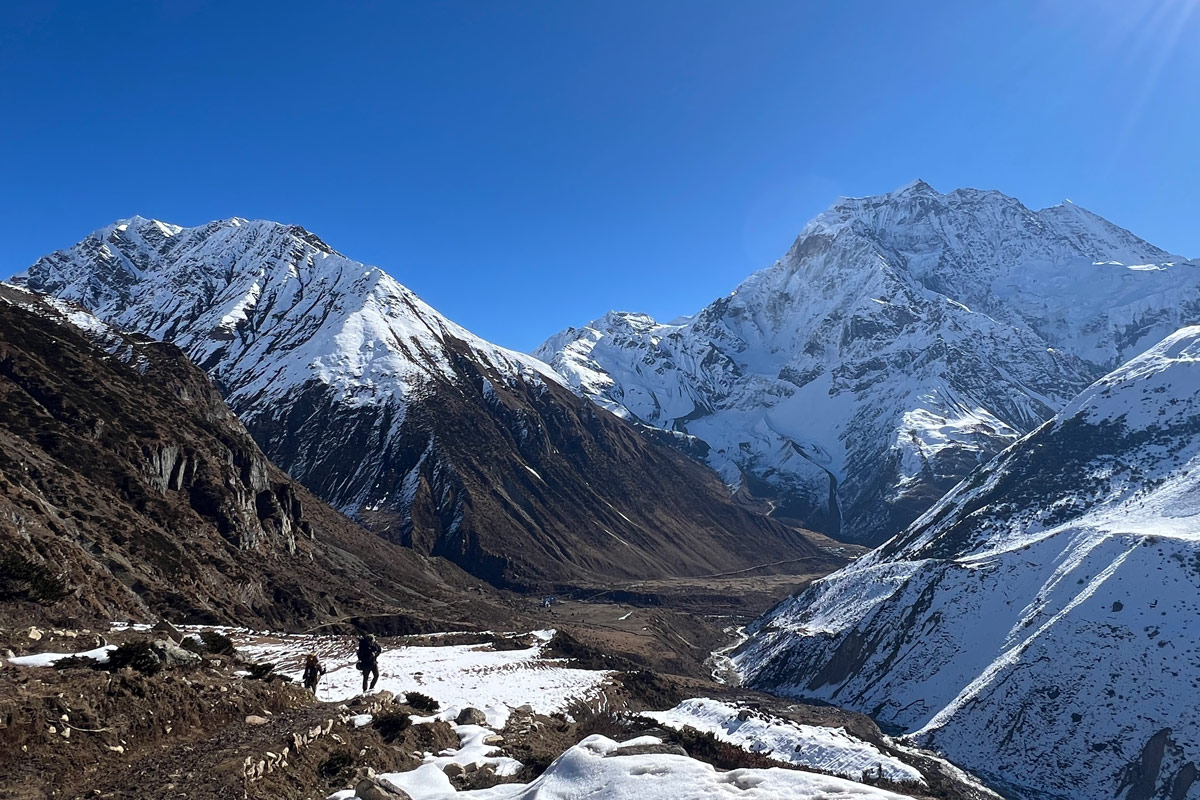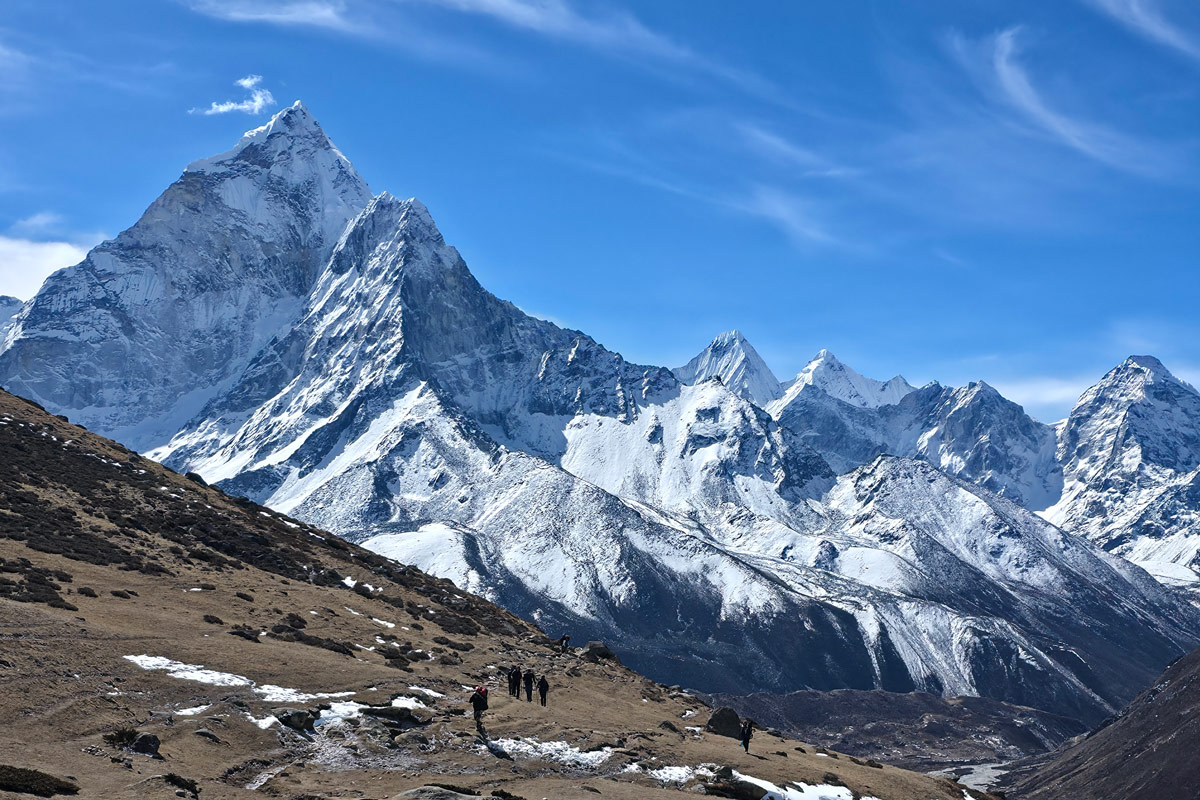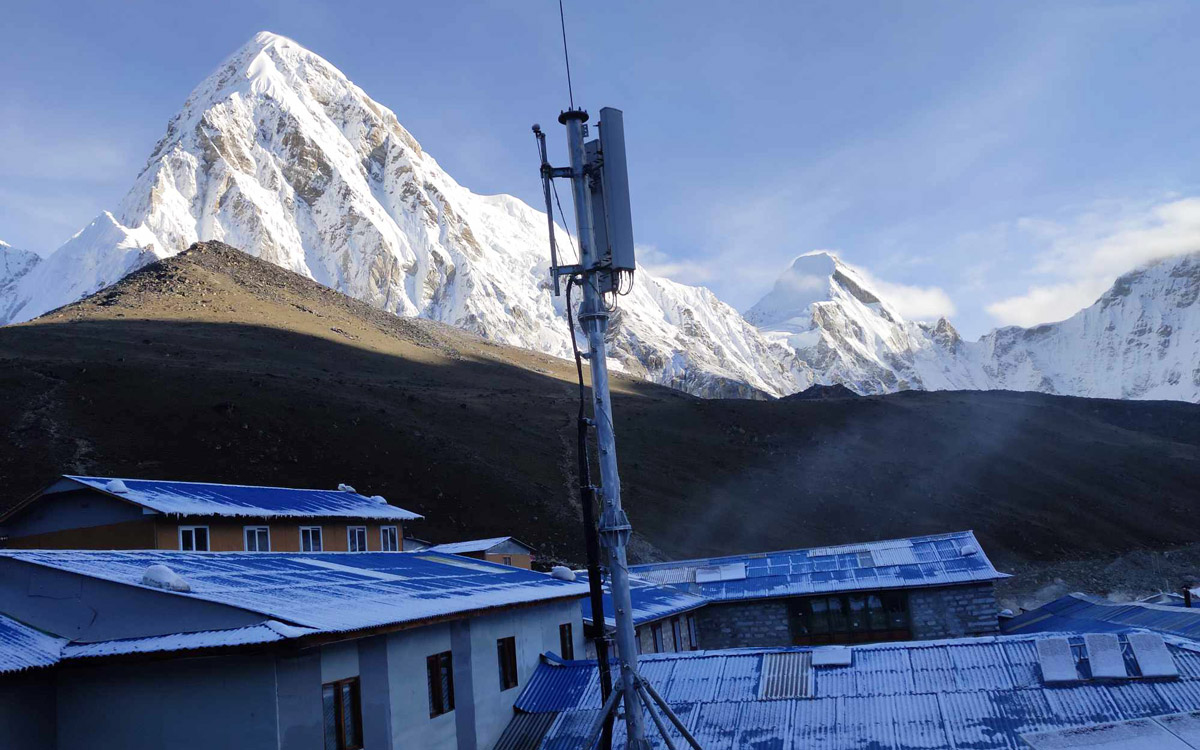



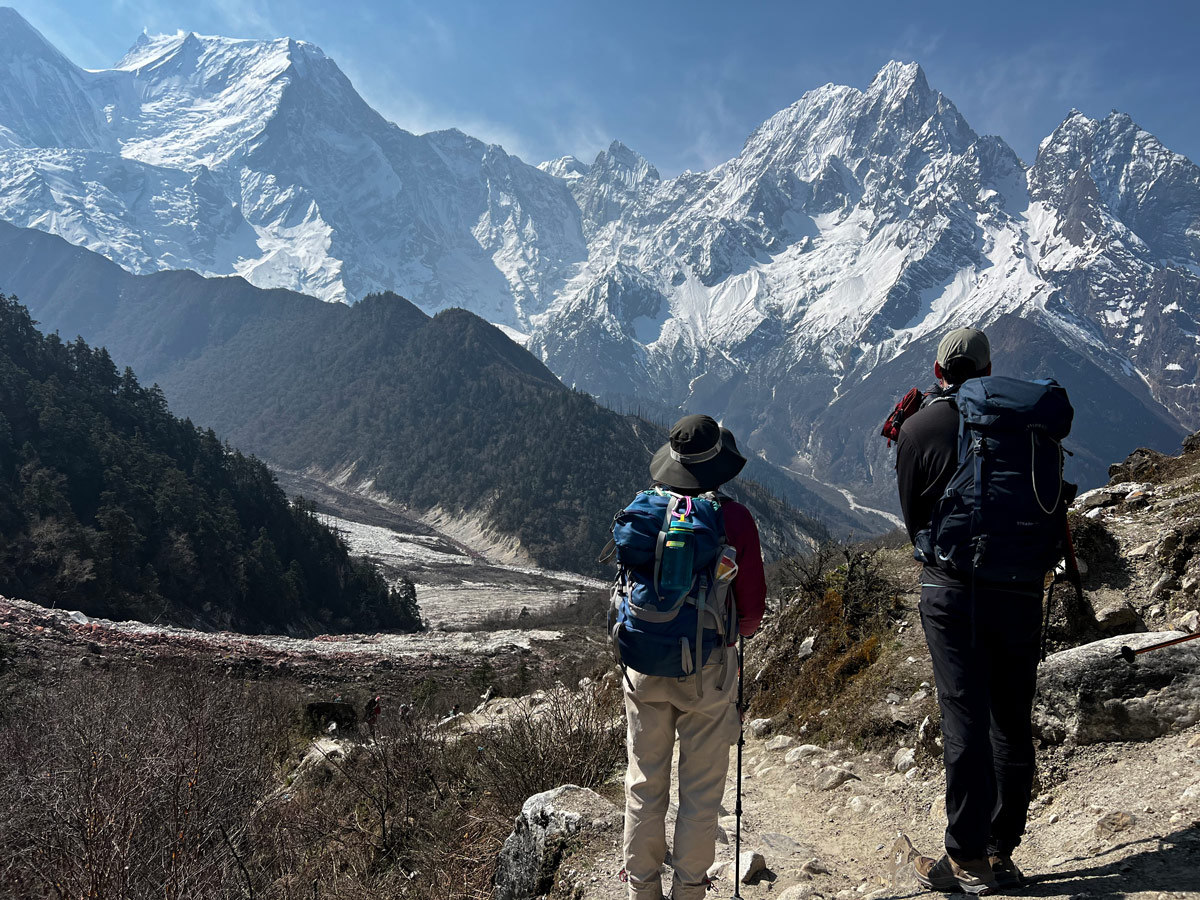
The Manaslu Circuit Trek is one of the most rewarding trekking destinations in Nepal. Circling around the world’s eighth-highest mountain, Mount Manaslu at 8,163 meters (26,781 ft).
The Manaslu trail combines remote Himalayan landscapes, traditional Tibetan-influenced villages, suspension bridges, alpine forests, and the dramatic crossing of Larkya La Pass at 5,160 meters (16,930 ft).
But timing matters here more than on many other treks in Nepal. Weather conditions, trail accessibility, visibility, temperature, and even accommodation experiences can change significantly from one season to another. Choosing the right season for the Manaslu Circuit Trek can shape your entire trekking experience.
During the Manaslu Circuit trek, you will be surrounded by the stunning panoramic vistas of several mighty mountains like Mount Manaslu, Ganesh Himal, Shringi Himal, Annapurna II, and other surrounding peaks.
So, when is the best time for Manaslu Circuit Trek? The short answer is spring and autumn seasons. However, winter and monsoon seasons also attract trekkers looking for quieter and more challenging Himalayan adventures.
When Is the Best Time to Trek Manaslu Circuit?
The Manaslu region experiences four major trekking seasons:
- Spring (March to May)
- Summer/Monsoon (June to mid-September)
- Autumn (late September to November)
- Winter (December to February)
Among these, spring and autumn are widely considered the best seasons for the Manaslu Circuit Trek because of stable weather, clearer mountain views, moderate temperatures, and safer trail conditions.
Winter offers a more remote and peaceful trekking experience, but comes with colder temperatures and possible snowfall around high passes. The monsoon season transforms the lower valleys into lush green landscapes; however, trekking during this period is generally not recommended due to heavy rainfall, slippery trails, poor road conditions on the way to the trailhead, and the risk of landslides and travel disruptions.
The “best” season genuinely depends on what kind of trekker you are, what you want from your experience, and how much risk and discomfort you’re willing to manage.
Spring Season (March/April/May): Best Time for Manaslu Circuit Trek
Spring is one of the most popular and reliable times for trekking in the Manaslu region. As winter snow gradually melts, the trails reopen with warmer temperatures, blooming rhododendron forests, and excellent mountain visibility.
The landscapes become colorful and lively during spring. Forests below Namrung and Lho are filled with rhododendron blossoms, while higher sections offer crystal-clear views of snow-covered Himalayan peaks.
Manaslu Circuit Trek Weather and Temperature in Spring Season
The biggest advantage of trekking to the Manaslu circuit during spring season is the combination of stable weather, moderate temperatures, blooming rhododendron forests, and clear mountain views.
During the daytime at lower altitudes such as Machha Khola, Jagat, and Deng, temperatures generally range from 15°C (59°F) to 25°C (77°F). The average daytime temperature in these sections is around 20°C (68°F), creating comfortable conditions for walking during the day.
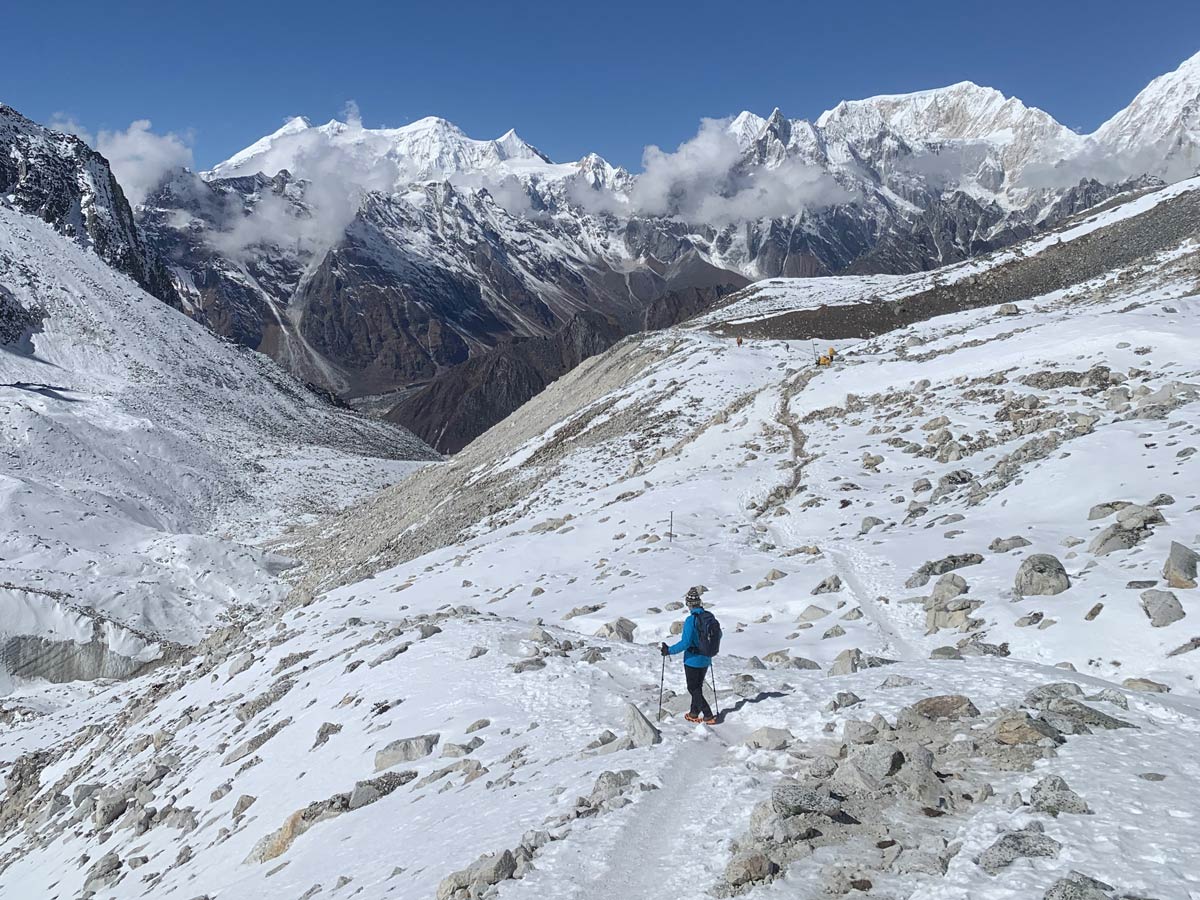
As the trek gradually gains altitude toward Namrung, Lho, Samagaun, and Samdo, daytime temperatures become cooler and usually range between 5°C (41°F) and 15°C (59°F). In higher alpine sections near Larkya La Pass, temperatures during the day can range from -2°C (28°F) to 10°C (50°F), especially during early mornings and windy conditions.
Nighttime temperatures in spring can still become cold which generally ranges from -2°C (28°F) to 5°C (41°F). At higher elevations such as Samdo, Dharamsala, and near Larkya La Pass, nighttime temperatures can drop between -10°C (14°F) and -2°C (28°F).
Advantages of Trekking the Manaslu Circuit in Spring
Spring trekking on the Manaslu Circuit delivers one of the most visually stunning experiences in the Nepal Himalaya. Spring is widely considered one of the two prime seasons for the Manaslu Circuit Trek, alongside autumn.
Here are some more advantages of trekking the Manaslu Circuit in spring:
- Rhododendron forests in full bloom from late March through April, creating extraordinary trail scenery.
- Stable morning weather windows with clear mountain views, ideal for photography of Manaslu and surrounding peaks.
- Comfortable trekking temperatures at mid-altitude, reducing physical strain on long days.
- Larkya La Pass is crossable without the extreme cold and complete snow coverage of winter.
- Increased wildlife activity and rich birdlife along the trail.
- Teahouses and lodges are open and operational throughout the route.
- Warm, welcoming communities with local festivals occasionally coinciding with the spring calendar.
Challenges of Spring Trekking in the Manaslu Region
Spring on the Manaslu Circuit isn’t without its complications, and it’s important to go in with a clear picture of what you’re dealing with.
Despite the trail having a low footfall compared to other treks, the spring season brings a significant number of crowds to the trek particularly around Samdo and Dharamsala. As a result of this trekker traffic, you will find the trail filled with trekkers along with limited availability at the tea houses.
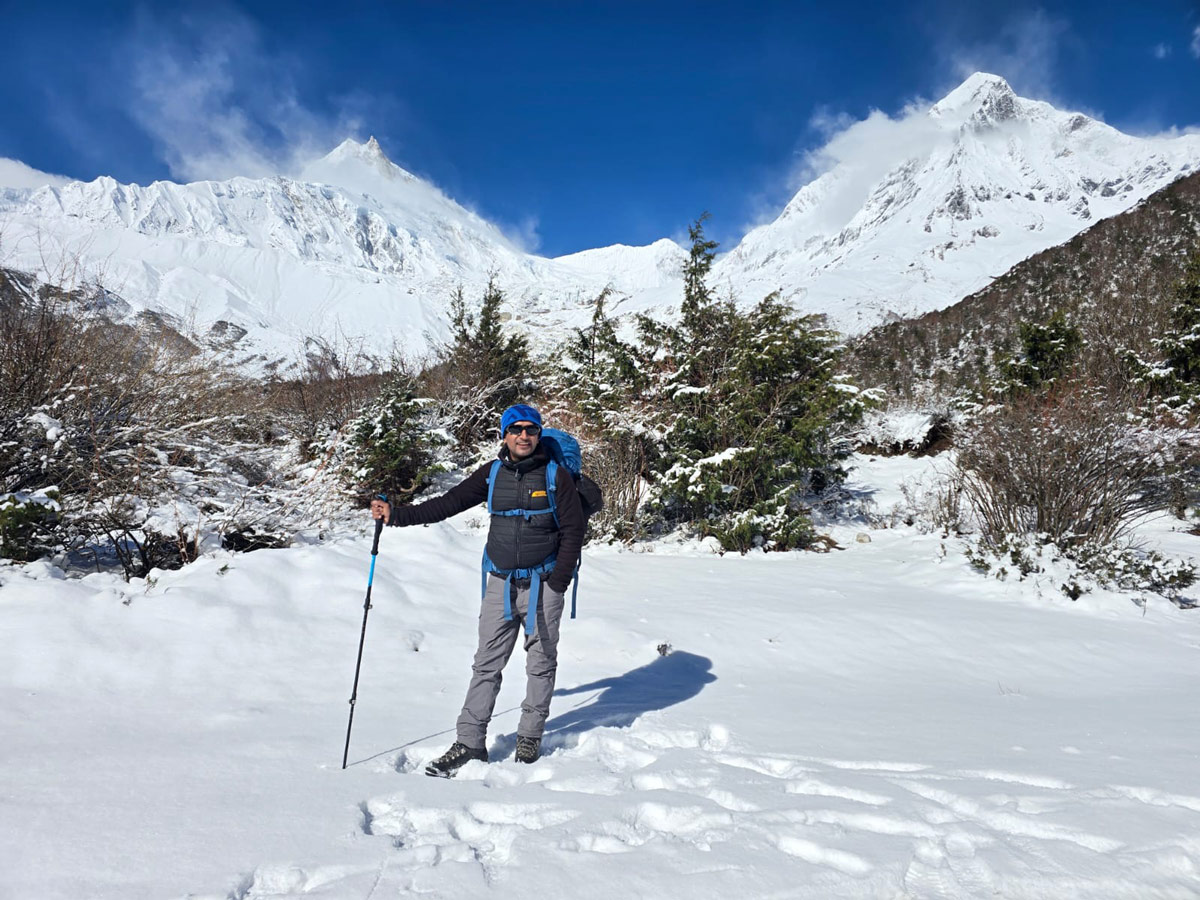
The trail to Larkya La Pass may still carry significant snow from late March into early April. It is highly recommended to you for getting micro-spikes or crampons to navigate icy sections.
Trekkers should also remember that weather in the Himalayas can change quickly, even during peak trekking seasons.
Who Should Trek the Manaslu Circuit in Spring Season
Spring is the ideal season for trekkers who are visiting the Manaslu Circuit for the first time and want reliable weather combined with dramatic natural beauty.
It suits for you when you prioritize mountain views and aesthetics as the Manaslu Circuit during spring gives the combination of snow-capped peaks, blooming rhododendrons, and clear blue skies in April is genuinely hard to beat.
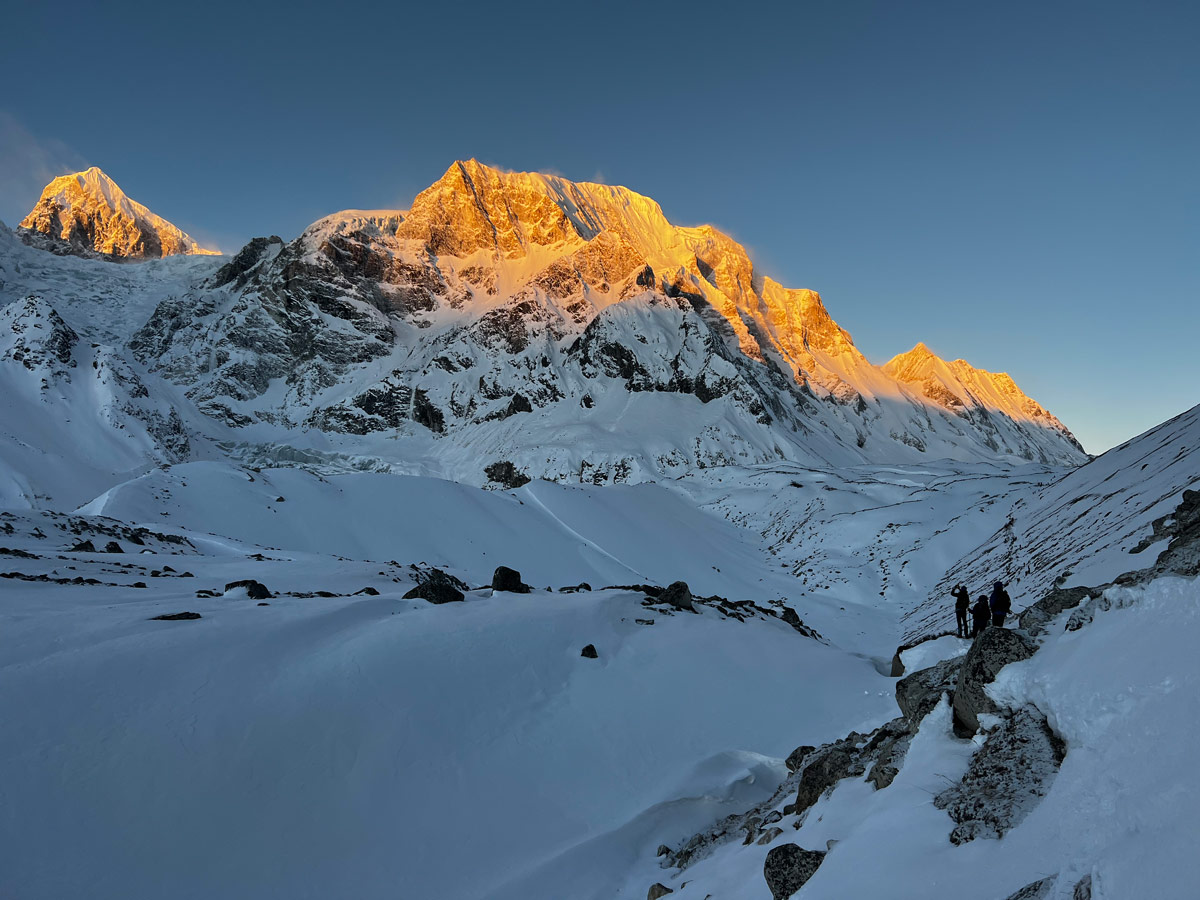
Families with older children or teenagers who are experienced at altitude will find spring temperatures manageable during Manaslu circuit trek. It’s also a great pick for photographers who want the best possible light conditions and the visual drama of spring flora.
If you’re crossing Larkya La Pass for the first time, doing it in April or early May gives you the best balance between accessible snow conditions and bearable temperatures at the top.
Manaslu Circuit Trek in Autumn Season (Late September/October/November): Ideal Season for Manaslu Trek
Autumn is widely regarded as the best overall season for the Manaslu Circuit Trek. After the monsoon rains clear the atmosphere, the mountain views become exceptionally sharp and the skies remain deep blue for many days.
The trails are generally dry, visibility is excellent, and temperatures remain comfortable throughout most of the trekking route. October is usually the busiest trekking month in the Manaslu region.
Autumn also coincides with major Nepalese festivals such as Dashain and Tihar, allowing trekkers to experience local cultural celebrations along the trail.
Autumn Weather Conditions During Manaslu Circuit Trek
Autumn weather is usually dry and stable, especially from late September through November. Rainfall decreases significantly after the monsoon season, improving trail conditions and mountain visibility.
During the daytime at lower altitudes such as Machha Khola, and Jagat, temperatures generally range from 12°C (54°F) to 22°C (72°F). The average daytime temperature in these lower sections is around 17°C (63°F).
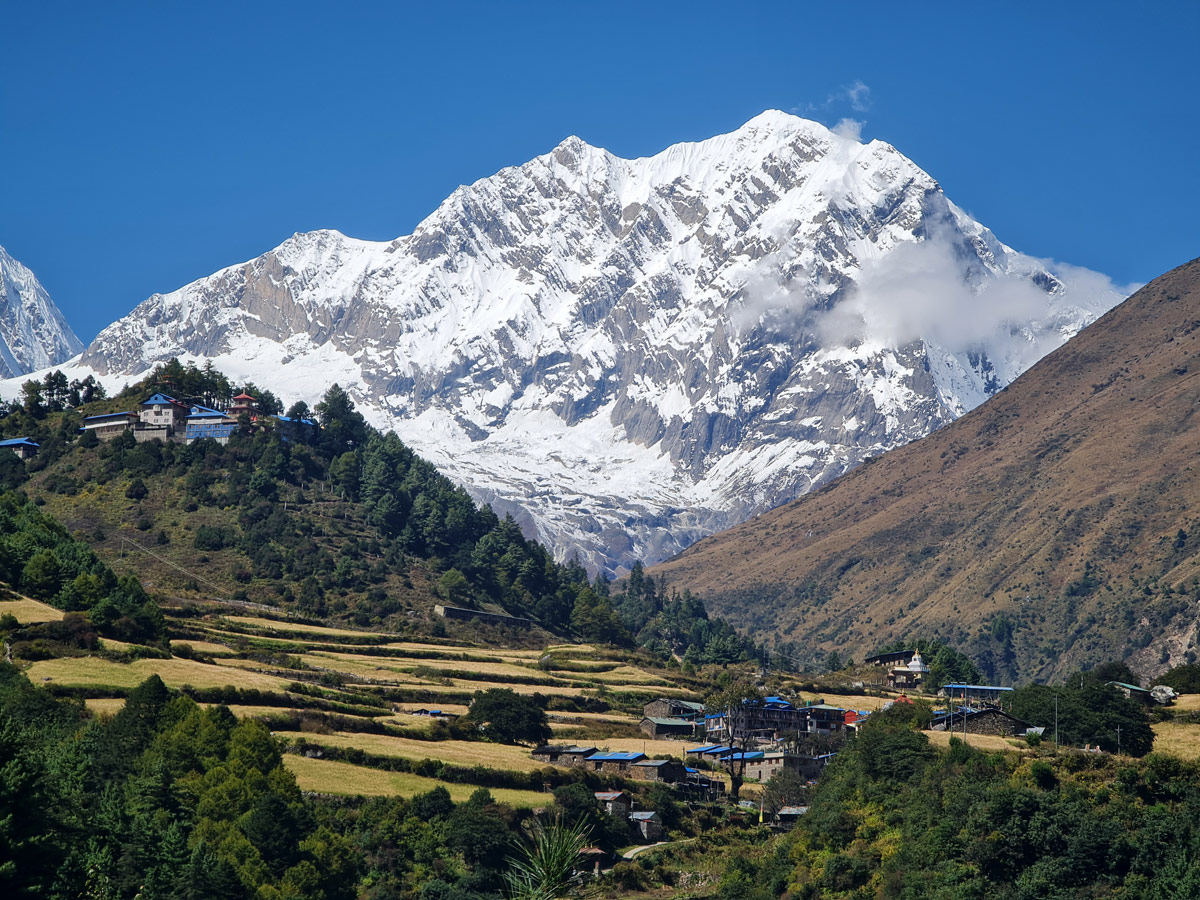
As you continue toward higher villages like Namrung, Lho, Samagaun, and Samdo, daytime temperatures become cooler and usually range between 8°C (46°F) and 16°C (61°F). In alpine sections near Larkya La Pass, daytime temperatures can range from -3°C (27°F) to 10°C (50°F), especially during early mornings and windy conditions.
Nighttime temperatures during autumn are colder at higher elevations, particularly from late October onward. In mid-altitude areas, nighttime temperatures generally range from 0°C (32°F) to 6°C (43°F).
At higher elevations above 3,500 meters (11,482 ft), nighttime temperatures can drop between -10°C (14°F) and -4°C (25°F), especially near Dharamsala and Larkya La Pass.
Advantages of Autumn Manaslu Circuit Trekking
Autumn combines stable weather, excellent visibility, and comfortable temperatures, making it the most preferred season for many trekkers. Manaslu circuit trail conditions during autumn are usually dry, reducing trekking difficulty across steep sections and high-altitude crossings.
Here are some more advantages of Manaslu Circuit trekking in autumn season:
- Crystal-clear mountain views in October, arguably the best visibility of any season for Manaslu and surrounding peaks.
- Dry, stable trail conditions throughout the route, minimal mud, no monsoon-season trail damage.
- Larkya La Pass at peak accessibility, with minimal snow and excellent crossing conditions.
- Beautiful autumn foliage in mid-altitude forests from late October into November.
- Active and well-stocked teahouses across the entire circuit route.
- Comfortable daytime trekking temperatures, especially in October.
- Lower rainfall possibility, ensuring clearer skies, safer trails, and a more reliable trekking experience throughout the Manaslu Circuit.
Challenges of Autumn Trekking in the Manaslu Region
October being the peak trekking months on the Manaslu Circuit, autumn’s popularity creates it own pressures. The Manaslu Circuit route is less crowded than Everest Base Camp or Annapurna Circuit Trek but you’ll still encounter other trekking groups at key trekking stops of Manaslu Circuit Trek.
Temperatures also begin dropping quickly in late November, especially above Samdo and Dharamsala. Strong winds near Larkya La Pass can occasionally affect trekking schedules.
The Manaslu region having unpredictable weather, you might come across some unforeseen weather challenges as well.
Who Should Trek the Manaslu Circuit in Autumn Season
Autumn is the best choice for trekkers who want the complete Manaslu Circuit experience in the most favourable conditions possible. It suits those who want exceptional mountain photography with maximum clarity and those crossing Larkya La Pass for the first time who want reliable, dry conditions underfoot.
Manaslu circuit Trek in October is the ideal pick for trekkers who want the full combination of good weather, clear views, comfortable temperatures, and operational facilities. November suits experienced cold-weather trekkers and those seeking slightly fewer crowds, accepting the trade-off of lower temperatures.
Those interested in combining trekking with cultural experiences also enjoy the festive atmosphere during this season.
Manaslu Circuit Trek in Winter Season (December/January/February): Cold and Remote Adventure
Winter transforms the Manaslu region into a quieter and more isolated Himalayan trekking destination. Snow-covered trails, frozen landscapes, and fewer trekkers create a completely different trekking atmosphere compared to spring and autumn.
The skies are often very clear during winter, especially in December. However, temperatures drop significantly at higher elevations, and heavy snowfall can sometimes block Larkya La Pass.
Winter trekking in the Manaslu region requires proper cold-weather gear, flexibility in itinerary planning, and good physical preparation.
Winter Weather and Average Temperature Along the Manaslu Circuit Route
Winter brings cold temperatures, dry air, and snow-covered landscapes to the Manaslu Circuit Trek. Although the skies are often clear during winter, temperatures drop significantly as you gain altitude, especially around Samdo, Dharamsala, and Larkya La Pass. January is generally the coldest month on the Manaslu Circuit Trek.
During the daytime at lower altitudes, temperatures generally range from 8°C (46°F) to 15°C (59°F). As you move toward higher villages like Namrung, Lho, Samagaun, and Samdo, daytime temperatures become considerably colder and usually range between 0°C (32°F) and 10°C (50°F).
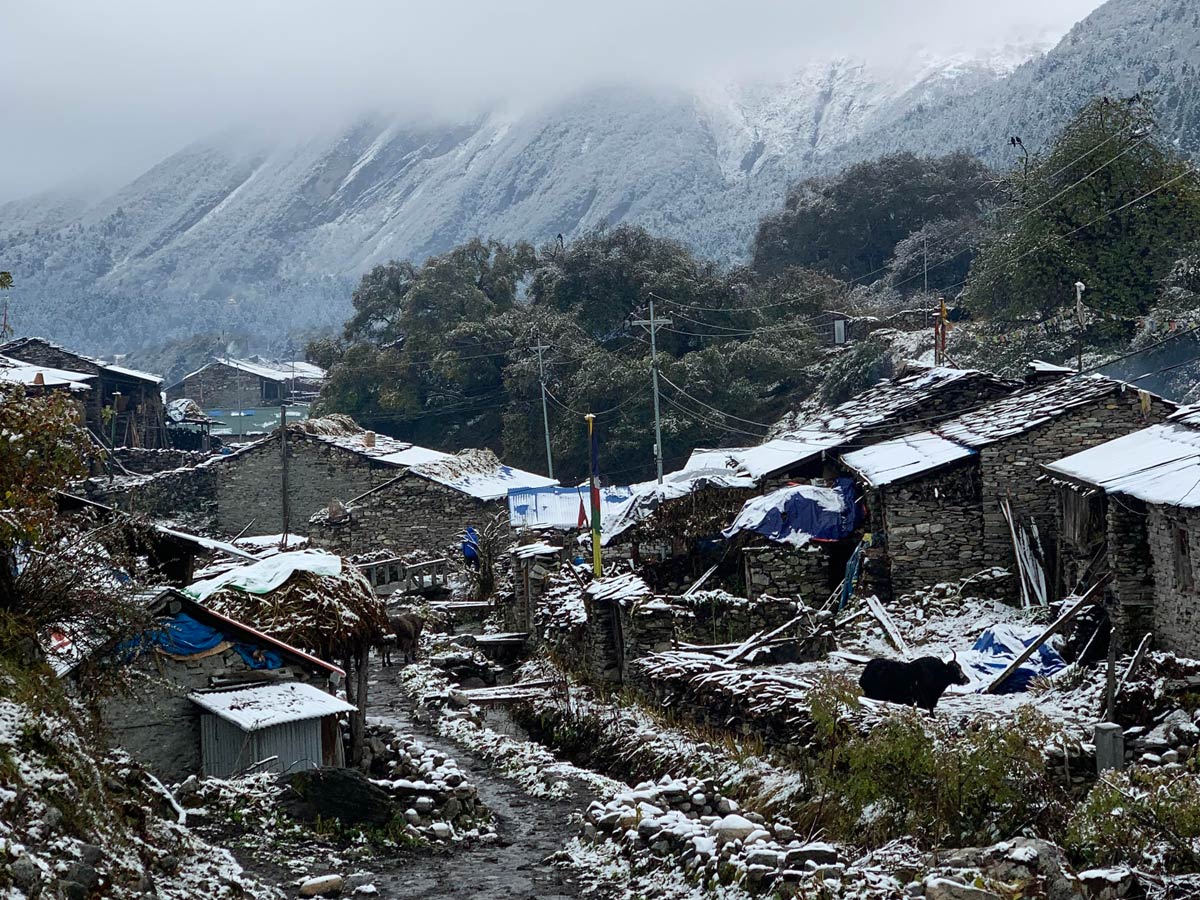
In high alpine sections near Larkya La Pass, daytime temperatures can range from -10°C (14°F) to 5°C (41°F), particularly during windy mornings and cloudy conditions.
Nighttime temperatures during winter are extremely cold at higher elevations. In lower and mid-altitude villages, nighttime temperatures generally range from 0°C (32°F) to -8°C (18°F).
At higher elevations above 3,500 meters (11,482 ft), nighttime temperatures can drop between -20°C (-4°F) and -10°C (14°F), especially around Dharamsala and near Larkya La Pass.
Advantages of Winter Manaslu Circuit Trekking
Winter on the Manaslu Circuit is genuinely beautiful at lower and mid-elevations. The trails below Samagaon are largely snow-free and the views of Manaslu and surrounding peaks against crisp winter skies are extraordinary.
Teahouse costs are sometimes lower in winter. The lower gorge sections of the Budhi Gandaki Valley, typically hot and humid in spring and summer, become perfectly temperate and pleasant walking country in winter.
- One of the most remote winter trekking experiences available in Nepal.
- Exceptional clarity of mountain views at lower and mid-altitude in dry, crisp winter air.
- Low teahouse costs and no need to book accommodation in advance.
- Lower gorge sections are dry and temperate, making for very pleasant walking conditions.
- Dramatic snow-covered landscapes create outstanding photography opportunities at accessible elevations.
Challenges of Winter Trekking in the Manaslu Region
The challenges of winter trekking on the Manaslu Circuit are serious and must not be underestimated. Larkya La Pass is frequently impassable in winter due to extreme snowpack and wind chill temperatures that can be genuinely life-threatening.
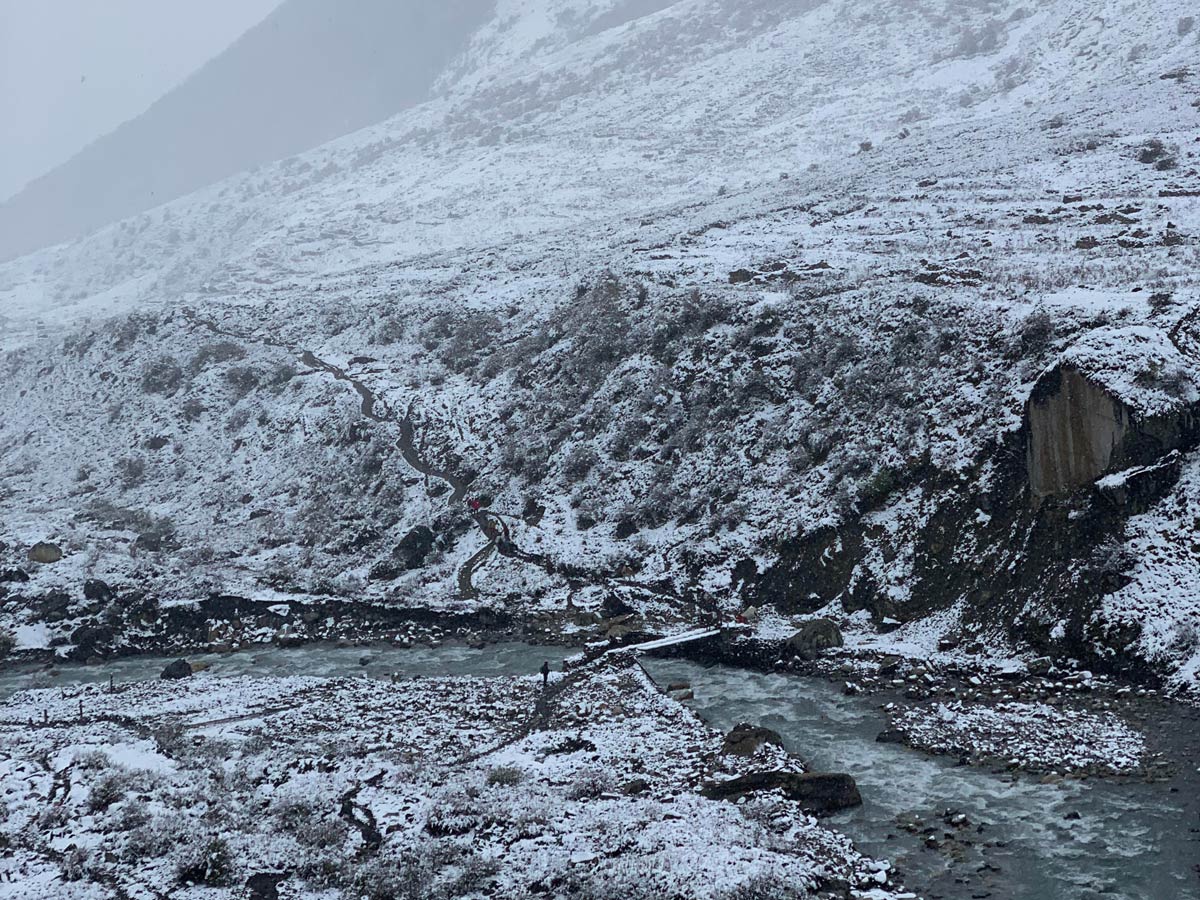
Even at mid-altitude villages like Samdo and Dharamsala, temperatures can drop to extremes that require high-specification cold-weather clothing and sleeping equipment.
Besides this, there might be an increased risk of avalanche due to the unpredictable weather. The trekkers might also experience medical challenges like frost bites or other inconvenience due to the extreme cold. Some of the teahouses or lodges might be closed or limited due to the extreme weather.
Who Should Choose Winter for the Manaslu Circuit Trek
Winter on the Manaslu Circuit is suited exclusively to experienced high-altitude trekkers and mountaineers who have completed multiple Himalayan treks in cold conditions, carry professional-specification cold-weather gear, and fully understand that the Larkya La Pass crossing may need to be abandoned depending on conditions.
It suits trekkers seeking solitude, winter landscapes, and quieter trails and the photographers looking for snow-covered Himalayan scenery may also find Manaslu Trekking during winter highly rewarding.
Manaslu Circuit Trek in Monsoon Season (June/July/August/Mid-September): Off-Season Himalayan Experience
The monsoon season brings frequent rainfall, cloudy skies, and humid conditions to much of Nepal, including lower sections of the Manaslu region. Rivers become stronger, forests turn deep green, and waterfalls increase throughout the valleys.
Although monsoon is considered the off-season for trekking, some trekkers still choose this period for quieter trails and lush scenery.
Rainfall during the monsoon season in Manaslu Circuit trek is heavier in lower elevations, while higher alpine regions receive comparatively less precipitation.
Monsoon Weather Patterns and Temperatures on the Manaslu Circuit Trek
The monsoon season comes with frequent rainfalls, cloudy skies, and lush green landscapes to the Manaslu Circuit Trek.
The lower sections of the Manaslu trail receive heavy rainfall during June, July, and August, while higher alpine areas experience comparatively cooler and less humid conditions. Weather during monsoon can change quickly, especially during afternoons and evenings.
During the daytime, lower altitudes temperatures generally range from 18°C (64°F) to 28°C (82°F). The average daytime temperature in these lower sections is around 23°C (73°F) during the monsoon season.
As you move toward higher villages the daytime temperatures become cooler and usually range between 10°C (50°F) and 20°C (68°F). In higher alpine sections near Larkya La Pass, daytime temperatures generally range from 5°C (41°F) to 15°C (59°F), depending on rainfall, cloud cover, and wind conditions.
Nighttime temperatures generally range from 12°C (54°F) to 18°C (64°F) in lower and mid-altitude villages. At higher elevations at an altitude of over 2500 meters (8202 ft), the nighttime temperatures can drop between -2°C (28°F) and 5°C (41°F), especially during rainy and windy nights.
Advantages of Trekking the Manaslu Circuit During Monsoon
Despite the weather challenges, monsoon trekking offers a unique Himalayan experience. The hills become vibrant and green, while the trails remain relatively empty compared to peak seasons.
- Extraordinarily lush, vivid green landscape in the lower valleys, with dramatic waterfalls and rivers running full.
- Upper sections above Samagaon sit in a rain-shadow zone and often receive significantly less precipitation than lower areas.
- One of Nepal’s least-crowded trekking experiences in monsoon season.
- Warmer temperatures at high altitude, making the Larkya La Pass crossing less bitterly cold.
- Lower teahouse rates and no accommodation pressure.
Manaslu Circuit Monsoon Trekking Challenges
The challenges of monsoon trekking on the Manaslu Circuit are real and require honest acknowledgement. Lower trail sections are frequently muddy, slippery, and in places actively washed out.
The trail damage from monsoon flooding is a recurring issue on the Budhi Gandaki gorge sections. Leeches are abundant in the lower forest sections from June through August, which some trekkers find a significant deterrent.
Landslides are a genuine hazard on the lower and mid-altitude sections of the circuit, sections of trail can be blocked for hours, and river crossings can become dangerous during periods of heavy rain.
Another challenge during the monsoon Manaslu Circuit trek is that mountain views are often obscured by clouds throughout the season, especially at lower altitudes, limiting visibility and reducing the chances of clear Himalayan panoramas.
Who Should Choose Monsoon for the Manaslu Circuit Trek
Monsoon trekking on the Manaslu Circuit is suited to experienced trekkers who are specifically drawn to the rain-shadow upper valley experience, are comfortable with wet and muddy trail conditions, and actively enjoy the lush monsoon landscape.
It is best for budget-conscious trekkers who want the Manaslu Circuit experience at the lowest possible cost.
Botanists, wildlife enthusiasts, and photographers interested in monsoon landscape aesthetics will find the season rewarding. Also, the trekkers with highly flexible schedules who can wait out weather delays without a fixed return flight deadline will manage monsoon disruptions most successfully.
Tips for Choosing the Best Time for Manaslu Circuit Trek
When the right season for Manaslu Circuit Trek is chosen, it is genuinely one of the most important decisions you’ll make in planning the trek. Here’s a concise set of tips drawn from the realities of trekking this specific route:
- Choose spring or autumn for the most stable weather and best mountain views.
- Avoid peak monsoon if you’re not comfortable with slippery trails and leeches.
- Always carry full rain gear, as rainfall can occur at any time.
- Take acclimatization day at Samagaon seriously to reduce altitude sickness risk.
- Expect colder nights at higher altitudes like Dharamsala, even in good seasons.
- Be prepared for basic teahouse facilities compared to more developed routes like Everest.
- Start your Larkya La Pass crossing early (around 4 to 5 AM) to avoid afternoon weather.
- Choose a high-quality sleeping bag (we provide you with a sleeping bag for rent).
- Trek with a licensed guide, as independent trekking is not allowed in the Manaslu region.
- Start your days early to avoid afternoon winds and unpredictable weather.
- Keep a flexible itinerary to adjust for weather or trail conditions.
Which Season Is Best for Manaslu Circuit Trek?
Spring and Autumn are the two best overall seasons for the Manaslu Circuit Trek, and among them, October holds a slight edge for sheer conditions, the clearest views, the driest trails, and the best overall Larkya La Pass crossing window make it the single most reliable month on the calendar for this route.
If you’re an experienced trekker who wants something beyond the peak seasons, late November delivers dramatic cold-weather beauty with fewer crowds. Late September gives you nearly peak-season conditions at noticeably lower crowd density.
And the monsoon above Samagaon in July or August offers a quietly extraordinary experience for those willing to work through the challenges of the lower trail to reach it.
Regardless of the season you pick, be sure to go with adequate preparation and planning so that you can truly enrich the memories of the beautiful and serene Manaslu region.