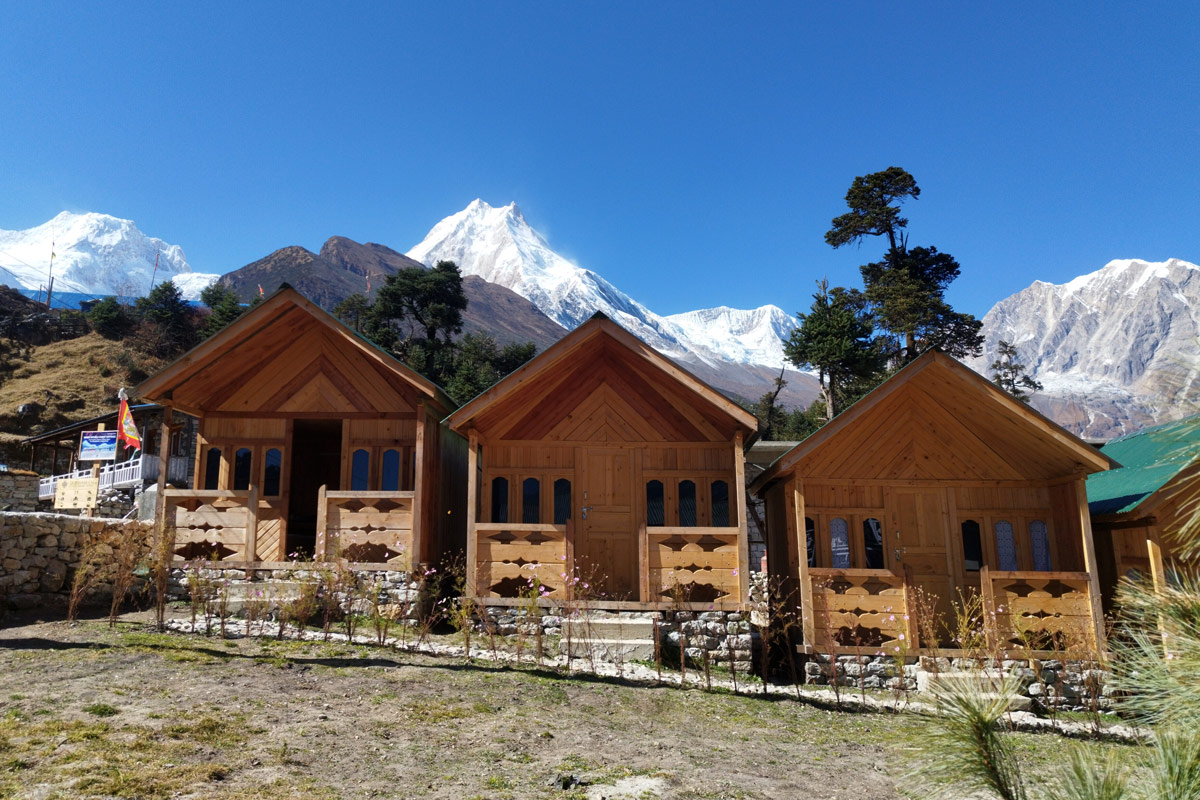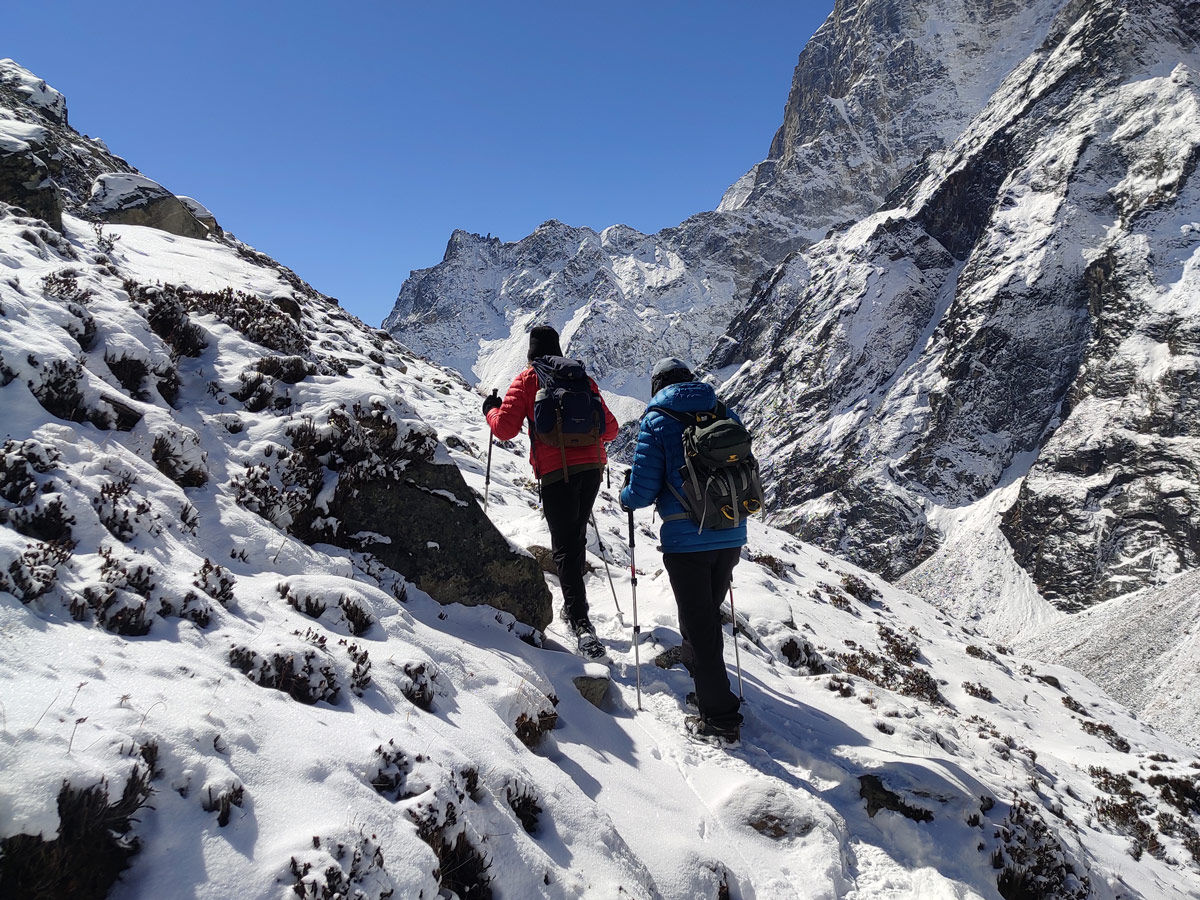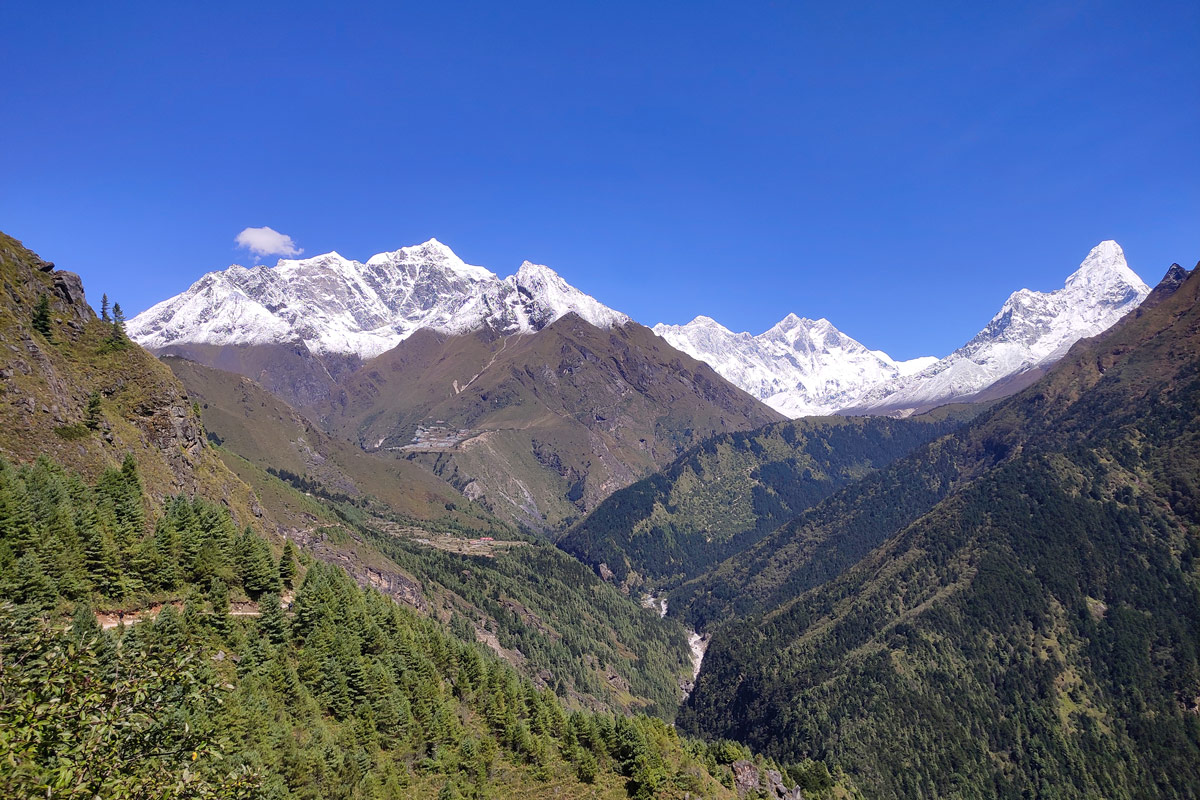



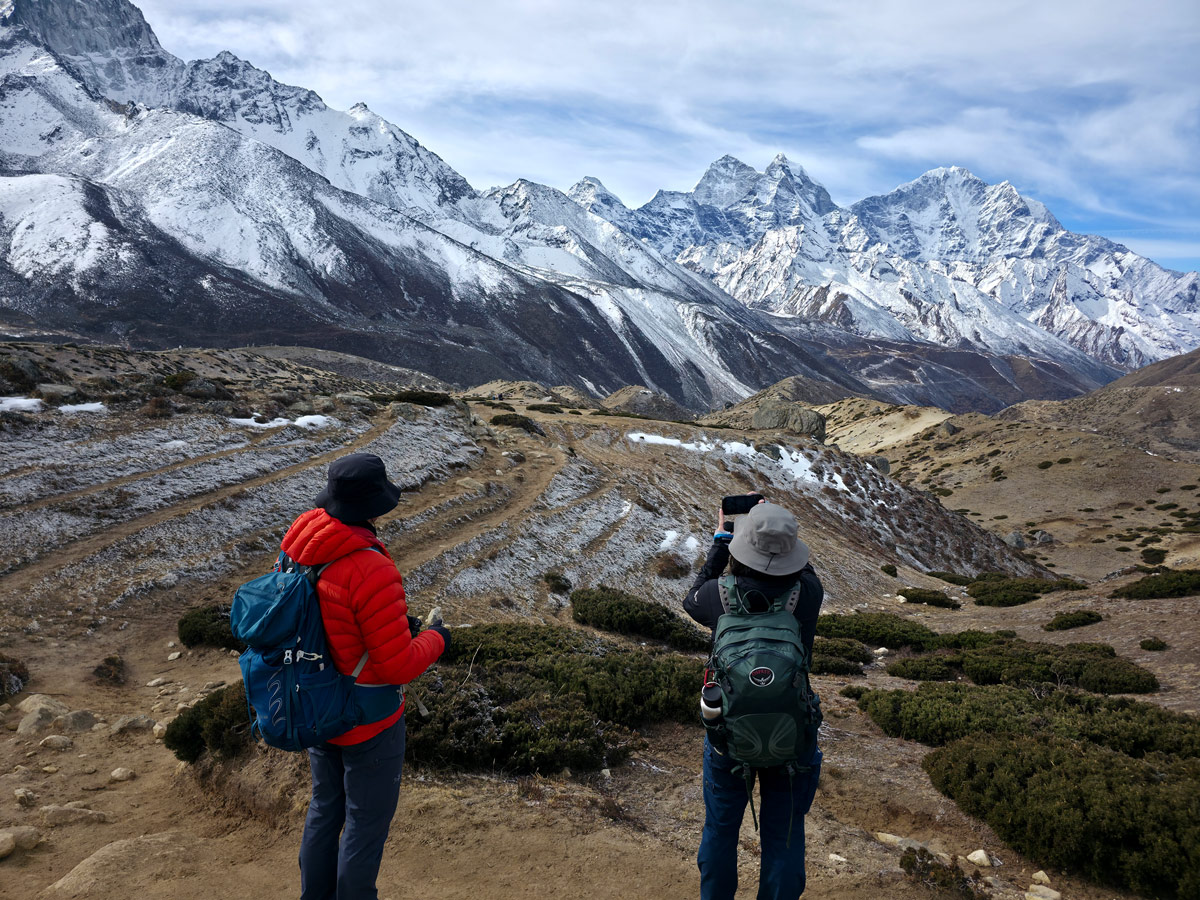
Have you ever wondered what it actually feels like to stand high in the Himalayas, surrounded by snow-capped peaks, with every breath reminding you that you are far above sea level?
Many trekkers preparing for adventures like the Everest Base Camp Trek, Annapurna Circuit Trek, or Manaslu Circuit Trek spend months researching altitude sickness and acclimatization. Yet no amount of reading can fully prepare you for what altitude feels like when you are actually there.
The truth is that altitude affects everyone differently. Some trekkers feel strong and energetic at 4,000 meters, while others notice headaches and fatigue much earlier. It does not matter whether you are a marathon runner, a weekend hiker, or a first-time trekker. Once you enter the high Himalayas, the mountain sets the rules.
Why Altitude Feels Different in the Himalayas
The air does not actually run out as you climb higher. The percentage of oxygen stays at roughly 21% whether you are in Kathmandu or at Kala Patthar. What changes is atmospheric pressure.
As you gain elevation, air pressure drops, meaning fewer oxygen molecules hit your lungs with each breath. Your body responds by breathing faster, pumping blood harder, and over time producing more red blood cells to carry what oxygen is available.
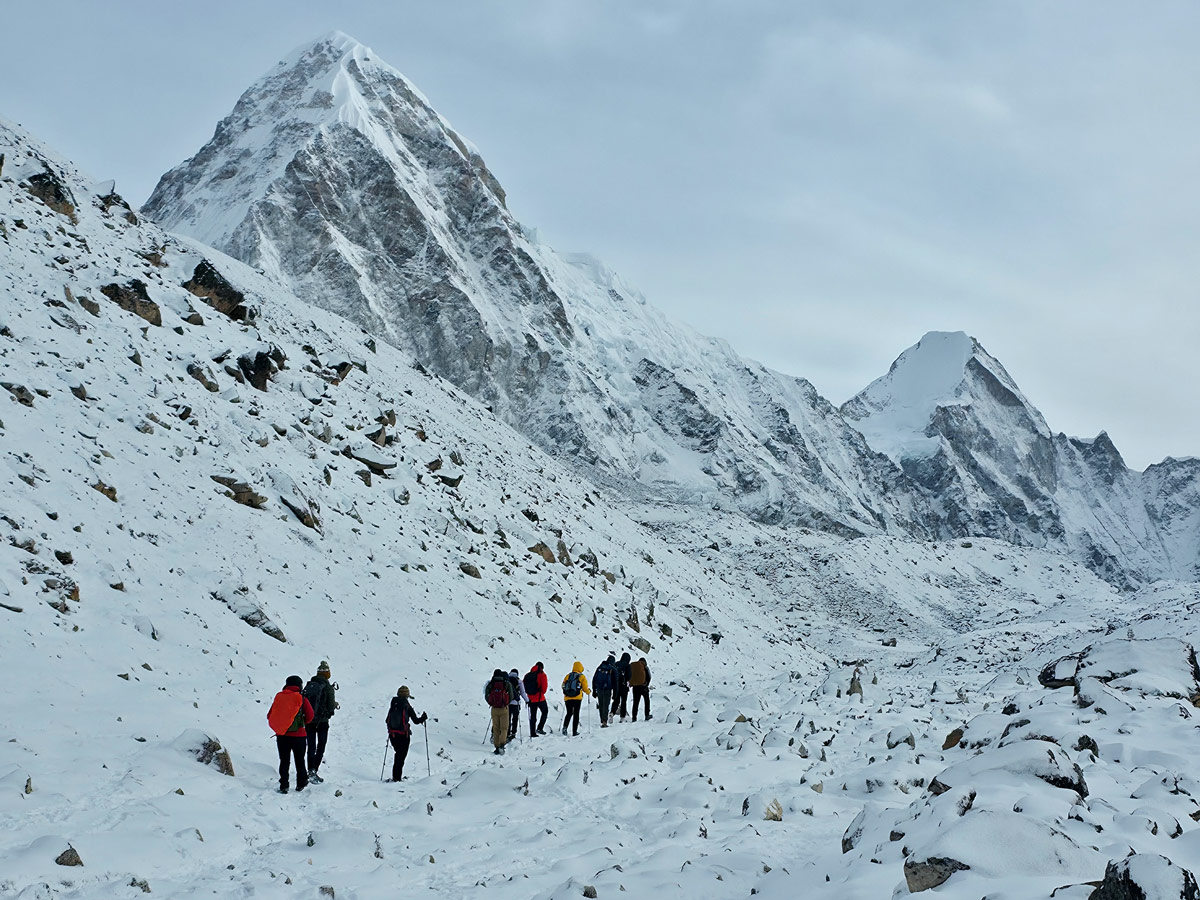
Fitness helps on long uphill days, but altitude sickness is not a fitness test. It is biological. Your body’s ability to acclimatize is largely genetic, and no amount of training at sea level can fully prepare your red blood cells for the thin air of the Himalayas.
The Golden Rule: Climb High. Sleep Low. Go Slow.
Altitude Summary at a Glance
The table below summarizes how altitude affects the human body across eight key elevation zones, from the first foothills to extreme high-altitude peaks.
| Altitude Range | O₂ / Air Pressure | SpO₂ (Approx.) | Key Body Symptoms | Popular Locations |
| 2,500–3,000m | ~74% of sea level | 90–95% | Slightly faster breathing, mild fatigue, increased thirst | Lukla, Ghorepani, Namrung, Chame |
| 3,000–3,500m | ~70% of sea level | 85–92% | Noticeable breathlessness on uphills, mild headache, lighter sleep | Namche Bazaar, Langtang Village, Upper Pisang, Lho |
| 3,500–4,000m | ~64% of sea level | 80–88% | Persistent breathlessness, low-grade headache, finger swelling | Tengboche, Kyanjin Gompa, Manang, Samdo |
| 4,000–4,500m | ~60% of sea level | 75–85% | Slower pace, disrupted sleep, heavy fatigue, dry lips | Dingboche, Thorong Phedi, Dharmasala |
| 4,500–5,000m | ~53% of sea level | 70–80% | Very slow pace, talking causes breathlessness, cognitive slowing | Gokyo, Lobuche, trekking peak camps |
| 5,000–5,500m | ~50% of sea level | 65–75% | Every step deliberate, heart rate elevated at rest, extreme fatigue | Everest Base Camp, Thorong La, Gokyo Ri |
| 5,500–6,000m | ~47% of sea level | 60–70% | Extreme fatigue, cognitive impairment, high HACE/HAPE risk | Kala Patthar, Island Peak BC, Mera Peak high camps |
| Above 6,000m | <43% of sea level | <65% | Life-threatening without O₂, laboured breathing even at rest | Island Peak summit, Mera Peak summit |
From 2,500m to 3,000m: The Journey Begins
Hiking between 2,500m and 3,000m is where the Himalayas start to feel truly different. For many trekkers, this is where the adventure begins. In this range, your body begins to work harder, your senses sharpen, and the landscape takes on a new journey.
What Your Body Feels
Most healthy travelers feel relatively comfortable between 2,500m and 3,000m. However, you may notice:
- Slightly faster breathing during uphill sections
- Increased thirst and need for hydration
- Mild fatigue at the end of long trekking days
- Faster heartbeat during physical activity
- Generally comfortable for most healthy trekkers
Oxygen Levels at This Altitude
At 2,500m to 3,000m, atmospheric pressure is approximately 74% of sea level, meaning your lungs receive roughly 74% of the oxygen available at sea level with each breath. Blood oxygen saturation (SpO2) typically reads between 90% and 95% on a pulse oximeter.

This is enough for most people to feel near-normal, but the body has quietly begun compensating by increasing breathing rate and heart rate. The drop is subtle but real, and it sets the stage for everything that follows as you climb higher.
Mental & Emotional Experience
Most trekkers feel relatively normal here. The mountain scenery becomes dramatic, with dense forests, suspension bridges, and distant snow-capped peaks. This is where the sense of true adventure begins.
Acclimatization is underway but not yet critical. Hydrate well, avoid alcohol, eat nutritious meals, and resist the urge to push too hard in the opening days of trekking.
Popular Trekking Locations
- Lukla (2,840m) — starting point of the Everest Base Camp Trek
- Ghorepani (2,874m) — on the Annapurna Base Camp Trek route
- Namrung (2,630m) — on the Manaslu Circuit Trek
- Chame (2,670m) — on the Annapurna Circuit Trek
Tips for This Zone
- Drink at least 3 to 4 litres of water daily
- Avoid alcohol on the first two days of trekking
- Walk at a comfortable and conversational pace
- Do not rush to gain elevation quickly
From 3,000m to 3,500m: Your Body Notices the Change
Oxygen levels decrease noticeably between altitude of 3,000m to 3,500 m, and your body starts working harder to adapt. While many trekkers still feel comfortable at this altitude, it is often the point where breathing becomes heavier during climbs and the first mild effects of altitude may appear.
What Your Body Feels
This is the zone where altitude stops being subtle. You’ll likely notice:
- Noticeable breathlessness when climbing uphill sections
- Mild persistent headache, especially toward the end of the day
- Reduced appetite and smaller portion sizes feel more manageable
- Sleep may feel lighter with occasional night-time walking
- Steeper steps feel surprisingly challenging
Oxygen Levels at this Altitude
Between 3,000m and 3,500m, atmospheric pressure drops to around 70% of sea level. SpO2 readings commonly fall to 85% to 92%, and most trekkers begin to consciously notice their breathing.
The body responds by increasing breathing rate, and the heart works harder to circulate oxygen-carrying red blood cells. While still manageable for most, this is the zone where the difference between a well-acclimatized trekker and a rushed one starts to show.
Mental & Emotional Experience
By 3,000 meters many trekkers become more aware of their breathing. High-altitude villages have a character unlike anything lower on the trail. The world up here feels different in ways that are hard to put into words.
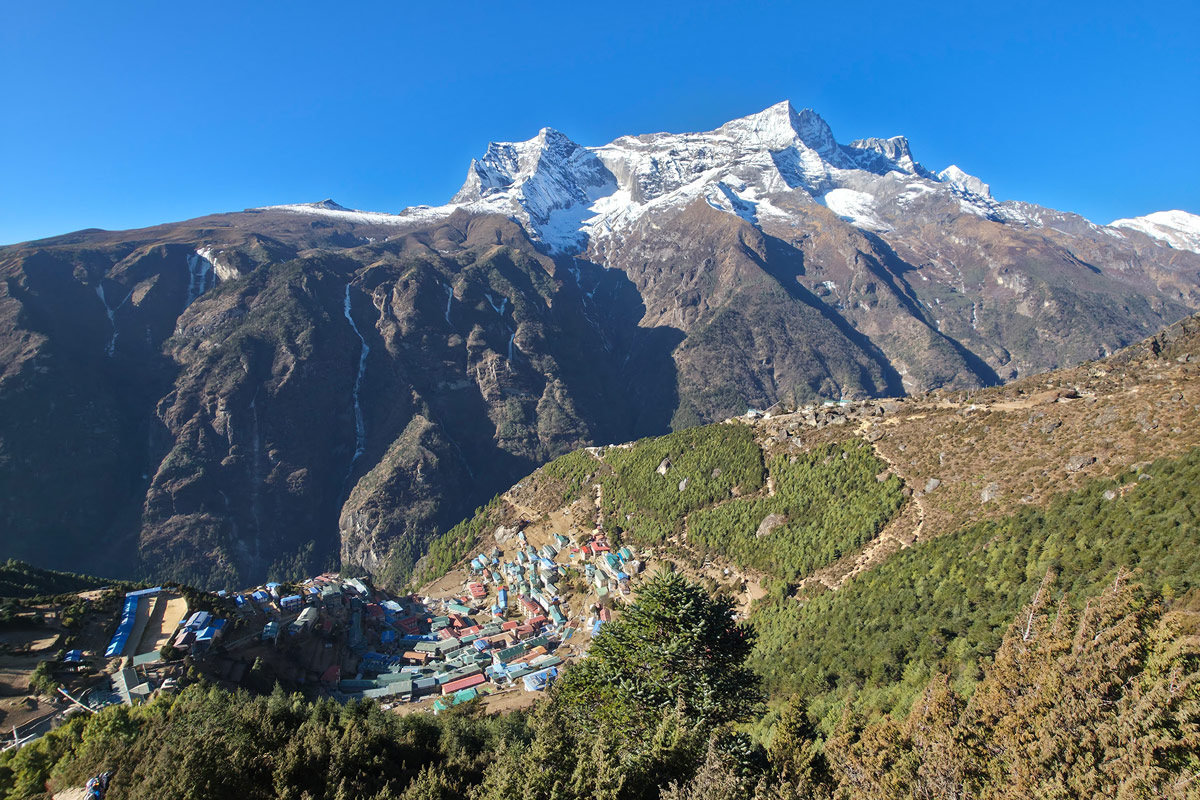
This is the zone where first-time trekkers truly realize what high altitude means. Namche Bazaar, sitting at 3,440m, is where most EBC trekkers have their first mandatory acclimatization day. It is a good introduction to what lies ahead.
Popular Trekking Locations
- Namche Bazaar (3,440m) — the gateway to the Everest region
- Langtang Village (3,430m) — on the Langtang Valley Trek
- Upper Pisang (3,300m) — on the Annapurna Circuit Trek
- Lho (3,180m) — on the Manaslu Circuit Trek
Tips for This Zone
- Follow your guide’s acclimatization schedule without skipping rest days
- Eat even when appetite is low, your body needs fuel
- Take ibuprofen or paracetamol for mild headaches
- Monitor symptoms and report any worsening to your guide
From 3,500m to 4,000m: Above the Tree Line
For many trekkers, this is where the mountains start to feel truly high. The air becomes thinner, climbs feel more demanding, and proper pacing and acclimatization become essential.
At the same time, the scenery grows more dramatic, making every step feel even more rewarding.
What Your Body Feels
- Persistent breathlessness even on flat trails
- Reduced appetite; food smells less appealing and portions feel too large
- Low-grade headache that does not fully resolve with water and rest
- Unusual fatigue that a full night’s sleep does not entirely fix
- Slight swelling in fingers or face in the mornings
- First real appearance of Acute Mountain Sickness (AMS) for susceptible trekkers
Oxygen Levels at this Altitude
At 3,500m to 4,000m, atmospheric pressure is approximately 64% of sea level. SpO2 readings often dip to 80% to 88%, and the body is now in active acclimatization mode.
AMS becomes a real risk for those who have ascended too quickly. A healthy SpO2 at this range is typically above 80% at rest; anything consistently below that warrants close monitoring.
Mental & Emotional Experience
The landscape shifts dramatically above 3,500m. Forests give way to rocky open terrain and a sky that seems impossibly wide. Many trekkers describe this as the point where the trek becomes a genuine expedition.
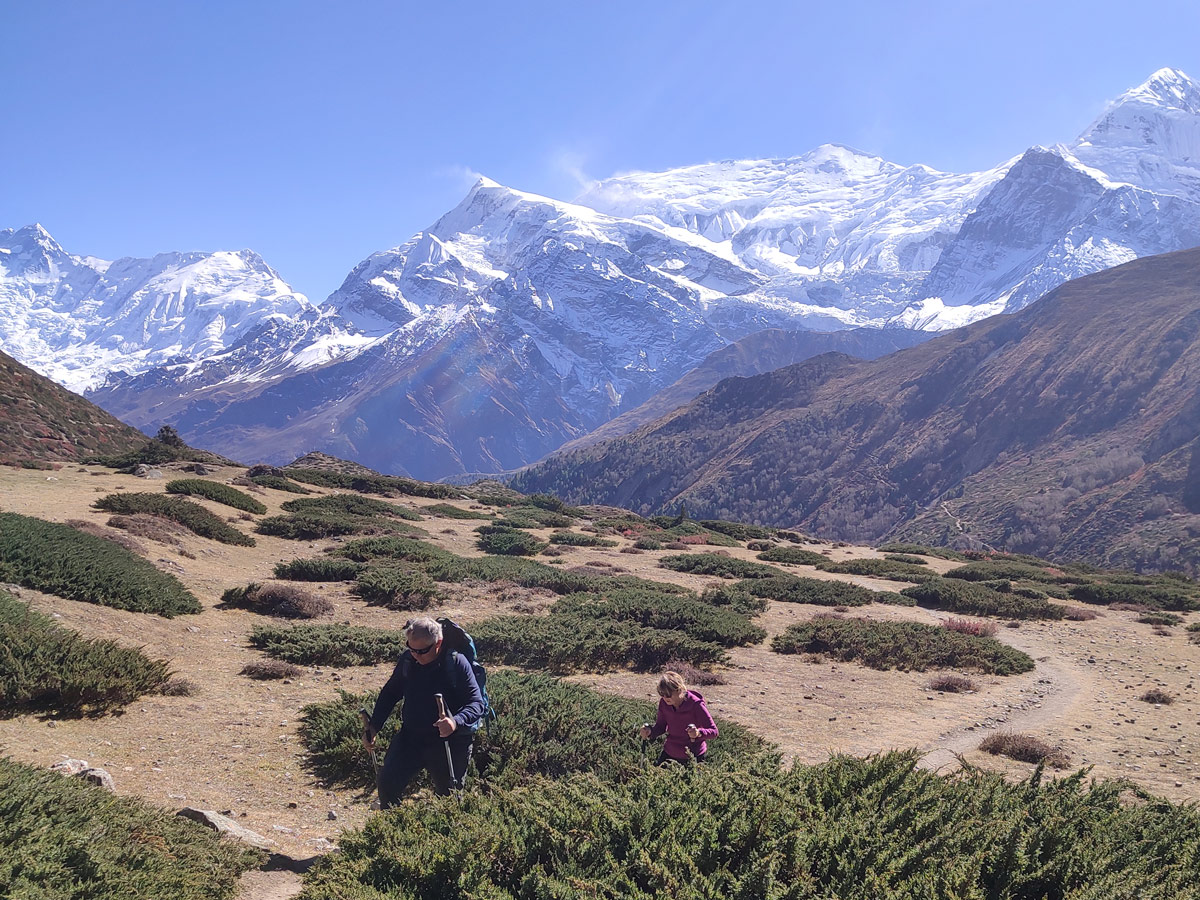
AMS at this elevation feels like a bad hangover: throbbing head, nausea, dizziness, and a general desire to lie very still. It is important not to dismiss these signs or push through them.
Acclimatization days become non-negotiable above 3,500m. The classic protocol is to hike higher during the day and return lower to sleep, triggering red blood cell production without overtaxing the system.
Popular Trekking Locations
- Tengboche (3,860m) and Tengboche Monastery (3,867m) — Everest region
- Kyanjin Gompa (3,870m) — on the Langtang Valley Trek
- Manang (3,519m) — on the Annapurna Circuit Trek
- Samdo (3,875m) — on the Manaslu Circuit Trek
Tips for This Zone
- Never skip acclimatization days above 3,500m
- Use the hike-high, sleep-low protocol every chance you get
- Monitor SpO2 with a pulse oximeter
- Descend immediately if symptoms worsen rather than improve
From 4,000m to 4,500m: Altitude You Cannot Ignore
By the time you reach this elevation, the effects of thinner air become much more noticeable in your daily trekking routine.
Activities that once felt simple, such as climbing a short hill or carrying your backpack, can require significantly more effort.
What Your Body Feels
- Noticeably slower walking speed even on gentle terrain
- Frequent deep breathing to compensate for thin air
- Severe fatigue that accumulates across days
- Significant reduction in appetite
- Dry and cracked lips and throat
- Difficult and disrupted sleep with frequent waking
Oxygen Levels at This Altitude
At 4,000m to 4,500m, you are breathing air at roughly 60% of sea-level pressure. SpO2 readings typically range between 75% and 85% at rest, and it is normal for readings to drop further during physical exertion.
Many trekkers notice that even lying still requires conscious, deliberate breathing at times. Using a pulse oximeter daily becomes essential here.
Mental & Emotional Experience
Around 4,000m, altitude starts affecting emotions as well as the body. Some trekkers feel unusually reflective. Others become moved by Himalayan sunrises or standing beneath towering peaks in ways they did not expect. This is partly physical exhaustion and partly the effect of being immersed in one of the most extraordinary environments on Earth.
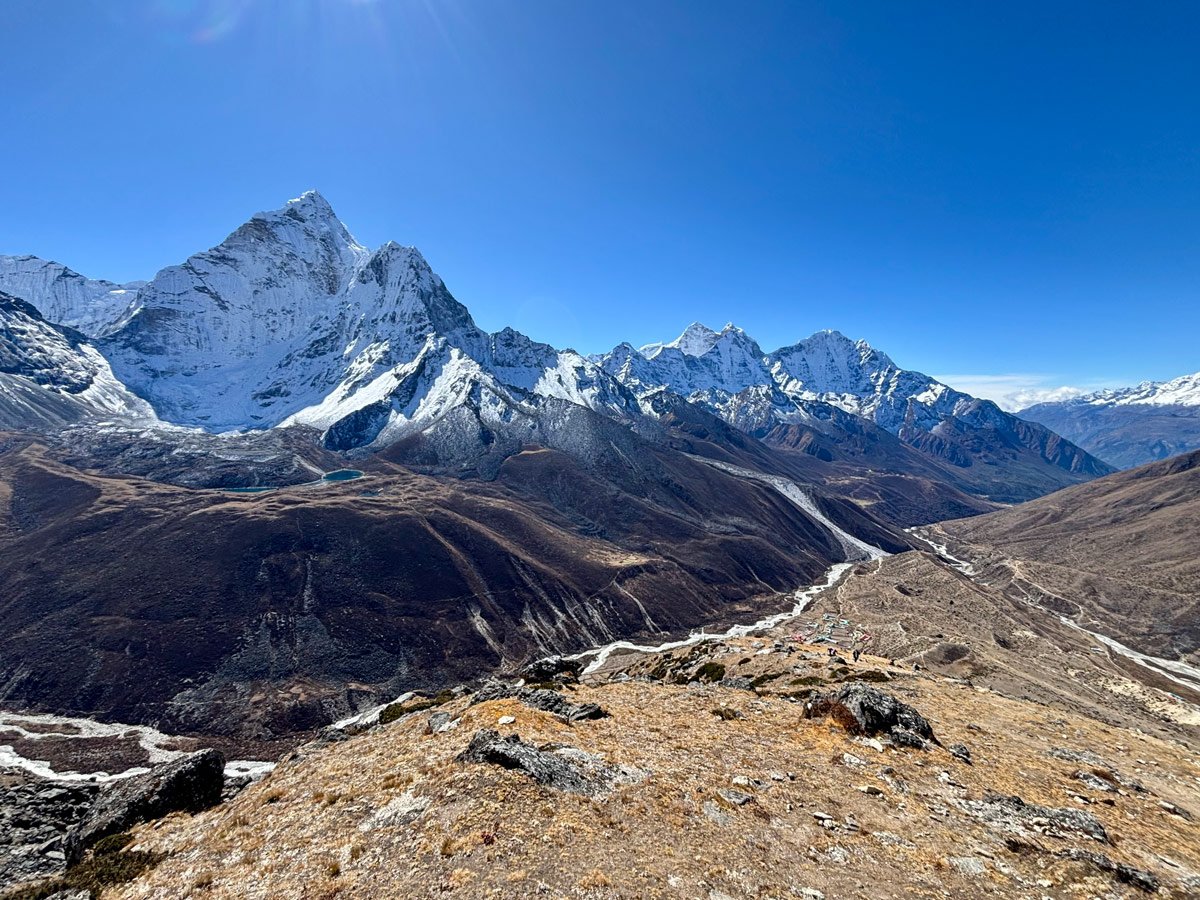
Sleeping above 4,000m is a genuinely different experience. It is common to wake multiple times, have vivid dreams, and feel short of breath when lying down. Even after a full night in the sleeping bag, mornings can feel unrested.
Sleep with your head slightly elevated, avoid sleeping pills which suppress the breathing drive, and stay hydrated before bed. It is a normal part of high-altitude trekking.
Popular Trekking Locations
- Dingboche (4,410m) — a key acclimatization stop on the Everest Base Camp Trek
- Thorong Phedi (4,450m) — the base before Thorong La Pass on the Annapurna Circuit
- Dharmasala (4,460m) — high camp on the Manaslu Circuit Trek
Tips for This Zone
- Sleep with your head slightly elevated to ease breathing
- Avoid sleeping pills at all altitudes above 4,000m
- Accept that your pace will be slower and plan extra time for each day
- Communicate clearly with your guide about how you feel each morning
From 4,500m to 5,000m: Serious Himalayan Territory
At elevations above 4,500m, the air becomes noticeably thinner, and your body must work much harder to perform even the simplest tasks. While the scenery becomes increasingly spectacular, you will eventually push yourself up for the the demanding physical challenge.
What Your Body Feels
- Noticeably slow walking pace with frequent rest breaks
- Conversations become shorter because speaking while walking causes breathlessness
- Frequent deep and deliberate breathing at all times
- Increased fatigue with difficult recovery after steep sections
- Dry throat and chapped lips
- Cognitive processing becomes slightly slower
Oxygen Levels at This Altitude
At 4,500m to 5,000m, the air contains roughly 53% of sea-level oxygen pressure. SpO2 readings often sit between 70% and 80%, and the body must work hard to deliver oxygen to muscles and vital organs.
Your body is prioritizing oxygen delivery, which is why non-essential functions like digestion and higher cognitive tasks feel slower. This is one of the most physiologically demanding zones for human beings who have not spent extended time acclimatizing.
Mental & Emotional Experience
Trekkers often describe the sensation as constantly walking uphill even on flat ground, or moving through thick air. Yet despite the challenge, this is often where trekkers experience some of the most memorable moments of their journey: first light on the high peaks, ancient glaciers, and a silence that words cannot fully capture.
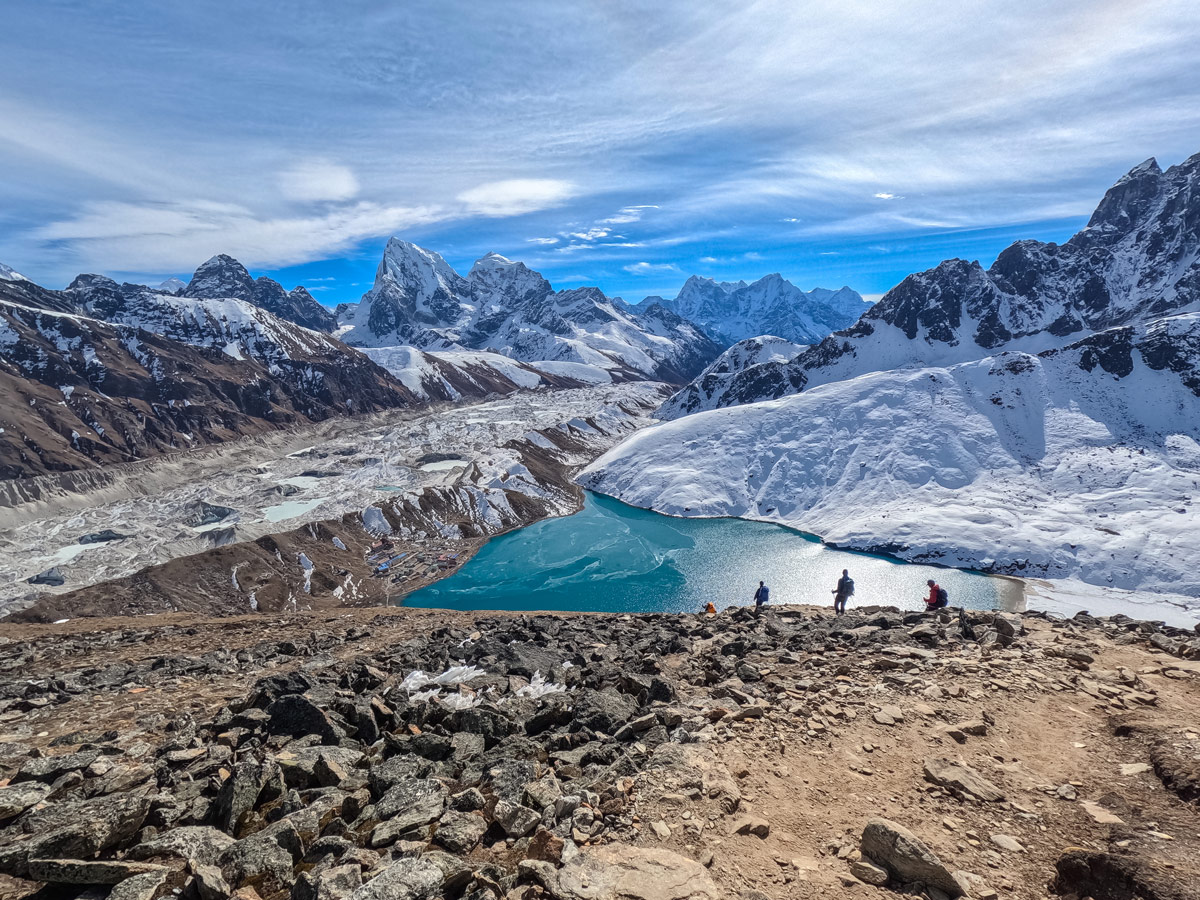
By this altitude you have left most vegetation far behind. The landscape is dominated by glaciers, rocky moraines, and snow-covered summits. The environment feels remote and raw. Every day carries the weight and privilege of a genuine expedition.
Popular Trekking Locations
- Gokyo (4,800m) — a famous lake village on the Gokyo Lakes Trek
- Lobuche (4,910m) — on the Everest Base Camp Trek approach
- High camps on various Himalayan trekking peaks
Tips for This Zone
- Walk in a slow, steady rhythm: step, breathe, step, breathe
- Never rush or try to match a faster trekker’s pace
- Carry high-energy snacks and eat small amounts frequently
- Check your oxygen level in a pulse oximeter daily with assist of your guide
From 5,000m to 5,500m: The Iconic Summit Zone
Crossing the 5,000m mark is a major milestone for many trekkers. This is where some of Nepal’s most iconic trekking destinations and climbing objectives are found.
Reaching an elevation of 5,000m to 5,500m often feels both exciting and humbling, as the surrounding peaks appear closer and more dramatic than ever before.
What Your Body Feels
At above 5,000m, the air pressure is significantly lower due to which your body feels harder breathing.
- Every movement becomes intentional and deliberate
- Simple tasks such as tying boots or packing a bag require extra effort
- Step-breathe-step rhythm becomes the only natural walking pattern
- Physical performance is significantly reduced
- Heart rate remains elevated even at rest
- Short of breath during conversation
Oxygen Levels at This Altitude
Above 5,000m, atmospheric pressure is approximately 50% of sea level. SpO2 readings commonly fall between 65% and 75%. At sea level, doctors would consider an SpO2 below 90% a medical concern.
At 5,000m, the acclimatized trekker’s body has adapted to function at these lower levels, but the margin for error is thin. Every major organ is working harder than normal. The slightest additional stress, such as ascending too quickly or getting cold overnight, can tip the balance toward altitude sickness.
Mental & Emotional Experience
Crossing 5,000m is a milestone that feels both exhilarating and humbling. Trekkers who reach Everest Base Camp or Kala Patthar describe a powerful combination of exhaustion and joy. The surrounding peaks appear closer and more dramatic than at any point below.
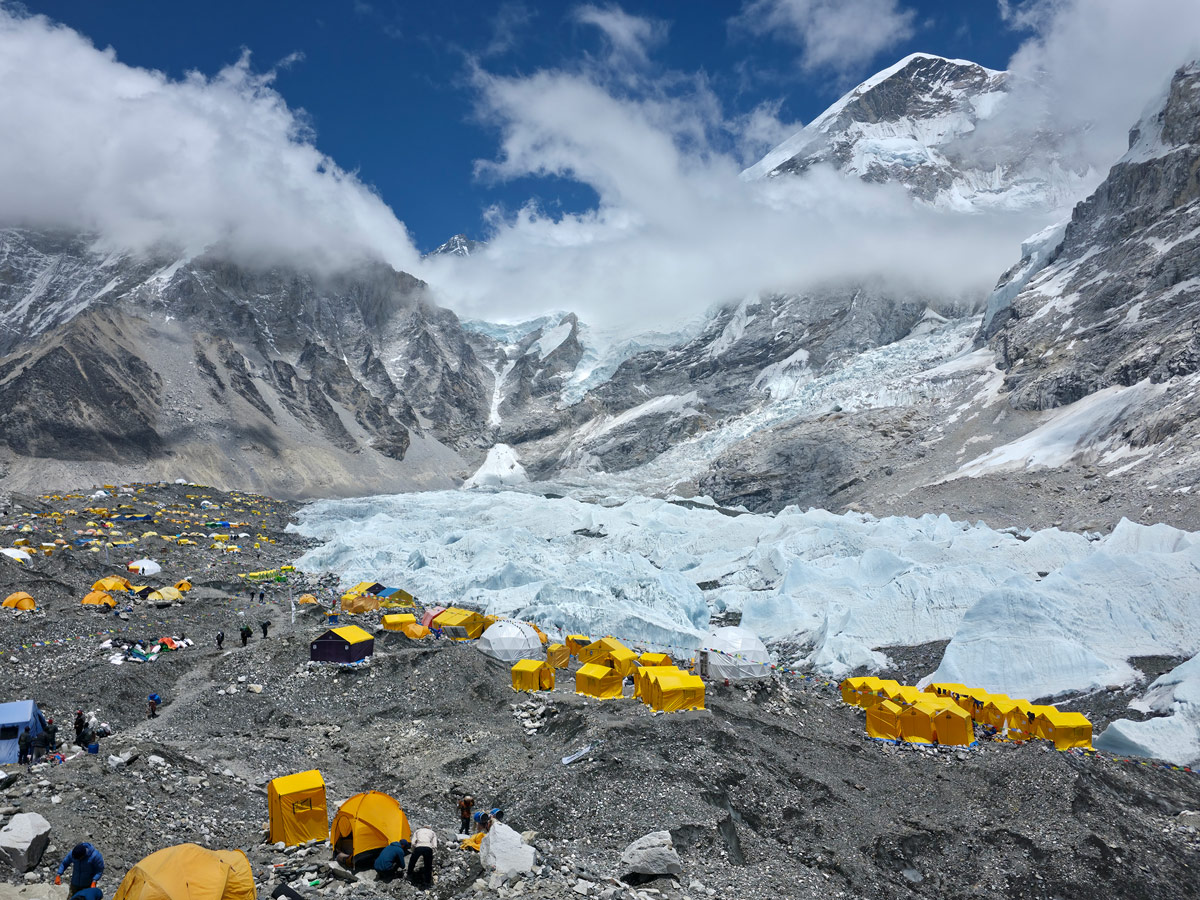
At above 5,000m, having an experienced, certified high-altitude guide is not optional. Guides trained in wilderness first aid, equipped with pulse oximeters and supplemental oxygen, and familiar with evacuation protocols are essential companions at this elevation.
Popular Trekking Locations
- Everest Base Camp (5,364m) — the most famous trekking destination in the world
- Kala Patthar (5,555m) — the highest trekking point on the EBC route
- Gokyo Ri (5,357m) — panoramic viewpoint above Gokyo village
- Thorong La Pass (5,416m) — the high crossing on the Annapurna Circuit
- Cho La Pass (5,420m) — on the Three Passes Trek
Tips for This Zone
- Move very slowly and rest before you feel you need to
- Stay together as a group and watch others for confusion or stumbling
- Descend immediately at any sign of HACE or HAPE
- Celebrate reaching your destination, but prioritize a safe descent
From 5,500m to 6,000m: The Edge of Trekking Limits
Above 5,500 meters, the effects of altitude become impossible to ignore. Every step requires greater effort, recovery becomes slower, and even simple tasks can feel exhausting.
What Your Body Feels
- Extreme fatigue at all times, including at rest
- Noticeable cognitive impairment and slower decision making
- Risk of High-Altitude Cerebral Edema (HACE) increases significantly
- Risk of High-Altitude Pulmonary Edema (HAPE) increases significantly
- Physical performance is severely limited
- Sleep is extremely difficult and rarely restorative
Oxygen Levels at This Altitude
Between 5,500m and 6,000m, atmospheric pressure is approximately 47% of sea level. SpO2 readings typically range from 60% to 70%. As a result, you may feel extremely tired, short of breath, and slower both physically and mentally.
The risk of serious altitude illnesses increases significantly, making proper acclimatization and close monitoring essential.
Mental & Emotional Experience
At 5,500m to 6,000m you are at the very edge of what the human body can safely sustain without extended acclimatization or supplemental oxygen. The rewards are extraordinary: views that almost no human has ever witnessed. But the risks demand serious preparation, experienced guides, and the firm willingness to turn back.
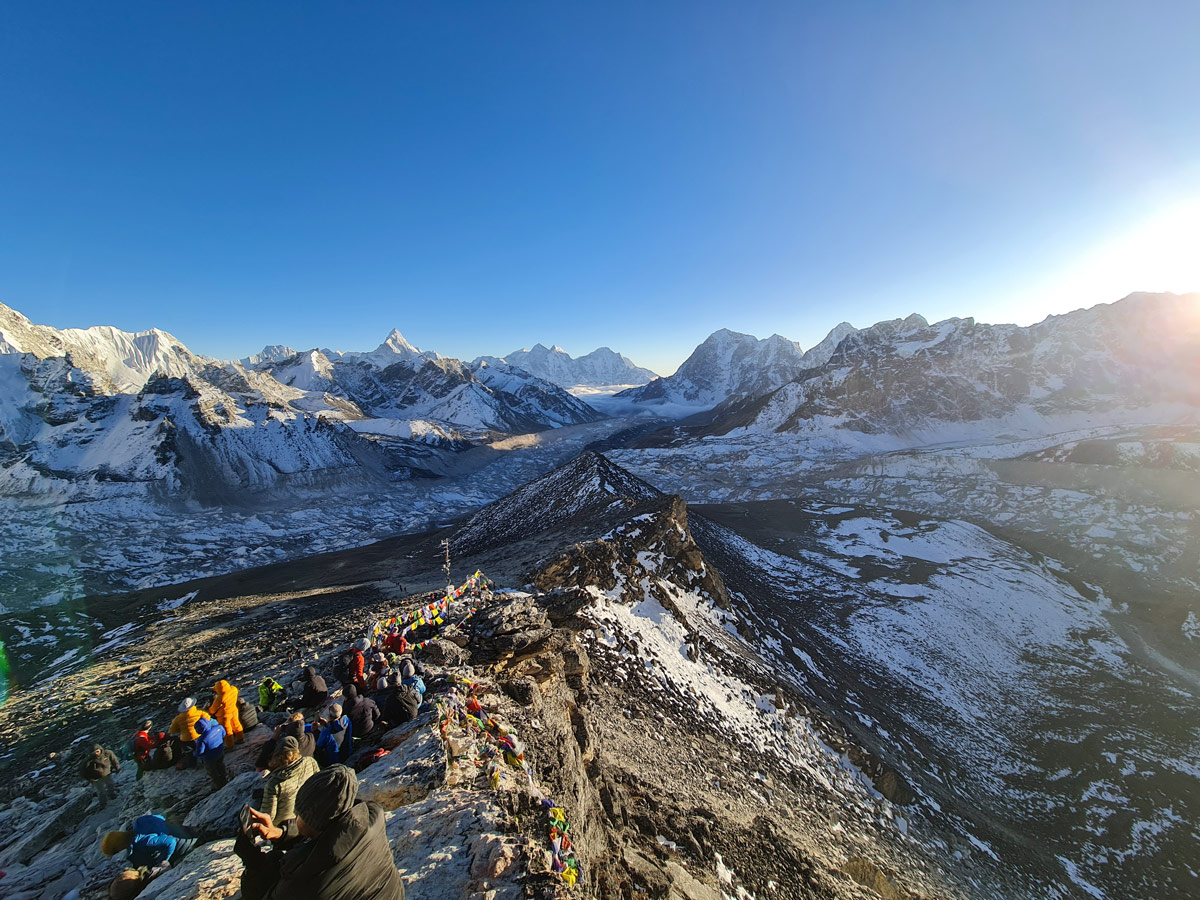
Only trekkers with significant high-altitude experience and proper technical training should venture into this zone. Guided peak climbing expeditions with certified guides, wilderness medical training, and proper equipment are the only appropriate way to operate here.
Popular Trekking Locations
- Island Peak Base Camp (approximately 5,800m)
- Mera Peak high camp and approaches
- Advanced mountaineering approach routes for technical Himalayan climbs
Tips for This Zone
- This zone requires full mountaineering equipment and technical skills
- Supplemental oxygen should be considered and carried
- Never enter this zone without a certified high-altitude guide
- Turn back at the first sign of HACE or HAPE without hesitation
Beyond 6,000m: Extreme High Altitude
Above 6,000 meters is equally and more demanding than 5,000 meters altitude, the human body is pushed close to its limits. Every step feels more demanding, recovery takes longer, and even routine tasks can require considerable effort.
At these elevations, proper acclimatization and careful monitoring of your condition become essential.
What Your Body Feels
- Breathing is laboured and constant even at rest
- Every movement is a supreme physical effort
- Prolonged exposure is life-threatening without supplemental oxygen
- Hallucinations and severe cognitive impairment are possible
- The summit death zone begins above 8,000m
- Recovery between exertions is extremely slow
Oxygen Levels at This Altitude
Beyond 6,000m, atmospheric pressure falls below 43% of sea level. SpO2 without supplemental oxygen can drop below 65%, and in some individuals even lower during exertion. The human body cannot fully acclimatize to these elevations; it can only deteriorate more slowly.
Even elite mountaineers experience rapid physiological decline at these altitudes without supplemental oxygen. For trekking peak summits like Island Peak and Mera Peak, most climbers ascend rapidly from high camps to minimize time spent in this extreme zone.
Mental & Emotional Experience
Beyond 6,000 meters the Himalayas belong to a small fraternity of trained mountaineers. For those who summit Island Peak or Mera Peak through a properly organized expedition, the experience is one of the most intense and rewarding achievements a person can undertake.
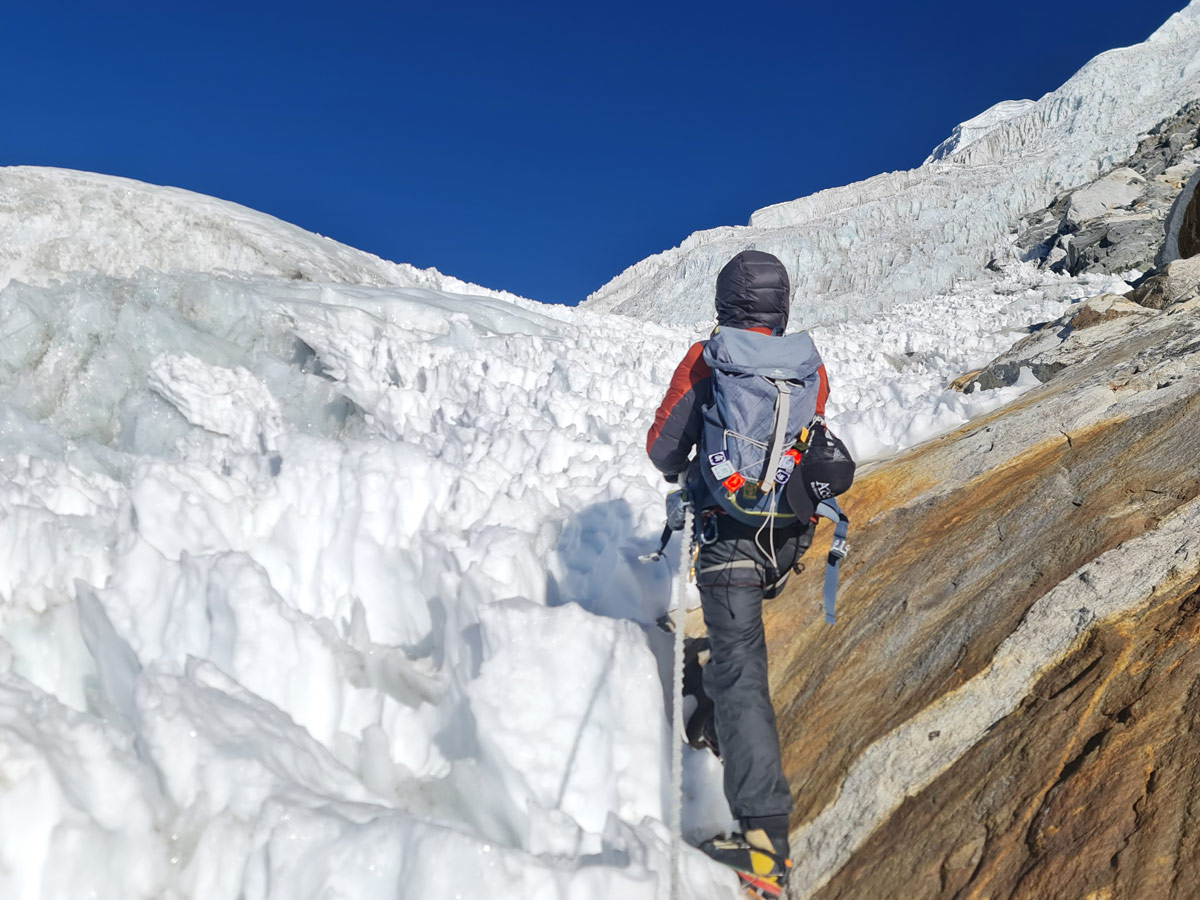
Reaching these elevations requires months of preparation, acclimatization rotations, technical climbing skills, and the guidance of experienced Himalayan climbing guides. It is not a place for improvisation. But for those who prepare properly and follow the mountain’s rules, the rewards are beyond description.
Popular Trekking Locations
- Island Peak summit (6,187m) — Nepal’s most popular trekking peak summit
- Mera Peak summit (6,470m) — the highest trekking peak in Nepal
- Lower flanks of Everest, Lhotse, Cho Oyu, and other 8,000m peaks
Tips for This Zone
- Only attempt via a fully organized, guided climbing expedition
- Complete all required acclimatization rotations before summit attempts
- Carry supplemental oxygen and know how to use it
- Accept that weather and conditions have the final say on any summit bid
Altitude Sickness: Warning Signs You Must Know
Altitude sickness is one of the most discussed topics in Himalayan trekking, yet many people are unsure what it actually feels like until they experience it.
Early Warning Signs
- Headache that gets worse with exertion
- Mild nausea or loss of appetite
- Fatigue that feels disproportionate to effort
- Difficulty sleeping, frequent waking
- Slight dizziness when standing quickly
Symptoms You Should Never Ignore
- Headache that does not respond to ibuprofen, hydration, or rest
- Vomiting, not just nausea
- Loss of coordination: stumbling or difficulty walking straight
- Confusion or unusual behaviour
- Breathlessness at rest
- Cough that produces pink or frothy mucus
When to Descend
The rule is simple: if symptoms are getting worse rather than better after a rest day and hydration, descend. Even 300 to 500 meters of descent can bring dramatic relief. Never ascend with symptoms, and never let pride or your itinerary override what your body is telling you. The mountain will be there next year.
When You Trek Matters: Seasonal Altitude Experience
Spring (March to May)
Spring is the most beautiful time to trek in Nepal. Hillsides below 3,500m burst with rhododendron blooms. Temperatures at altitude are cold but manageable, and summit windows open on the great peaks.
Autumn (September to November)
Autumn is the golden standard of Nepal trekking seasons. Post-monsoon skies are crystal clear, mountain views are sharp and unobstructed, and the air at altitude carries a crispness that makes every step feel like a privilege.
Winter (December to February)
Winter trekking above 4,000m means brutal cold, snowbound high passes, and far fewer crowds. It is raw, quiet, and deeply rewarding for prepared trekkers.
Monsoon (June to August)
Monsoon is challenging on classic routes due to leeches, landslides, and cloud-covered views. Rain-shadow regions such as Upper Mustang and Manang shine during this season.
Final Thoughts: The Mountain Sets the Rules
The Himalayas are one of the few places on Earth where nature reminds us to slow down. Altitude does not care about your age, nationality, fitness level, or trekking experience. It affects everyone differently, and that is what makes high-altitude adventures both challenging and profoundly rewarding.
The secret to a successful Himalayan trek is not conquering the mountain. It is learning to work with it. Walk slowly. Stay hydrated. Follow your guide’s advice. Respect acclimatization days. Most importantly, listen to your body. If you do, you will discover that altitude is not something to fear but simply part of the incredible journey that makes trekking in the Himalayas so unforgettable.
Frequently Asked Questions
At what altitude do most people start feeling effects?
Most trekkers begin to notice mild altitude effects between 2,500m and 3,000m, often as a slight headache or disrupted sleep. Noticeable symptoms typically become more pronounced above 3,500m.
Can physically fit people get altitude sickness?
Absolutely. Altitude sickness is not a fitness issue. It is a physiological response to reduced air pressure that can affect anyone regardless of athletic ability. Proper acclimatization is the only reliable protection.
Which treks reach altitudes above 5,000m?
The Everest Base Camp Trek, Three Passes Trek, Annapurna Circuit Trek, Gokyo Lakes Trek, Island Peak Climbing, Mera Peak Climbing, and Lobuche Peak Climbing all exceed 5,000m.
What does 5,000m altitude actually feel like?
At 5,000m every step is deliberate. Your body moves in slow motion. Cognitive processing slows, muscles fatigue faster than expected, and the combination of exhaustion and extraordinary beauty creates a paradox that most trekkers describe as the most intense experience of their lives.