

Bhutan is a small Himalayan kingdom nestled between India and the Tibet Autonomous Region of China, often described as “The Last Shangri-La.” For most travelers, it is a once‑in‑a‑lifetime destination, usually visited within a limited window of precious holiday time.
Because of this, choosing the right time to visit Bhutan matters as much as choosing the itinerary itself. The season you travel affects everything from mountain visibility and road conditions to festival dates, trekking feasibility, and the overall atmosphere of your journey. A Bhutan tour in clear, flower‑filled April feels very different from one in misty July or crisp December.
For most travelers, the best time to visit Bhutan falls in March to May and September to November, when weather is generally clear, major festivals take place, and trekking conditions are at their most reliable.
However, Bhutan offers a distinct experience in every season, and the right time to travel ultimately depends on what you want to see, do, and feel during your journey.
This guide explains when to visit Bhutan based on seasons, months, and travel styles, so you can match your dates to the kind of experience you want—whether that is a cultural journey, a trekking adventure, or a quieter escape with fewer visitors.
Bhutan Through the Seasons
Although each valley has its own microclimate and altitude, it is still helpful to think of Bhutan in four broad seasons: spring, summer or monsoon, autumn and winter.
The weather in Bhutan changes quickly because valleys sit at different altitudes.
Each has a distinct feel and offers different advantages depending on what kind of journey you are looking for, depending on whether you want enchanting festivals, clear Himalayan views, lush scenery, or immersive cultural travel
Spring (March to May): Blossom, Festivals and Gentle Warmth
Spring, from March to May, is one of the most popular times to visit Bhutan. As winter fades and the snowline gradually retreats, the country emerges into a season of gentle warmth, fresh landscapes, and renewed energy.
Daytime temperatures typically range between 12–22°C (54–72°F), making sightseeing comfortable across western and central valleys. Evenings cool down to around 3–10°C (37–50°F), especially in Paro and Thimphu, where a light fleece or jacket is usually enough.
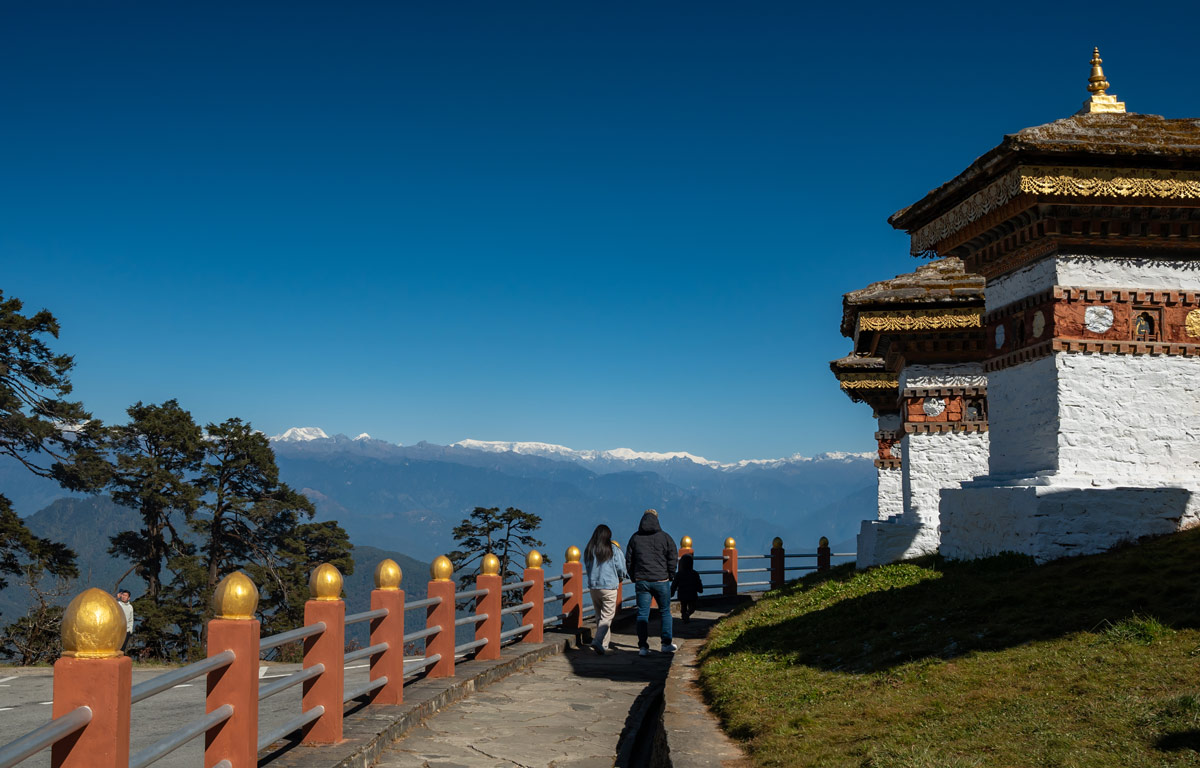
This is when Bhutan feels especially vibrant. Hillsides around Dochula Pass, Gangtey, and other mid-altitude regions burst into bloom with rhododendrons, magnolias, and spring flowers.
Clear, soft light enhances views of monasteries, prayer flags, and mountain ridges, creating some of the most photogenic conditions of the year.
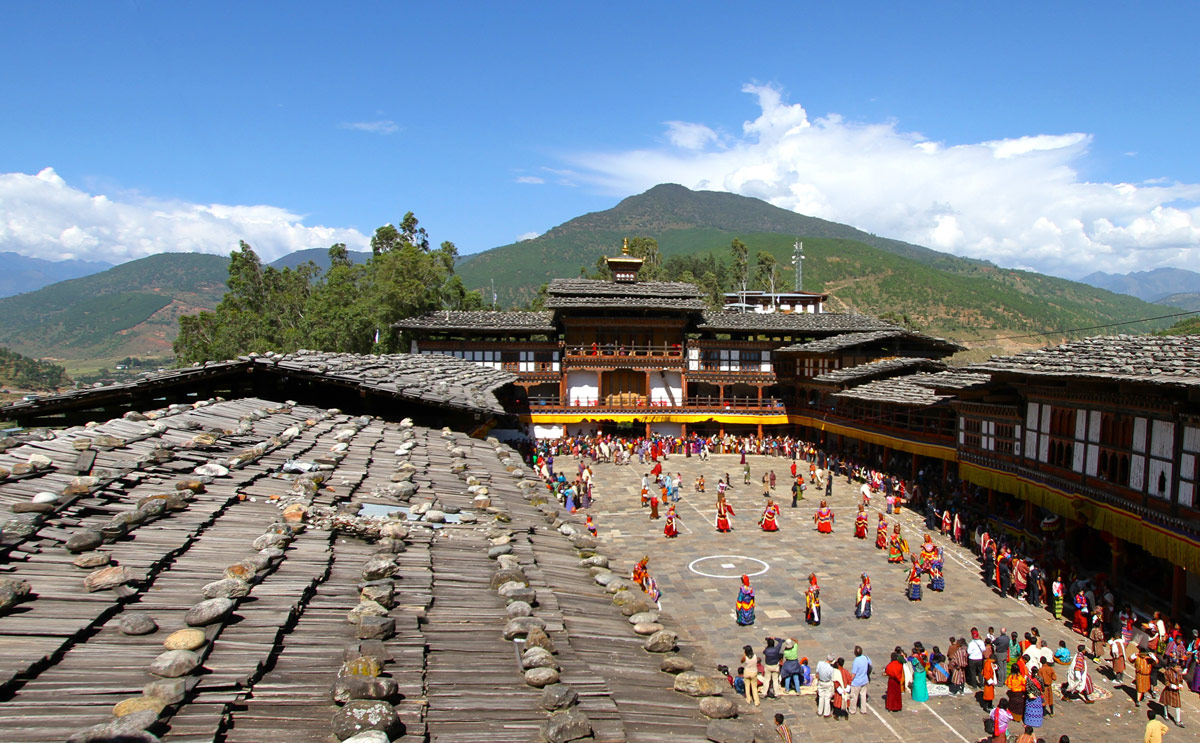
Spring is also closely linked with Bhutan’s festival calendar. Paro Tshechu, usually held in March or April, fills the valley with color, music, and movement as locals gather in traditional dress and monks perform sacred mask dances.
Combining festival experiences with highlights such as the Tiger’s Nest (Taktsang) hike, Punakha Dzong, and time in Thimphu makes spring particularly appealing for first-time visitors seeking a rich introduction to Bhutan.
Why Spring is the Best Time to Visit Bhutan
Spring offers some of the most balanced travel conditions in Bhutan. As winter fades, days become pleasantly warm without the intense heat or heavy rain of later months.
Sightseeing in Paro and Thimphu is comfortable, evenings remain cool, and the landscape is at its most photogenic with fresh greenery, soft light, and blooming rhododendrons and magnolias.
Spring Activities: Treks, Festivals, and Cultural Experiences
- Blossom walks and scenic drives around mid-altitude areas such as Dochula Pass and Gangtey, where rhododendrons and magnolias brighten forest trails.
- Festival experiences including Paro Tshechu (often March/April) and Punakha Tshechu, with sacred mask dances, monks in ceremonial dress, and lively dzong courtyards.
- Classic cultural circuit for first-time visitors combining the Tiger’s Nest (Taktsang) hike, Punakha Dzong, and relaxed exploration of Thimphu, often covered in journeys like the Bhutan Vistas Tour.
- Trekking and hiking as spring marks the return of reliable trekking conditions with clear skies and comfortable temperatures.
Summer and Monsoon (June to August): Green, Moody and Atmospheric
Summer in Bhutan, from June to August, coincides with the monsoon season and transforms the landscape into its lushest, most dramatic state. Valleys turn a deep emerald green, rivers swell with snowmelt and rain, and waterfalls cascade down almost every mountainside.
Temperatures remain moderate, especially in central and western valleys, but humidity rises as the season progresses. Showers are frequent, particularly in July and early August, and cloud cover often rolls in and out throughout the day, creating constantly shifting light and mood.
While this season is less reliable for clear Himalayan views, it offers a quieter, more intimate side of Bhutan. Cultural exploration, village life, and slow travel take center stage, making summer well-suited to travelers who value atmosphere, greenery, and flexibility over classic mountain panoramas.
Why Summer and Monsoon Is a Beautiful Time to Visit Bhutan
Summer coincides with the monsoon, bringing frequent rain, especially in July and early August. While mountain views are less reliable, the reward is a quieter Bhutan with lush green valleys, full rivers, and dramatic waterfalls.
This season suits travelers who value atmosphere, greenery, and cultural immersion over clear Himalayan panoramas.
Summer and Monsoon Activities: Culture, Valleys, and Slow Travel
- Scenic valley drives through lush landscapes where rice fields glow green, rivers swell, and waterfalls spill down hillsides after rainfall.
- Cultural immersion with dzong visits, monastery walks, local markets, and farmhouse experiences that can be adjusted around daily weather.
- Short, flexible hikes suited to valley walks rather than long high-pass treks.
- Photography-focused travel capturing misty forests, dramatic clouds, and cinematic light.
Note for trekkers: High and long trekking routes are less reliable. Trails can be muddy or slippery, and leeches are common in damp forest areas.
Autumn (September to November): Classic Views and Peak Trekking
Autumn, from September to November, is widely considered one of the best times to visit Bhutan. As the monsoon gradually retreats, the air clears, humidity drops, and the country settles into a rhythm of bright days and cool, comfortable nights.
This is when Bhutan’s landscapes feel open and expansive. Snow-capped peaks reappear on the horizon, high mountain passes become reliably accessible, and visibility is at its best across trekking routes and scenic viewpoints.
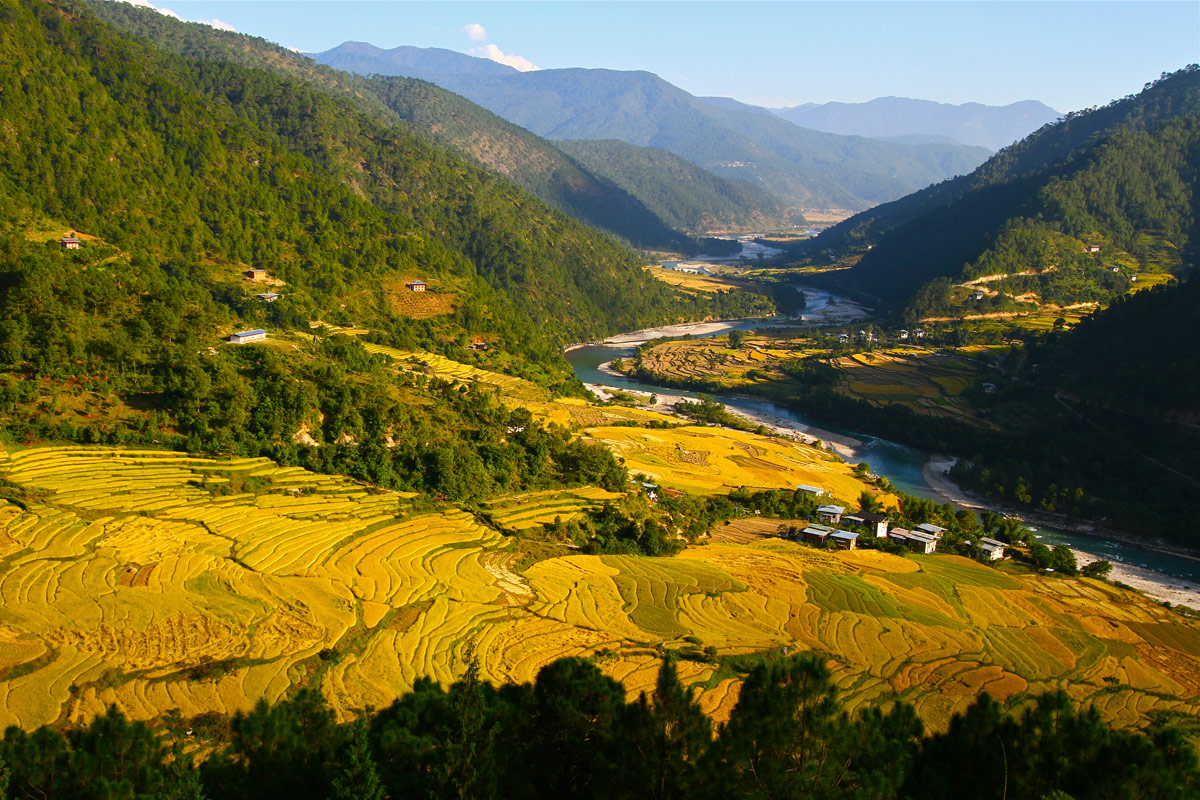
Autumn also brings a festive energy to the valleys. Harvest season turns rice fields golden, and major tshechus in Thimphu, Wangdue, and surrounding regions fill dzongs with color, music, and community life.
For travelers seeking a blend of culture, scenery, and serious trekking, autumn offers some of the most dependable conditions of the year.
Why Autumn Is the Best Time to Visit Bhutan
Autumn delivers some of Bhutan’s most reliable weather. As the monsoon withdraws, visibility improves, days are comfortable, nights are cool, and trekking routes across higher passes are consistently accessible. Golden rice fields and a festive atmosphere make this a favorite season for both cultural travel and trekking.
Autumn Activities: Peak Treks, Festivals, and Scenic Himalayan Highlights
- Multi-day trekking on Bhutan’s best routes with stable weather, clear skies, and open high passes, ideal for classic and high-altitude trekking itineraries.
- Iconic highlights combining the Tiger’s Nest (Taktsang) hike with mountain trekking and valley exploration in Punakha and Thimphu.
- Major festivals such as Thimphu Tshechu and Wangdue Tshechu, filling dzongs with color, music, and sacred mask dances.
- Seasonal scenery as rice fields turn golden and valleys feel bright and festive.
Winter (December to February): Quiet Temples and Crystal Skies
Winter in Bhutan, from December to February, is the quietest season for tourism, offering a calm and reflective travel experience. With the monsoon long gone, skies over western Bhutan are often clear, and mountain outlines appear crisp on bright winter days.
Daytime temperatures in Paro and Thimphu can still feel pleasant in the sun, though mornings and nights are cold and frequently drop below freezing. Lower valleys such as Punakha remain noticeably milder, making them ideal bases for winter exploration.
Although heavy snow limits access to very high passes and long alpine treks, winter is an excellent time for cultural travel. Dzongs and monasteries are uncrowded, village life moves at a slower pace, and unique seasonal highlights such as black-necked cranes in the Phobjikha Valley add depth to a winter journey.
Why Winter Is the Best Time to Visit Bhutan
Winter is calm, uncrowded, and often surprisingly rewarding, especially in western Bhutan after autumn moisture disappears. Days can feel pleasant in the sun, particularly in Paro, Thimphu, and Punakha, while nights are cold. This season suits travelers seeking peaceful temples, empty viewpoints, and a slower pace of travel.
Winter Activities: Quiet Dzongs, Valley Walks, and Rare Wildlife
- Peaceful sightseeing with uncrowded dzongs, monasteries, and viewpoints.
- Low-altitude exploration based in warmer valleys like Punakha, ideal for gentle walks and village visits.
- Wildlife experiences including black-necked cranes in the Phobjikha Valley from November to February.
- Clear winter views with crisp air and excellent visibility on bright days.
Note: Very high passes and long alpine treks are often limited by snow and cold.
Bhutan Weather by Month: How Bhutan Actually Feels
| Month | What to Expect |
| January | Crisp winter skies, frosty mornings in Paro and Thimphu, clear days, possible snow on high passes. Best for quiet temples and sharp mountain outlines. |
| February | Cold nights, slightly warmer days, longer daylight, and a subtle hint of spring. Ideal for travelers who enjoy stillness and clear light. |
| March | Start of spring with milder days, early flowers, and lively towns. Often coincides with Paro Tshechu. |
| April | One of the best months overall. Mild days, blooming rhododendrons, excellent sightseeing and moderate trekking conditions. |
| May | Warmer days and greener landscapes. Good for trekking before monsoon humidity increases later in the month. |
| June | Monsoon begins. Lush greenery, powerful rivers, frequent showers but rewarding scenery for flexible travelers. |
| July | Wettest and most humid month. Moody, atmospheric landscapes, but limited mountain views and slippery trails. |
| August | Continued monsoon with fewer visitors. Best for cultural travel and slow exploration rather than trekking. |
| September | Shoulder season. Early month may still see rain, but conditions improve steadily with clearer skies. |
| October | Best all-round month. Dry weather, crisp air, peak trekking season, and major festivals. |
| November | Clear skies, cool nights, harvest colors, and arrival of black-necked cranes in Phobjikha. |
| December | Quiet winter travel with cold mornings, sunny days in lower valleys, and peaceful monasteries. |
Best Time to Visit Bhutan for Different Travel Styles
If your main goal is culture and festivals, think of your calendar in terms of tshechus and the deeper reasons to travel Bhutan beyond just sightseeing. If trekking and hiking top your list, your best windows are late March to May and late September to early November.
Many travelers choose Bhutan tour packages that mix a few days of camping with several nights in comfortable hotels. If budget and fewer crowds matter most, consider travelling slightly outside the most famous festival dates.
Here are some activities you can plan in Bhutan based on your travel style, drawing from a wide range of experiences in Bhutan available throughout the year:
| Travel Style | Best Time | Examples |
| Cultural & heritage tours | March–May, September–November | Paro–Thimphu–Punakha circuit, dzongs, monasteries, markets, Bumthang temples |
| Festival-focused travel (Tshechus) | March–April, Sept–Oct | Paro Tshechu, Punakha Tshechu, Thimphu Tshechu, Wangdue Tshechu, and eastern Bhutan festivals covered in journeys like the Mongar and Trashigang Tour |
| Trekking & hiking | Late March–May, late Sept–early Nov | Tiger’s Nest hike, Druk Path Trek, Chomolhari Trek, Laya–Ghasa Trek |
| Nature & wildflowers | March–April | Rhododendrons around Dochula and Gangtey, spring walks in Phobjikha |
| Photography | Oct–Nov, Feb–Mar | Clear Himalayan views, festivals, autumn fields, winter silhouettes |
| Birdwatching & wildlife | Nov–Feb, Mar–May | Black-necked cranes in Phobjikha, spring birdlife |
| Rural village & farmstays | June–Aug, early Sept | Homestays, rice planting season, slow valley travel |
| Wellness & hot springs | Oct–Feb | Hot stone baths in Bumthang, hot springs around Gasa |
| Fewer crowds & value | Late Feb, early June, late Sept, early Dec | Quieter dzongs, better hotel availability |
Are There Months You Should Avoid Completely?
There are no months that must be avoided entirely, but some periods require more flexibility. Mid-July to mid-August, during the heart of the monsoon, is better suited to cultural travel and short, adaptable walks rather than high-altitude trekking. Likewise, attempting high mountain passes in the coldest winter weeks can lead to snow closures and itinerary changes.
Why Your Dates Matter for a Bhutan Tour
Choosing the right dates for a Bhutan tour directly shapes what you can realistically see and do.
- Weather and visibility: Bhutan’s altitude varies dramatically. The same day can feel cool in Paro and warm in Punakha. Spring and autumn offer the best balance of clear mountain views and comfortable walking conditions.
- Festivals: Major tshechus such as Paro Tshechu and Thimphu Tshechu follow the lunar calendar. If festivals matter to you, timing your trip around them is essential.
- Trekking feasibility: High-altitude treks like Jomolhari or Laya–Gasa require stable, dry conditions. Monsoon and deep winter can lead to closed passes or route changes.
- Availability and planning: Flights to Paro and top hotels fill quickly during peak seasons and festival periods. Choosing dates early gives you better options and flexibility.
In short, aligning your travel dates with your priorities ensures your Bhutan trip feels smooth, rewarding, and true to what you want to experience.
So, When Is the Best Time to Visit Bhutan?
Ultimately, the best time to visit Bhutan is the period when the character of the country aligns with what you personally want to experience.
For many people that will be March to May (spring) and September to November (autumn), with April and October sitting at the very center of that sweet spot.
For others, it might be a quiet week in January, with frost on the ground and blue sky above Punakha Dzong, or a moody, green July journey through mist-shrouded valleys.
Instead of worrying about whether you have picked the “right” month, you can relax into the journey, knowing that the timing of your trip has been chosen with intention and that the landscapes, festivals and people you encounter will reflect the season in a way that feels natural and authentic.
Once you know how each season feels, and let your Bhutan tour packages, whether cultural or trekking‑focused, bring that version of the country to life for your thrilling adventure or an immersive experience.