
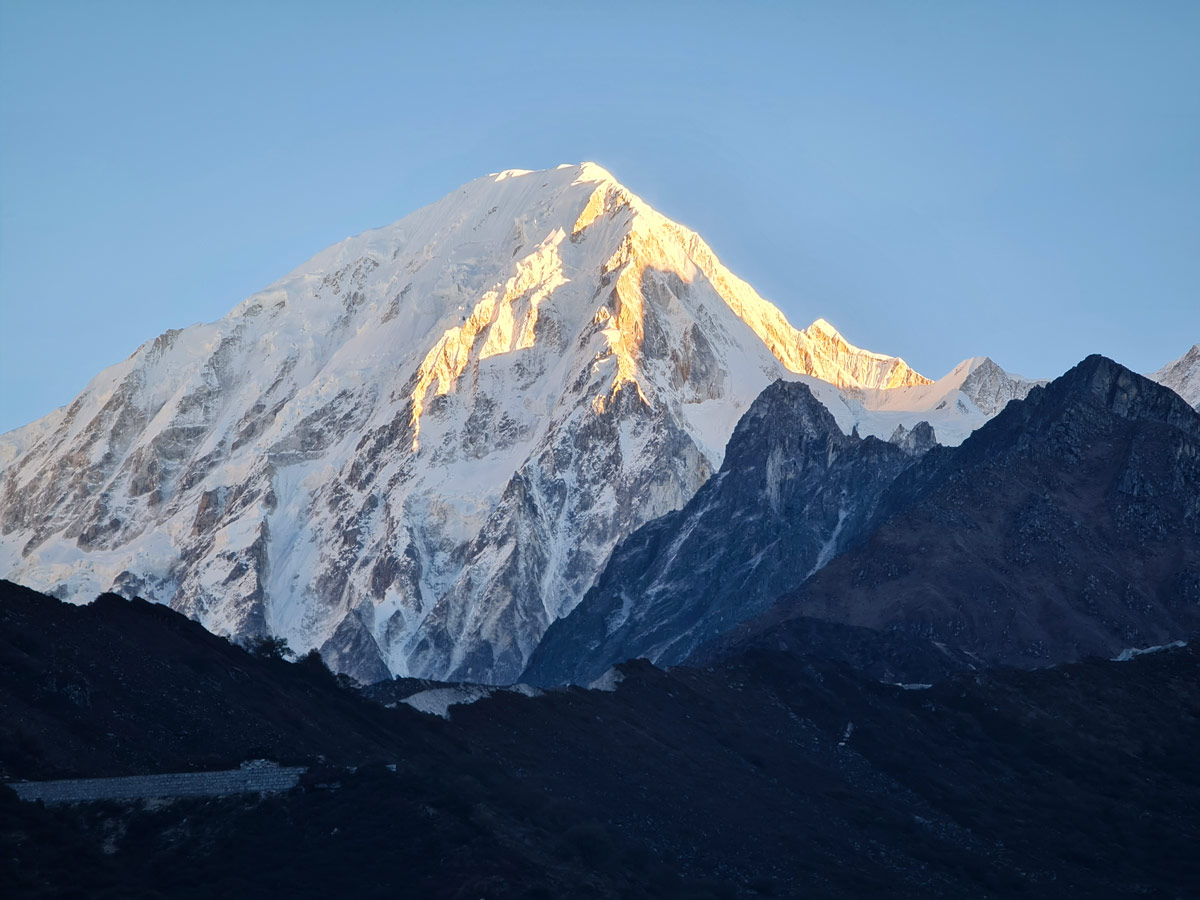
Home to the majestic snow-capped Himalayas, a variety of terrains, and vibrant cultures, the trekking trails of Nepal are a dream adventure for trekkers all around the world making Nepal a trekking paradise.
Along with trekkers, this place is a dream destination for photographers too. Because let’s be honest, who wouldn’t want to capture that ethereal beauty to store forever?
Imagine yourself standing on a windswept ridge during the Everest Base Camp Trek, the majestic Himalayas unfolding before you. You would definitely want to get a near perfect shot of that view, wouldn’t you?
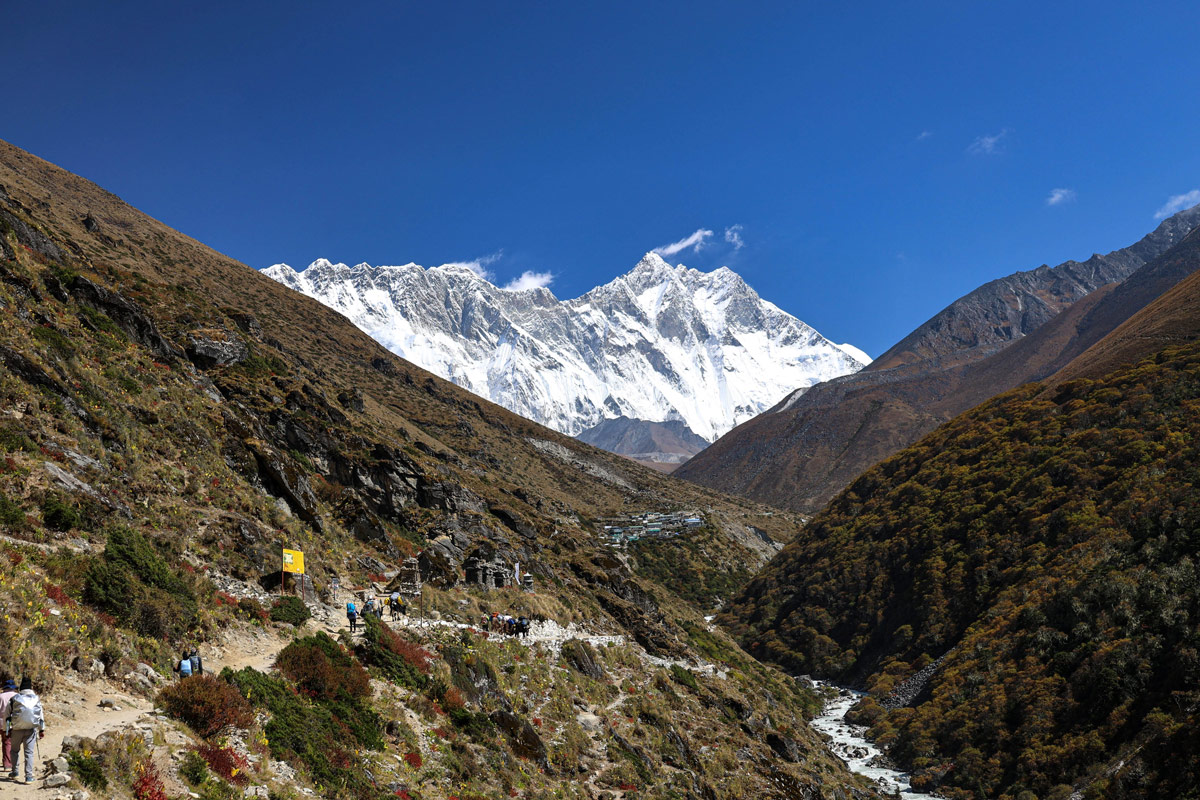
But how does a beginner in photography really get that perfect picture? Well, this blog discusses it all essential gear, key techniques, and creative approaches that you need to get that picture.
Whether you are a beginner or a seasoned photographer, this blog will walk you through essential photography tips for trekking in Nepal so that you can bring home some stunning images from your adventure of a lifetime.
Preparing for the Trek
Understanding the Environment
Before getting your hands on those photography tips, it is important that you understand your trekking route well while you also be completely prepared for the kind of pictures that you will be capturing.
Nepal offers a wide variety of trekking regions, each with its own specialty and unique photographic charm. For example, the Everest Region offers dramatic alpine scenery and towering peaks like Ama Dablam and Thamserku, while the Annapurna Circuit Trek brings together vibrant villages, deep gorges, and sweeping mountain panoramas. The Langtang Valley Trek offers lush forests, yak pastures, and snow-clad ridges close to Kathmandu.
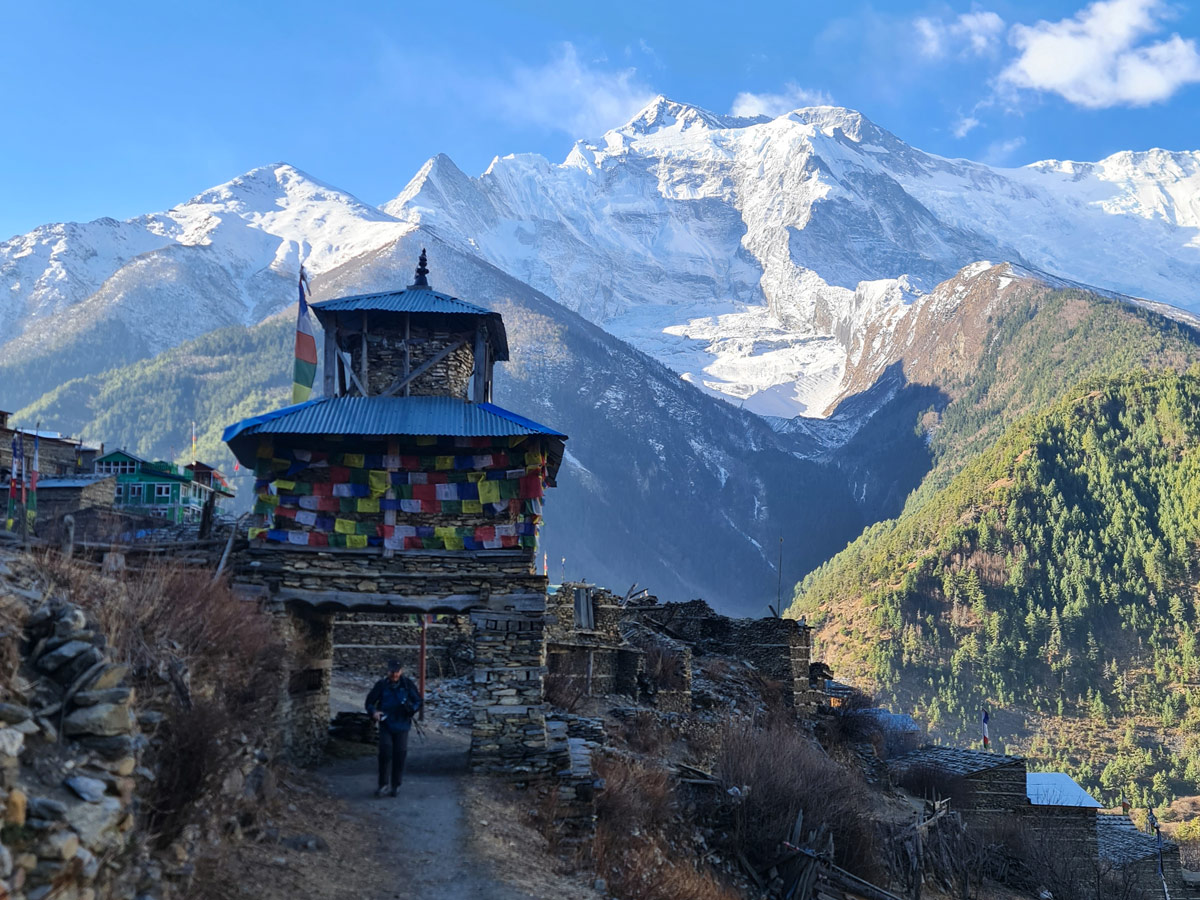
You also need to be mindful of which season you are planning to trek in, as some seasons in Nepal are much better for trekking and photography. Clear skies and great lighting occur mostly in Spring (March to May) and Autumn (September to November).
The monsoon months (June to August) often bring rainfall and clouds, which can limit visibility and photo clarity. For those seeking images of a snowy wonderland, trekking in winter (December to February) can be equally rewarding, with crisp air and snow-covered trails.
Packing Smart
While trekking in Nepal, you will be venturing into some of the most remote parts of the country where you might not always have accessibility to even basic things like clothes and trekking gear.
Thus, you will already be carrying all essentials from a packing list for trekking in Nepal. In such case, carrying photography gear will further add to the weight of your luggage.
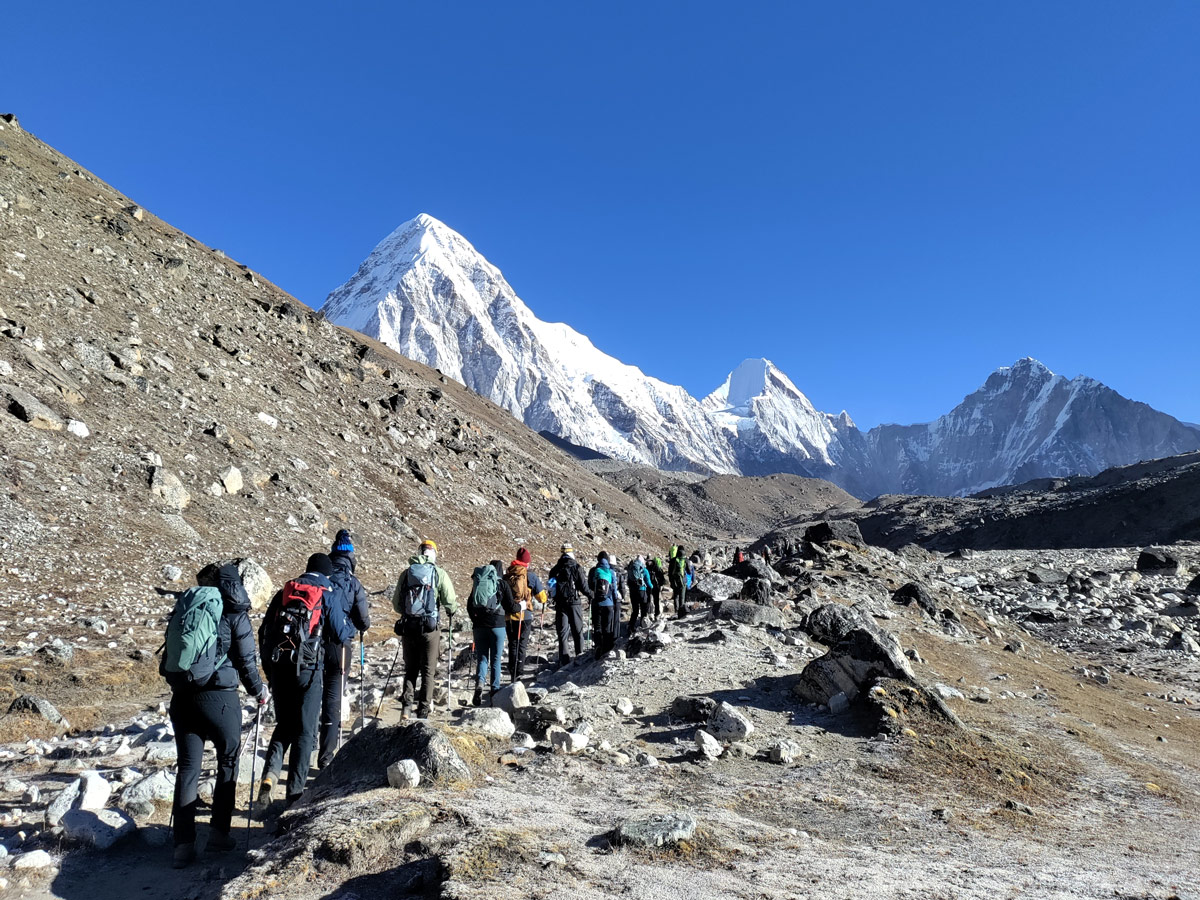
This can become a problem during the trek and leave you tired at the end of the day. Thats why, you have to be very smart and concise about your packing list. Make sure to carry all the essentials, but pack light at the same time.
Choose lightweight, convertible, and durable gear, and prioritize protection for your equipment. Waterproof bags and padded compartments will safeguard your gear during challenging conditions on trails like the Manaslu Circuit Trek.
Gear Essentials
The type of photography gear that you are going to carry during your trek in Nepal is what is going to decide the quality of pictures that you are going to be left with. Therefore, choosing the right photography gear is very important.
Camera
You can carry either a DSLR camera or a mirrorless camera for the best quality of picture during the trek. However, the choice between the two comes down to personal preference.
While DSLR offers better low-light performance and a wider lens selection, mirrorless cameras have their own perks like they are typically smaller, lighter, and more versatile. They are both quite versatile though.
While DSLRs offer better low-light performance and a wider lens selection, mirrorless cameras are typically smaller, lighter, and more versatile, ideal for long-distance treks such as the Upper Mustang Trek Both are capable of producing stunning results.
Lenses
When going for trekking, you might need to capture a variety of things including the scenery, landscapes, wildlife, plants, and other intricate details. Using one lens for all situations may not yield the best results.
For expansive landscapes, a wide-angle lens works best. To photograph wildlife or distant mountains (for example, spotting Himalayan Tahr during the Everest Base Camp Trek, carry a telephoto lens.
Macro lenses are perfect for capturing the intricate beauty of rhododendrons, alpine flowers, and prayer beads along the trail.
Accessories
The use of certain accessories can take the quality of your pictures up a notch. Make sure to carry these:
- Tripods for low-light conditions and astrophotography to provide stability.
- Memory Cards to accommodate large image files, prevent data loss, and ensure smooth shooting.
- A lens cleaning kit is essential for maintaining clear optics.
- Extra batteries and spares just in case cold weather drains out those batteries.
- UV filters to protect your lens from scratches and dust.
- Polarizing filter to reduce glare and enhances colors, particularly useful for landscapes and blue skies.
- Neutral Density (ND) filter to use longer shutter speeds in bright conditions, creating smooth water effects and capturing the movement of clouds.
Protective Gear
Carry waterproof camera bags, rain covers, and silica gel packs to protect your camera from rain, dust, and snow—especially essential if trekking routes pass through variable altitudes such as the Mardi Himal Trek.
Capturing Stunning Landscapes
Timing is Everything
The kind of picture that you get will majorly depend on the time when you are clicking that photo. The best time for getting that perfect picture is usually the golden hour, i.e. during sunrise and sunset when everything is beautified ten times. During the Everest Base Camp Trek, for instance, the golden sunrise over Ama Dablam or the sunset from Kala Patthar can be truly mesmerizing.
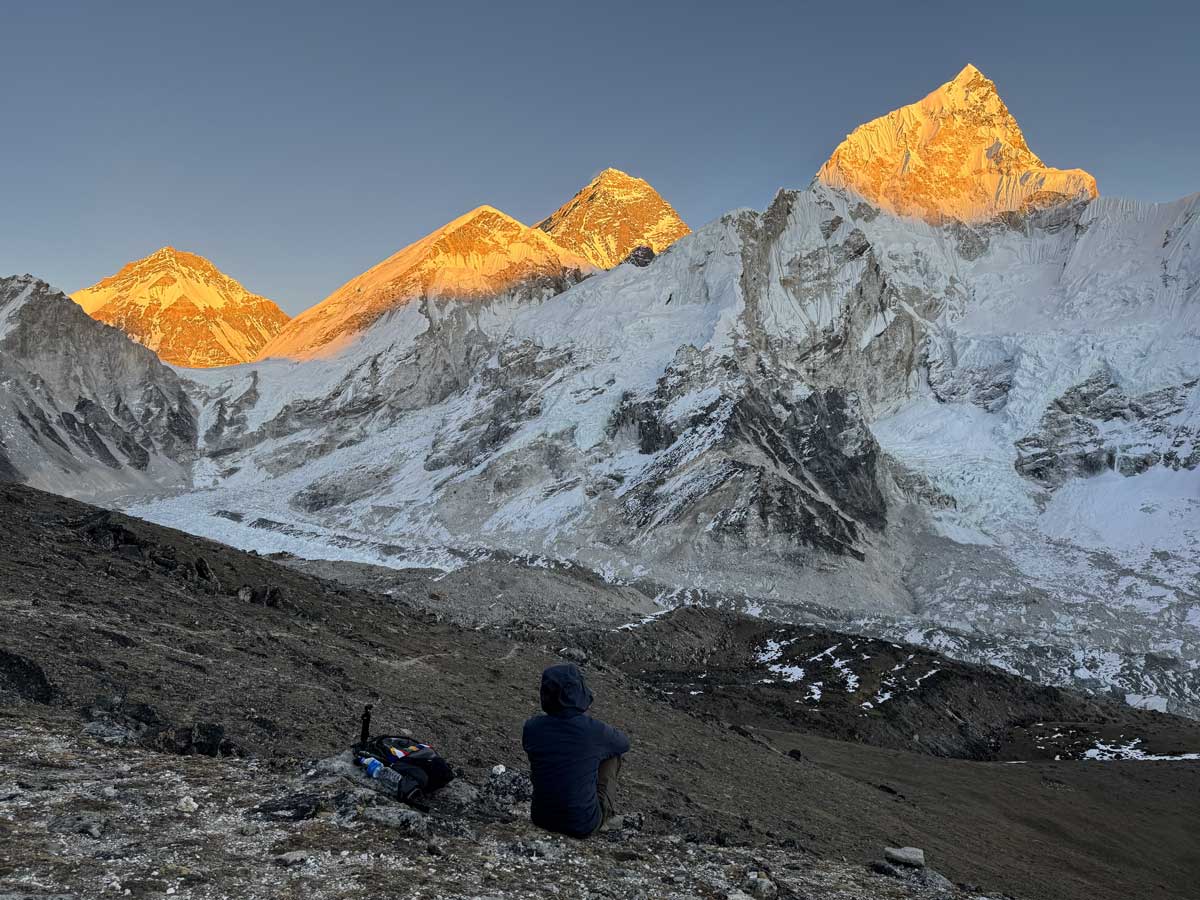
You should also prefer photography on clear days with bright sun light as where you can get the best seasonal highlights, such as blooming rhododendrons and snow-clad mountains.
Composing Your Shots
While composing the shots is really the best quality of a seasoned photographer, it is nowhere mentioned that a beginner cannot try their hands on it. You can try composing your shots too.
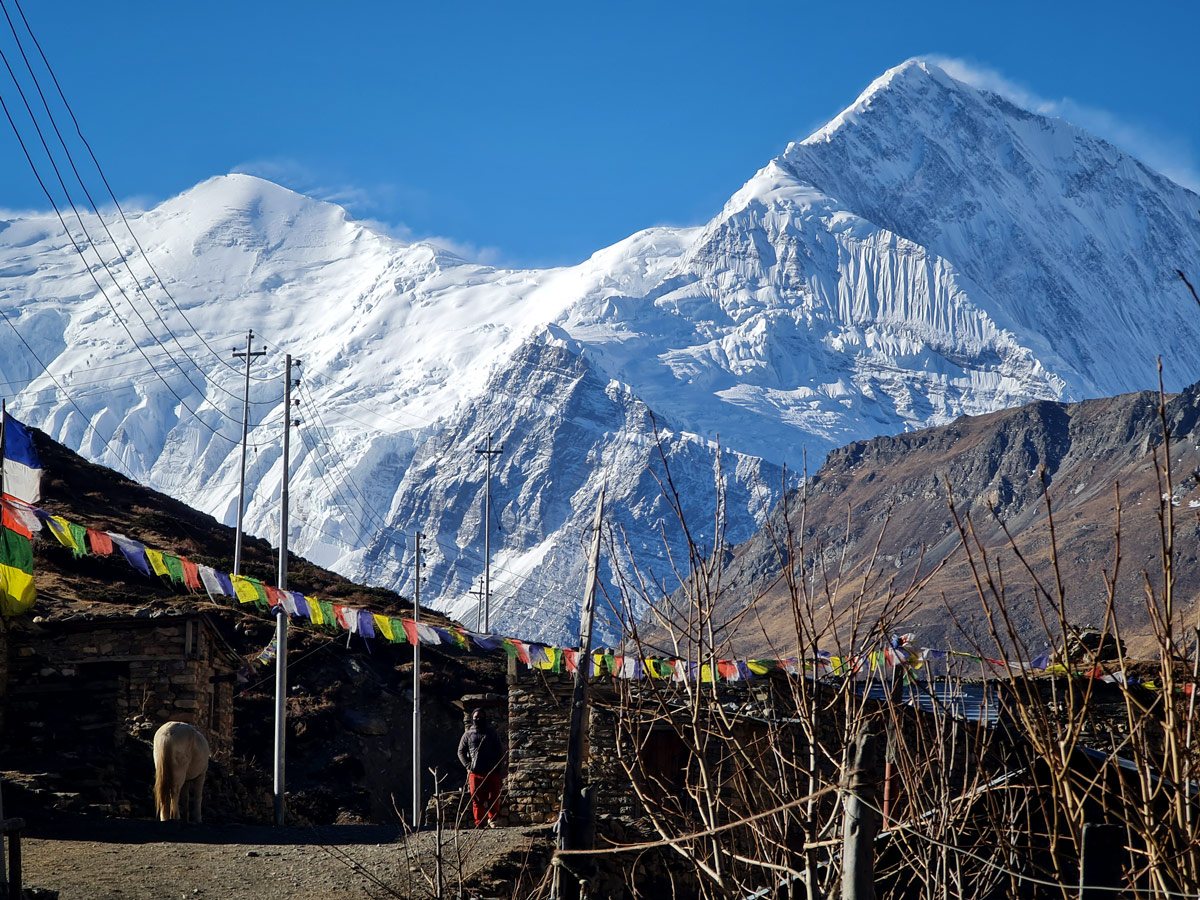
Stick to the basic composition techniques like the rule of thirds to frame your shot. Incorporate leading lines, such as trails or rivers, to guide the viewer’s eye. Add foreground elements, like prayer flags or mani walls, to create depth.
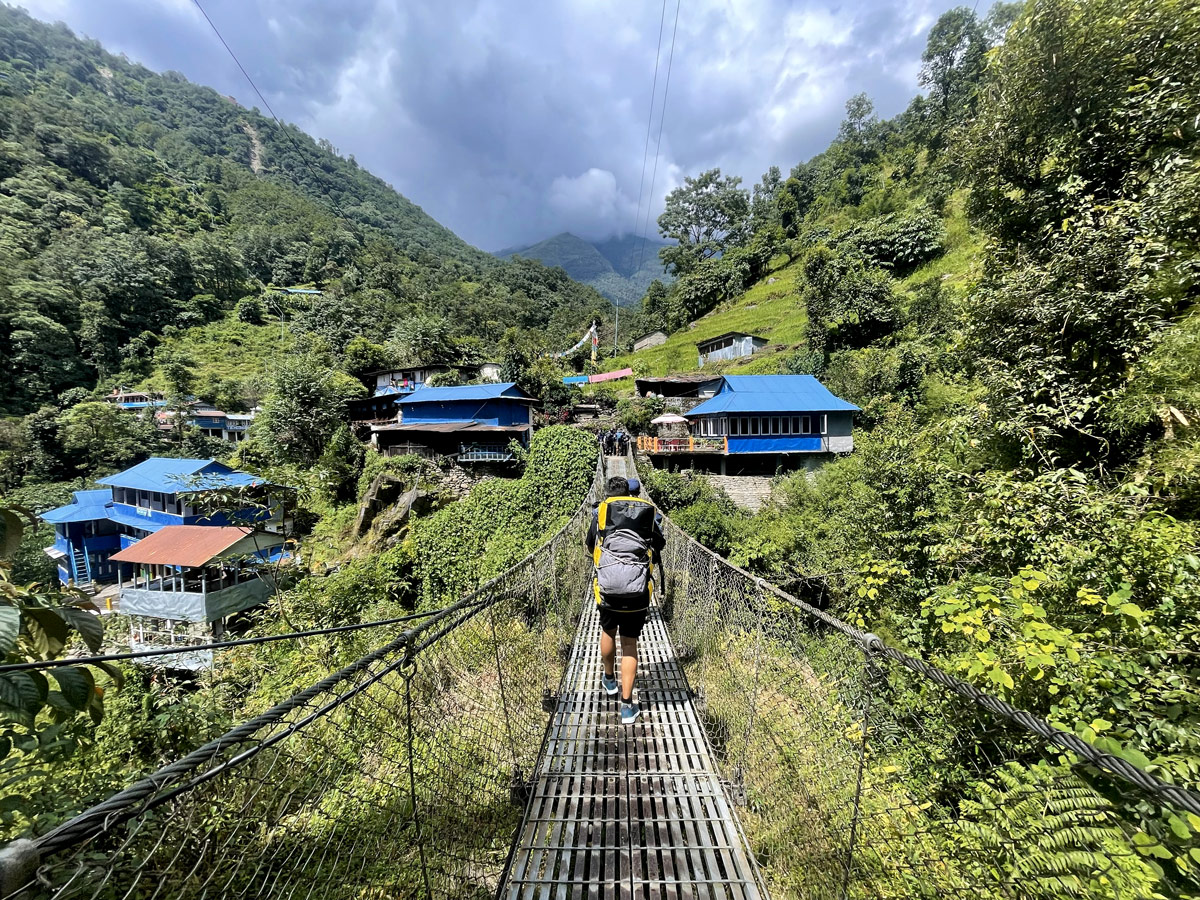
The Annapurna Circuit Trek offers perfect examples, where winding trails and hanging bridges create natural leading lines toward mountain peaks.
Mastering Light and Shadows
When capturing images in a natural setting, you cannot do much about the lighting except for playing with the natural light and timing your shots accordingly.
If you want to avoid harsh sunlight in your images, you can shoot during early mornings or late afternoons. You can also make use of shadows to highlight textures and contours in your photos.
Capturing People and Culture
The trekking trails of Nepal are a literal melting pot of cultures and you can see people from different communities along the trekking routes. They have their own languages, costumes, traditions, and even their own food.
From the Sherpas of Khumbu to the Thakalis of Mustang, each community has distinct attire, food, and rituals.
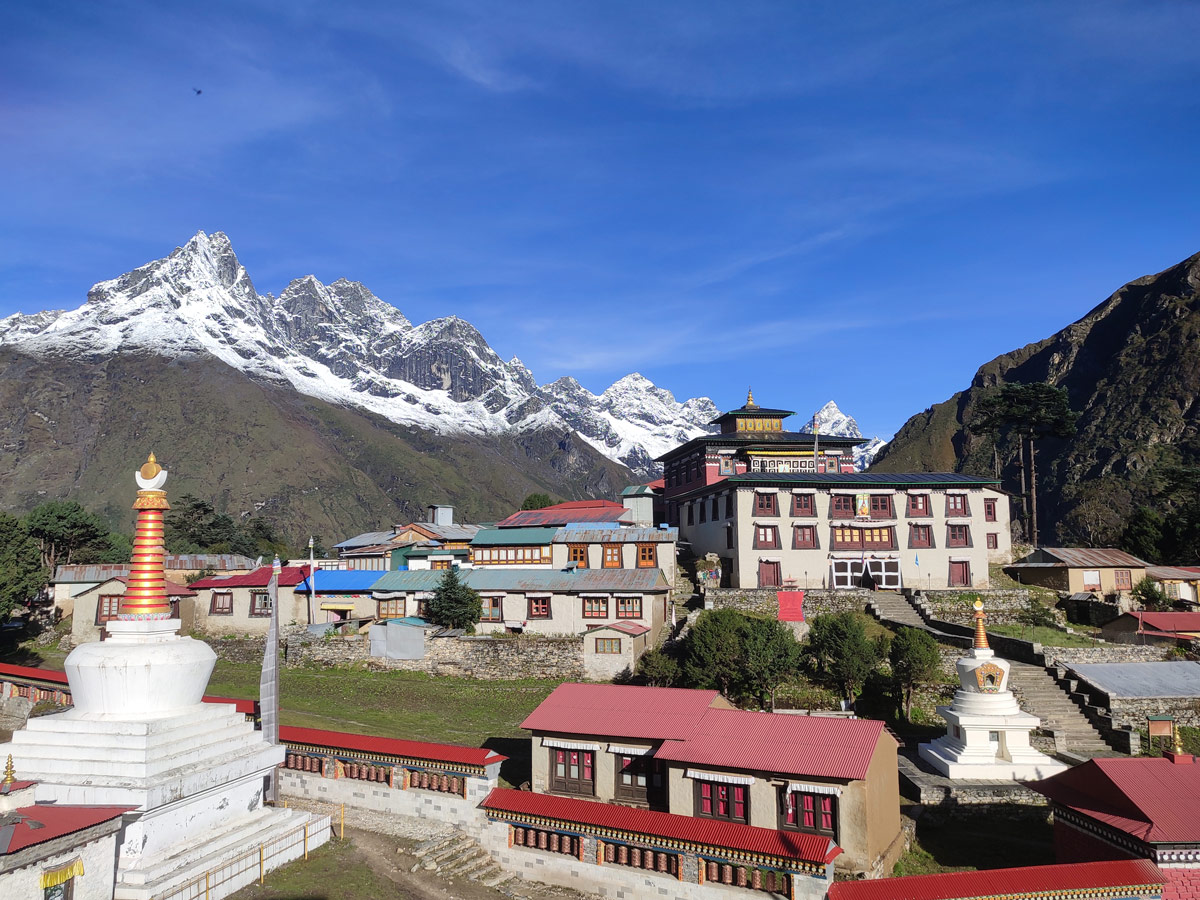
Therefore, portraits of the locals can add personal touch to your trekking journey and help you reminisce about their cultures. You can photograph everything from their day to day lives to different festivals and rituals.
Having said that, please be considerate while photographing them. It is advisable to build a rapport with the locals before photographing them. And even if you are photographing strangers, make sure to ask them for their permission.
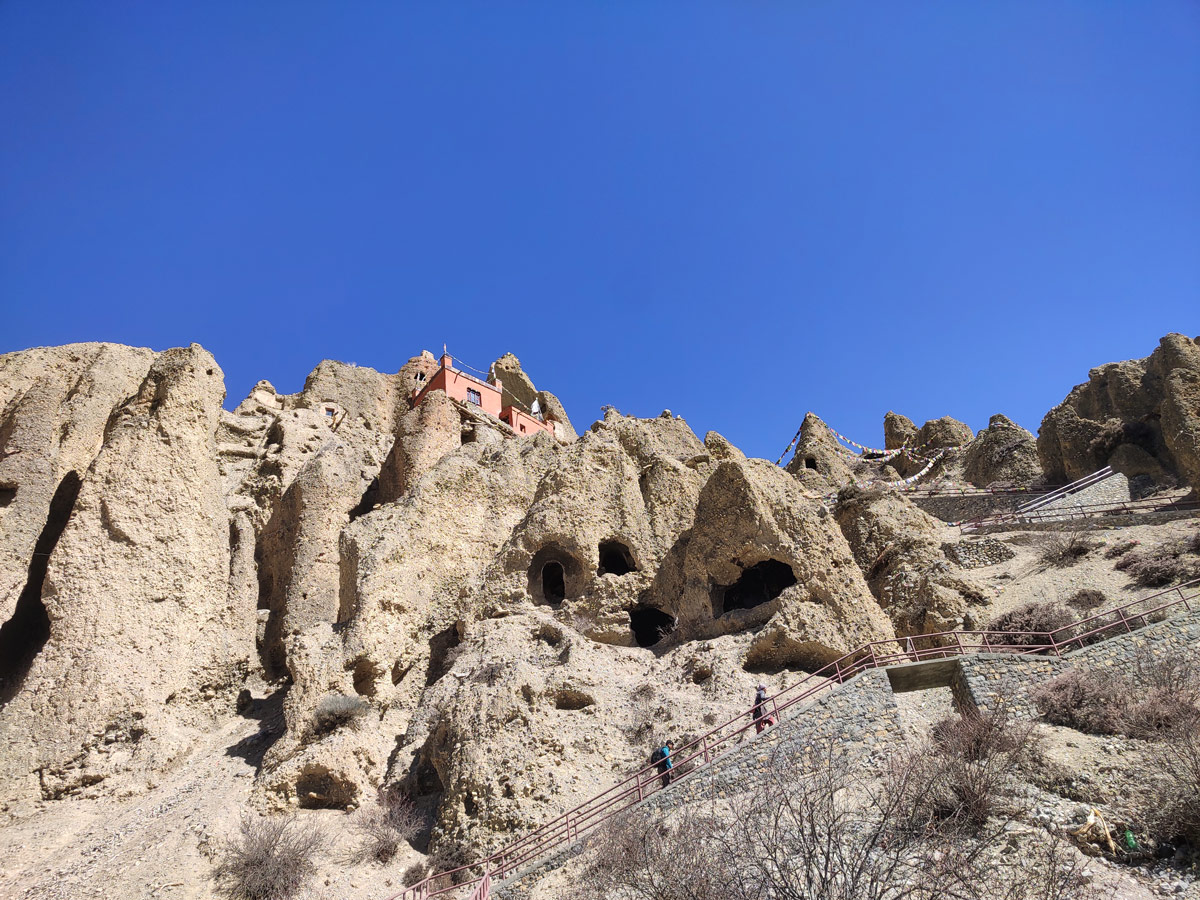
Besides that, the rituals and traditions in Nepal are considered holy and interfering there with a camera might be considered disrespectful by the locals and you don’t want to offend them. Avoid intruding during sacred rituals or festivals like Tiji or Mani Rimdu.
Therefore, make sure to ask them for their permission before capturing any rituals. And while you are doing so, make sure to capture their essence in a respectful way.
Avoid using flashlight and shutter sound even as you are capturing them with permission and this might cause disturbance in their rituals. Respect cultural sensitivity.
Wildlife and Nature Photography
Nepal is a haven for wildlife, home to protected areas like Sagarmatha National Park and Annapurna Conservation Area. You will also find plenty of wildlife out in the open.
Especially in the trekking route during the seasons of Spring and Autumn, you will come across a lot of wildlife including the Himalayan Tahr, Snow Leopard, and more as these trails are mostly situated within the protected areas of Nepal.
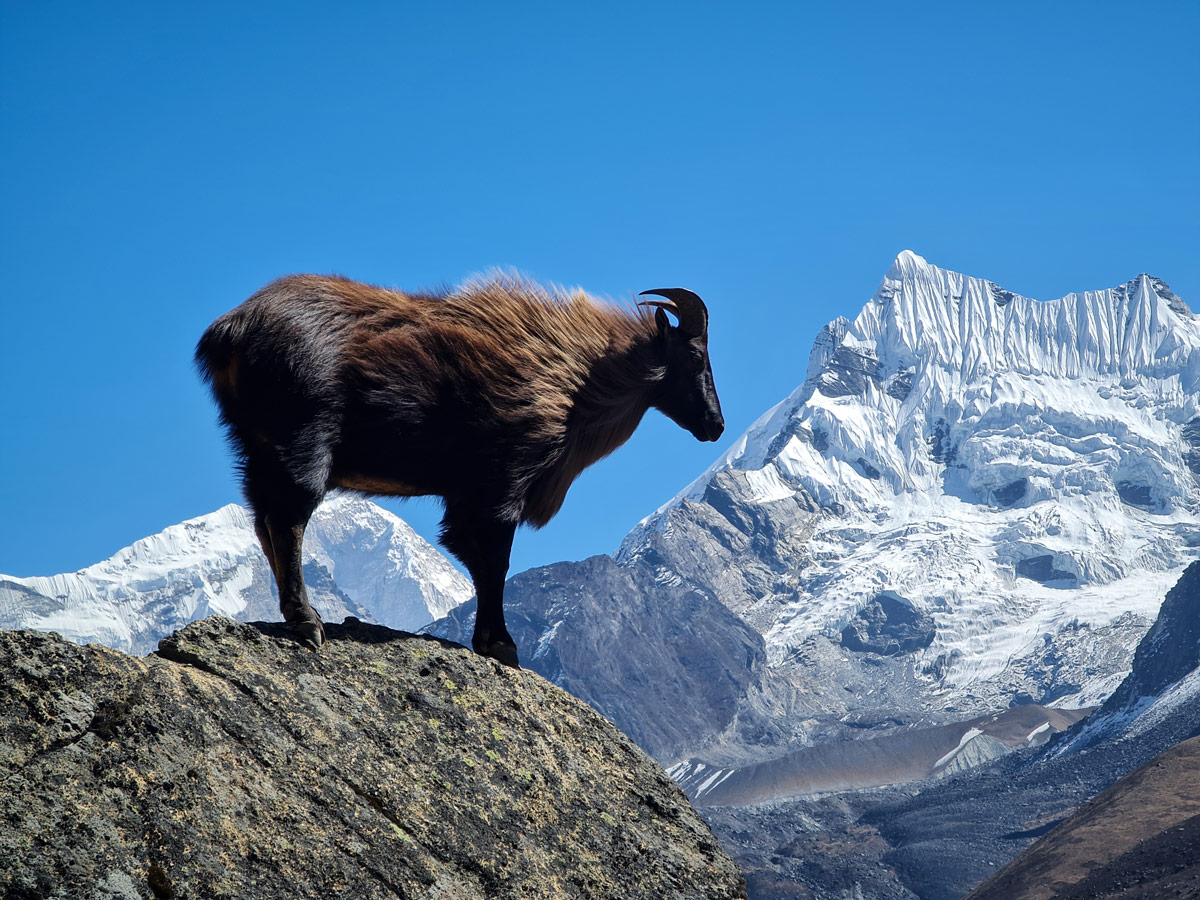
Capturing them in your camera can be a great opportunity for you to capture elusive wildlife and also to build your portfolio. Make sure to use a telephoto lens as it allows you to maintain a safe distance while you are photographing the wildlife.
You can also capture the intricate beauty of the unique flora and fauna of Nepal by using macro lens. However, make sure to follow the leave no trace principle. And don’t use flash and shutter sound to avoid disturbing the wildlife.
Technical Tips for Beginners
Camera Settings
Learning the basic camera settings can make a significant difference in your images and can make the outcome ten times better. You can do so by simply learning a little about the ‘Exposure Triangle’ of a camera.
- A wider aperture (f/2.8–f/4) creates a shallow depth of field, ideal for portraits of locals or prayer wheels.
- A smaller aperture (f/8–f/16) is perfect for capturing landscapes during treks like Annapurna Base Camp.
- Use fast shutter speed to freeze motion (like prayer flags fluttering in the wind) or slow shutter speed for creative blur (like flowing rivers).
- Set a low ISO (100–200) in bright light to reduce noise, increasing only when necessary in low-light conditions.
Balancing these three settings helps you achieve perfectly exposed images.
Stabilizing Your Shots
Another crucial aspect of getting a good and steady photography is to stabilize your shots. This is because even the slightest bit of hand movement while clicking the photograph can lead to you having a blur shot.
So, you can use a tripod stand to stabilize your shot. It allows you to capture sharp images in low-light conditions, panoramas, or astrophotography. You should preferably carry lightweight and collapsible tripod for trekking.
If you have not carried a tripod with you, you can also try a hack by stabilizing your camera against other objects like rocks, trekking poles, or even your backpack. You can also try options for lens-based stabilization.
Managing Limited Resources
When trekking in Nepal, you will be in extremely remote areas like Manaslu or Upper Dolpo. So, you should be very precise with your usage of the limited resources that you will have at your disposal.
Turn off unnecessary features like Wi-Fi, GPS, and live view when not in use. Carry extra batteries, especially for longer treks or colder climates as cold can drain out batteries faster.
To avoid loss of data, you should carry memory card and back your photos up every day using cloud services or portable storage device. Delete unwanted shots to save more space.
Enhancing the Images
After using the tips mentioned above to get a good picture, you can further enhance those pictures using image enhancing softwares like Adobe Photoshop, Lightroom, and other digital imaging softwares.
These softwares will offer a variety of robust editing options to you. However, you should try to store the original essence of the picture and avoid editing it too much. Also, store the photos by day and location for easier access.
Tips for Sharing Your Photos
When trekking in Nepal, you will come across two types of photographers. One type is the one who is capturing the memories just to keep it with them and cherish, while the other type is the one who would love to share those photos with others.
If you are from the second category of people, below are some tips to help you share your photos taken during trekking in Nepal:
- You can create a travelogue or blog and share your experiences there along with snippets and photos that you have taken on the trek.
- You can use social media platforms like Instagram and Facebook to upload these pictures. Post your best photos on Instagram with relevant hashtags like #VisitNepal, #NepalTrekking, and #HimalayanAdventures.
- If you are a professional photographer, you can submit your shots to travel photography platforms like NatGeo Your Shot, Lonely Planet Pathfinders, or TrekEarth where you can get professional recognition.
- Monetize your work by submitting your photos to stock photography websites like Shutterstock, Adobe Stock, or Getty Images. Ensure your images meet technical and quality standards for acceptance.
- You can also add them to your portfolio to showcase your skills and attract more professional opportunities.