Bhutan Tours & Travel Packages
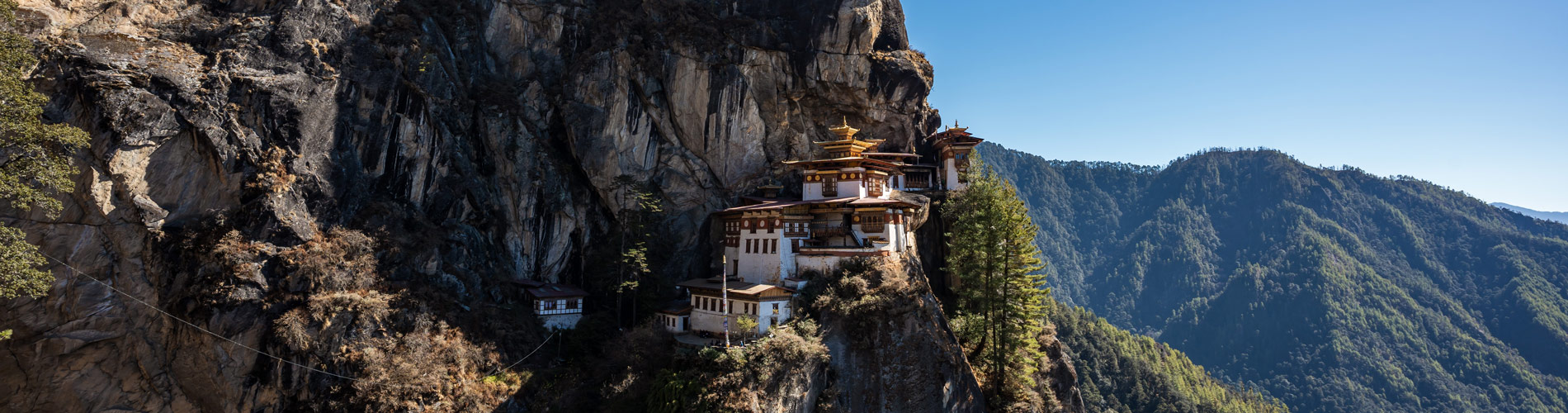
Bhutan often called the Land of the Thunder Dragon is one of the world’s most enchanting travel destinations. It is a Himalayan kingdom nestled high in the Eastern Himalayas where ancient Buddhist traditions thrive, prayer flags flutter across mountain passes, and happiness is woven into the very fabric of national policy.
Bhutan isn’t just another travel destination; it’s a journey into a province that has chosen preservation over profit, where Gross National Happiness (GNH) outweighs Gross Domestic Product (GDP), and where the sacred and the spectacular exist in perfect harmony.
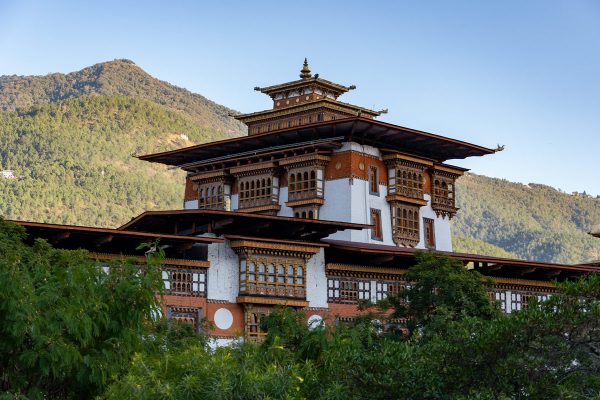
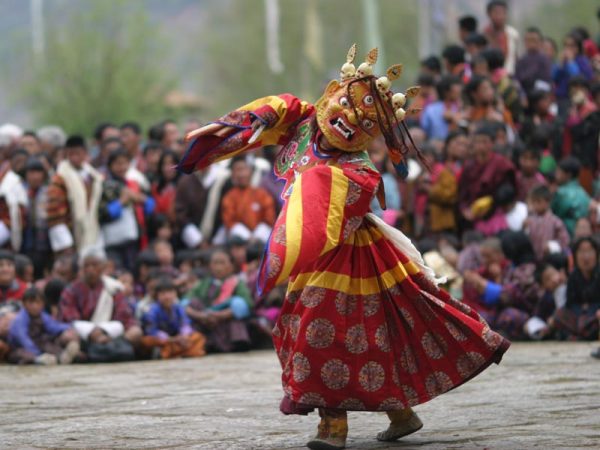
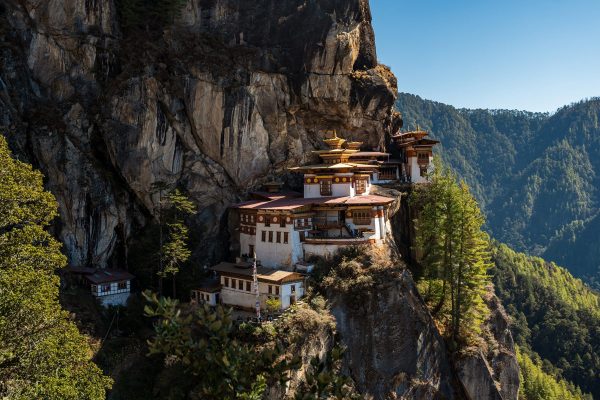
If a truly authentic, serene, and culturally rich vacation is your desire, our Bhutan tour packages are meticulously crafted for you. Trek to the legendary Tiger’s Nest Monastery, explore the architectural majesty of historic Dzongs, and time your journey perfectly to witness the unforgettable, colorful masked dances of Bhutan people.
A Bhutan trip is more than just sightseeing, it is celebrated for its unspoiled landscapes, warm Bhutanese people, the unique Dzongkha language, and its deep-rooted traditions that make every visit feel meaningful and magical.
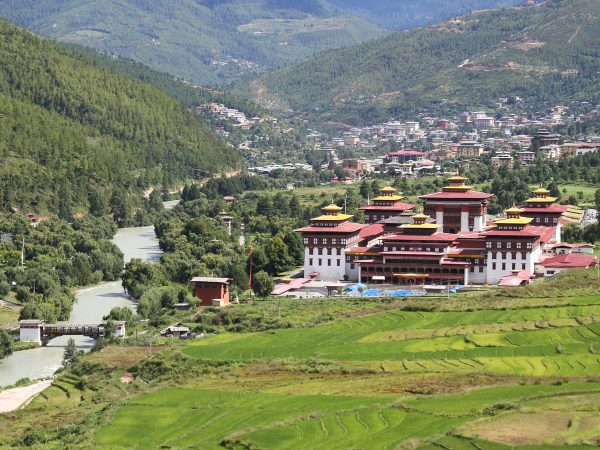
From the terraced rice fields of Punakha Valley to the alpine wilderness of Bumthang, and from the bustling weekend markets of Thimphu to silent hermitages hidden in forests of blue pine and rhododendron, every moment in Bhutan feels like stepping into a living painting.
We offer a complete range of Bhutan tours and Bhutan travel packages that blend culture, adventure, comfort, and authenticity. All trips are fully guided, carefully planned, and customizable to fit your travel style. With expert local partners, seamless visa arrangements, and curated itineraries, your Bhutan tour becomes effortless, meaningful, and unforgettable.
Start planning your Bhutan adventure today and discover why this incredible nation measures progress not through wealth, but through Gross National Happiness.
Featured Bhutan Tours and Travel Packages
Bhutan Tour Reviews


Bhutan Travel Guide

Bhutan Visa, Permits, and Entry Requirements
Bhutan has a very unique tourism system, and understanding its visa rules is essential before planning any Bhutan tours. Every foreign traveler, except Indian, requires a Bhutan visa that must be applied for through a licensed Bhutan tour operator.
Entry into Bhutan is not permitted without an approved itinerary, confirmed hotel bookings, and a registered guide, which ensures sustainable and responsible tourism. A Bhutan tour package automatically includes visa processing, with all paperwork handled by the operator so travelers can focus on the excitement of the upcoming journey.
The visa procedure begins once the Bhutan tour is booked and the required fees are paid. A clear copy of the passport (valid for at least six months beyond the travel dates) along with a passport-sized photo is needed for processing.
Bhutan visa approval typically takes around five working days, after which a visa clearance letter is issued to present at the airport. The actual visa stamp is placed in the passport upon arrival at Paro International Airport or at designated land border points.
For Bhutan tours that extend beyond Paro and Thimphu, additional permits are required for certain restricted regions. These permits are arranged automatically as part of the tour package, ensuring smooth travel throughout the country.
Travelers are advised to carry travel insurance with a backup copy, cash or travelers’ cheques accompanied by proof of purchase, flight tickets, and essential emergency contact numbers such as those for banks, insurance providers, and family members.

Bhutan Tour Costs and Budget Planning
A standard 5-day tour like Bhutan Vistas Tour typically costs USD 1,660 per person, covering accommodation, all meals, private transportation, licensed guide, monument fees, and visa processing.
All Bhutan tour packages include the mandatory USD 100 per person per night Sustainable Development Fee, meals, guide, transportation, and permits.
It is recommended to budget around USD 10 to USD 20 per day for additional beverages such as soft drinks, chocolates, or occasional treats.
For further enquiry, please contact us so we can know your preferences and travel dates.

Best Time for Bhutan Tours
The best time to visit Bhutan is during Spring (March to May) and Autumn (September to November). This timing enhances the Bhutan tour experience significantly, allowing travelers to explore the country at its most ideal time.
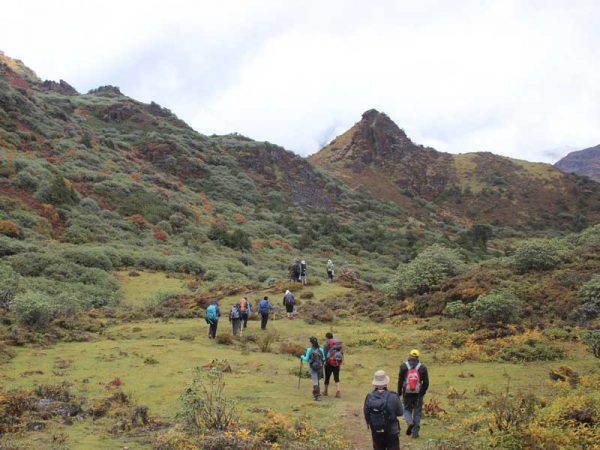
Spring (March to May) is considered one of the best seasons for Bhutan tours. The hillsides are covered with vibrant rhododendrons, temperatures are comfortable, and clear skies offer stunning Himalayan views. This season is perfect for Bhutan trekking tours and photography enthusiasts. The famous Paro Tshechu festival typically falls in spring, making it an ideal time for cultural immersion.
Autumn (September to November) is regarded as the peak season for Bhutan tours, and for good reason. The monsoon has cleared, leaving crisp mountain air and exceptional visibility of snow-capped peaks. Temperatures during autumn tours are pleasant for both sightseeing and trekking. Several major festivals occur during this season, including the spectacular Thimphu Tshechu and the Black-Necked Crane Festival in Phobjikha Valley.
Summer (June to August) brings the monsoon season to Bhutan. While rain is frequent, this period offers a peaceful travel experience with lush green valleys, vibrant flowers, and fewer tourists at major sites. It’s a beautiful time for those who enjoy nature in its freshest form.
Winter (December to February) in Bhutan sees fewer tourists, creating a calm and crowd-free atmosphere. Although crystal-clear mountain views are less frequent, lower-altitude tours remain pleasant, and the serene landscapes offer a unique charm.

Festivals of Bhutan and Timing
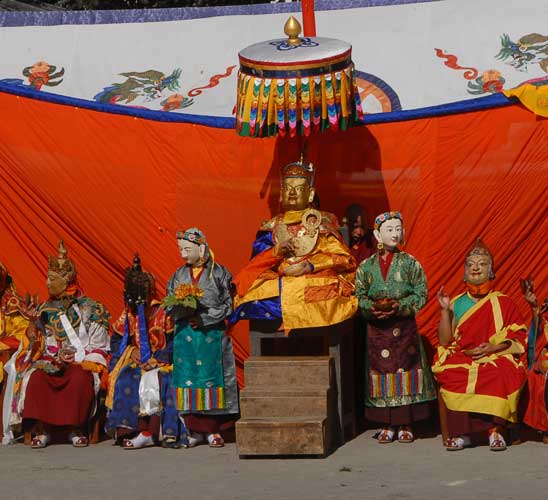
Bhutan festivals, also known as tshechus, represent the spiritual heart of Bhutanese culture. They offer unparalleled cultural immersion, so planning a Bhutan tour around these festivals provides unforgettable memories and a deeper understanding of Buddhist traditions.
Paro Tshechu, the most famous Bhutan festival, occurs in March or April and attracts thousands of locals dressed in their finest traditional attire. Masked dances performed by monks depict ancient Buddhist stories, and the final day unveils a giant thangka (religious scroll) at dawn. Bhutan tours during this festival are booked months in advance, so early planning is essential.
Thimphu Tshechu, held in late September or early October, is the capital’s grand festival, known for its accessibility and spectacular performances. This three-day celebration fills the Tashichho Dzong courtyard with color, music, and spiritual energy. It is an excellent addition to any autumn Bhutan tour.
Punakha Drubchen and Tshechu, occurring in February or March, recreate a 17th-century battle through dramatic reenactments. The festival’s unique warrior dances set it apart from other Bhutan festivals, and Punakha’s pleasant winter weather makes this an ideal time for western Bhutan tours.

Cultural Etiquette & Meeting Bhutan People
When visiting dzongs, monasteries, and temples during your Bhutan tour, you have to dress modestly. Do cover shoulders and knees as they are essential and also remove shoes before entering religious buildings and always walk clockwise around Buddhist monuments and prayer wheels.
The photography inside temples is usually prohibited so you always ask permission before photographing people, especially monks and during religious ceremonies. The Bhutanese greeting involves a slight bow with hands pressed together as if in prayer.
Bhutanese people value humility and indirect communication. Pointing with fingers is considered rude; instead, gesture with your whole hand. Loud voices and public displays of anger are culturally inappropriate. Practicing proper cultural etiquette in Bhutan helps create meaningful and respectful interactions with locals.
When you go to meet the Bhutanese people in villages during your tour, a smile goes a long way. Many locals speak English reasonably well, especially younger generations. Don’t be surprised if invited for tea, hospitality runs deep in Bhutanese culture, and these spontaneous interactions often become the most memorable moments of Bhutan tours.

Food and Accommodation in Bhutan
Food and accommodation are fully included in Bhutan tour packages. Meals feature authentic Bhutanese cuisine like ema datshi (cheese and chili), red rice, kewa datshi, and shamu datshi, along with Indian, Nepalese, Chinese, Western and Continental options for travelers preferring milder flavors. Vegetarian meals are readily available on all Bhutan tours with advance notice.
Accommodation includes comfortable hotel stays in cities like Thimphu, Paro, and Punakha, with a minimum of 3-star deluxe hotels featuring private bathrooms, heating, and traditional Bhutanese architecture.
Upgrades to 4-star semi-luxury or 5-star luxury properties can be arranged upon request with applicable supplement charges. Trekking in Bhutan include well-equipped tented camps and clean guesthouses in remote areas, ensuring comfort throughout your journey with hot meals and basic amenities even in high-altitude locations.

Currency, Payments, and Tipping in Bhutan
Understanding the financial essentials helps ensure smooth transactions throughout a Bhutan tour. Bhutan uses the Ngultrum (BTN), which is equal in value to the Indian Rupee, and both currencies are accepted, although INR 500 and 2000 notes are not allowed.
US dollars and major foreign currencies can be exchanged in Paro and Thimphu. Most expenses are covered in a Bhutan tour package, but cash is still needed for personal purchases, souvenirs, extra drinks, and tips.
ATMs are available in major towns but may be unreliable in remote areas, so carrying sufficient cash during Bhutan tours is strongly advisable. Credit cards are accepted in upscale hotels, larger restaurants, and some craft shops, though cash remains the preferred method of payment throughout the country.
Tipping is not mandatory in Bhutan, but it is appreciated. For Bhutan tours, a general guideline is 15 to 20 dollars per day for the guide, 10 to 15 dollars per day for the driver, and 5 to 7 dollars collectively for hotel staff during longer stays. These amounts are suggestions rather than obligations and should reflect the quality of service received.
Although tipping is becoming more common, it remains a gesture of appreciation rather than an expected part of Bhutanese culture, helping ensure a warm and respectful Bhutan tour experience.

Transportation, Roads, and Getting Around Bhutan
Bhutan tour begins with arrival at Paro International Airport, the country’s main gateway served by Druk Air and Bhutan Airlines with flights from major regional cities.
The landing itself is an unforgettable experience, offering dramatic views as the aircraft navigates through narrow mountain valleys. Once in Bhutan, all travel is conducted by private vehicle, usually a comfortable SUV or minibus, ensuring safety and flexibility throughout the journey.
Although distances may seem short, travel times are longer due to the mountainous terrain, with routes such as Paro to Punakha taking three to four hours.
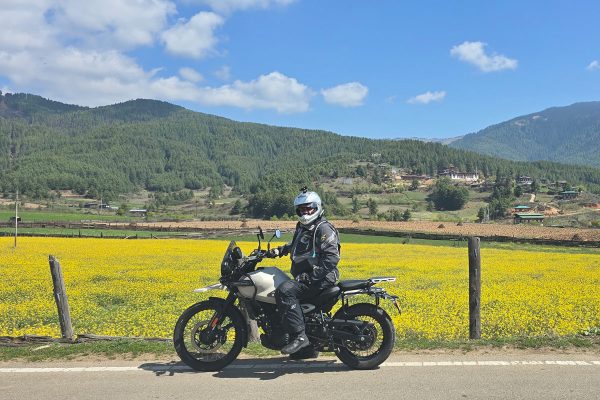
Bhutan’s road network has improved significantly in recent years, although narrow mountain highways and high-altitude passes remain common, adding to the charm and adventure of Bhutan tours.
Highlights such as Dochula Pass and Chele La Pass provide stunning Himalayan views, often becoming memorable photo stops along the way. All Bhutan trip packages include private transportation with skilled local drivers who understand the terrain and ensure a smooth, enjoyable travel experience.

Health, Safety, and Travel Insurance
Bhutan ranks among the safest destinations in the world, but proper health preparation ensures a fully enjoyable Bhutan tour.
No mandatory vaccinations are required for Bhutan tours from most countries, though routine vaccines such as Tdap, MMR, chickenpox, polio, rabies, rubella, tetanus, hepatitis A and B, and COVID-19 are recommended.
Altitude considerations also matter for certain Bhutan tour itineraries. Paro and Thimphu sit around 2,250 to 2,330 meters (7,382 to 7,644 feet), which rarely causes issues for most travelers.
However, tours that include higher elevations require acclimatization. Water quality varies, so sticking to bottled or boiled water throughout the Bhutan tour is advisable.
Food hygiene standards at tourist hotels and restaurants are generally good, though those with sensitive stomachs should take the usual precautions.
Travel insurance covering medical evacuation, trip cancellation, and lost luggage is not mandatory for Bhutan tours, but it is recommended and should include coverage for medical emergencies and evacuation.
For safe Bhutan tours, follow the guide’s instructions, avoid approaching wild animals, and store food properly during trekking days.

Communication, SIM Cards, and Internet in Bhutan
Communication in Bhutan relies on both verbal and technological means, with English widely spoken alongside the official language, Dzongkha. With growing technological access, staying connected during Bhutan tours is becoming increasingly easy.
Two mobile providers, Bhutan Telecom (B-Mobile) and TashiCell, offer tourist SIM cards that are available at Paro Airport upon arrival or in Thimphu. Network coverage is excellent in major towns and along primary roads during Bhutan tours, though mountain valleys and remote areas may have limited or no signal.
Free WiFi is available during Bhutan tours, especially in hotels and restaurants in major towns, though speed can vary depending on weather and location. A Bhutan tour guide can assist in finding reliable connectivity spots when uploading photos or making important communications.

Shopping tips for Bhutan tours
Shopping during Bhutan tour offers opportunities to acquire authentic handicrafts while supporting local artisans and the kingdom’s preservation of traditional arts. Thimphu’s weekend Craft Bazaar and Paro shops showcase hand-woven Bhutanese textiles, traditional thangka paintings, wooden masks, prayer flags, and Buddhist artifacts.
Popular Bhutan tour souvenirs include hand-woven kiras and scarves, locally produced wild honey, red rice, and Bhutan’s collectible stamps. The National Textile Museum visit helps travelers appreciate the craftsmanship before purchasing these unique keepsakes from your Bhutan cultural tour.
Unlike other Asian markets, shopping on Bhutan tours features fixed prices and gentle negotiation for quality souvenirs. Remember that antiques over 100 years old cannot be exported without special authorization.
Every purchase supports Bhutan’s cultural preservation and sustains artisan communities maintaining traditional crafts. Carry cash and bargain politely in the shops and also ask for certificated for high value items while shopping in Bhutan.
Bhutan Travel FAQs
How much does a Bhutan tour package cost?
Bhutan tour costs vary depending on the number of days, accommodation type, and facilities you choose. Our standard 5-day Bhutan Vistas Tour costs USD 1,660 per person, covering accommodation, all meals, private transportation, a licensed guide, monument fees, and visa processing.
Can I visit Bhutan without a guide?
No, all international tourists (except Indian, Bangladeshi, and Maldivian citizens) must book Bhutan tours through licensed tour operators and travel with an assigned guide. This requirement ensures sustainable tourism and helps preserve Bhutan’s culture and environment.
Do I need to book Bhutan tours in advance?
Yes, book your Bhutan tour at least 30 days in advance to allow time for visa processing and secure preferred accommodations and flights. Peak season and festival-focused Bhutan tours should be booked 60-90 days ahead for best availability and choices.
How many days are ideal for a Bhutan tour?
A 5 to 10 days Bhutan tour is ideal for experiencing highlights including Paro, Thimphu, Punakha, and Tiger’s Nest Monastery with comfortable pacing. Shorter 5-day Bhutan Vista tour cover essential western Bhutan destinations, while 12 to 15 days Bhutan Festival Tour allow exploration of central and eastern regions.
How do I get to Bhutan?
The only way for international travelers to enter Bhutan is via Paro International Airport (PBH), serviced exclusively by Drukair and Bhutan Airlines.
International flights to Bhutan originate from major cities like Bangkok, Delhi, Mumbai, Kolkata, Singapore, or Kathmandu. To guarantee your seat and seamless visa processing, it is essential to book your Bhutan flights as part of a tailored Bhutan tour package.
Is tour to Bhutan good for family holidays?
Yes. Bhutan tours are perfect for families with safe destinations, child-friendly cultural activities, and welcoming locals. Bhutan Family tour packages can be customized with interactive experiences like archery, traditional dress try-ons, and moderate hikes suitable for children.
What is the Sustainable Development Fee (SDF)?
The Sustainable Development Fee is a mandatory USD 100 USD per person per night on all Bhutan tours that funds free education, healthcare, environmental conservation, and infrastructure, ensuring Bhutan’s “high value, low impact” tourism model protects the kingdom’s culture and nature for future generations.
What is included in Bhutan travel packages?
Bhutan tour package includes 3-star accommodation, all meals and drinking water, private transportation with driver, licensed English-speaking guide, all permits and monument fees, Bhutan visa processing, government taxes, and the mandatory USD 100 per person per night Sustainable Development Fee.
The Bhutan tour excludes international flights (including Druk Air), travel insurance, alcoholic beverages, tips, and personal expenses.
Is Bhutan safe for tourists?
Bhutan is the safest travel destinations for tourists with virtually no violent crime and rare petty theft. The kingdom’s Buddhist values emphasize compassion and honesty, creating a secure environment for Bhutan tours.
How difficult is the hike to Tiger’s Nest Monastery?
The Tiger’s Nest hike is moderately challenging approximately 4 to 5 hours round trip covering 900 meters (3,000 feet) elevation gain on steep, well-maintained trails.
Can I customize my Bhutan tour?
Yes. Ace specializes in customized Bhutan tours tailored to your interests, pace, and budget. Whether you prefer cultural immersion, trekking adventures, festival-focused itineraries, photography tours, or luxury experiences, we design personalized Bhutan tour packages.
How good is the Wi-Fi and internet in Bhutan?
Wi-Fi and mobile internet are generally reliable in major valleys like Paro and Thimphu, supported by good network coverage from providers like TashiCell and Bhutan Telecom. However, connectivity can be slow or unavailable in rural areas.
How flexible are Bhutan guided tours for itinerary changes?
Bhutan guided tours are highly flexible during the planning stage. While changes during the trip may be limited by permits and distances, itineraries can be customized extensively before arrival.