



If you are a trekking geek, or even if you’re not, you probably know how famous Nepal is for its thrilling Himalayan trekking trails. And you would have definitely heard about the iconic treks like the Everest Base Camp Trek and Annapurna Base Camp Trek.
However, one trek that particularly stands out is the Annapurna Circuit Trek for the comprehensive experience that it gives you. And at the heart of this trek lies the stunning valley of Manang.
Think of it this way; if Annapurna Circuit Trek was a movie, exploring Manang would be like the scene stealing supporting character that gets more attention than the entire climax scene.
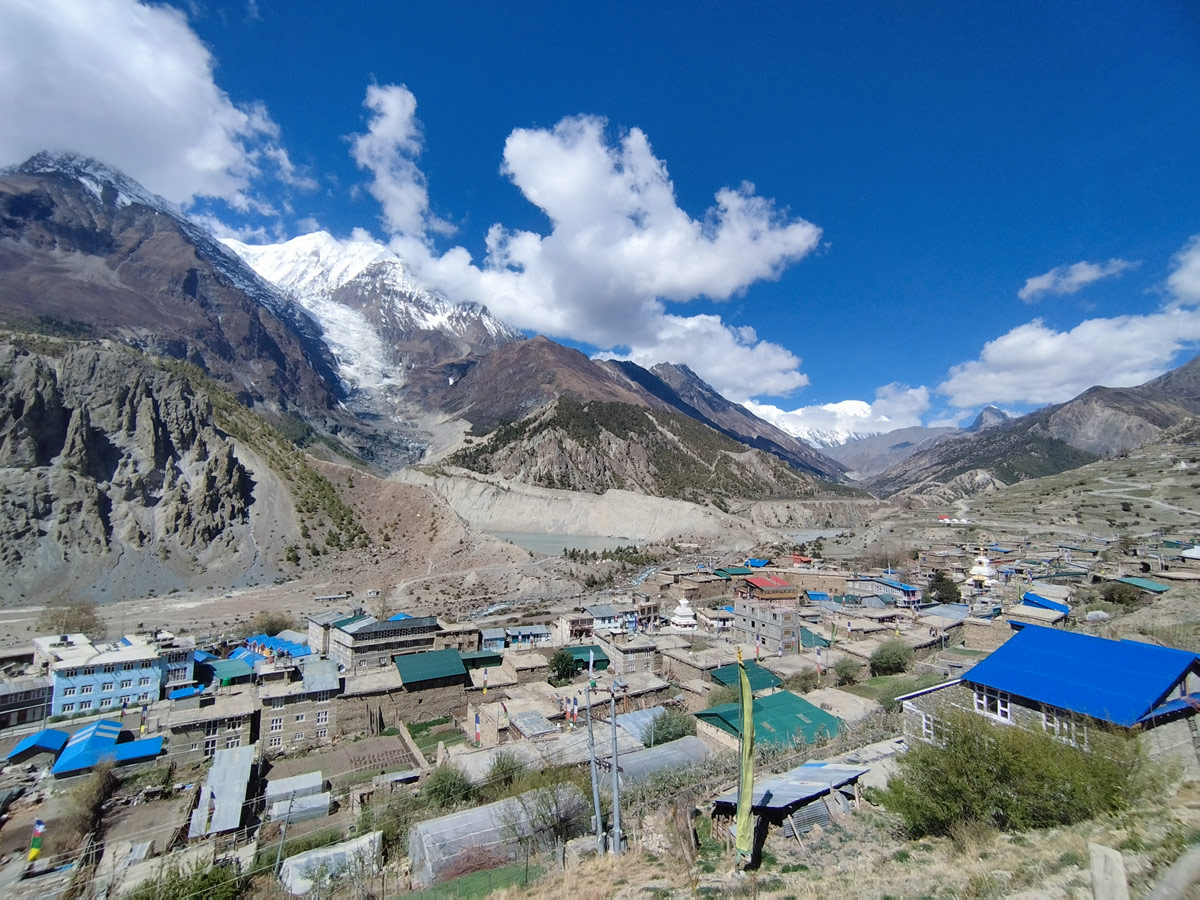
Many of you know Manang to be the perfect acclimatization stop, however, there is so much more to it beyond just that. The place is a complete destination in its own right, and not merely a pit stop.
Manang has so much history and cultural richness to it but most of it remains unexplored. Therefore, in this blog, we present to you the ultimate guide to exploring Manang. Read away!
Where Exactly is Manang?
First off, let’s understand the geographical location of Manang. The valley is located within the perch of the Annapurna Conservation Area in the Gandaki province.
Situated at an elevation of 3,540 meters (11,614 feet), the valley is a unique high-altitude desert and has a rare landscape because it is located in the rain shadow of the Himalayas.
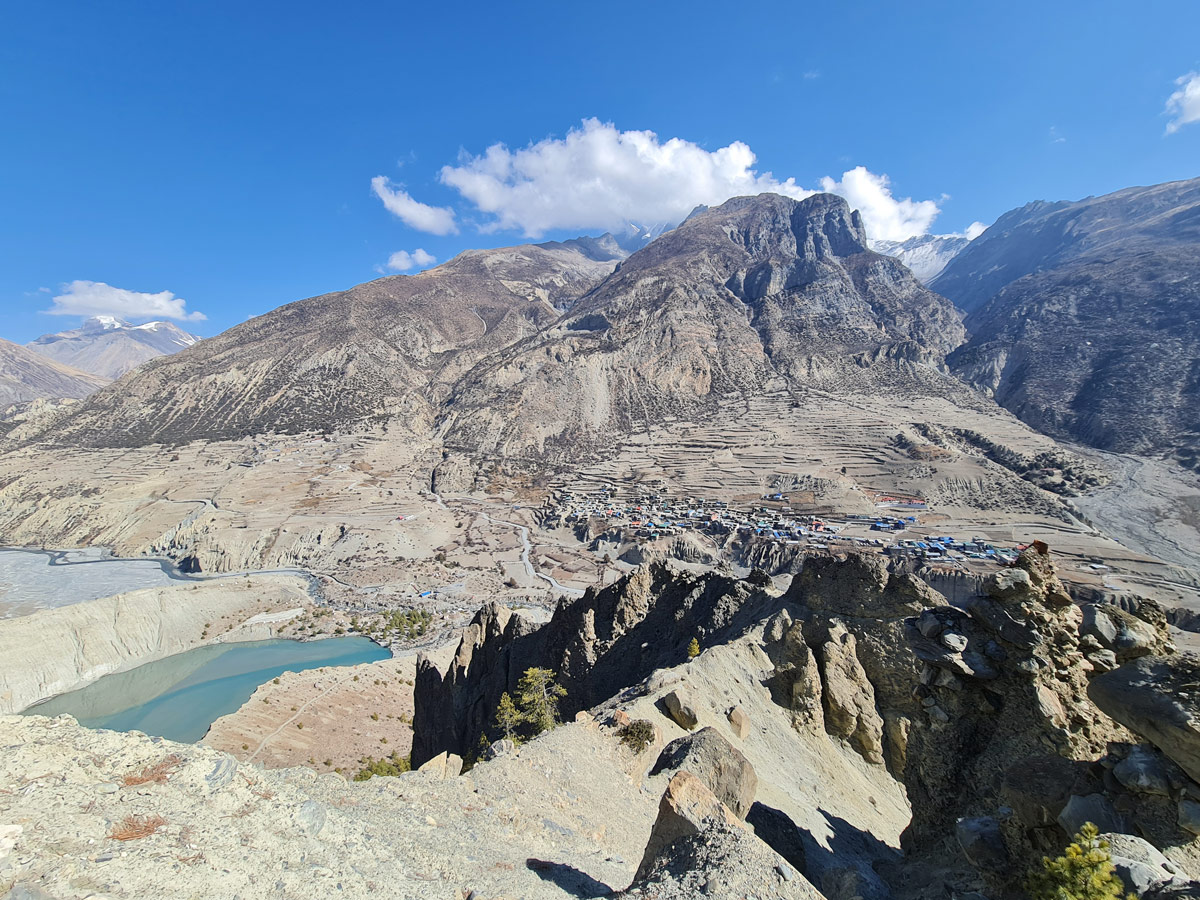
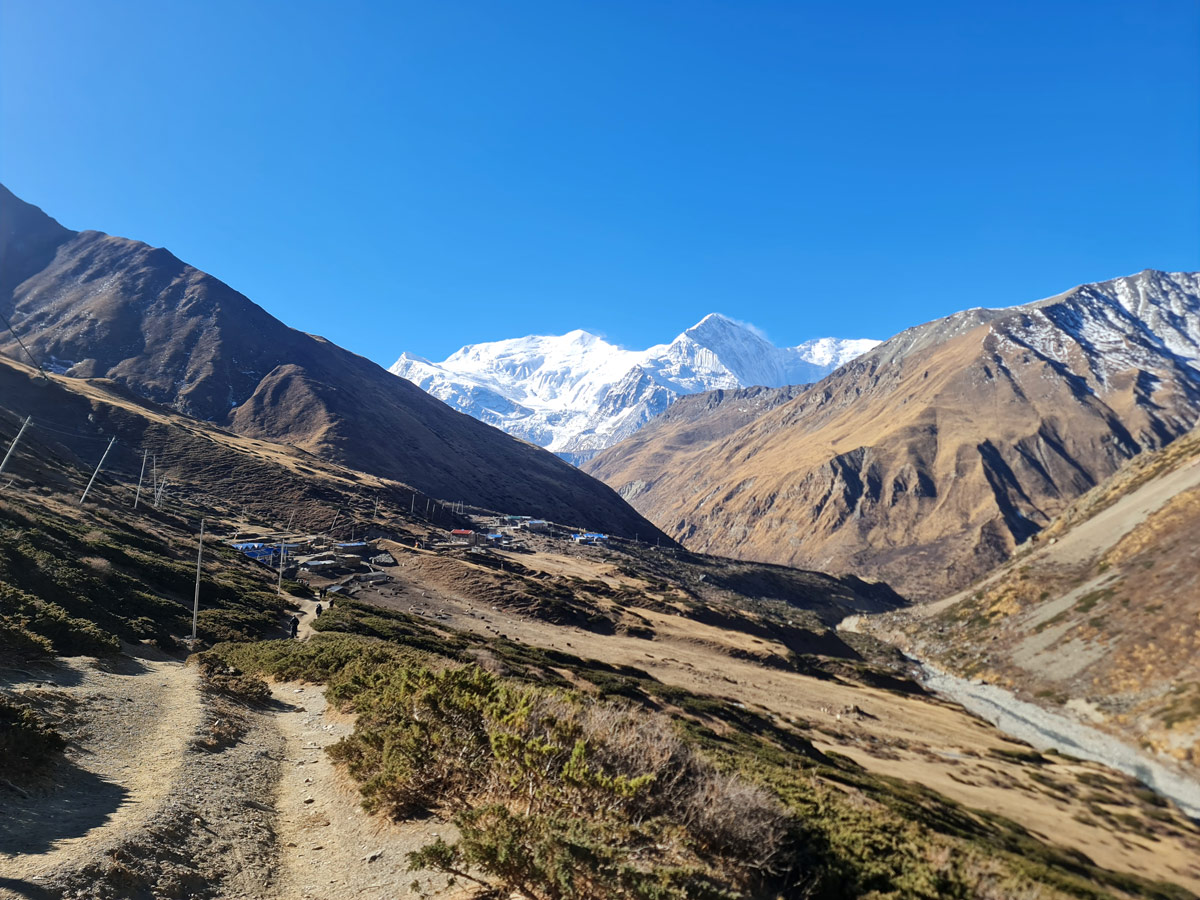
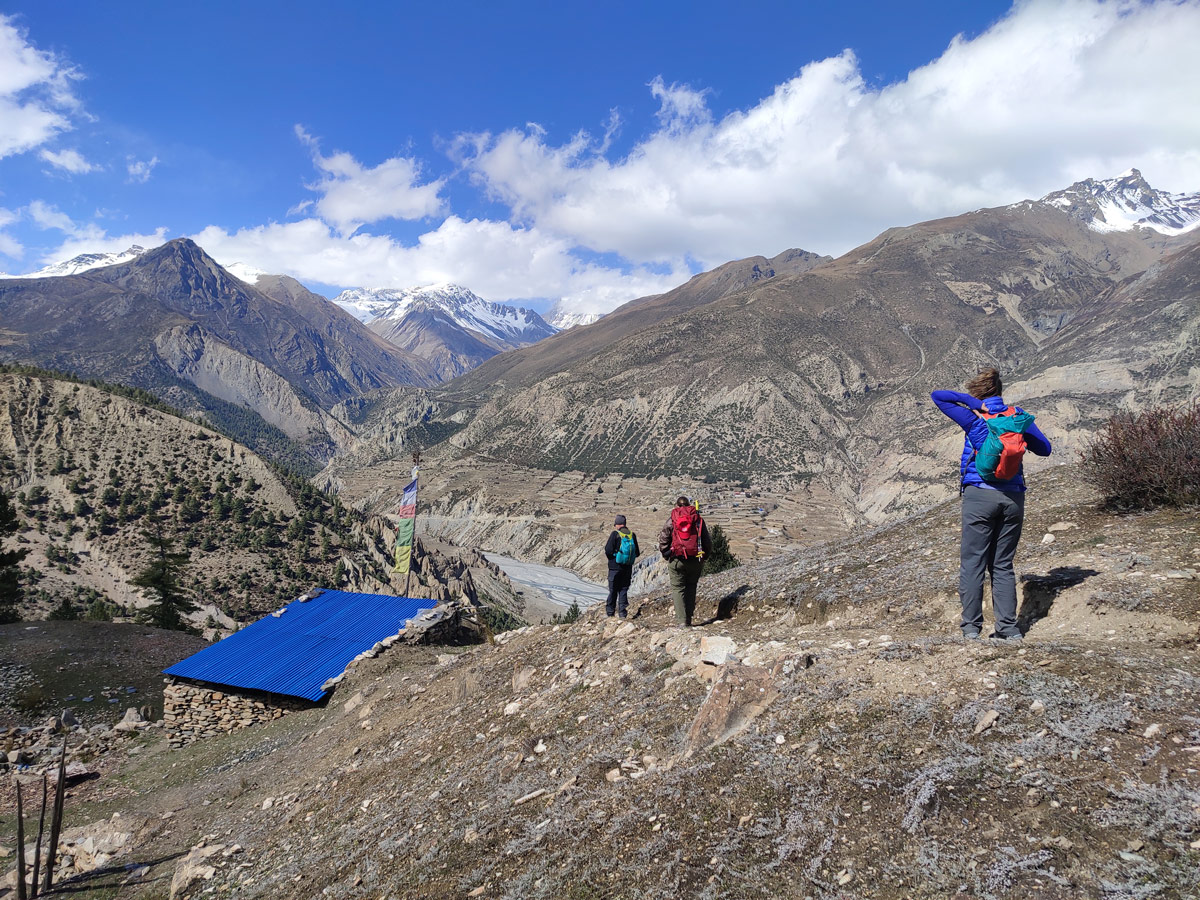
There are all kinds of landscapes in your journey to Manang. It starts with trekking through lush valleys, crossing roaring rivers on suspension bridges, and slowly gaining altitude until the trees thin out and the mountains get dangerously photogenic.
This particular change indicates your arrival in Manang and you get to see the arid deserted landscape that is juxtaposed with the vibrant Manangi culture while the giant Himalayas stretch out in the background.
Getting to Manang
Reaching Manang is not just about getting from point A to point B. It is an adventure that sets the tone for your entire Annapurna experience. Depending on your time and preference, you can either drive directly or combine a jeep ride with trekking.
From Kathmandu, most travelers first drive to Besisahar, the official gateway to the Annapurna region. From here, jeeps continue along the rough mountain roads, and in a single long day you can reach Manang.
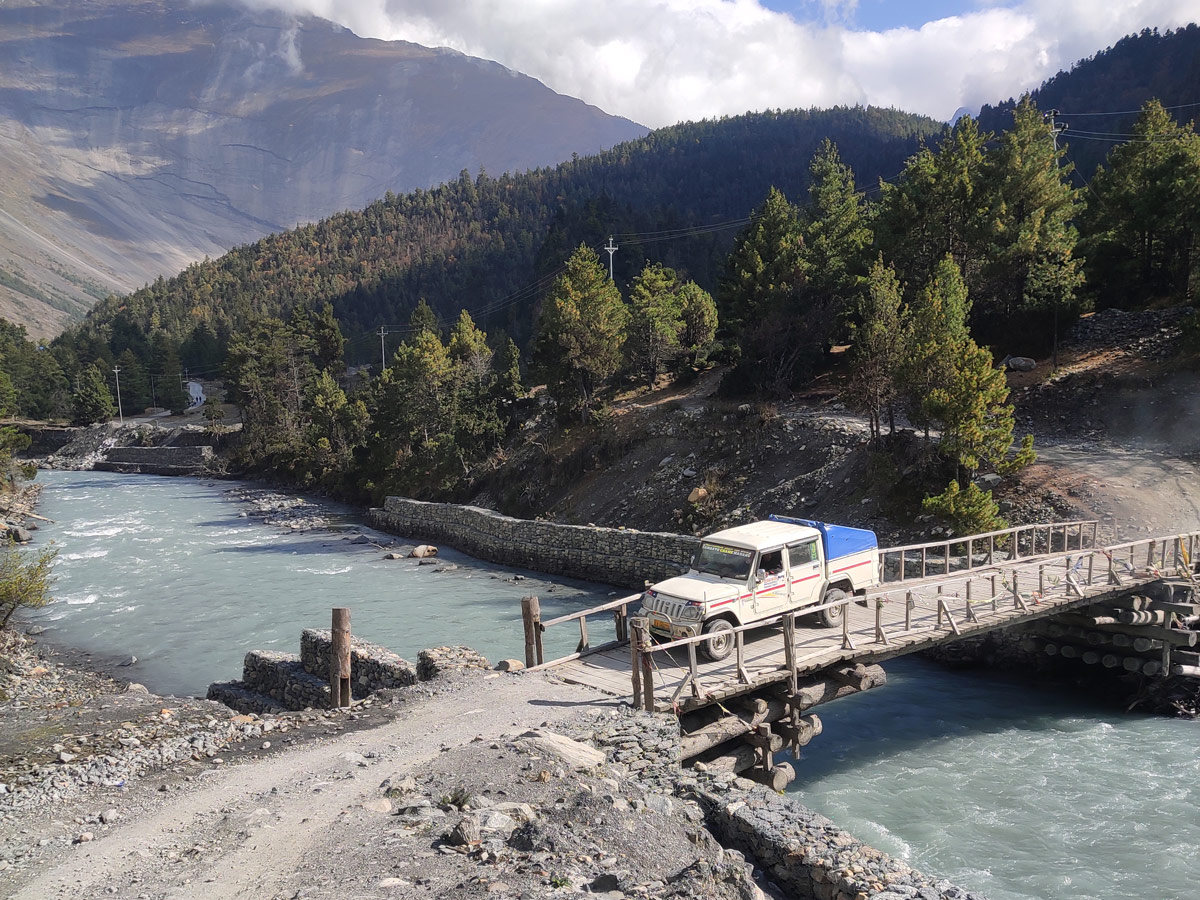
A direct jeep from Kathmandu to Manang is also possible, though the 10–12 hour journey is best suited for those who can handle bumpy roads, dust, and roller-coaster-like twists and turns. Keeping antiemetics and a scarf or mask handy is a smart move.
Trekkers on the Annapurna Circuit often choose a middle ground by taking a jeep only as far as Dharapani. This not only avoids the longest road sections but also gives you time to acclimatize as you walk higher.
From Dharapani, the trail gradually climbs through Chame, Upper Pisang, and the old Buddhist settlement of Ngawal before finally reaching Manang. Along the way, you pass traditional stone villages, mani walls, and forests that eventually open into wide alpine valleys.
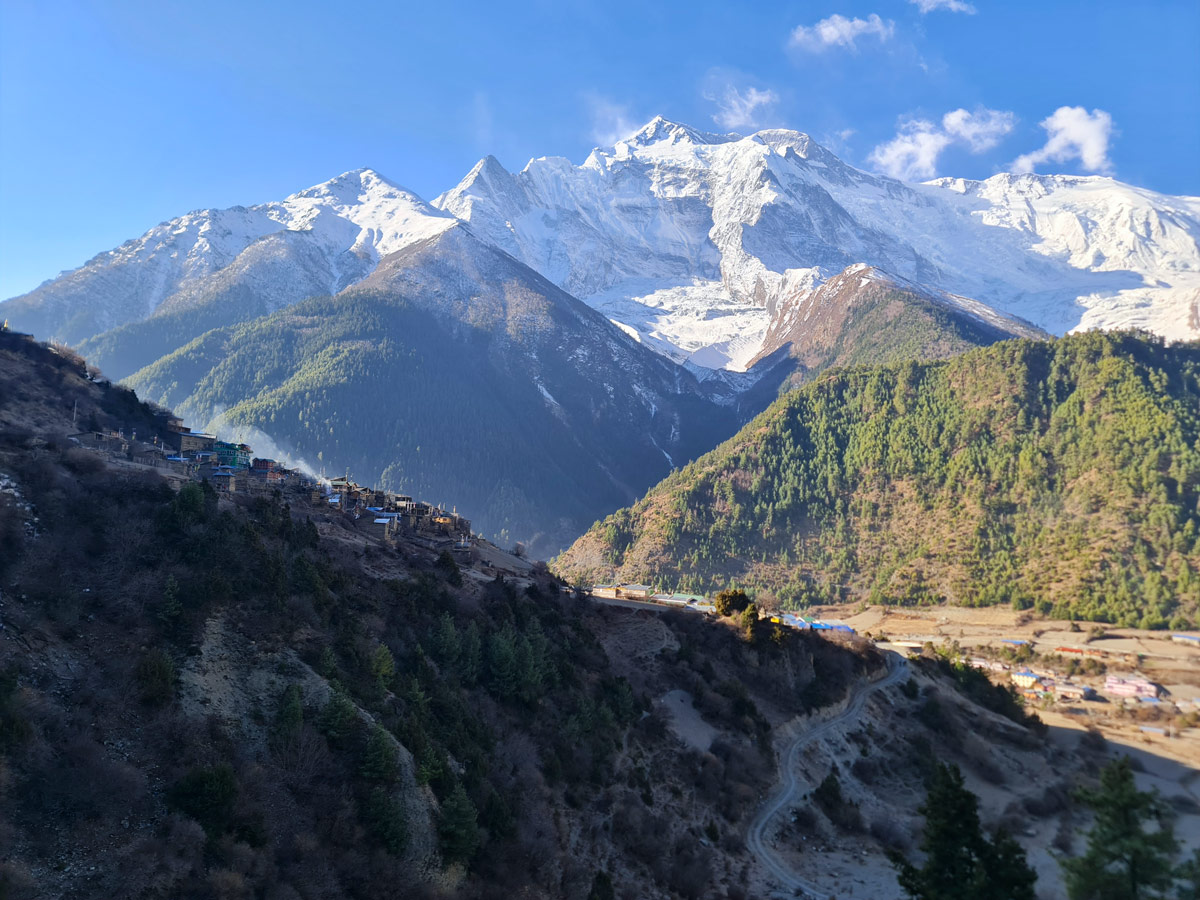
One of the highlights before reaching Manang is Paungda Danda, a sheer curved rock wall rising dramatically above the valley like a natural fortress. Moments like these remind you why the journey itself is as rewarding as the destination.
Whether you bounce along the jeep road or trek steadily for days, the experience is equally spectacular. One moment you are surrounded by lush forests, and the next you are staring at snow-capped giants of the Annapurna range. However you arrive, reaching Manang feels like stepping into another world that is high, wild, and unforgettable.
Culture in Manang
Another thing that might catch you off guard in Manang is the subtle but highly prominent culture here. I mean, sure you would have heard about the cultural immersion in the Himalayas but experiencing it firsthand is a whole different experience altogether.
The traditions in Manang are something that will stay with you forever. There is no sense of dilution in the culture here, and the authentic traditions are shaped by centuries of Himalayan isolation.
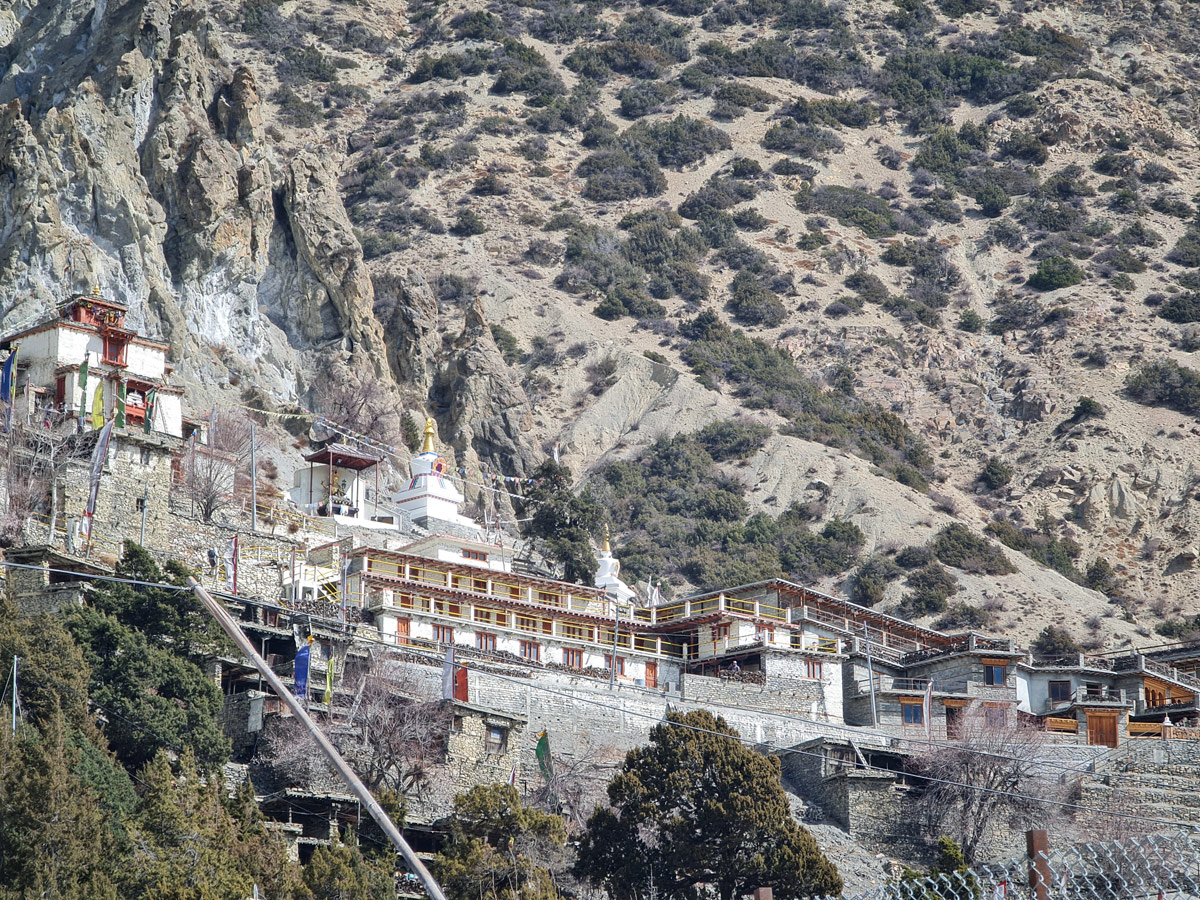
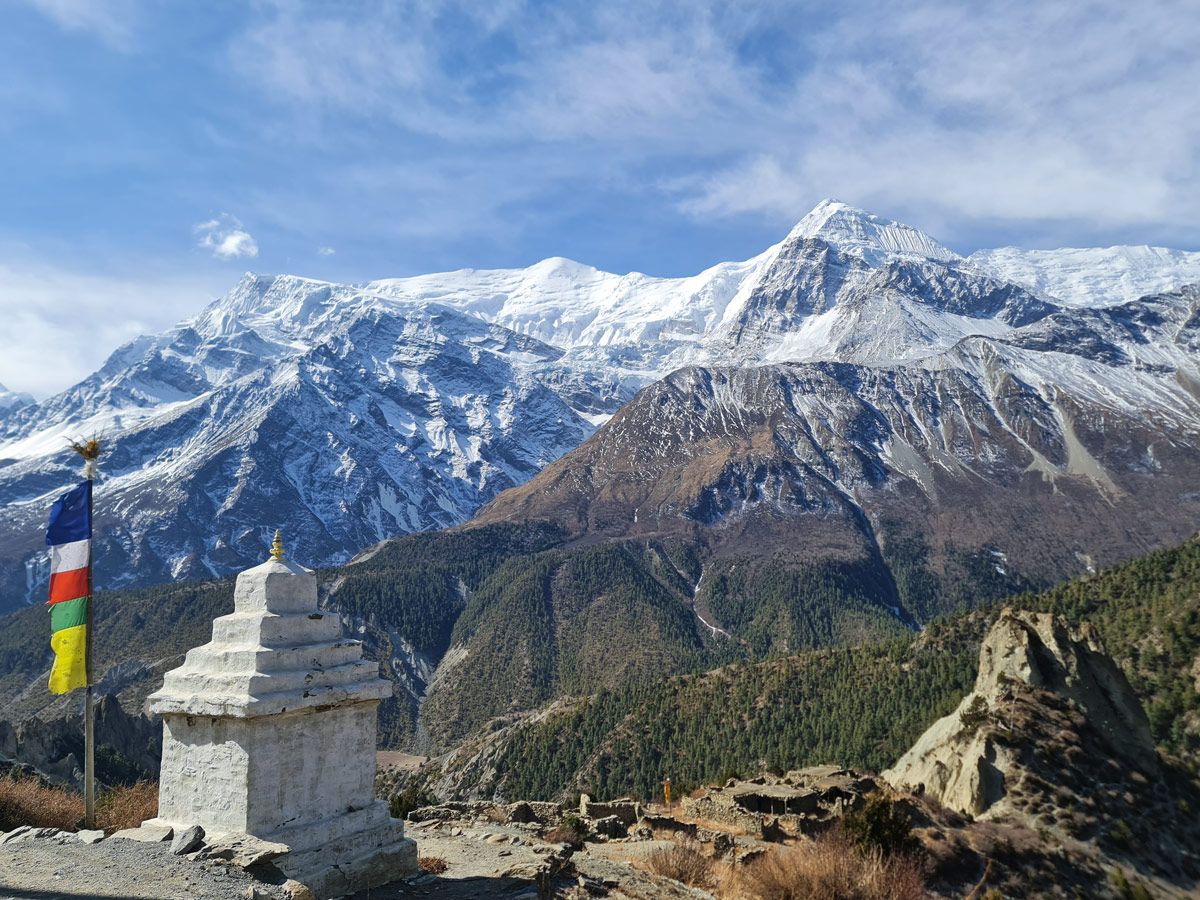
Most of the people in Manang are predominantly Tibetan, therefore, you will find that Tibetan Buddhism is the predominant religion here. That is quite evident with the mani walls, chortens, stupas, and fluttering prayer flags scattered across Manang.
Houses in Manang are built from stone and wood so that they can withstand cold winds. Flat roofs double as drying platforms for grains, firewood, and medicinal herbs which you will see a lot.
Depending on the time when you are exploring Manang, you might witness and even be a part of festive celebrations like Mani Rimdu, Yartung Horse Festival, or Lhoshar which is the Tibetan New Year.
The culture also transcends into the delicious Manangi cuisine which includes delicacies like Yak butter tea, buckwheat bread, and thukpa (noodle soup) are staples.
Apples of Manang and Mustang region are famous not only in Nepal, but all over the world. In autumn, dried apples and locally made cheese appear in many homes and teahouses.
Things to Do in Manang
For many trekkers, staying in Manang is all about acclimatization. While acclimatization is a big part of Manang, if you plan your schedule right, you can do many more things in Manang.
Acclimatization Hikes
Let’s begin with the most obvious and important one, i.e. the acclimatization hikes in Manang. Acclimatization is an important part of any high altitude trek as with the increase in altitude, the air starts getting thinner.
You get more and more prone to getting Acute Mountain Sickness (AMS). Thus, acclimatization is the way to prevent altitude sickness as it gives your body ample time to adapt to the altitude.
Manang is the key acclimatization stop on the Annapurna Circuit. Most trekkers spend at least one extra night here before moving on to Yak Kharka, Thorong Phedi, and eventually crossing the mighty Thorong La Pass.
To make the acclimatization effective, trekkers usually follow the golden rule of “climb high, sleep low,” which means going on short day hikes from Manang and then returning to spend the night at the same altitude.
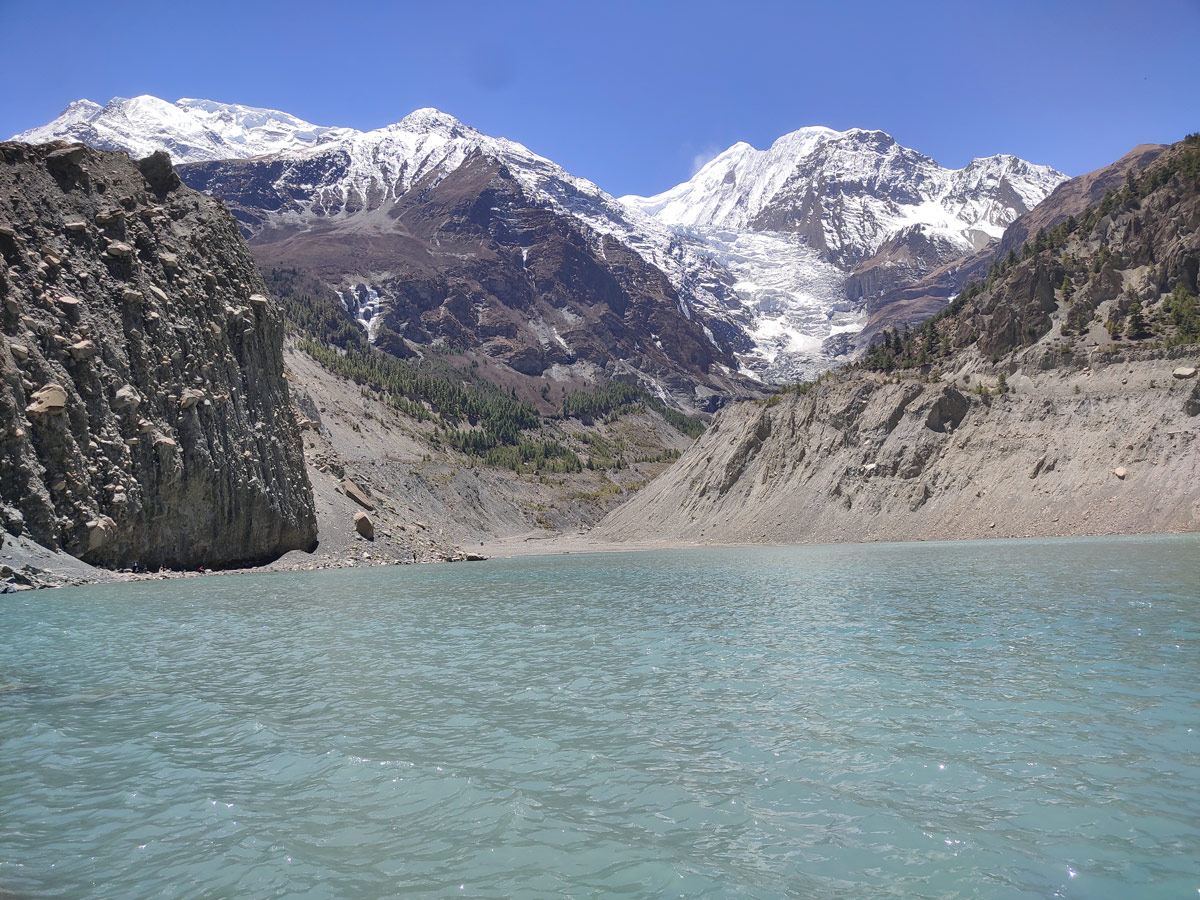
There are many spots around Manang where you can go for acclimatization hike. But the most famous one is the hike to Gangapurna Lake and Glacier Viewpoint as it is one of the easiest acclimatization hikes.
The ascend is relativelt flat and it takes only around 2 hours to take a round trip from Manang to Gangapurna Lake. Once you reach there, you will be treated to stunning views of Annapurna IV, Gangapurna, and Tilicho Peak.
Another acclimatization hike from Manang is to Chongkor Viewpoint which is one of the vantage points in the Annapurna region which also takes you around 3 hours for a roundtrip.
Other locations for acclimatization hikes include Bhojo Gumba, Khangsar Village, Praken Gompa, as well as hike to the stunningly beautiful Ice Lake, locally known as Kicho Tal. For a detailed overview, read acclimatization hikes from Manang.
Tilicho Lake Trek
While in Manang, one of the most rewarding adventures you can take is the Tilicho Lake Trek, which leads you to one of the highest lakes in the world at an elevation of 4,919 meters. This side trek is a bucket-list journey for many trekkers, often combined with the Annapurna Circuit or even done as a standalone adventure.
It takes you a total of 3 to 4 days for a round trip to Tilicho Lake from Manang and back. This is one of the most famous side treks that can be done combined with the Annapurna Circuit Trek or alone.
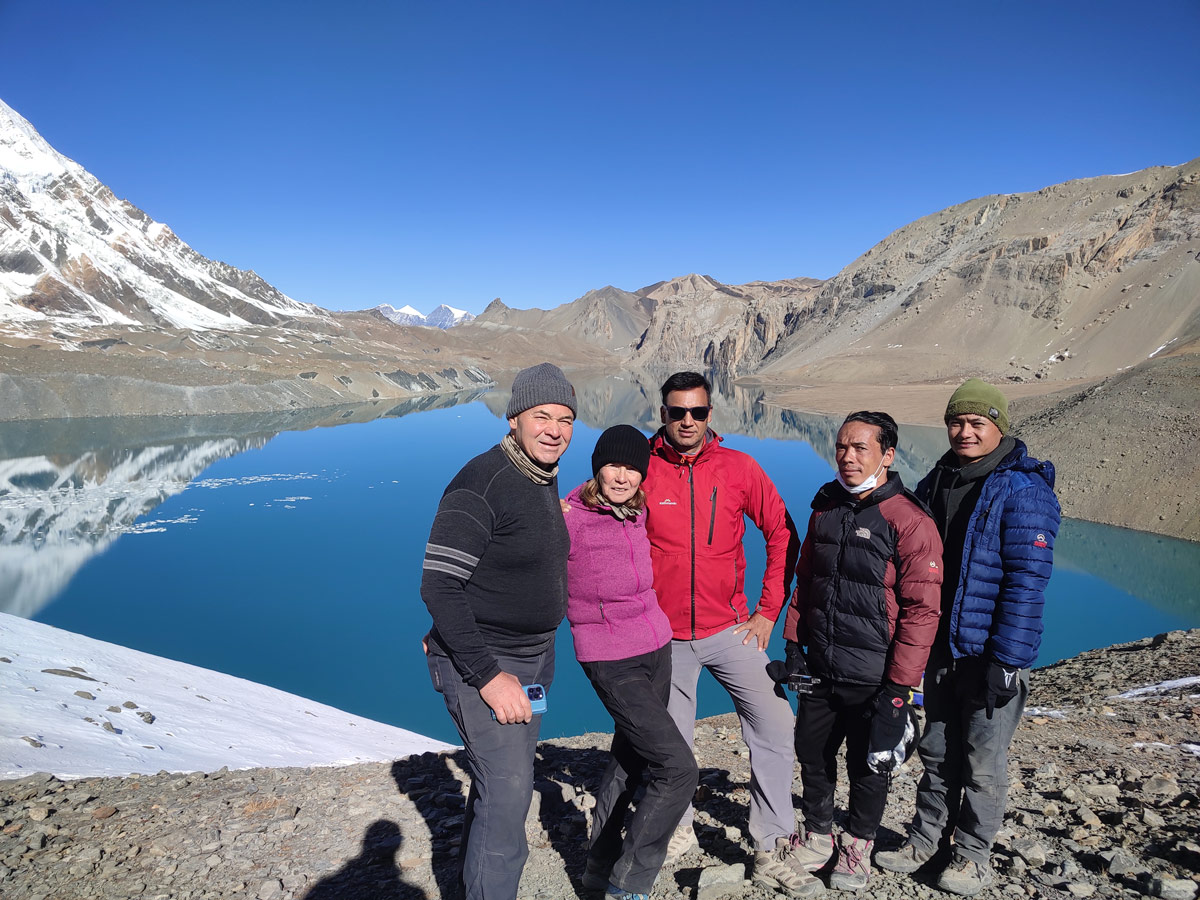
The journey is considered moderate to strenuous, and you will be crossing a variety of landscapes including lush green valleys, arid terrains, and breathtaking snow-capped Himalayan peaks.
But the view here is absolutely worth the challenge as you will see the pristine turquoise lake, frozen during winters, against a stunning Himalayan backdrop that features rugged mountains like Tilicho Peak, Nilgiri Himal, and Kangsar Kong.
Milarepa Cave Hike
Another side adventure is to explore the Milarepa cave which is an ancient cave. Legend has it that the ancient Tibetan saint Milarepa meditated in this cave back in the 11th century.
The cave contains several impressions in the rock said to be from Milarepa’s meditation postures and other relics. It is a significant spot both from religious perspective and architectural perspective.
Cultural Immersion
If you want to evoke your spiritual side, you can explore the religious places like Praken Gompa, Braga Monastery which is a famous 600 year old monastery, or many other stupas in the region.
It will give you a sense of peace in the Himalayas as you sit amidst the quiet as the prayer flags flutter around you and prayer wheels echo all around. This is great for mental clarity.
Accommodation and Basic Facilities in Manang
Given the location of Manang, many would expect there to be barely any comfortable accommodation space. However, the valley offers surprisingly comfortable amenities when it comes to accommodation.
The teahouse trekking culture is big in Nepal, and as Manang is a part of the trekking route, you will also get small and comfortable teahouses in Manang which are budget friendly and cozy.
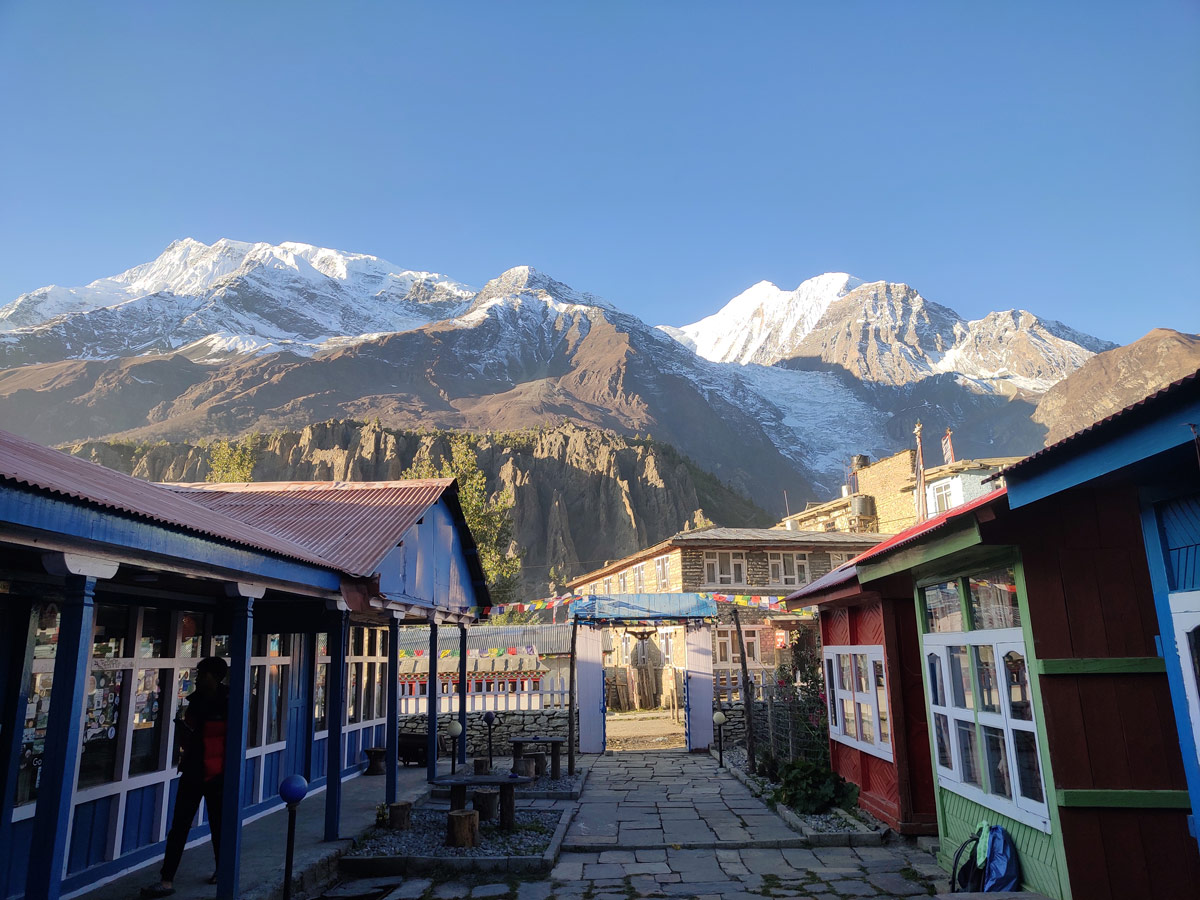
You can expect a decent shared room with attached or shared washroom, a comfortable bed, and a warm blanket here. It is still recommended to carry a zero degree sleeping bag to deal with the extreme temperatures. You can also stay in a homestay.
Other facilities in Manang include electricity for charging with additional charge, and hot showers are a paid luxury. You might find western style toilets somewhere, but Asian toilets are more common where you need to squat.
Wi-Fi and internet connection might be available in some teahouses at an extra cost, but you require patience as the signal is not that great. Many trekkers are connected to the same network all at once.
Packing List for Manang
Given the altitude and remoteness of Manang, it is best not to rely on the assumption that you will get shops along the trail to get items of basic needs. You need to carry all your essentials.
The items that you carry or don’t carry can make or break the comfort during your trek. Balance is the key, you shouldn’t miss out on the essentials, but you can’t overpack either.
If you overpack, the weight of your backpack will bring the entire trek down on your shoulders, quite literally. Even the porters have a certain maximum weight limit.
So, you need to figure out what to keep and what to leave out. You can read up on detailed packing list for the Annapurna Circuit Trek. For basic packing list, we have certain items listed below:
- Clothing essentials suitable for layering (Base Layer, Insulating Middle Layer, and Waterproof Outer Layer).
- Sturdy Footwear that is well broken in
- Trekking Pole
- Torch
- Gloves and Socks
- Raincoat
- Reusable Water Bottle
- Underwear
- Toiletries
- Sanitary Pads, Tampons, or Menstrual Cup
- Solar Chargers
- Insect Repellants
- Sunscreen
- Sunglasses and Hat
- Compass
- Well Stocked First Aid Kit
Best Time to Visit Manang
Trekking in Nepal is an all year round affair, however, there are certain seasons when you get the best experience. Same is the case with exploring Manang. The main season to visit Manang is during Spring (March to May) and Autumn (September to November).
During this time, you will get the perfect temperature, clear skies, perfect mountain views, and the flora and fauna around you will be booming in all the stunning hues.
While monsoon (June to August) is considered a bad time for trekking in Nepal, it is still a decent time to explore Manang as it lies in the rain shadow of the Himalayas, meaning it experiences minimal rainfall.
Do not come to Manang during winters (December to February) as you will have to bear extremely cold temperatures which will make your entire adventure much more difficult.
Documents Required
Although Manang is a remote area, the entry here is highly monitored. That means you can’t just show up here with a full backpack and a smile, you need proper documents.
Basic documents include your passport, visa, immigration, and customs clearance. Besides that, you will require certain permits that are specific to trekking in the Annapurna region. They are listed below:
- TIMS Card (Trekkers Information Management System, required for all treks in Nepal to keep track of the whereabouts and safety of trekkers)
- ACAP (Annapurna Conservation Area Permits, required to enter the Annapurna Conservation Area)
- RAP (Restricted Area Permit, required for certain restricted areas of Nepal, including Manang and Upper Mustang, to limit access)