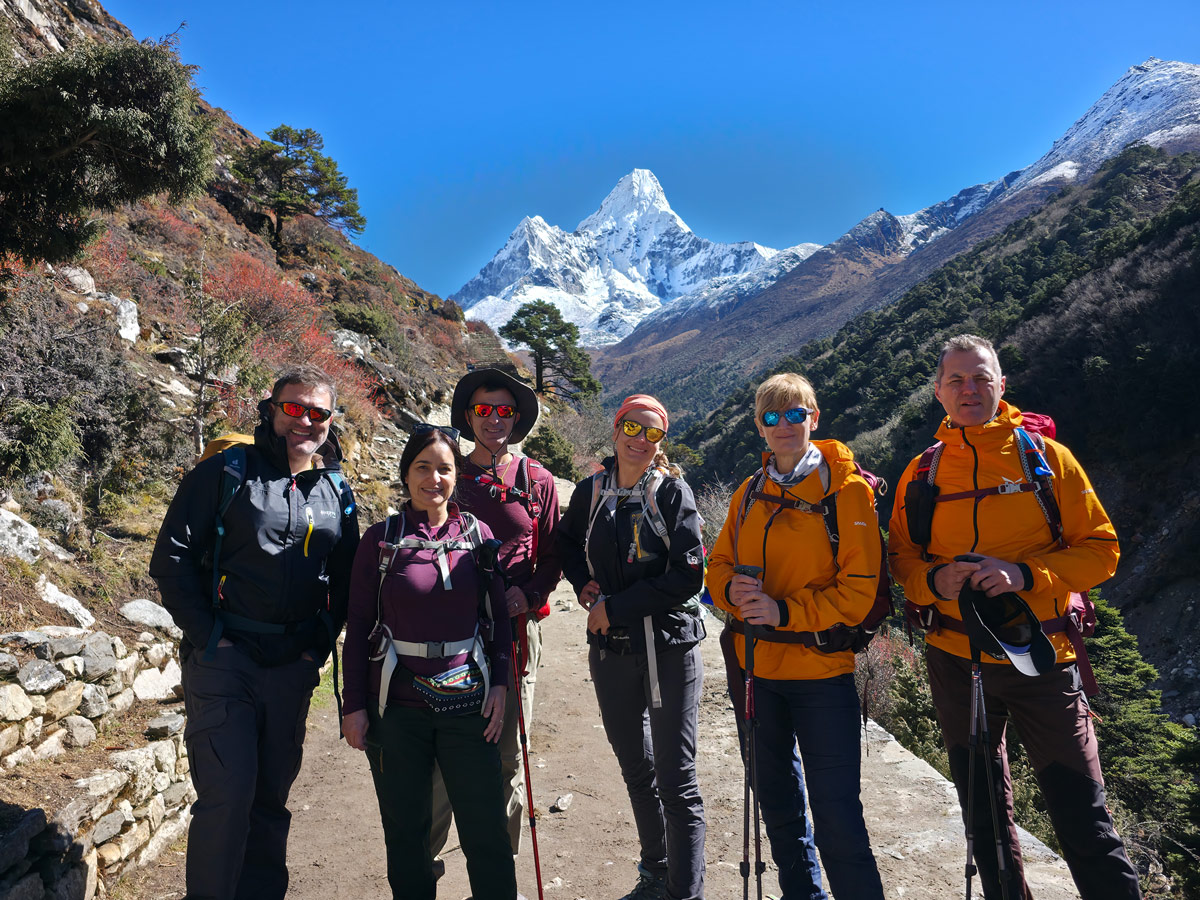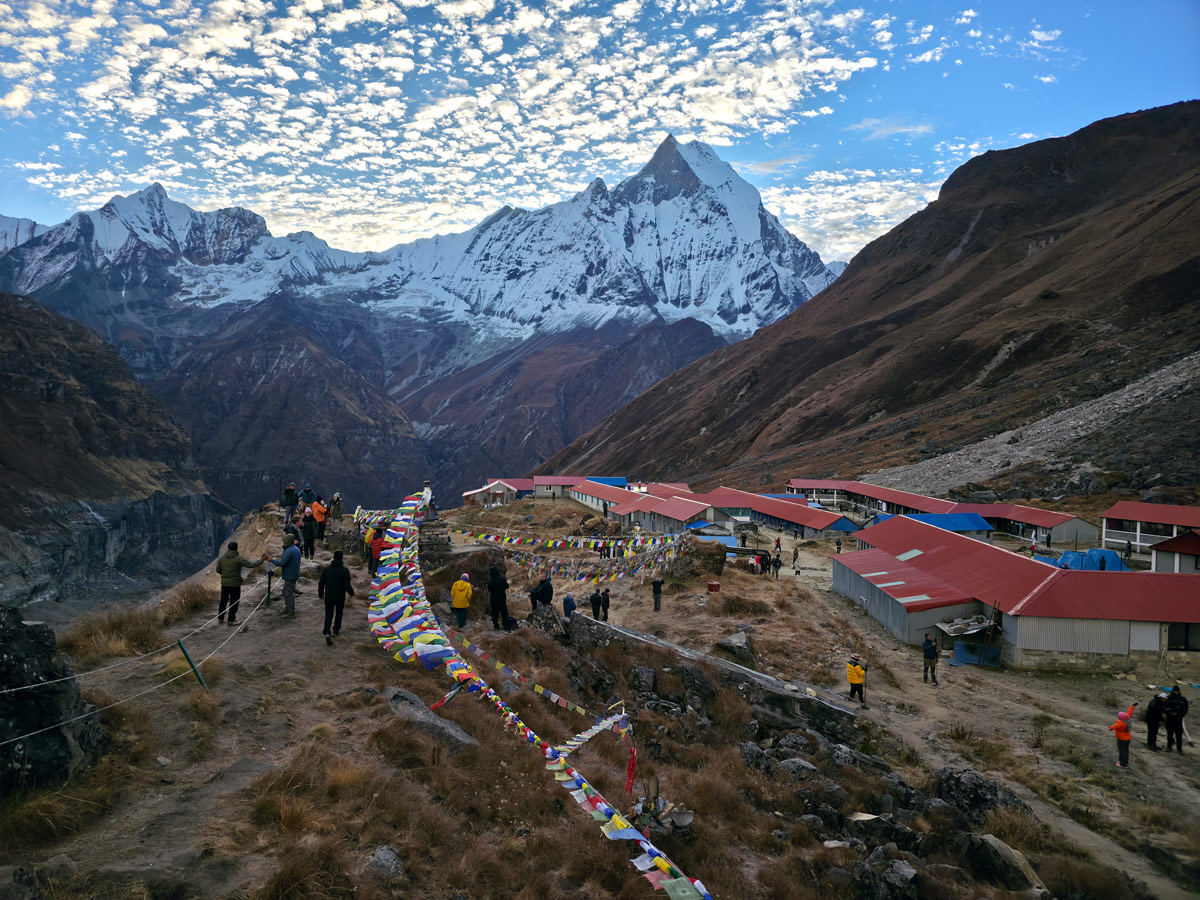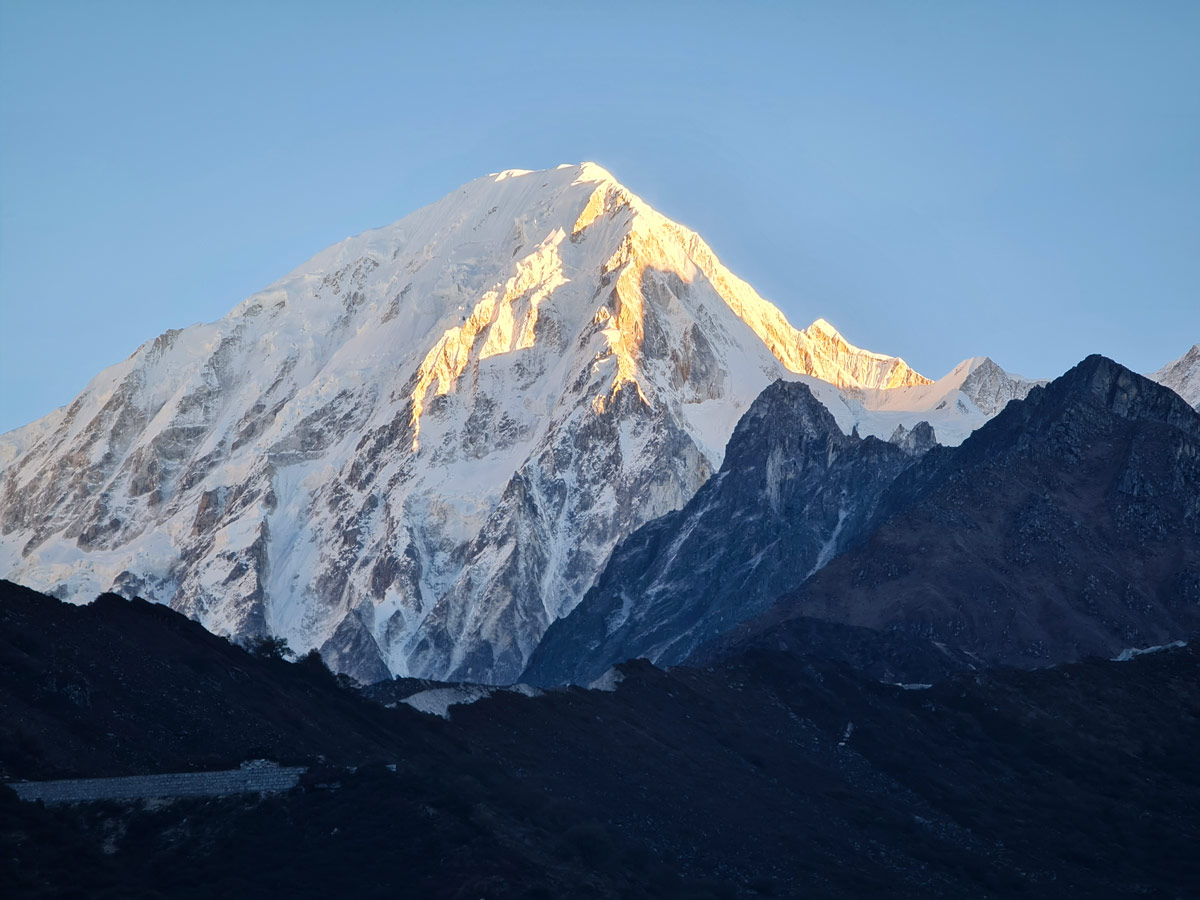



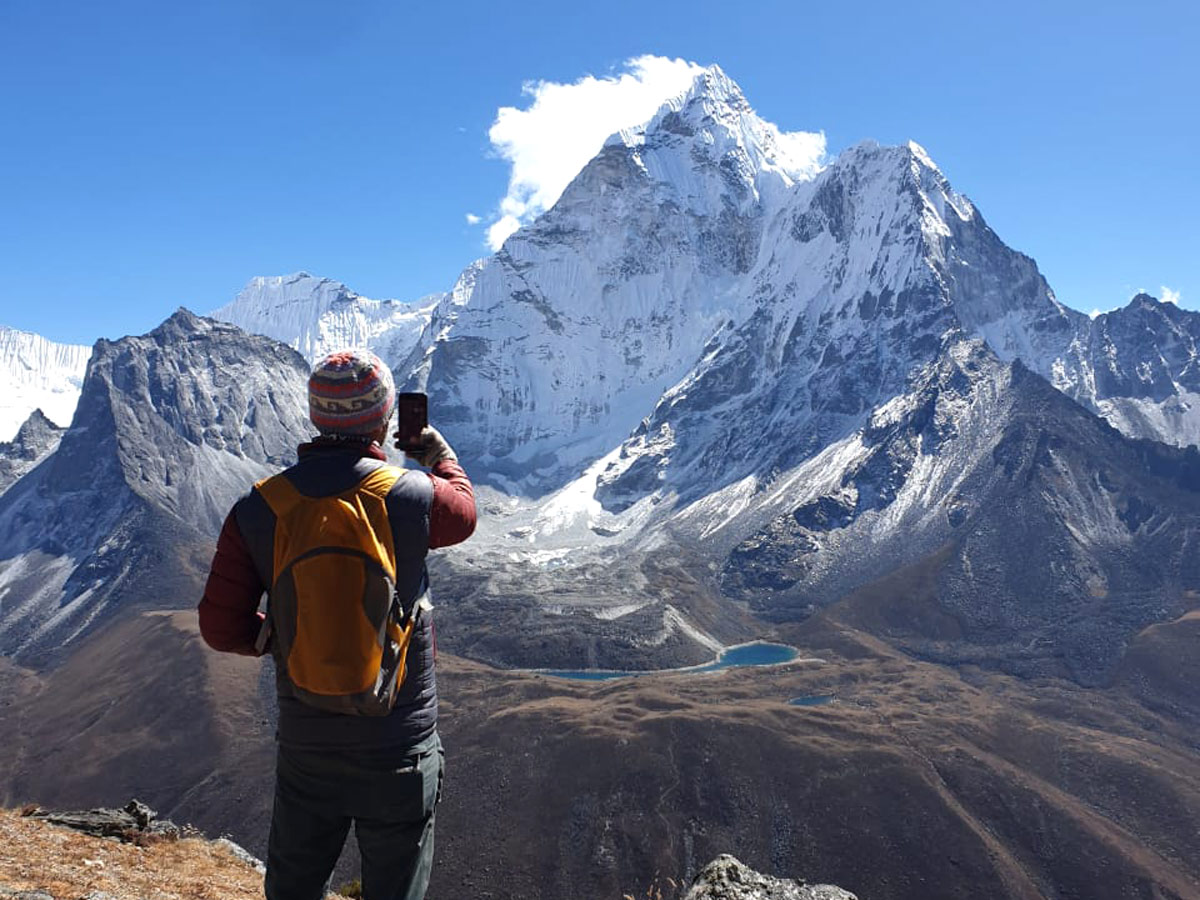
Trekking in the paradise for trekkers, i.e. the stunning landscapes of Nepal, is definitely a once-in-a-lifetime experience with all the serene villages, vibrant culture, and the Himalayas.
However, this memorable experience does come with its own set of challenges that require good preparation and awareness. Imagine being somewhere on a remote trekking trail where the air is thin, the path uncertain, and the nearest village feels miles away.
You pause for a moment, surrounded by the grandeur of nature, and realize how useful it would be to have something that could help you navigate, stay connected, and reach your destination for the day with ease and confidence.
That’s where technology comes in. Having the right gadgets can make a world of difference in your trek, transforming it from a tiring challenge into a more enjoyable and fulfilling adventure.
With the right tech tools, you can navigate easily, monitor your progress, stay in touch with your group, and make the most of your experience amidst the Himalayas.
Therefore, in this blog, we are going to discuss some of the technologies that can enhance your overall trekking experience in Nepal. Keep reading and be ready to up your trekking game!
Importance of Technology in Modern-Day Trekking
First and foremost, it is important to know why technology has become that big of a deal in the trekking world lately. Well, technology has revolutionized trekking in Nepal.
This transformation has made trekking experiences safer, more connected, more convenient, and more enjoyable for trekkers from around the world. You can now find a wide range of gadgets and tools to help you along your journey.
These tools can enhance navigation, safety, and overall experience while also minimizing environmental impact. They allow you to explore the trails of Nepal with more confidence and stay connected with your loved ones even in remote regions.
Navigation Tools for Trekking in Nepal
Guess what is one of the most important aspects of a comfortable and smooth trekking experience? It has to be proper navigation, as you don’t want to end up wandering off the main trail or missing your route. These tools can help you in doing so:
GPS Devices and Mobile Apps
Paper maps and compasses are still valuable companions for trekkers in Nepal — many guides and trekkers continue to use them as reliable navigation tools. However, with the rise of digital mapping, GPS technology has made navigation much more convenient and efficient.
Modern GPS devices like Garmin eTrex or GPSMAP offer features such as offline maps, waypoint marking, location tracking, and backtracking capabilities, with excellent accuracy and long battery life. These tools are especially beneficial for remote area treks like the Dhaulagiri Circuit, Upper Dolpo, or Kanchenjunga Trek, where trails are less frequented and signboards may be limited.
At the same time, smartphone apps such as Google Maps, AllTrails, Gaia GPS, and Maps.me have made navigation even easier. They provide detailed trekking routes, altitude information, and the option to download maps offline, making them perfect for everyday use on popular trekking routes.
Most of Nepal’s well-known trekking trails — including the Everest Base Camp Trek, Annapurna Base Camp Trek, Annapurna Circuit, and Manaslu Circuit Trek are well-marked and maintained. On these trails, navigation is generally straightforward, with clear signs, visible footpaths, and regular teahouse stops.
Still, having GPS tools and offline maps handy adds an extra layer of assurance and makes your trek smoother, especially if you enjoy exploring side trails or less-traveled routes.
Offline Maps
When viewing maps from any GPS device or smartphone software, you’ll often find the option for offline viewing. Make sure to enable this feature and download the maps before you start your trek.
This is important because while trekking in Nepal, you will be exploring some of the most remote and peaceful corners of the country. Connectivity in these areas might not always be strong, so having offline maps ensures you’re always prepared.
It’s a good habit to update these maps whenever you get connected to the internet again.
Traditional vs. Modern Navigation
The discussion about traditional navigation versus modern navigation is an interesting one because both are valuable in their own ways. Some may say modern tools might not always be accessible, and that’s true in rare cases.
To be on the safer side, carrying traditional navigation tools like a compass and paper map adds an extra layer of reliability. Guides in Nepal often carry physical maps as backups, which can come in handy in case of technical issues.
Combining both methods ensures that your navigation is smooth and dependable.
Communication Technology
Along with navigation, staying connected is also an important part of an enjoyable trekking experience. The following gadgets can make this much easier:
Mobile Connectivity
As soon as you land in Nepal, consider getting a local SIM card from Nepal Telecom or Ncell to stay connected at a reasonable cost. On well-traveled trekking corridors such as Everest Base Camp (Khumbu), Annapurna Circuit, Annapurna Base Camp, and parts of the Manaslu Circuit, you’ll often find periodic mobile coverage and lodge Wi-Fi in villages, with expected gaps between settlements and at higher elevations.
A local SIM makes it easy to check weather, coordinate plans, and message loved ones when service is available. Remember to download offline maps and essential info for times when the signal drops.
Satellite Phones
For remote area treks like the Dhaulagiri Circuit, Upper Dolpo, Kanchenjunga, and similarly less-traveled regions (e.g., Makalu Base Camp, Nar–Phu, Limi Valley), cell service can be sparse or nonexistent for multiple days.
In these areas, satellite communicators/phones—such as Garmin inReach Mini, ZOLEO, or SPOT—are especially beneficial. They let you share your location, send and receive texts, and use SOS features when needed.
On the popular routes listed above, these devices are generally optional (useful for extra peace of mind); on remote expeditions, they’re a practical addition to your kit.
Walkie Talkies and Emergency Radios
Communicating with your trekking group or guide has become much easier with devices like walkie talkies or two-way radios. These tools allow for quick and seamless communication, especially in areas where mobile networks might not be available.
Walkie talkies help coordinate group movements, alert others about any trail conditions, and keep everyone connected along the journey.
Wearable Technology
We are in the 21st century, and technology has evolved in remarkable ways. Today, a smartwatch can do far more than just tell time — it can be your health monitor, navigation tool, and adventure companion all at once.
Smartwatches like the Garmin Fenix, Suunto 9, or Apple Watch Ultra offer features that are highly beneficial during trekking in Nepal.
They can provide real-time tracking of your trekking metrics — how many steps you’ve taken, how far you’ve traveled, and how much elevation you’ve gained.
At the same time, they monitor your heart rate, pulse, and oxygen saturation levels, which can be useful when trekking at high altitudes to ensure you’re adjusting well. Many of these watches can also alert you if your oxygen or heart rate levels go beyond certain thresholds.
Equipped with altimeters, barometers, and compasses (ABC functions), these watches can also help you understand altitude changes and predict weather shifts.
This can be particularly handy for keeping an eye on upcoming weather patterns, even though the Himalayas are famously unpredictable.
Safety Gadgets
Nepal is considered one of the most welcoming and safest trekking destinations in the world. However, it’s always wise to be prepared and make use of the latest tools that add an extra layer of safety and peace of mind to your adventure.
Avalanche Beacons and Personal Locator Beacons
Avalanches can occasionally occur in high Himalayan regions, especially during certain seasons. For trekkers exploring routes such as the Annapurna Base Camp Trek, carrying avalanche beacons and Personal Locator Beacons (PLBs) can be beneficial.
They ensure that, in rare emergency situations, help can locate you quickly and accurately. Devices like ACR ResQLink can send SOS signals with your exact GPS coordinates to emergency services.
These gadgets aren’t used because trekking in Nepal is unsafe — they’re simply tools that make your journey even more secure and give you extra confidence during your adventure.
First Aid and Survival Apps
Learning basic first aid is always recommended before embarking on any trek. Most licensed guides in Nepal are also trained in first aid, ensuring you have expert help throughout your trip.
If you are trekking with Ace the Himalaya, all our guides have received wilderness first aid training and are certified in first aid, so you can be assured that your safety is always a top priority.
However, for additional preparation, there are several first aid apps available, such as the Red Cross First Aid App, which you can install in advance.
These apps offer step-by-step instructions for treating common injuries and minor health issues. Survival apps, on the other hand, provide useful tips for handling unexpected situations like sudden weather changes or dealing with outdoor challenges.
Portable Water Purifiers with UV Technology
Access to safe drinking water is essential during trekking. In the remote trails of Nepal, it might not always be practical to find bottled water or local shops at every turn.
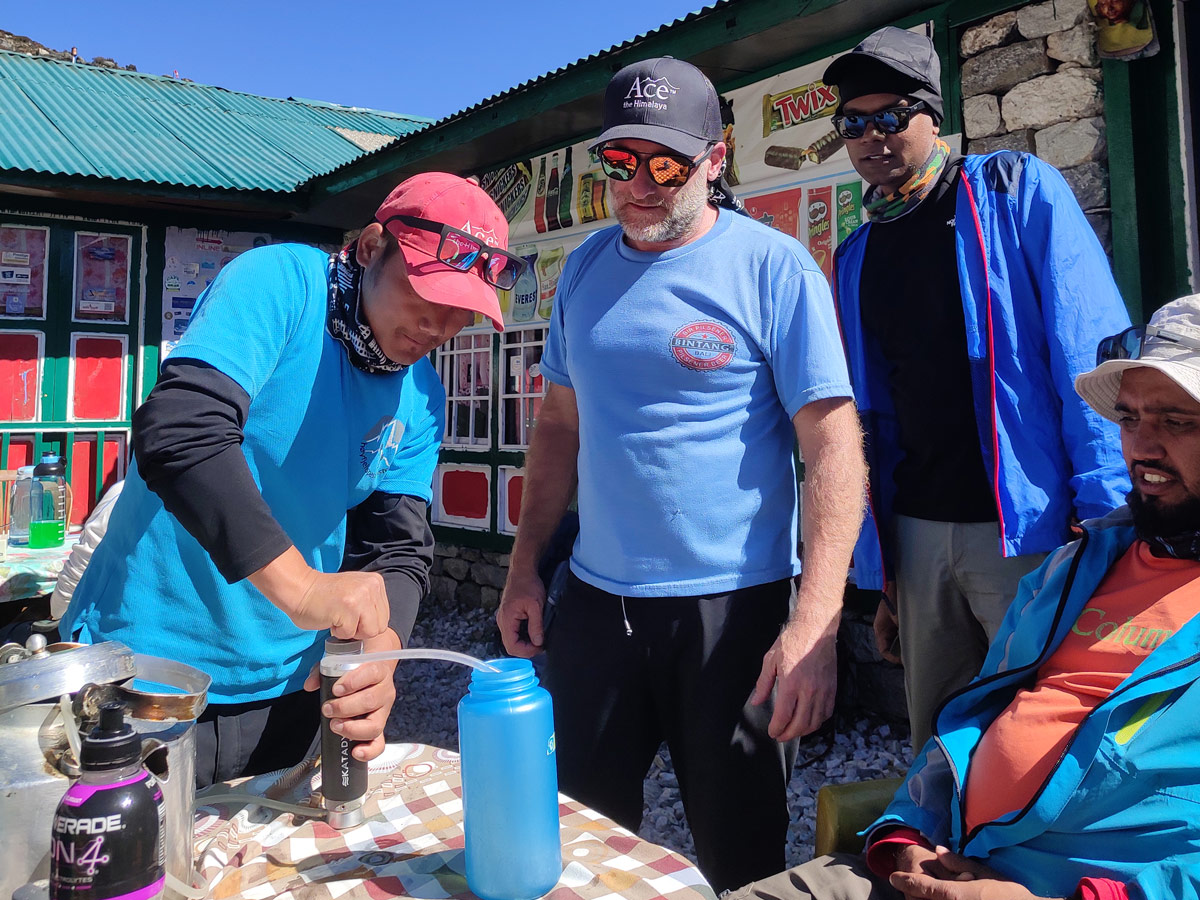
That’s why carrying a portable water purifier — preferably one that uses UV technology — is a great idea. Devices like the SteriPen eliminate harmful pathogens and make water from streams and rivers safe to drink.
They’re lightweight, eco-friendly, and an excellent alternative to buying bottled water, reducing plastic waste and supporting sustainable trekking practices.
Photography and Documentation Tools
Let’s be honest — no trek feels complete without those stunning photos and videos that capture the beauty of your journey and the majestic mountains of Nepal.
High-Quality Cameras and Drones
The beautiful landscapes of Nepal can be best captured with a quality camera. DSLR or mirrorless cameras from brands like Canon, Sony, or Nikon allow you to document your trek in remarkable detail.
Bring along lenses suitable for landscape photography and perhaps a telephoto lens if you’re interested in wildlife or capturing the dramatic Himalayan skies.
Drones are another fantastic way to record the scenery from above, offering breathtaking perspectives of mountain ranges and valleys. However, make sure to get the necessary permission before flying drones in Nepal.
Smartphone Photography Enhancements
If you prefer to travel light, your smartphone can do an excellent job of capturing Nepal’s natural beauty. Phones like the iPhone, Google Pixel, Samsung Galaxy, and OnePlus produce stunning photos.
Accessories such as gimbals and mini-tripods can help stabilize your shots, while editing apps like Lightroom enhance your final images.
Portable Power Banks and Solar Chargers
With so many electronic devices on hand, having a reliable power source is crucial. Portable power banks and solar chargers help keep your gadgets charged and ready to use throughout your trek.
Solar chargers are especially useful for multi-day treks, as they make use of clean energy — an ideal solution for environmentally conscious travelers.
Trekking Preparation Apps
Technology is not only helpful during your trek but also during your preparation phase. While you can prepare manually, a few apps can make things much simpler and more efficient.
Apps like Windy and AccuWeather help you track weather forecasts, so you can plan your itinerary and packing accordingly.
Fitness tracking apps like Strava can help you build stamina and prepare your body for the trek. You can even use apps that generate packing lists to ensure you don’t forget any important items.
Sustainable Trekking Technologies
Technology isn’t just about making your trek easier — it can also help make it more sustainable.
You can reduce your environmental impact by using solar-powered batteries, digital maps instead of paper maps, and reusable water purifiers instead of buying plastic water bottles.
These small yet impactful choices make a huge difference in preserving Nepal’s pristine environment and promoting responsible tourism.
However, always remember that technology should complement, not replace, the authentic trekking experience. The true essence of trekking lies in connecting with nature, immersing yourself in the local culture, and embracing the simplicity of the mountains.
Use technology wisely — as a supportive companion — to ensure your adventure in Nepal is safe, enjoyable, and environmentally responsible.
Conclusion
Trekking in Nepal is a journey like no other. With the right technology, you can make this incredible experience even more seamless, enriching, and memorable. Whether it’s staying on the right path, tracking your health, or capturing unforgettable moments — these tools help you make the most of every step through the heart of the Himalayas.
So gear up, embrace the power of modern trekking tools, and get ready for an adventure of a lifetime in the land of the Himalayas.